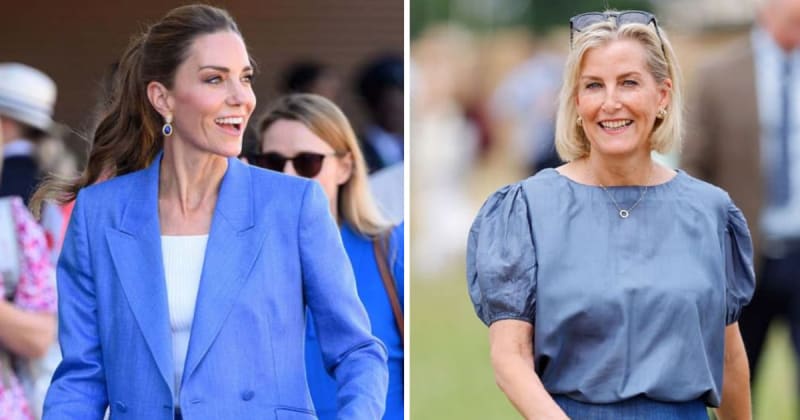
Princess Kate Is 'Willing To Take The Risk' Amid Recent Public Scrutiny, Her Friend Reveals
Princess Kate’s message on addiction draws sharp backlash, while supporters defend her push to end stigma.
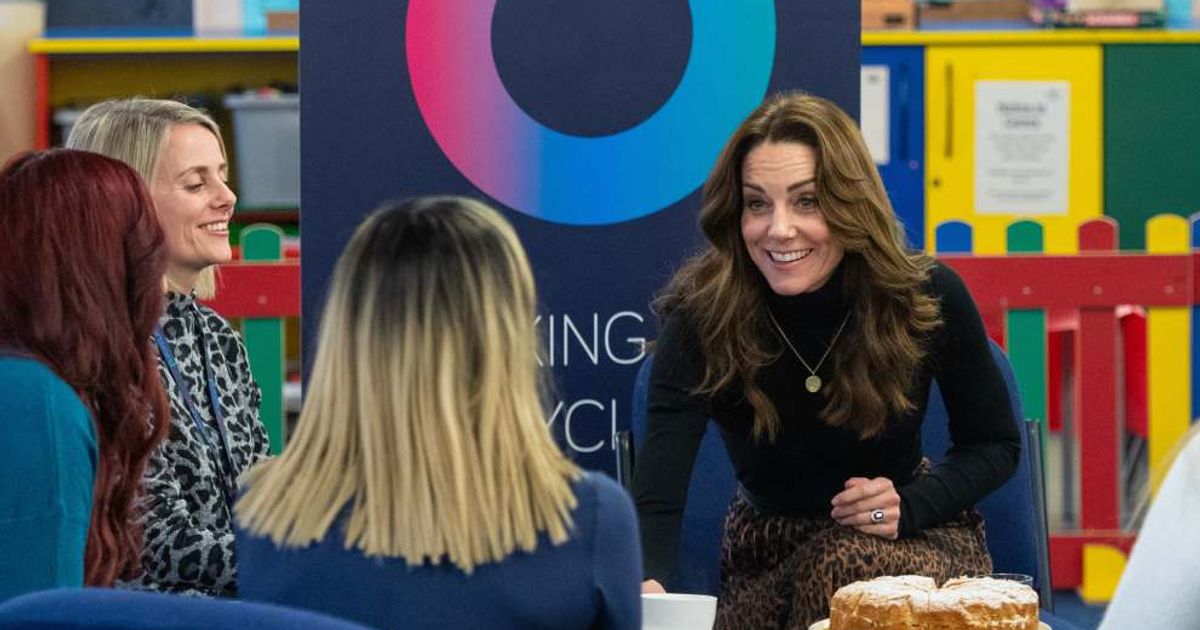


Princess Kate has always placed more emphasis on early childhood and the long-term pressures that influence a person’s well-being. She carried the same theme in her letter for Addiction Awareness Week as well. As a patron of The Forward Trust, which supports people with d--- and alcohol addiction, she has consistently stressed how early vulnerability can influence later outcomes, including the risk of addiction. Although her words were rooted in compassion, the reaction to them proved far more divided than the Princess of Wales may have expected.
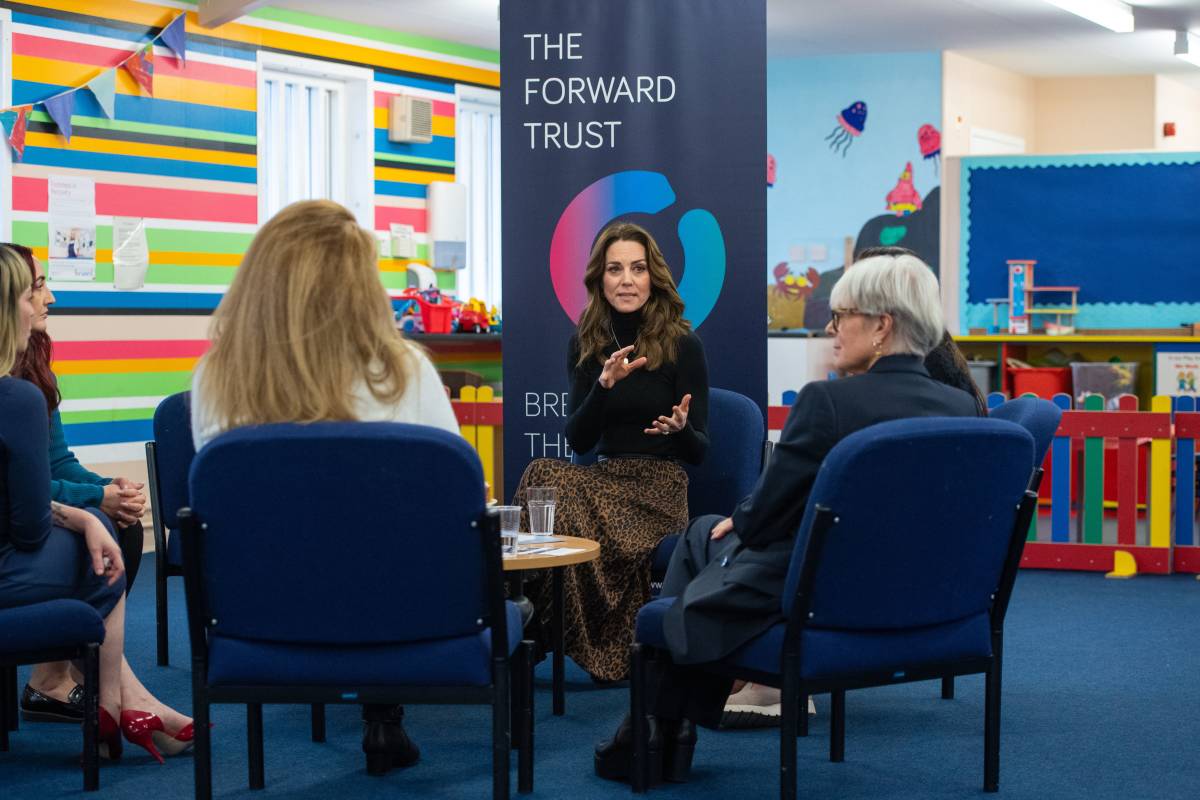
In her letter, Kate had detailed that addiction “is not a choice” and that it wasn’t "a personal failing, but a complex mental health condition that should be met with empathy and support." Instead of feeling “fear, shame, and judgement,” she urged people to question their own assumptions. Though she made the appeal in good faith, it did not sit comfortably with many. Several commentators argued that Kate had framed the subject too broadly, and some even questioned whether a senior royal should address it in such direct terms. In the Telegraph, Theodore Dalrymple wrote, "I am sure that HRH meant well and that she feels genuine sympathy for addicts. But unfortunately, her view is simple, unsophisticated, dehumanizing, and empirically false."
Others challenged both her language and the role she occupies within the monarchy. Among the strongest voices was Daily Mail columnist Peter Hitchens, who criticized her for promoting "the wicked, destructive idea that we are all powerless to fight against bad choices," claiming she had "joined the side of the liberal Left." He added, "What about royal neutrality?" These remarks showcased a notable contrast to the generally supportive coverage the Princess of Wales often receives. While Dalrymple and Hitchens offered some sharp words for Kate, supporters offered a different view of her intentions.
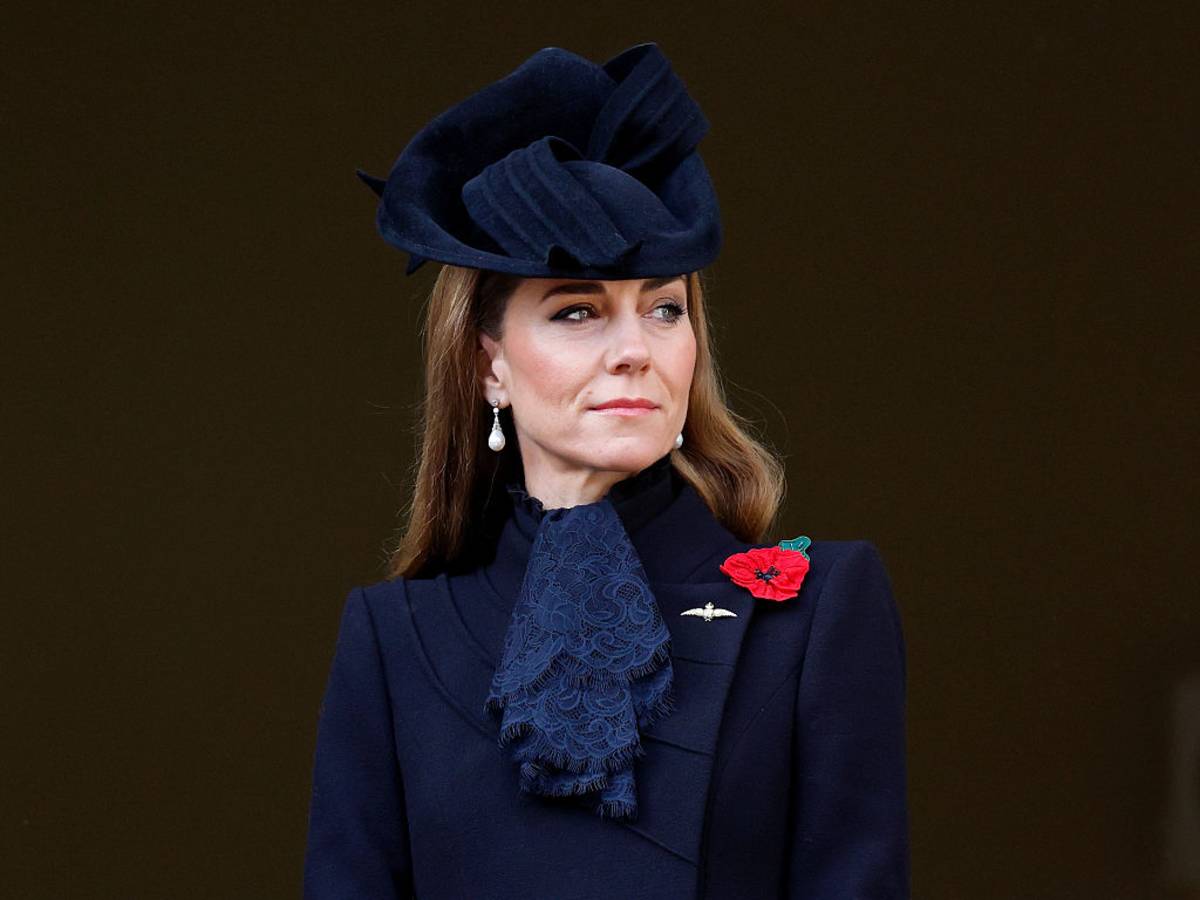
In a column published by Richard Eden for the Daily Mail, a friend of Kate defended her approach by pointing to the charity's record of support and rehabilitation. "The Forward Trust has changed the lives of thousands of people blighted by addiction," Princess Kate's friend told the journalist. "What Her Royal Highness is trying to do is get rid of the stigma of addiction so people are not ashamed to seek help. If that means she will face more criticism, she's willing to take that risk." So, while critics can look at the nitty-gritty of her words, those close to her know exactly what she meant.
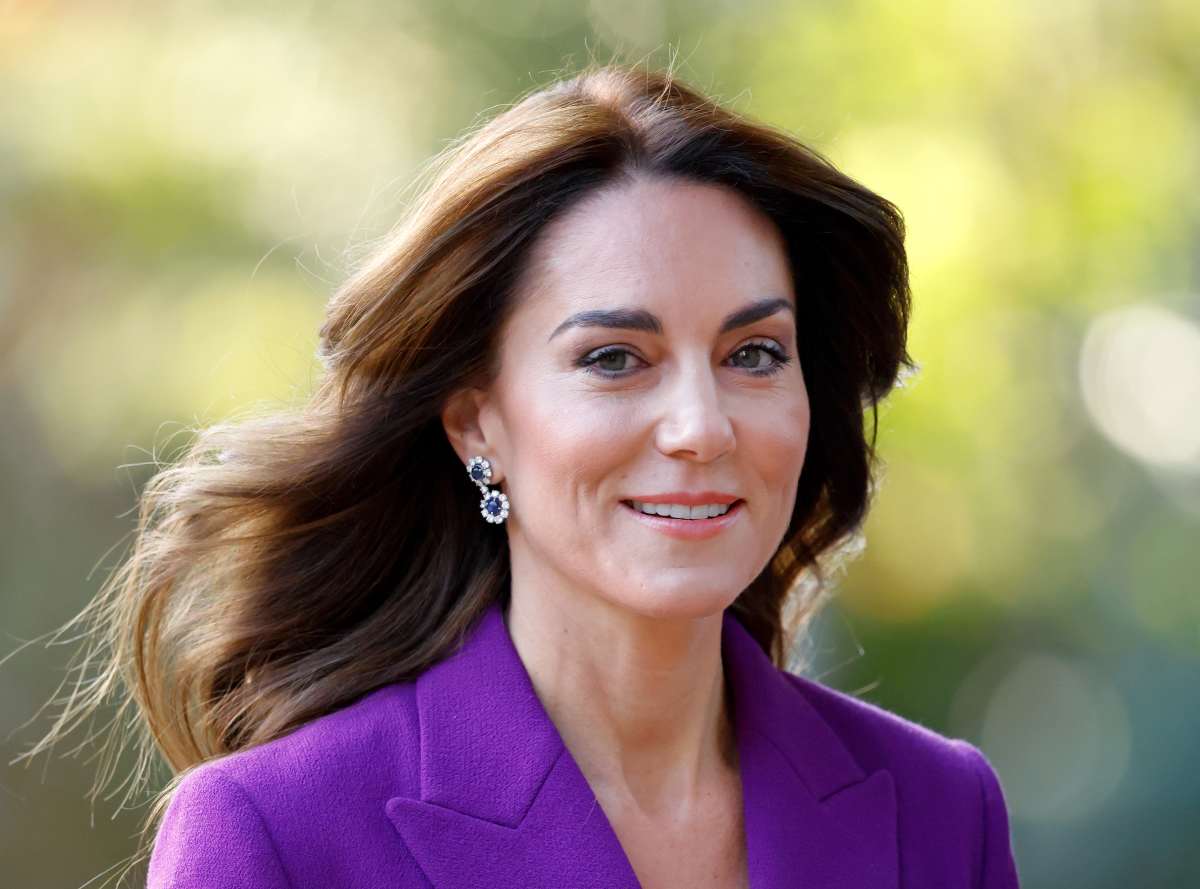
The Princess of Wales’s message suggested that unresolved trauma or instability can leave people more susceptible to addiction later in life. She concluded her letter with an appeal that stigma allows suffering to remain hidden. "The stigma surrounding those who face addiction allows it to thrive behind closed doors, impacting families and communities, and ultimately ruining lives,” she stressed. Along with this, she also urged the public to guide loved ones toward organizations like The Forward Trust, as “many of us will know someone who is struggling with an addiction.”