Prince William's Biggest Challenge as Monarch Won't Come From Within the Royal Family
While his grandmother and father also had steep hills to climb, Prince William will face a different kind of issue when he takes the crown.


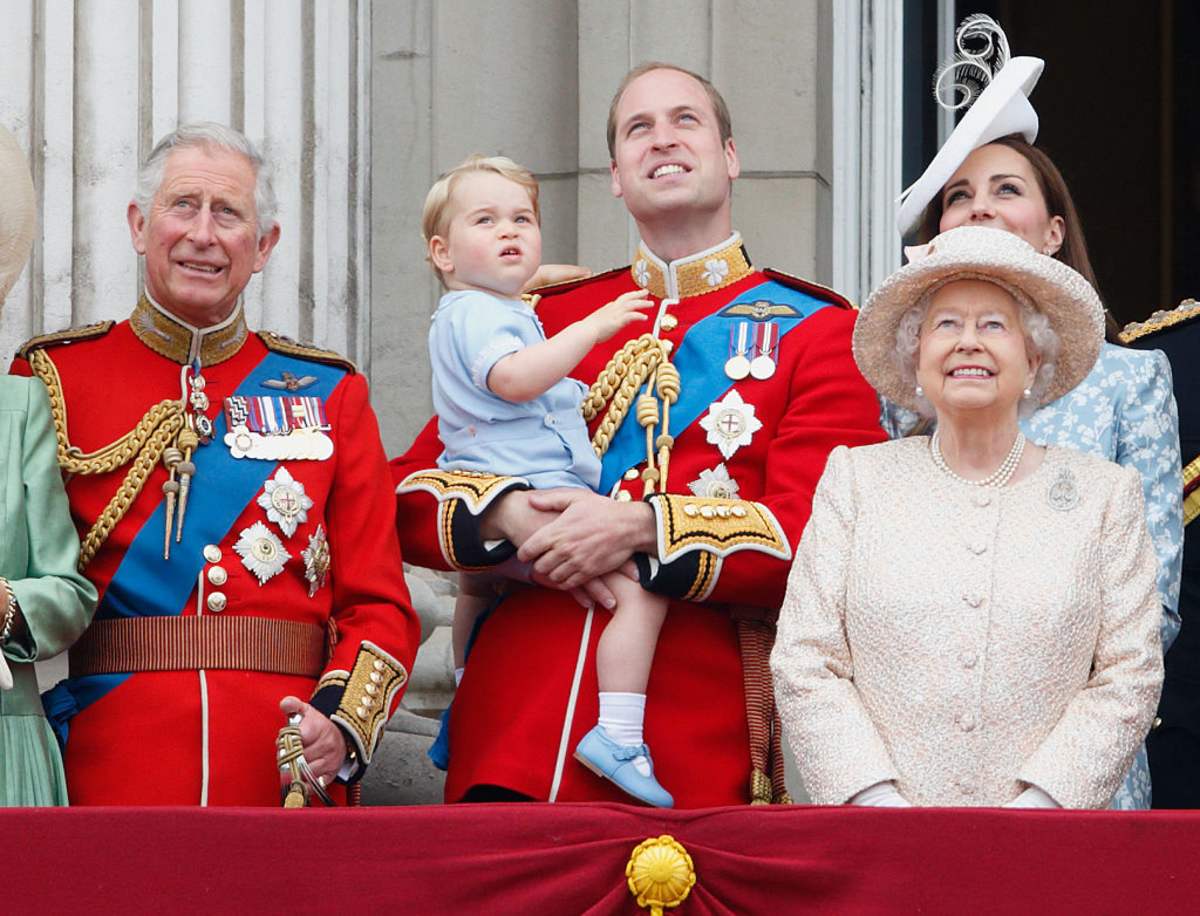
When Queen Elizabeth ascended the throne in 1952, the monarchy was still grappling with the aftermath of her uncle, King Edward’s abdication, and the global power struggles born out of WWII. In contrast, when King Charles took the crown in 2023, he was handed a far more personal and disturbing scandal to deal with, that of his younger brother Andrew Mountbatten-Windsor’s involvement in the Epstein scandal. For Prince William, however, the primary challenge may be a resistance already brewing outside the palace gates in the form of Gen Z.
Despite brief periods of disillusionment, boomers, Gen X, and the millennials have largely supported the monarchy. But the level of public goodwill the Royal Family has enjoyed for years might soon change, or even be toppled. As per Sophia Butcher of The i-Paper, “Among 18- to 24-year-olds, just 39 per cent think the monarchy is ‘good for Britain’, making it the only age group surveyed without majority support.”
For ages, the royal family has acted like a bridge between Downing Street and the UK streets. But that is not how Gen Z sees it. Butcher mentioned that the current generation’s introduction to the monarchy “has been a scrappy series of public barneys and PR missteps. Primed on a diet of brainrot and episodes of The Crown, we have watched ‘Megxit’ unfold on Oprah, spread ‘Katespiracies’ on X – and pondered visits to Pizza Express in Woking”.

The opulence that once distracted the country from global politics is now a shining mirror to a world that has drastically worsened, and Mountbatten-Windsor might have played a huge part in it. The over-the-top galas, the branded outfits, and shiny jewels are a reminder of the luxuries enjoyed by the disgraced royal on taxpayers’ money while being connected with Jeffrey Epstein. “The sense of unfairness that we as taxpayers subsidise the Royals’ lavish lifestyles extends beyond Mountbatten-Windsor. Just 7 per cent of 18 to 24-year-olds surveyed by YouGov said they thought the Royal Family were ‘very good value for money’ when comparing the Sovereign Grant to the role they play for the country,” Butcher wrote.
The current economy has been unforgiving to Gen Z, as “wages and living standards have stagnated while housing costs have spiralled”. The situation is a sharp contrast, as for ages, the progression of the royal family had been a direct indicator of the country’s growth. “Many of the postwar generation bought their first TVs to watch the Queen’s coronation; Boomers marvelled at Princess Diana’s poofy, but fashion-forward 80s wedding dress and Gen Xers shed real tears at her death; millennials bought into the meritocratic fantasy when commoner Kate married her prince,” Butcher further added. But the winds have changed their tune now.
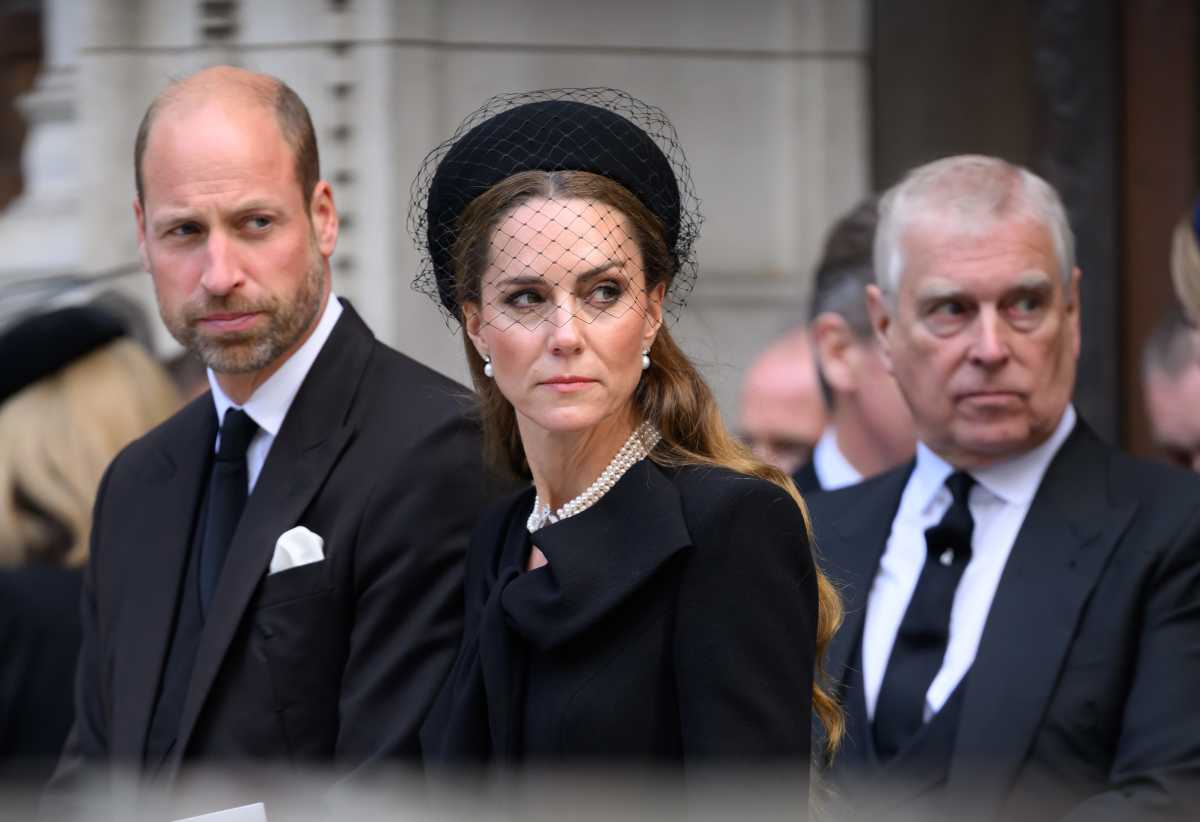
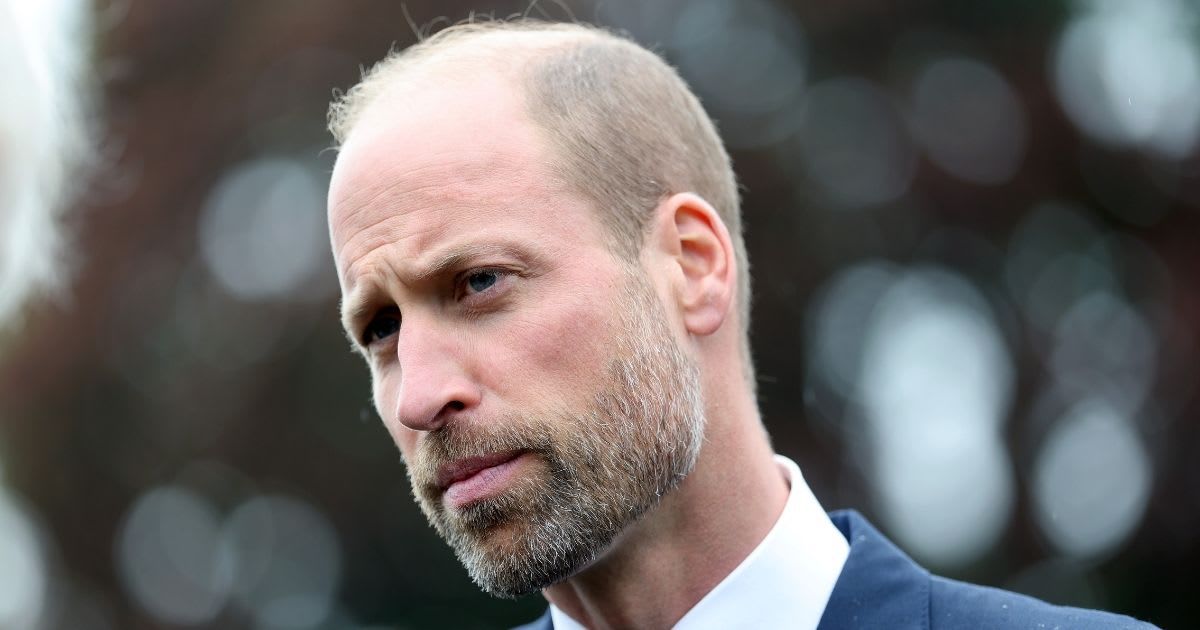
When William ascends the throne, he will have to gear himself up for some serious turbulence ahead. He has always talked about modernizing the monarchy, and while he continues to be a popular royal, he will have to go an extra mile to ensure the royals’ longevity.