Prince William Reveals Earthshot Finalists — Why Mumbai 2026 Is So Significant
EXCLUSIVE ANALYSIS: Prince William unveils 15 Earthshot finalists using bold ideas to tackle global challenges
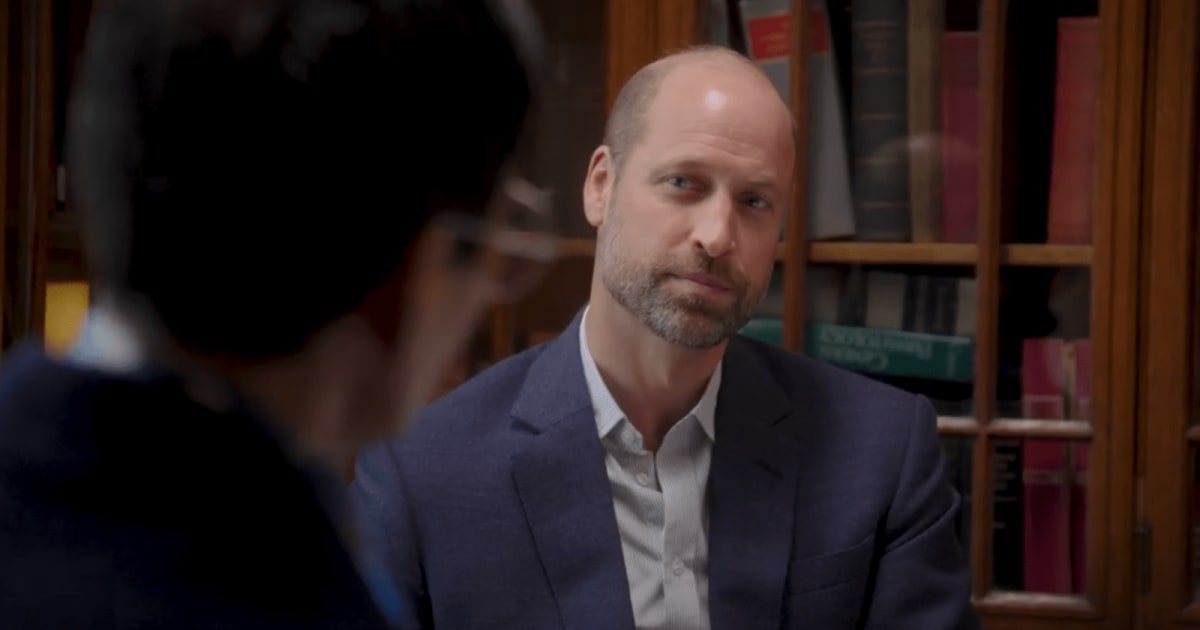


PRINCE William has unveiled the 15 finalists for the 2026 Earthshot Prize, bringing together everything from artificial intelligence and satellite technology to Indigenous knowledge, renewable energy and community-led conservation.
The announcement begins the countdown to November’s Earthshot Prize Awards in Mumbai, where five of the 15 finalists will each receive £1 million to help scale their environmental solutions.
But this year’s list is significant for more than the eventual winners. Six years after William first launched Earthshot, the finalists demonstrate how his environmental project has expanded beyond traditional ideas of conservation. Technology - and increasingly artificial intelligence - now sits alongside Indigenous knowledge, government policy, community action and major industry as part of the search for solutions.
The 15 Earthshot Prize finalists
Under Protect and Restore Nature, Yellowstone to Yukon is reconnecting a vast mountain landscape across Canada and the United States so wildlife can move more freely. Australia’s Indigenous Desert Alliance supports Indigenous communities and 70 ranger teams managing the world’s largest Indigenous-led conservation corridor, while Bhutan has been recognised for placing environmental protection at the heart of its constitution, policies and national identity.
For Fix Our Climate, India’s Mahila Housing Trust is helping low-income women cope with extreme heat through affordable heat-reflecting roofs, community Heat Action Plans and climate-risk insurance. Pula combines technology and insurance to protect smallholder farmers against financial losses caused by droughts, floods and other climate events. Danish energy company Ørsted is meanwhile being recognised for its work expanding offshore wind and accelerating the transition towards renewable energy.
The Build a Waste-Free World finalists demonstrate the role policy and communities can play. PFAS-Free France helped secure France’s 2025 legislation phasing out certain uses of PFAS “forever chemicals”. The South Korea Zero Waste Movement Network helped transform the country’s approach to food waste. At the same time, the Philippines’ Mother Earth Foundation works with communities to prevent plastic and organic waste reaching landfills, waterways and the ocean.
Under Revive Our Oceans, ZEMBA - the Zero Emission Maritime Buyers Alliance - is bringing major cargo owners together to create demand for zero-emission shipping. The Niue Ocean Wide Trust is developing long-term, Indigenous-led financing for ocean conservation, while the City of Barcelona is transforming its heavily used coastline through climate adaptation, nature-based solutions and improved water management.
And perhaps some of the clearest examples of how modern technology is changing environmental action can be found among the Clean Our Air finalists. Uganda-based AirQo uses low-cost monitoring equipment, open data and artificial intelligence to help close Africa’s air-quality information gap. Argentina’s Satellites on Fire combines AI and satellite technology to detect and track wildfires across 21 countries. India’s Mahindra Last Mile Mobility, meanwhile, is helping move everyday transport away from fossil fuels as one of the country’s biggest manufacturers of electric three-wheelers.
The significance of the 2026 finalists is in how unique they all are. William’s Earthshot Prize is no longer simply asking how forests can be protected or carbon emissions reduced; instead, it's looking at how AI can detect a wildfire sooner, data can identify dangerous air pollution, insurance technology can protect a farmer after a climate disaster, and electric vehicles can transform transport in rapidly growing cities. At the same time, Earthshot has not presented technology as the answer to everything.
Some of this year’s most ambitious projects are based on ideas that existed long before artificial intelligence. Indigenous communities are protecting enormous landscapes in Australia and ocean territory in Niue. Bhutan is demonstrating what can happen when nature is embedded in national decision-making, while community organisations in India and the Philippines are developing solutions from the ground up.

That combination may be the most interesting thing about the 2026 finalists: innovation does not necessarily mean inventing something completely new; sometimes it requires using AI and satellites or changing legislation. It also might mean giving communities the resources to expand methods they already know work.
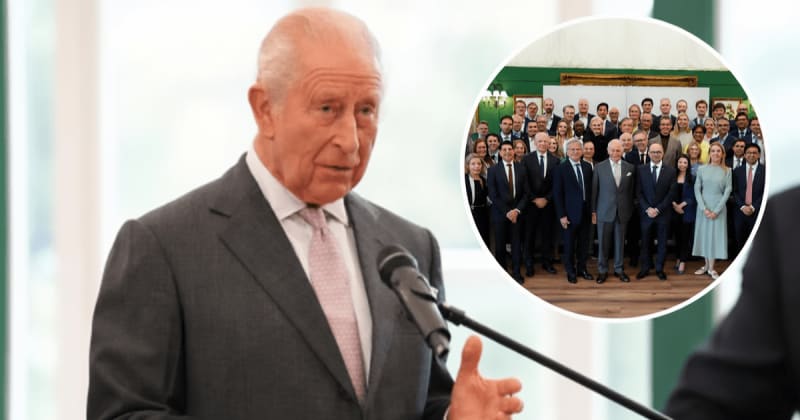
It is particularly notable given King Charles’s own discussions about artificial intelligence at Dumfries House this week. While father and son have very different roles and projects, both have recently been examining the relationship between technological progress and the challenges facing society and the planet. For William, Earthshot is increasingly about turning those conversations into practical solutions. The Prize says its previous finalists are already improving air quality in regions inhabited by around 600 million people. It also reports that 85 million hectares of ocean and coastline and 58 million hectares of land, forests and freshwater systems have been protected, restored or improved through the work of its finalists.
The focus now moves to India, which will host the Earthshot Prize for the first time when the awards arrive in Mumbai this November. A particularly significant city because India has already produced more Earthshot finalists and winners than any other country. Five winners will eventually be chosen, one under each of Earthshot’s five goals. Yet the real significance of the 2026 finalists may not be which five names are called on awards night.
Together, these 15 projects demonstrate how much the definition of environmental innovation is changing. That is increasingly where William’s Earthshot Prize appears to be doubling down: not searching for one miracle technology capable of saving the planet, but finding ideas that are already working and giving them the support to become much bigger. The environmental challenges are enormous, but somewhere in the world, someone may already be building part of the solution.
Six years after William launched Earthshot, its message remains deliberately optimistic.