Prince Harry Says He'd Fight for Britain Again - But What Military Experience Do Other Royals Have?
EXCLUSIVE ANALYSIS: Prince Harry said he would fight for his country over Russia in a new interview, but some questions have remained over the medals in the Royal Family
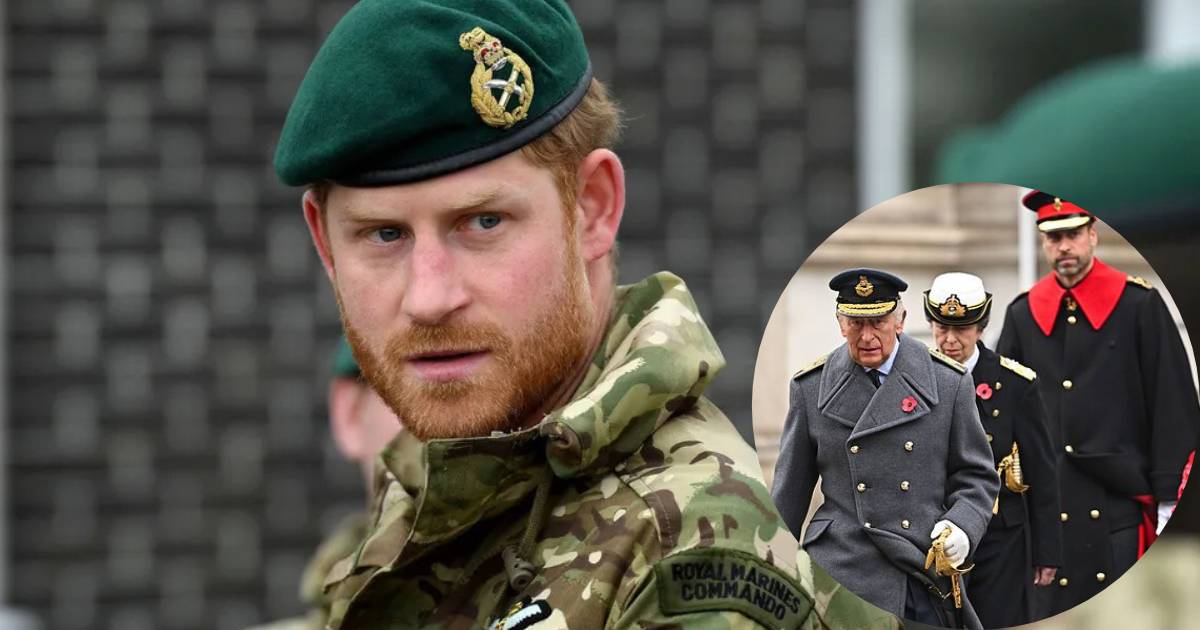


PRINCE Harry revealed that he would fight for his country if Russia declared World War 3.
But since this interview dropped, some people online have joked that the Duke of Sussex is the only royal who properly served - except he isn't!
Prince Harry served in the British Army for 10 years starting in 2005 and ending in 2015, the year his niece Princess Charlotte was born. He impressively reached the rank of Captain, and conducted two operational tours in Afghanistan.
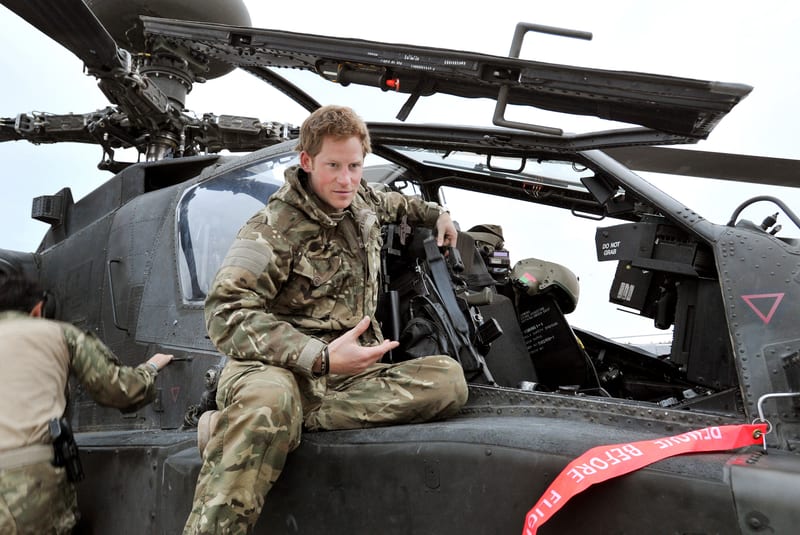
Like his brother Prince William, Harry was trained at Sandhurst and was commissioned into the Blues and Royals in April 2006. Over the course of his military career, he rose to the rank of Captain and proved himself a dedicated soldier through two operational tours of duty in Afghanistan.
During his first deployment to Helmand Province in 2007-2008, he served on the front lines as a forward air controller before a media leak forced an early withdrawal for the safety of his unit. Determined to return to active duty, he retrained as an Army Air Corps pilot and deployed for a second, 20-week tour in 2012-2013, flying dozens of combat and rescue missions as an Apache attack helicopter co-pilot gunner and ultimately earning his qualification as an Apache Aircraft Commander.
But for many going online and calling his family's medals as self awarded, and fake is not only offensive but also shows a lack of understanding, of their individual service ( and service isn't only about actively fighting)
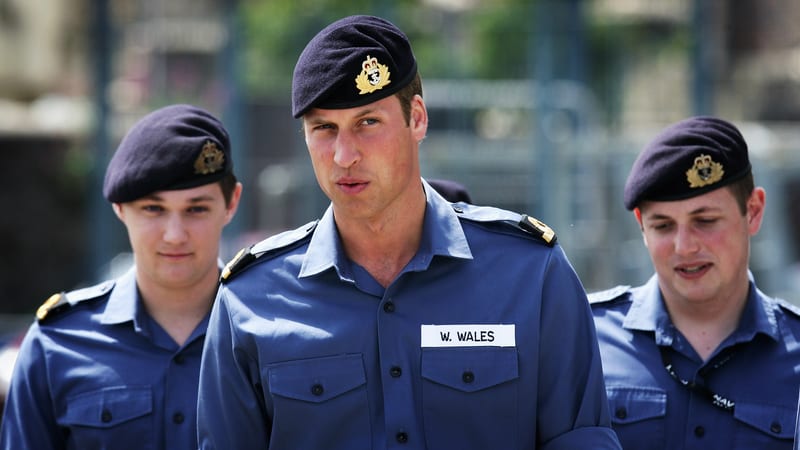
The Prince of Wales
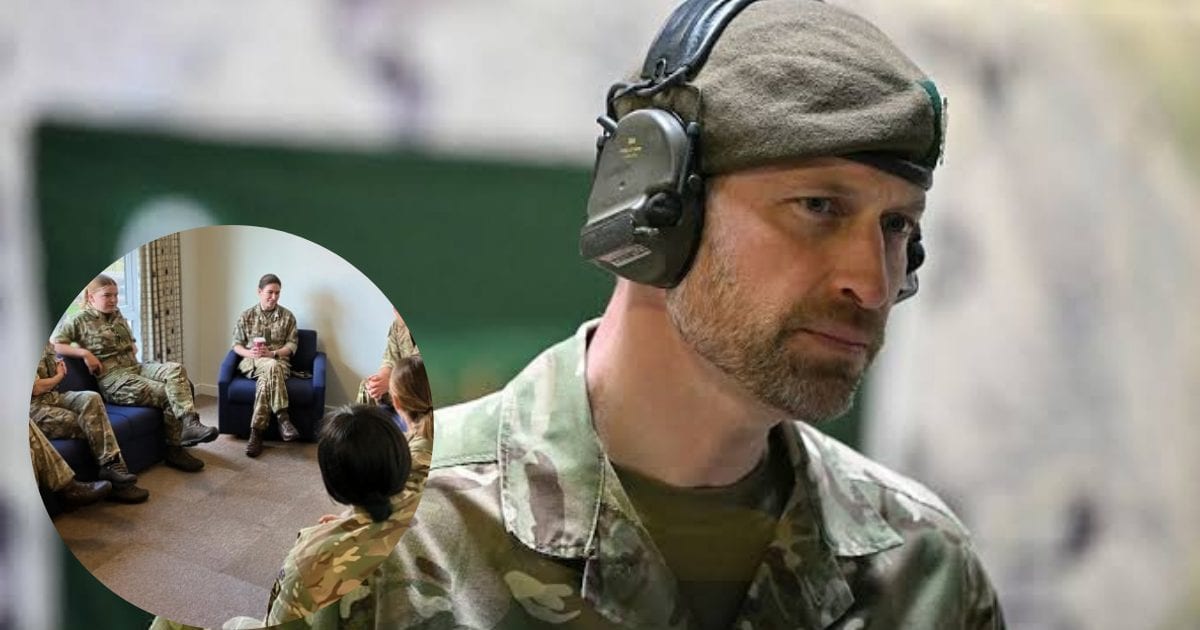
Prince William completed rigorous military training across all three branches of the British Armed Forces, beginning at the Royal Military Academy Sandhurst before he was commissioned into the Blues and Royals in December 2006.
His Royal Highness went on to train with both the Royal Navy and the Royal Air Force, earning his flying wings at RAF Cranwell and qualifying as a search-and-rescue helicopter pilot. While his status as a direct heir to the throne prevented him from deploying to combat zones, his medals and honours are entirely legitimate- reflecting over seven and a half years of active service, official royal jubilees and coronations, and senior chivalric appointments such as the Order of the Garter and Great Master of the Order of the Bath.
During his active military career, William served with distinction as an operational captain in the RAF Search and Rescue Force, stationed at RAF Valley in Anglesey and completing a deployment to the Falkland Islands. Between 2010 and 2013, he flew 156 search-and-rescue operations in treacherous conditions, directly helping to save 149 lives before later continuing his lifesaving work as a pilot with the East Anglian Air Ambulance. He stopped serving to focus on being a full time working royal and settle down with his young family. He continues connections with those he served with.
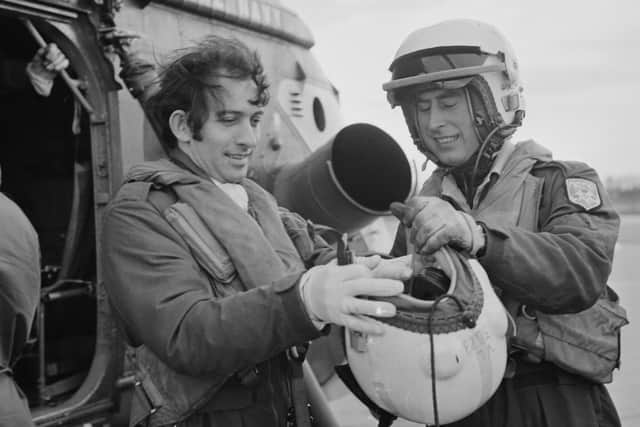
King Charles
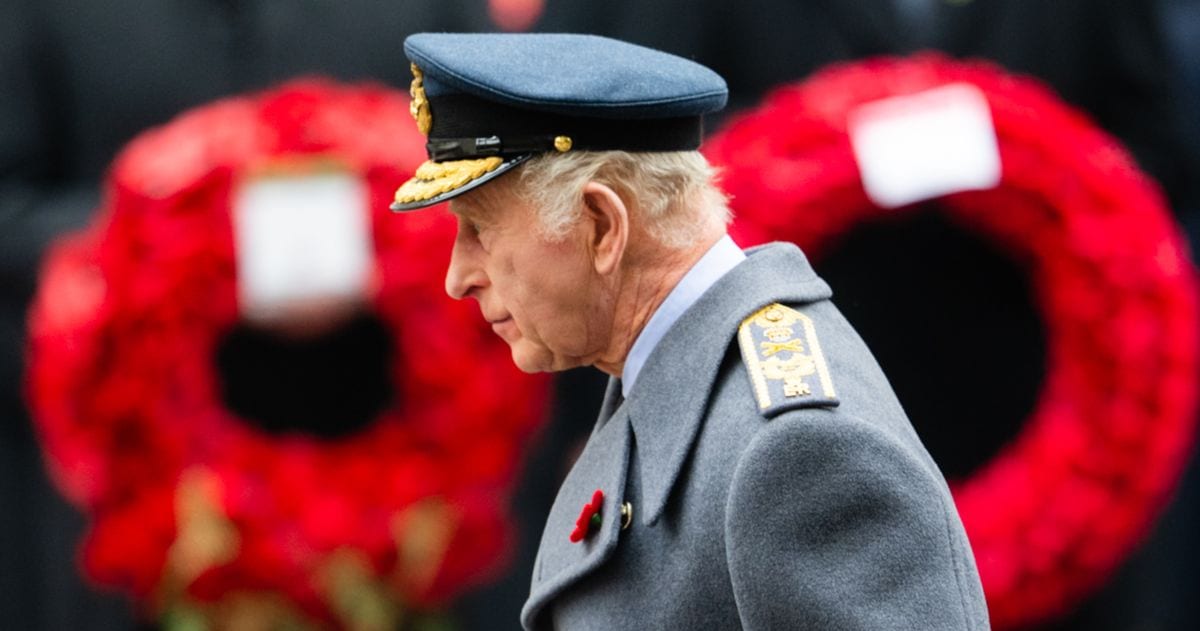
William's father King Charles is also a veteran. The soverign previously underwent extensive military training across the British Armed Forces, starting with the Royal Air Force while at Cambridge University before earning his wings as a fast-jet pilot at RAF Cranwell in 1971.
He subsequently entered the Royal Navy, attending Britannia Royal Naval College Dartmouth and later completing the gruelling Royal Marines All-Arms Commando Course- earning his green beret- as well as the Army's parachute training course to qualify for his wings.
Like his sons, his medals and honours are completely legitimate; while he did not serve in a combat zone, his decorations represent years of active duty, over half a century of public service, Commonwealth military appointments, and official sovereign orders such as the Order of the Garter, Order of the Bath, and Order of Merit.
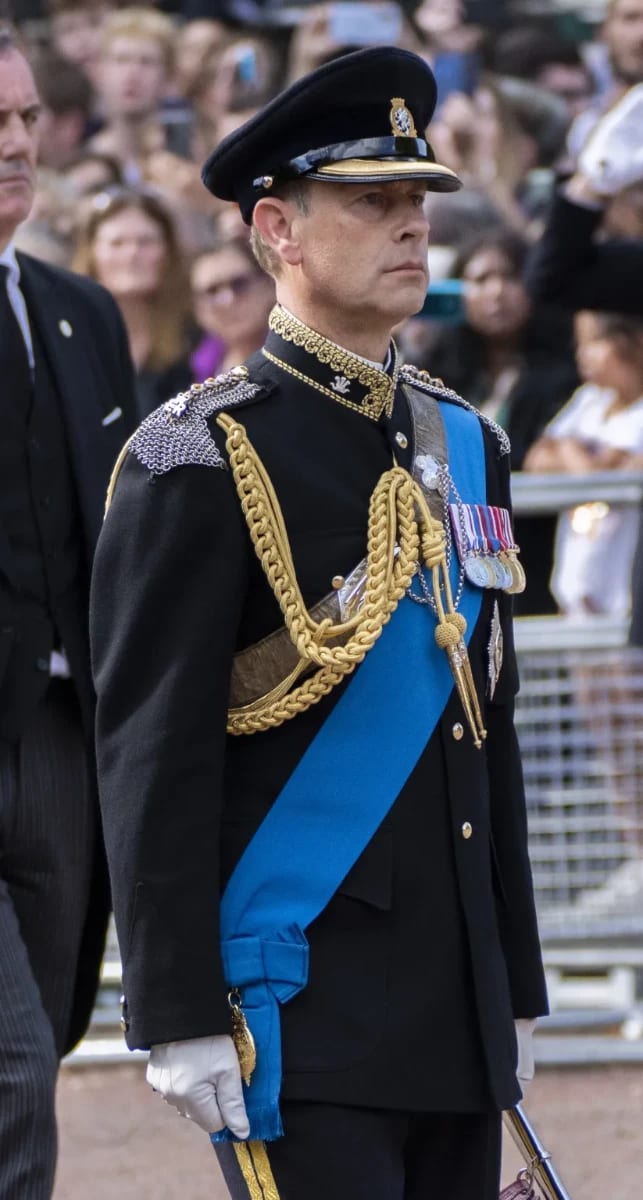
The Duke of Edinburgh
But not all royals have actively served. Unlike his brothers, Prince Edward, Duke of Edinburgh, did not complete a full military career- having withdrawn from the gruelling Royal Marines officer training course in January 1987 after four months to pursue a career in the arts and public service.
Despite leaving training early, he is entitled to wear military uniform on state occasions because, as a senior working royal, he holds several senior honorary military appointments bestowed by the Sovereign including Commodore-in-Chief of the Royal Fleet Auxiliary, Royal Colonel of 2nd Battalion The Rifles, and Colonel-in-Chief of The Royal Dragoon Guards.
In British royal tradition, uniform on ceremonial days represents the regiment or service a working royal is officially affiliated with, rather than always being personal active-duty rank (the same rule that allows Princess Anne to wear the uniform of a Royal Navy Admiral).
Crucially, there is a clear distinction in the medals he wears as Edward does not wear-and would never claim-operational or combat campaign medals such as those earned by his elder brother, the former Prince, Andrew Mountbatten Windsor (who no longer has any military affiliations or titles) who served in the Falklands.
Instead, his medals are entirely legitimate commemorative and dynastic honours reflecting decades of full-time royal duty, including the Queen's Silver, Golden, Diamond, and Platinum Jubilee medals, the King's Coronation Medal, the Canadian Forces Decoration (awarded for long service in his honorary Canadian colonels' roles), and senior chivalric orders such as the Order of the Garter and the Royal Victorian Order.
Regardless of personal opinions and roles, all royals who have served in some way, have played their part in helping the armed forces that the patriarch (The King) is head of as Commander-in-Chief.