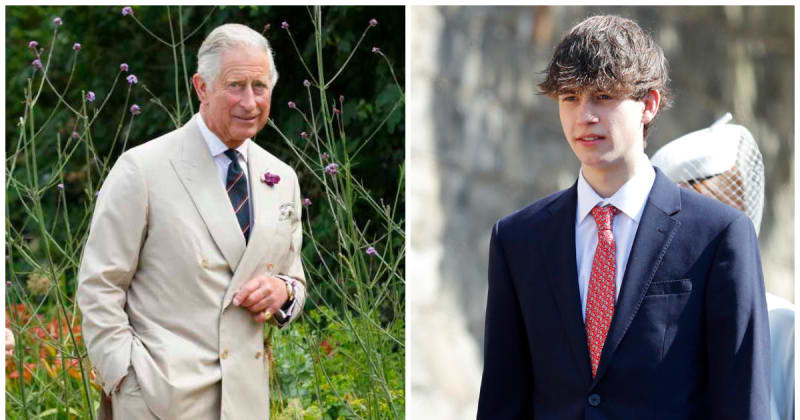
King Charles Seemingly Picks a Side in the Harry-Trump Spat During Congress Address
Weeks after Trump dismissed Prince Harry as someone who "doesn't speak for the UK," the King stood before Congress and said exactly what his son had been saying all along.
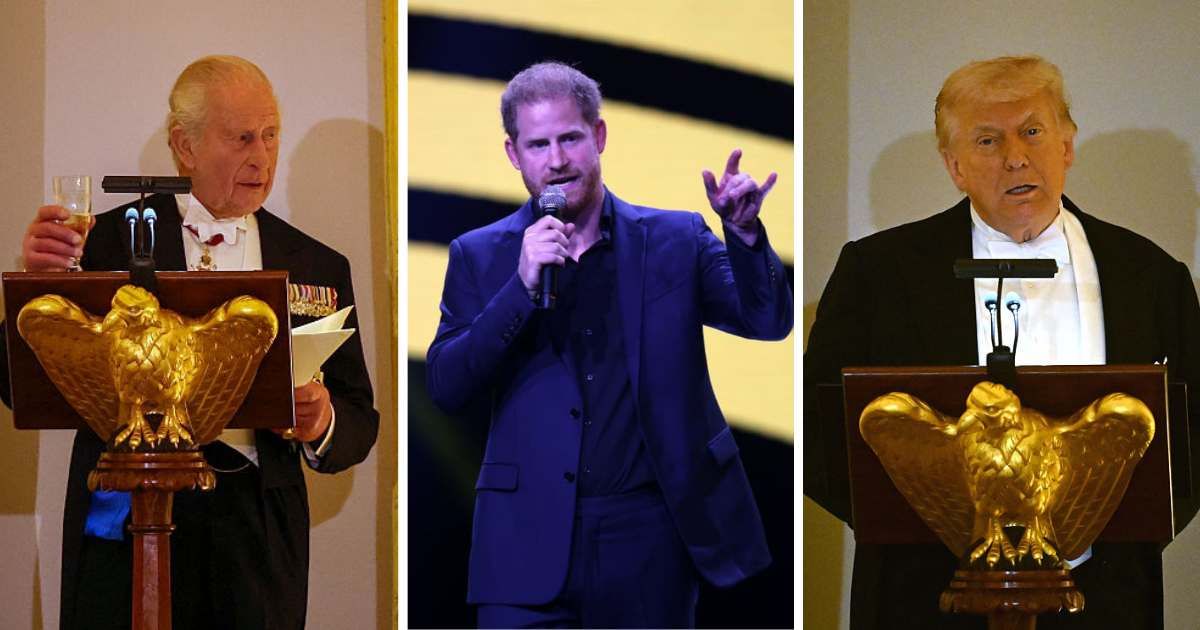


A reigning British monarch addressing both chambers of the United States Congress is rare enough on its own. But when King Charles took the floor on Wednesday, the significance of the occasion went well beyond protocol. In a carefully worded speech that balanced diplomacy with conviction, the King used one of the world's most powerful stages to say something that needed saying — and in doing so, waded into a dispute that has quietly divided his own family.
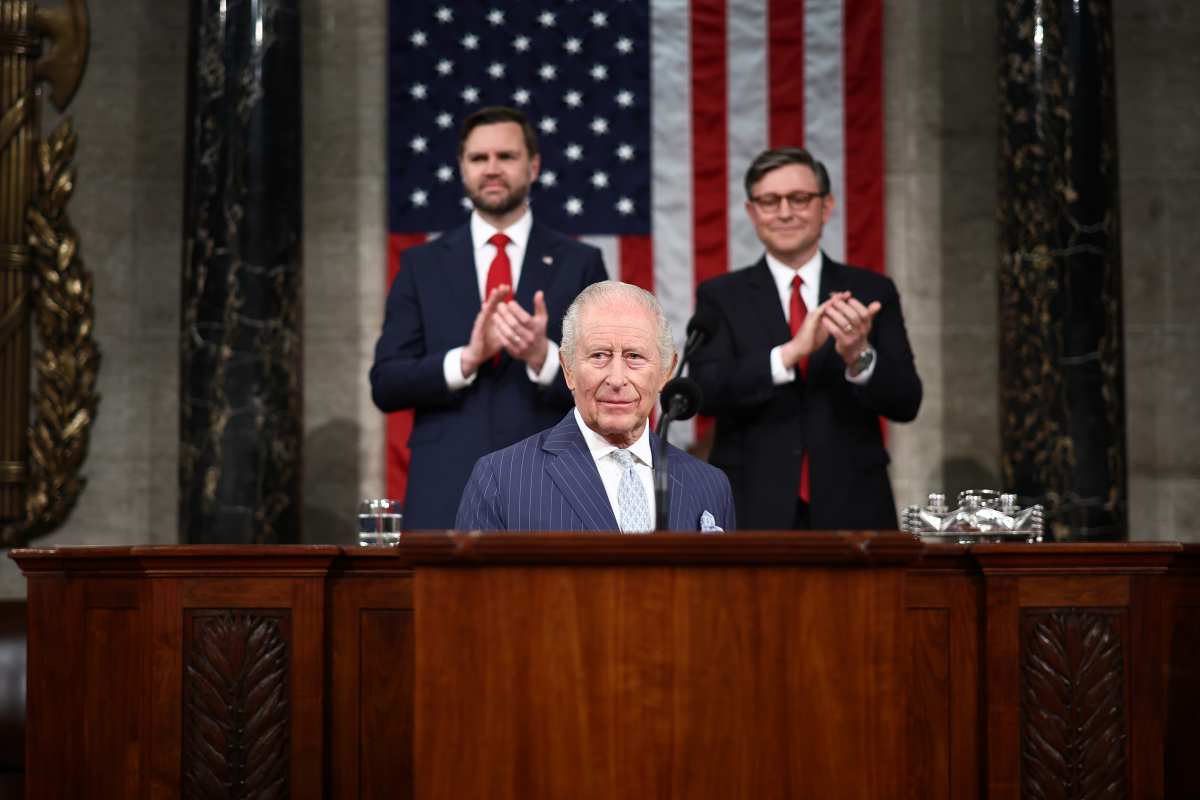
Charles opened by anchoring himself in history, describing the US-UK alliance as "at its heart a story of reconciliation, renewal, and remarkable partnership," and reminding the room that he is "the nineteenth in our line of Sovereigns to study, with daily attention, the affairs of America." It was a quiet way of saying: I know this relationship, and I know what it demands. Then, as diplomatically as the occasion allowed, he turned up the pressure. "America's words carry weight and meaning, as they have since independence," he told Congress. "The actions of this great nation matter even more."
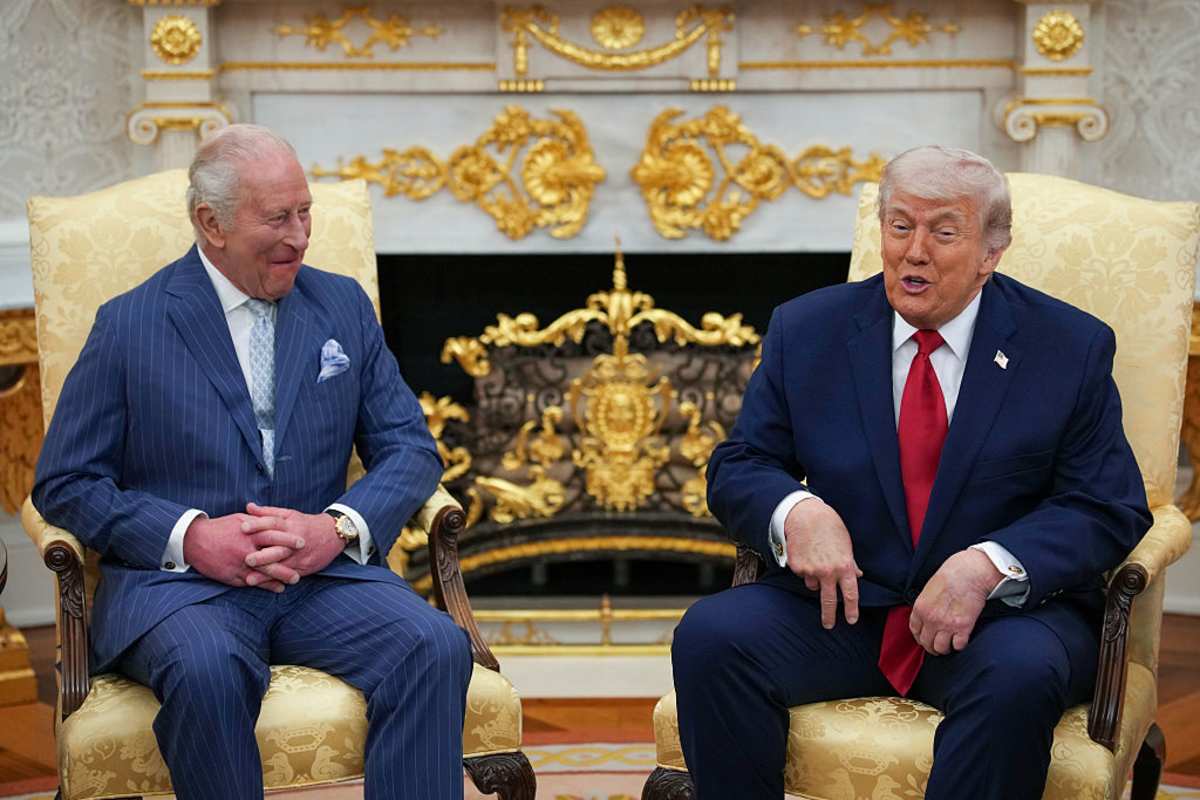
With President Trump back in the White House and the Republican appetite for funding Ukraine's war effort visibly waning, Charles used the occasion to make a direct appeal. The King, who welcomed President Zelensky to Buckingham Palace in March, turned to Speaker Mike Johnson, standing directly behind him, and invoked the world's response to September 11, when allies showed up for America without conditions. "Today, Mr. Speaker, that same unyielding resolve is needed for the defense of Ukraine and her most courageous people."
It was, unmistakably, familiar ground. Just weeks earlier, Prince Harry had stood at the Kyiv Security Forum and made the same argument, telling the room that the US carries a specific responsibility — "not only because of its power, but because when Ukraine gave up nuclear weapons, America was part of the assurance that Ukraine's sovereignty and borders would be respected."
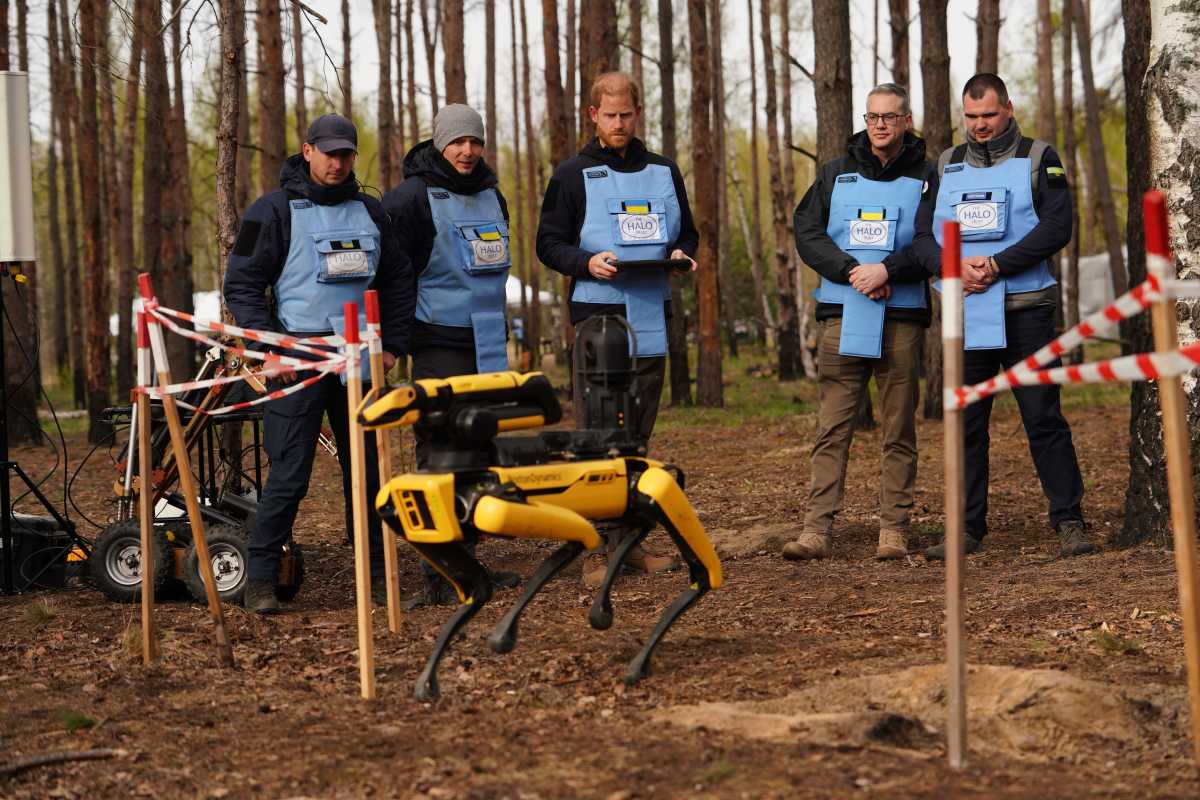
Following which, Trump's response was basically, well, pure Trump. "Prince Harry is not speaking for the UK, that's for sure," he said, before adding with a smirk: "I think I am speaking for the UK more than Prince Harry." He then quipped, "How's he doing? How's his wife?" Harry, for his part, had said, not as a politician but as "a soldier who understands service" and "a humanitarian." He warned that Russia's conduct — including the abduction and resettlement of Ukrainian children — could constitute genocide under international law, and argued that when international guarantees are violated, "the damage does not stop at Ukraine's borders."
Charles, whose commitment to environmentalism stretches back decades before it was fashionable, also used the occasion to slip in another appeal. Without naming names, he urged Washington to find common ground on protecting the natural world — a well-intended message in a room that has spent the past year systematically dismantling the policies designed to do exactly that.