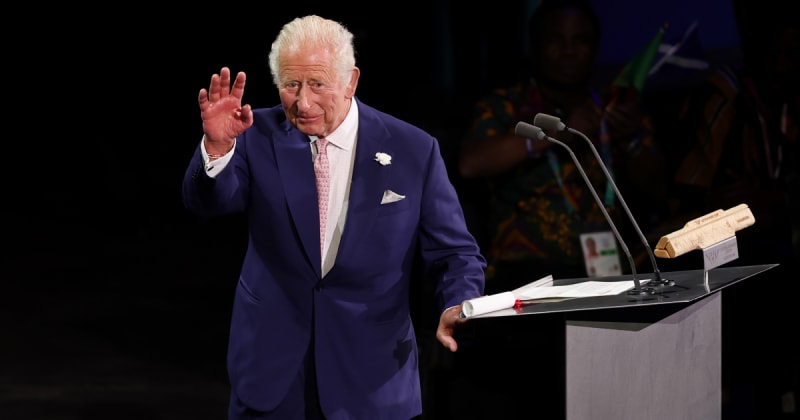
How King Charles Won Over His Harshest Critics During His U.S. Trip
King Charles's addresses to Congress and the state banquet, blending sharp quips with subtle political nuance, earned him his critics' respect.
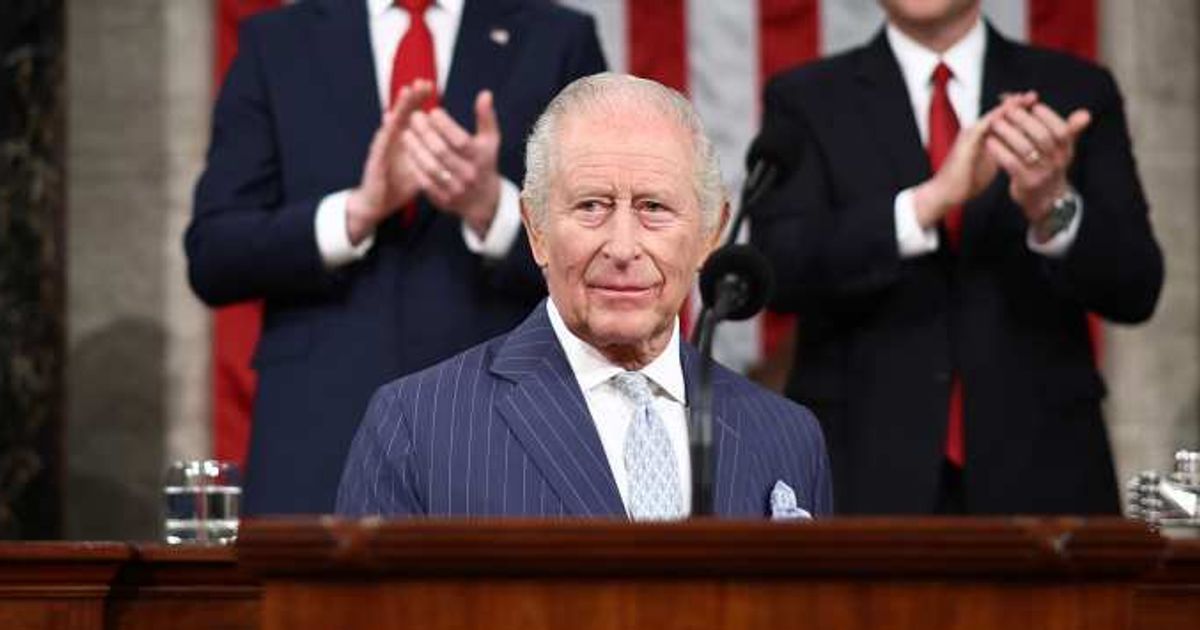


The first few months of the year brought a storm of crass headlines, intense scrutiny, and shameful scandals, casting a dark shadow over the royal family's once polished image. What should have been a steady start instead left the monarchy hanging on the ropes, with King Charles facing most of the heat before finally regaining some footing during the ongoing US state visit. His powerful speeches, blending sharp quips with subtle political nuance, won big laurels even from some of his harshest critics, proving that even after setbacks, his sense of duty remains firmly intact.
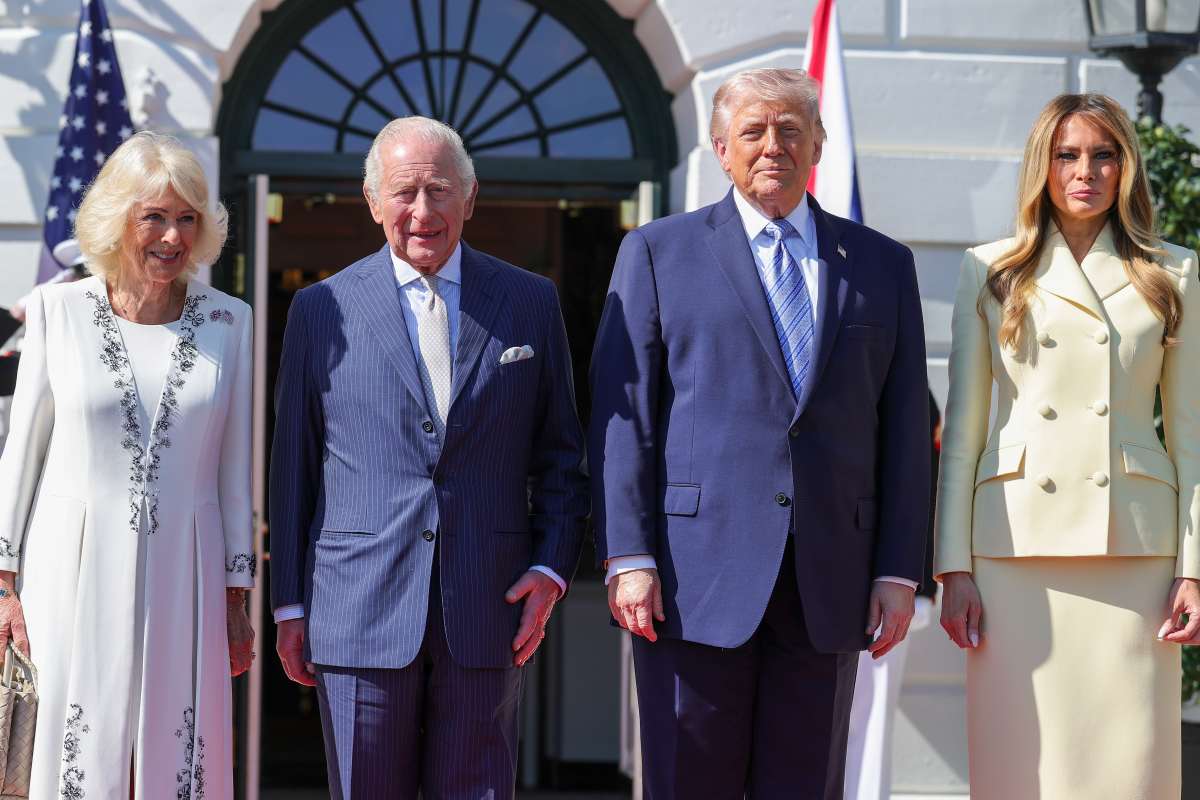
In an interesting analysis for the BBC, royal correspondent Sean Coughlan lifted the curtains on how Charles became the 'underdog,' winning over the otherwise unpredictable President against all expectations. During his state banquet speech, the King joked around, gently pushed back on some points, and also charmed Trump at the same time, while being at his lowest. Sir Anthony Seldon, historian and biographer of prime ministers, praised Charles's wit, describing the US trip as "a state visit for the ages, the most significant since his [Charles's] grandfather George VI's visit in 1939 on the eve of the Second World War."
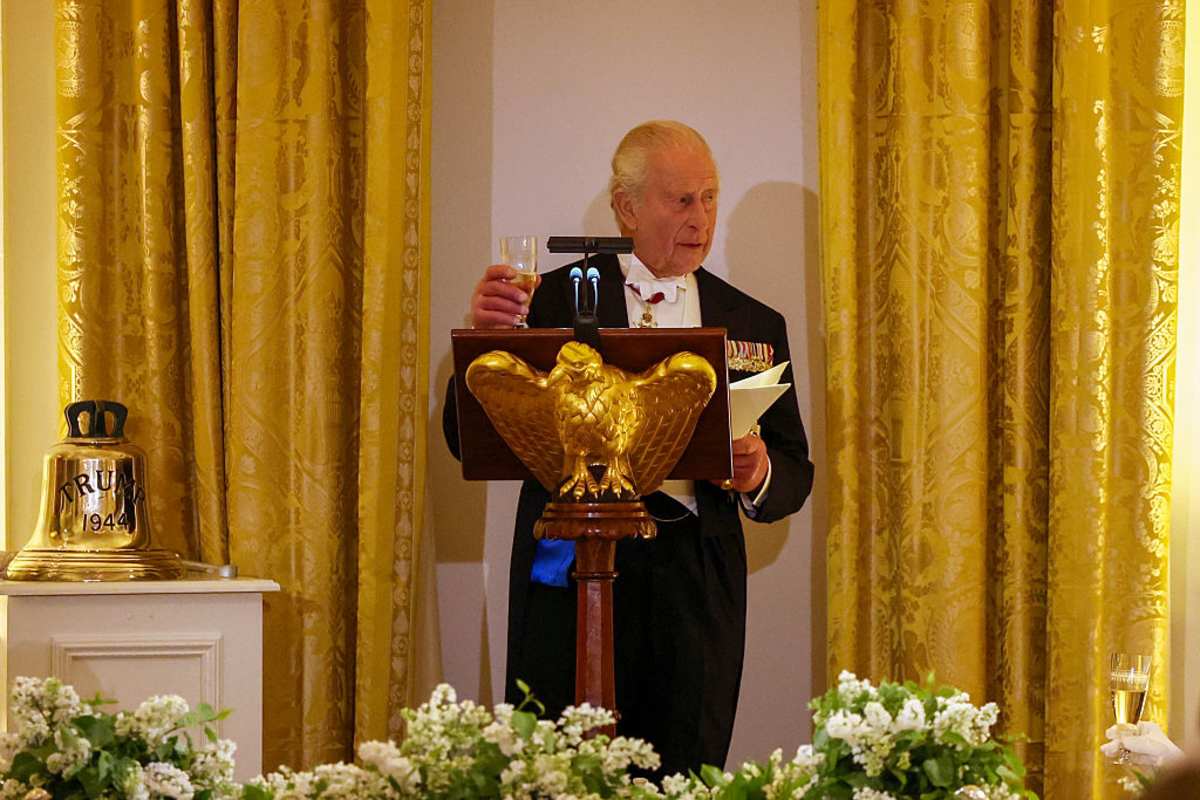
Meanwhile, Coughlan brought his readers' attention to an Ipsos poll, which mentioned how only a third of people thought the state visit would have a positive impact, while fewer than a quarter believed the US and UK truly share a 'special relationship.' Charles proved the naysayers wrong during his address to Congress, where, barely 20 minutes after ditching his printed notes, he had the room erupting in thunderous applause. Senator Lindsey Graham, a staunch conservative Republican, said, "The speech was a terrific combo of wit, humor, history, and appreciation. I believe most members of Congress feel better after the speech than they did before."
Similarly, royal expert Andrew Lownie, credited with exposing many of Andrew Mountbatten-Windsor's scandals, revealed that he was taken aback by the 'brilliant speech.' He argued, "There are fair criticisms to be made of Charles, especially when it comes to how the Crown has dealt with Andrew Mountbatten-Windsor, and it's important that these continue to be made until the necessary reforms are enacted." However, he stressed, "The King's visit is a perfect example of why I am a monarchist despite what my critics might suggest." Perhaps what impressed the UK people was a sense of camaraderie with a monarch standing up for them even after a barrage of criticism from the U.S. President.
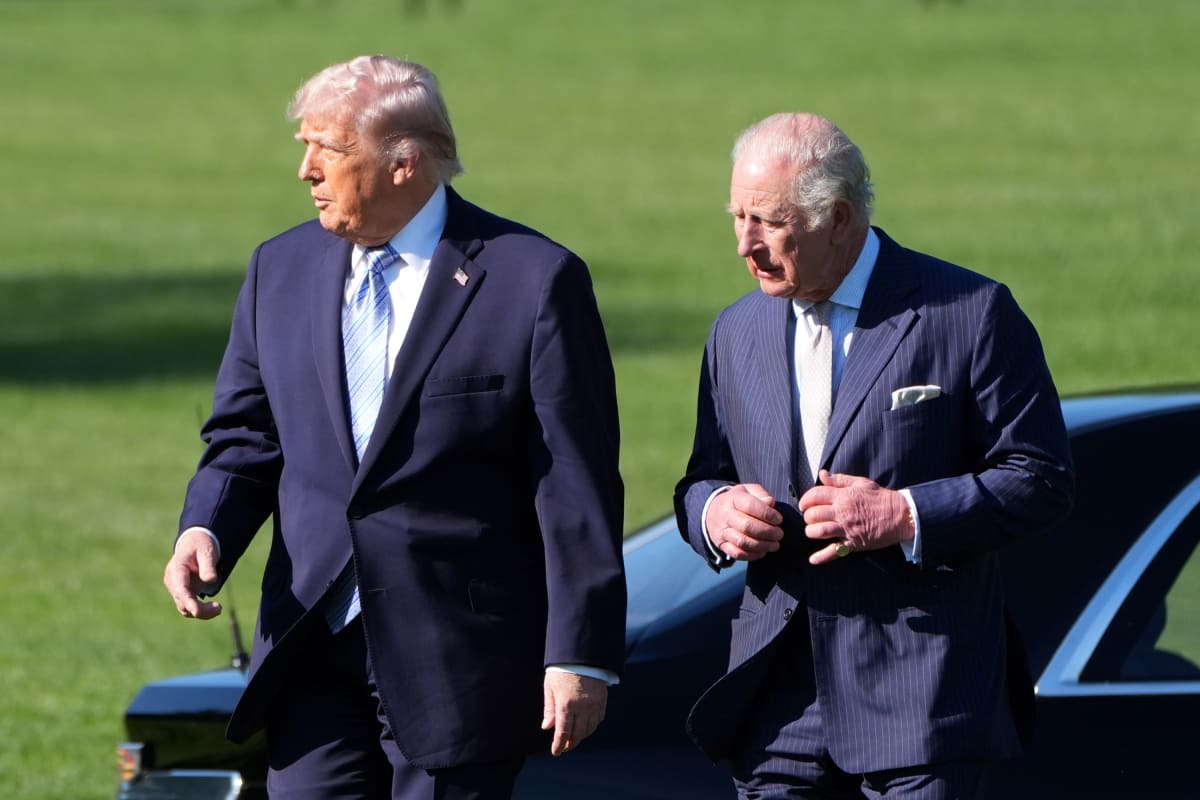
To sum it up, Coughlan argued that the King's sudden popularity might not last long, fading away quickly as a 'holiday romance.' He wrote, "Once he's [Charles] away from the bright lights of the US, he'll be back home to the questions about Andrew, MPs will be digging around his finances, and there will inevitably be more front pages about Prince Harry." Regardless, it's possible that in the future, when people look back at the most successful moments of his reign, they will remember his impactful Congress speech or the time he reduced Trump to stitches.