Andrew's High Court Victory Does Not End Police Investigation — What Happens Next?
EXCLUSIVE ANALYSIS: Andrew Mountbatten-Windsor's search warrants have been quashed, but the investigation remains ongoing.
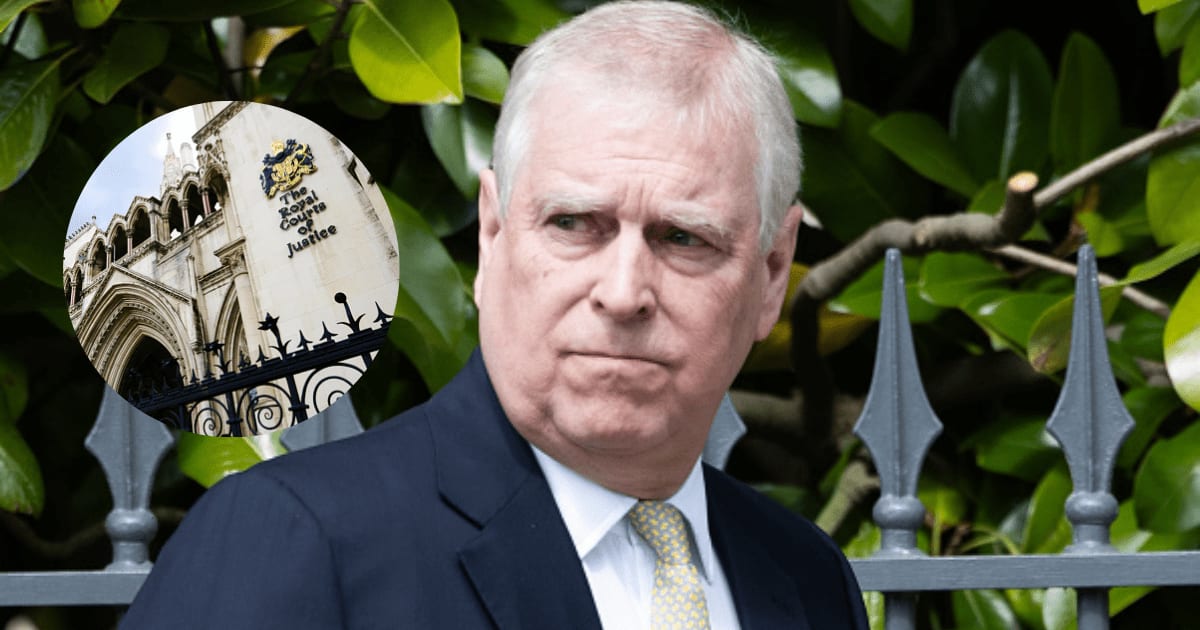


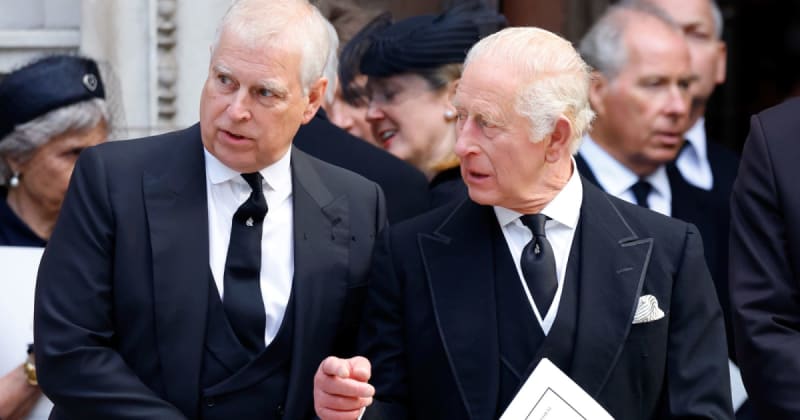
ANDREW Mountbatten-Windsor has secured a significant legal victory after search warrants used by Thames Valley Police to raid his properties were ruled unlawful. But the decision does not end the criminal investigation into the King's younger brother.
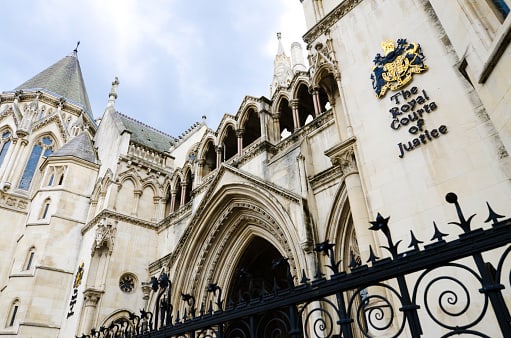
At a High Court hearing on Thursday, October 8, Mr. Justice Hilliard confirmed that Andrew and Thames Valley Police had agreed the warrants used to search his former residence, Royal Lodge in Windsor, and his accommodation on the Sandringham Estate had not been lawfully issued.
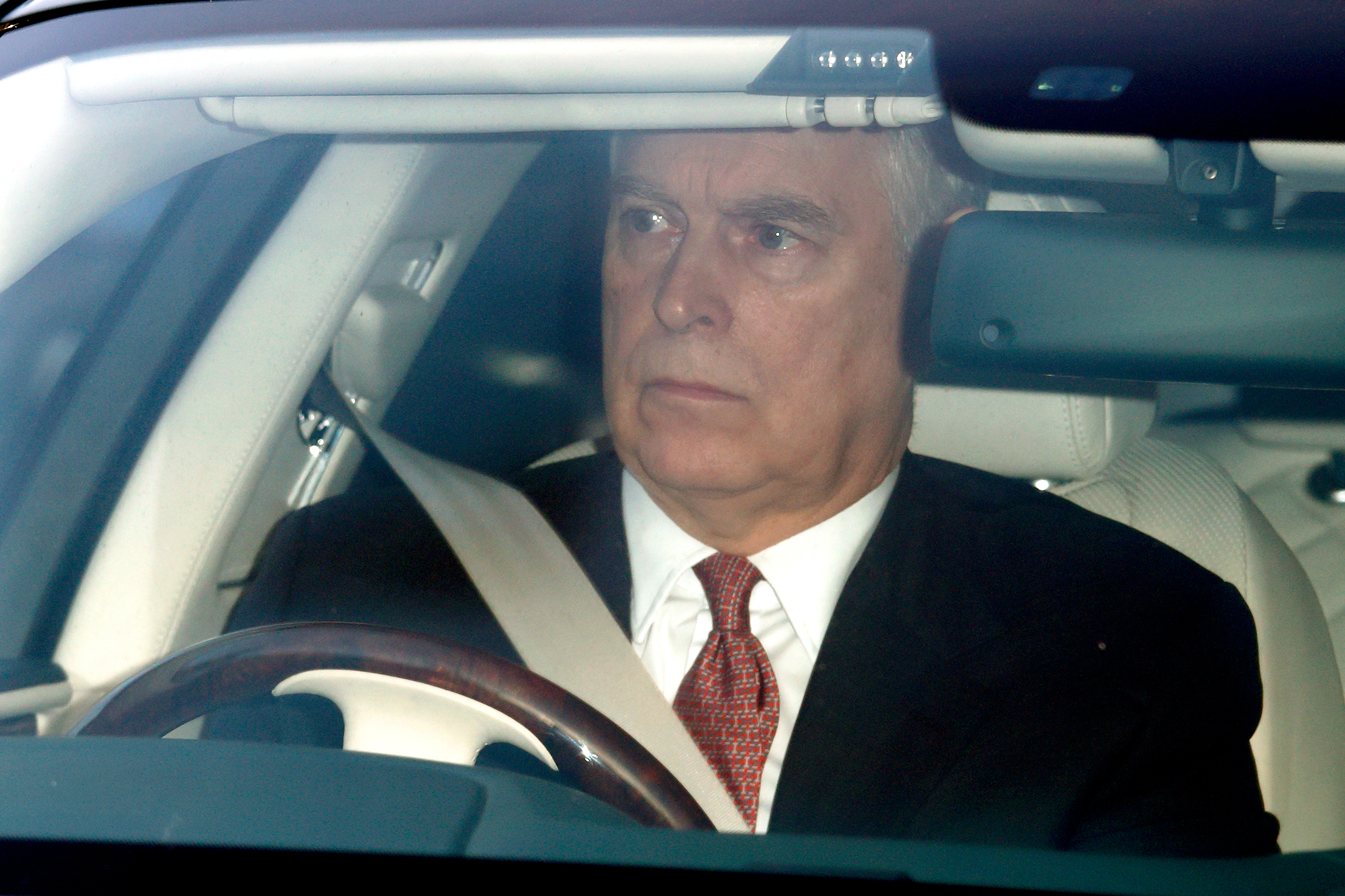
The warrants were obtained in February, shortly before Andrew was arrested on suspicion of misconduct in public office over allegations concerning information allegedly shared with convicted sex offender Jeffrey Epstein during his time as a UK trade envoy. Andrew, 66, was questioned and released under investigation. He has not been charged and has consistently denied any wrongdoing.
The dispute concerns the legal powers under which the warrants were granted by the Central Criminal Court. Police had applied under provisions of the Police and Criminal Evidence Act 1984, but the court authorized the searches under a provision subsequently found to be incorrect.
Thames Valley Police accepted that the warrants should be quashed, although the force maintained that it had provided the original court with the necessary information and followed the appropriate application process. In a statement, they said: "We accept the position that the initial court's decision to issue warrants under the specific piece of legislation used was incorrect and therefore these must be legally quashed." However, the High Court made clear that the decision concerned the lawfulness of the search warrants rather than the allegations being investigated.
Mr Justice Hilliard stated: "The fact that the search warrants were quashed does not bring the investigation to an end or mean that the whole of the investigation is unlawful."
For Andrew, the ruling establishes that the searches were not authorized under the correct legal provision. It does not amount to an acquittal, determine whether any alleged misconduct occurred or prevent detectives from continuing their enquiries.
The next stage concerns documents and electronic devices seized during the searches. Thames Valley Police is seeking legal permission to retain material it believes may be relevant to its investigation, while Andrew is opposing that application.
The material has not automatically been returned following the decision to quash the warrants. Instead, the High Court must consider whether the police can lawfully retain it under alternative statutory powers, which carry additional safeguards.
A further hearing is expected in 2027, meaning the dispute over the seized material could continue for several more months. If the court permits police to retain relevant material, detectives may be able to continue examining it as part of their enquiries. If permission is refused, the force could face restrictions on what it can retain or use. Neither outcome has yet been determined.
Thames Valley Police confirmed that its investigation remains active, saying it continues to pursue all reasonable lines of enquiry. Their investigation concerns allegations arising from documents released by the US Department of Justice relating to Epstein, including suspicions that Andrew shared confidential information while serving as Britain's special representative for international trade and investment.
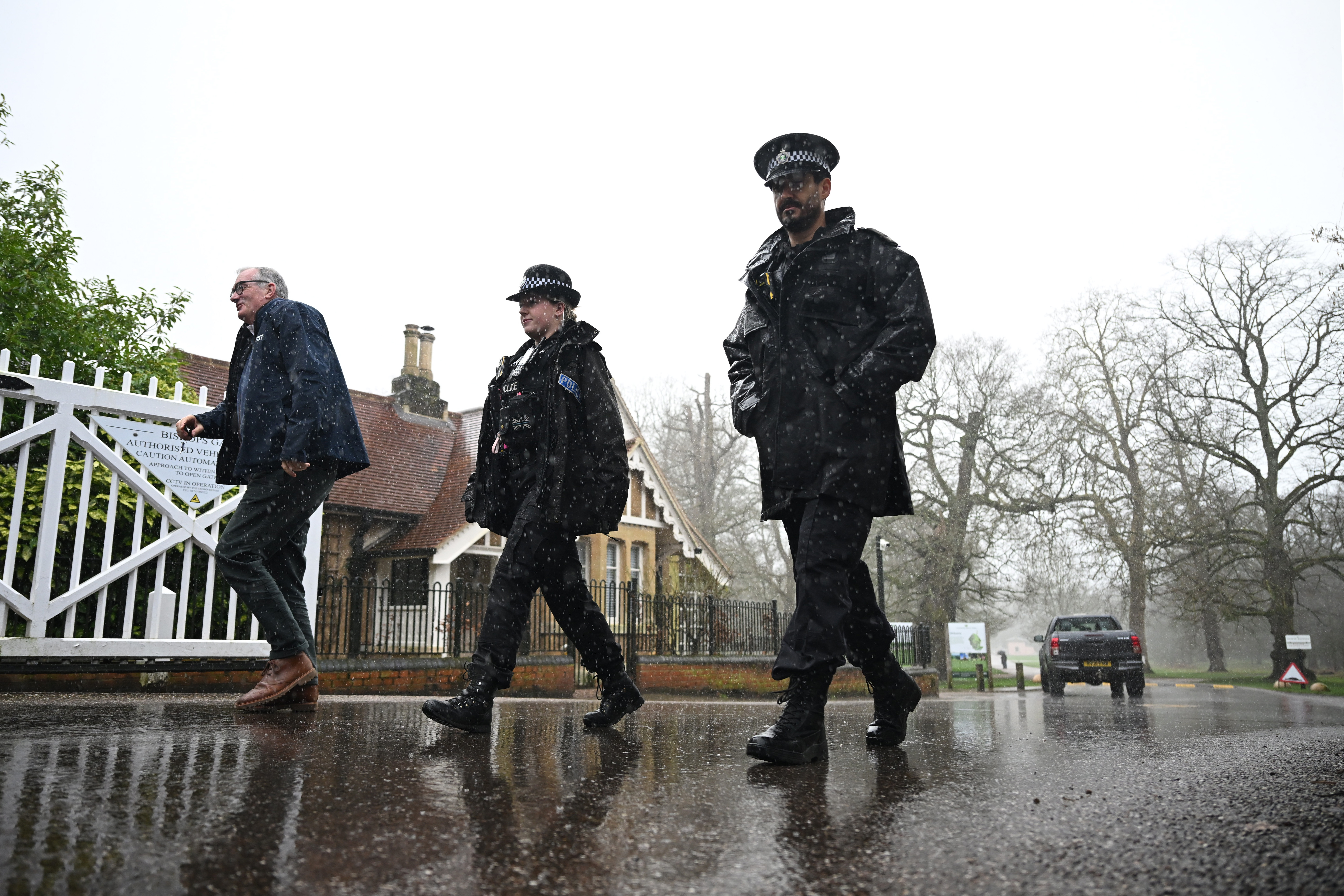
The developments come as Andrew's departure from Royal Lodge has also been formally completed.
According to the Daily Mail's Royal Editor Rebecca English, Andrew has surrendered the lease more than 50 years early and paid £1.8 million ($2.3 million) in dilapidation costs. After compensation due under the lease, the Crown Estate has reportedly received a net payment of approximately £1.5 million ($1.98 million). The Crown Estate is now considering the property's future use after Andrew relocated to King Charles's Sandringham Estate earlier this year.
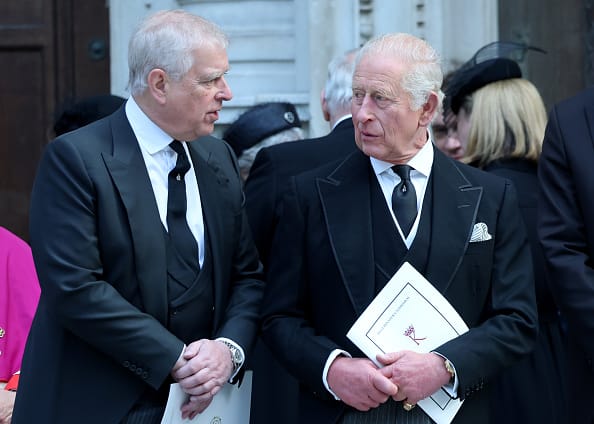
Although the two developments have attracted attention within days of each other, the surrender of Royal Lodge is separate from the High Court proceedings and has no bearing on whether Andrew committed any criminal offence.
Meanwhile, Buckingham Palace has maintained its distance from Andrew's legal strategy. Earlier this week, it emerged that the King's private financial support for his brother was not to be used to fund his challenge against Thames Valley Police.
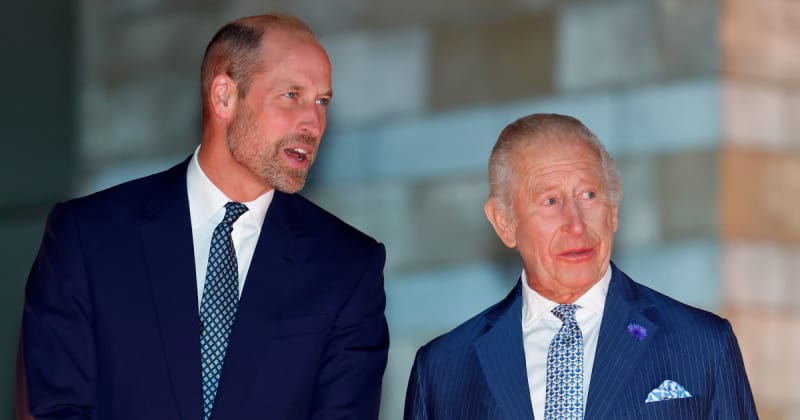
Following Andrew's arrest in February, Charles publicly called for a "full, fair and proper process" and pledged the Royal Family's "wholehearted support and co-operation" with the authorities. He also declared: "The law must take its course."
The High Court proceedings form part of that legal process, allowing Andrew to challenge the powers used by investigators while permitting police to seek lawful authority to retain evidence.
For now, Andrew remains under investigation and has not been charged. The High Court has resolved the question of whether the original warrants were lawful, but the status of the seized material remains undecided.