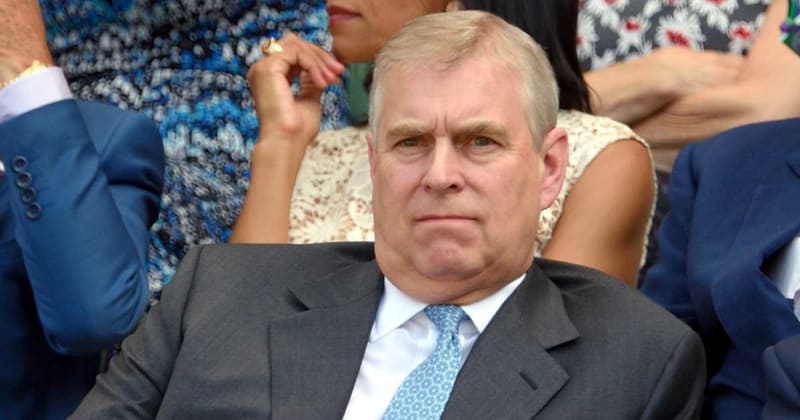
Ex-Prince Andrew Could Get Into More Trouble With Release of Future Epstein Files: Expert
Newly mandated U.S. court filings linked to Jeffrey Epstein could reopen scrutiny on the former Duke of York’s past.
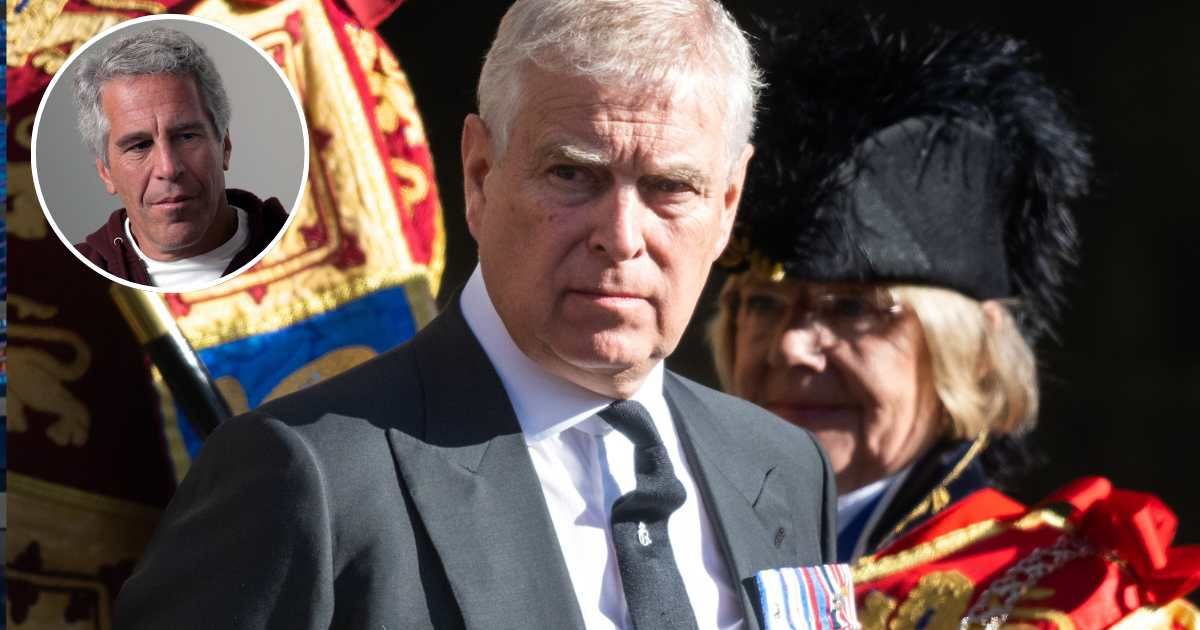


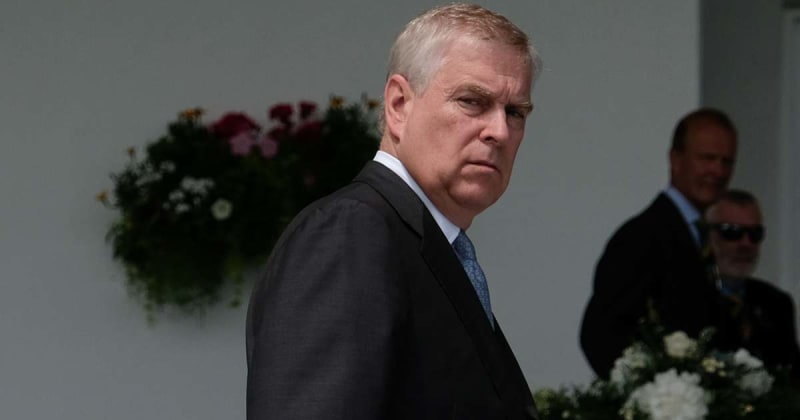
With the clock ticking on the release of potentially explosive Epstein-related documents, that uneasy suspension within the royal family may finally be nearing its end. Future disclosures, experts warn, could reopen wounds the monarchy has tried desperately to cauterize. Historian and royal biographer Andrew Lownie, author of Entitled: The Rise and Fall of the House of York, says the real reckoning may still be ahead. With the Epstein Files Transparency Act mandating that the US Department of Justice release further case materials by December 19, the D-day for Andrew Mountbatten-Windsor might be nearing.
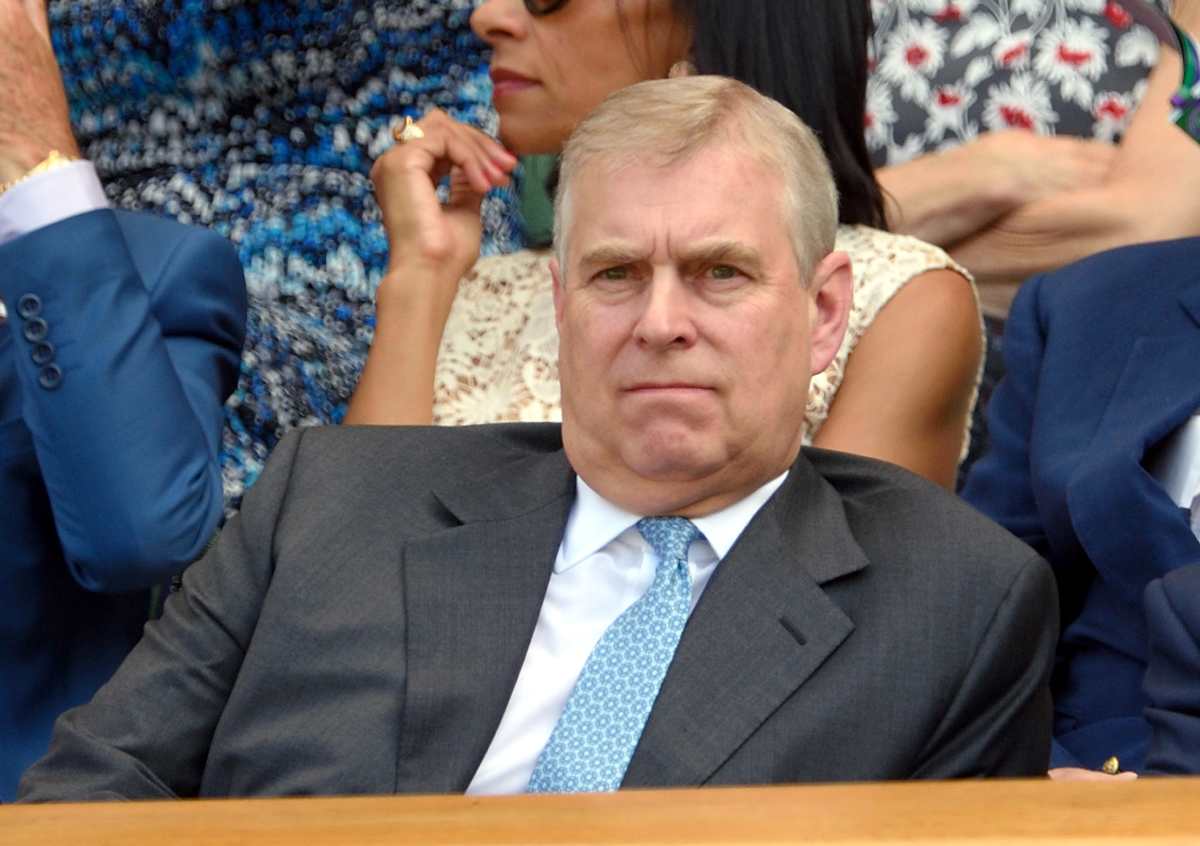
In an interview with USA Today, Lownie cautioned, "We don't know. I understand there is a lot of material on him…We've already seen quite a few revelations-particularly the length of his association with Epstein." Even the apparent clarity of Mountbatten-Windsor's physical ejection from royal property seems less conclusive behind closed doors than it does in headlines. Though he has been ordered to move out of Royal Lodge within the year, Lownie says that the Duke is resisting the move, citing what he insists is a "cast-iron lease," while seeking other accommodation on the Sandringham estate-- with staff and security. Lownie says, "What's been said in public and actually what's happening in private are two very different things."
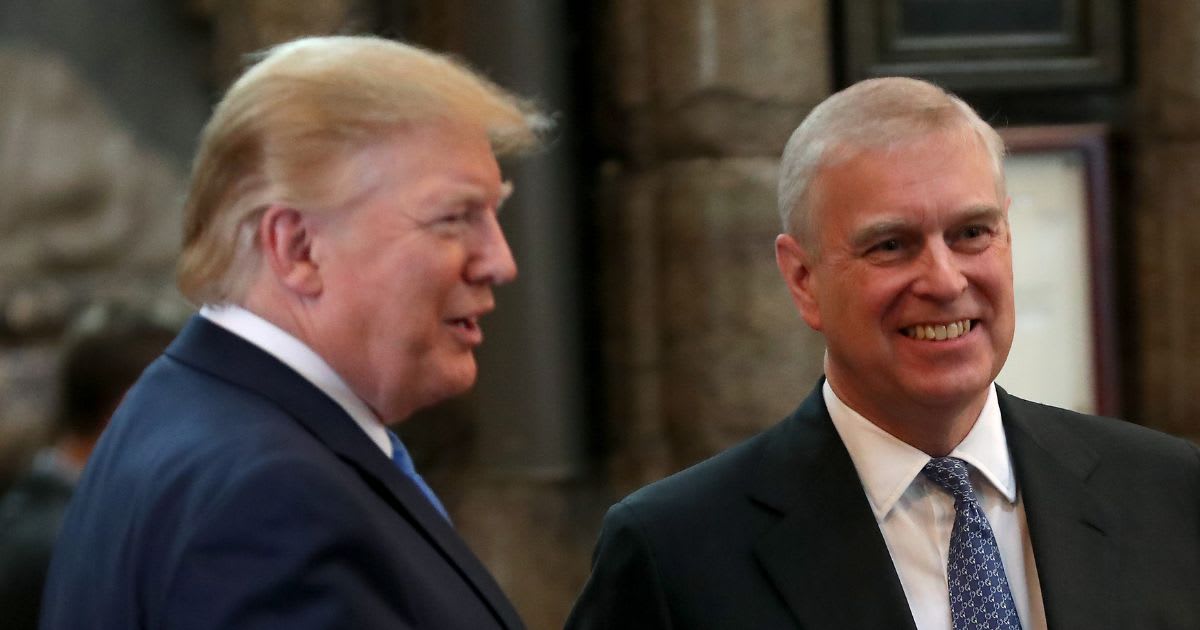
The reach of the scandal also cuts across powerful figures well beyond the palace gates. Lownie places Mountbatten-Windsor at Donald Trump’s Mar-a-Lago as early as February 2000, in the company of Epstein and Ghislaine Maxwell. The two men, he says, shared common ground. “They have three common interests: women, golf, and making money,” he said, adding that the former prince was once tasked with overseeing Trump on a state visit — despite the current president later claiming not to know him.
The uncomfortable truth, argues Lownie, is that there were concerns about Mountbatten-Windsor at the very highest level years before the public scandal exploded. In 2015, three officials reportedly submitted written warnings to the Queen's office. Lownie believes she was fully aware. "The Queen was very well informed," he says. "She just had this complete blind spot."
Lownie says the future king understands the reputational danger his uncle poses, particularly as public attitudes shift toward holding elites to account. The distance between uncle and nephew has been visible for years, including at public family events. Behind the scenes, Lownie says, William would have been briefed in detail as heir to the throne. For all the palace maneuvering, the legal risks remain very real. Mountbatten-Windsor no longer has royal protection, something Lownie terms as being "cut loose" to limit institutional damage in case charges are filed.

Even though trafficking allegations investigated in the past were dropped, he believes they could be revisited. Financial misconduct presents another danger, particularly claims that Mountbatten-Windsor sought and misused information to discredit Virginia Giuffre. That, Lownie says, may fall under misconduct in public office with serious penalties.
Whether the former Duke ever faces formal charges remains to be seen. Lownie doubts a prison sentence is likely, suggesting instead that, were the pressure to become too much, he could slip abroad, as Spain's former king Juan Carlos has done. "There is no extradition treaty between Bahrain and Britain," he says.