Ex-Police Officer Recalls Incident When Andrew Proved He Just Wanted to Be ‘Where the Action Was’
Andrew repeatedly tried to breach the police cordon, seemingly determined to swap his front-row seat for a spot on the front lines.
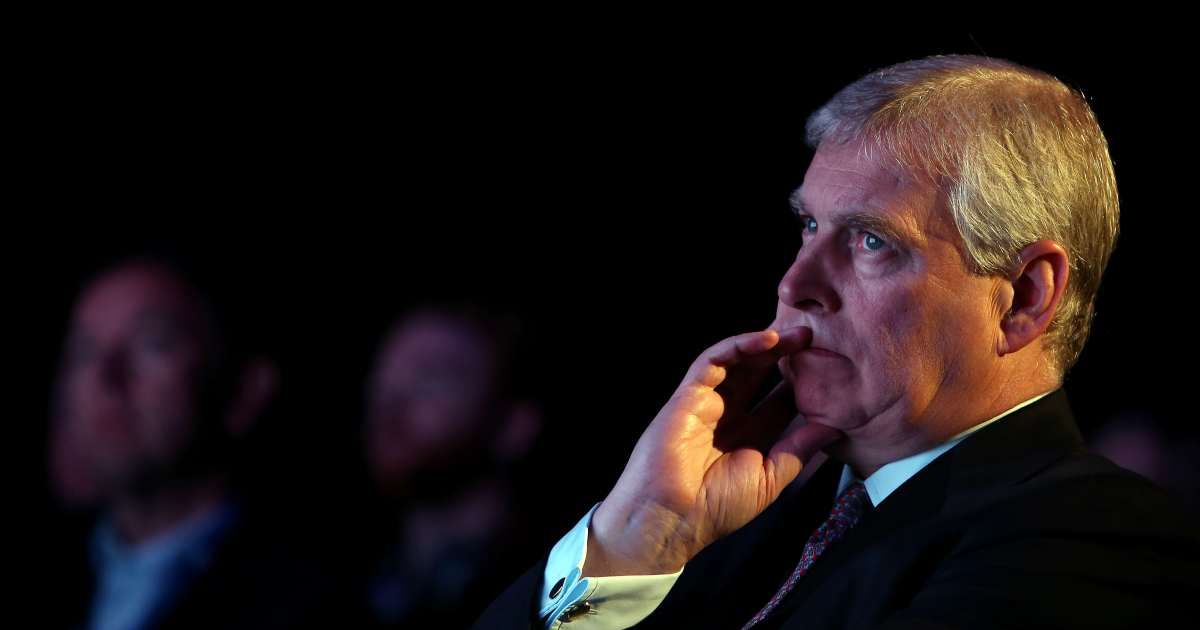


At the height of the 1980 Iranian Embassy Siege, while SAS snipers were taking their positions and negotiators were pleading for the lives of 26 hostages, an unexpected distraction arrived at the police command. Twenty-year-old Andrew Mountbatten-Windsor — who at the time was second in line to the throne — had sent a request for lunch. New details from Ben Macintyre’s book, The Siege, reveal that the former Prince was so intrigued by the live television coverage of the crisis that he repeatedly tried to insert himself into the police perimeter. He was allegedly determined to be “where the action was,” resulting in a tense standoff between the Palace and Scotland Yard.
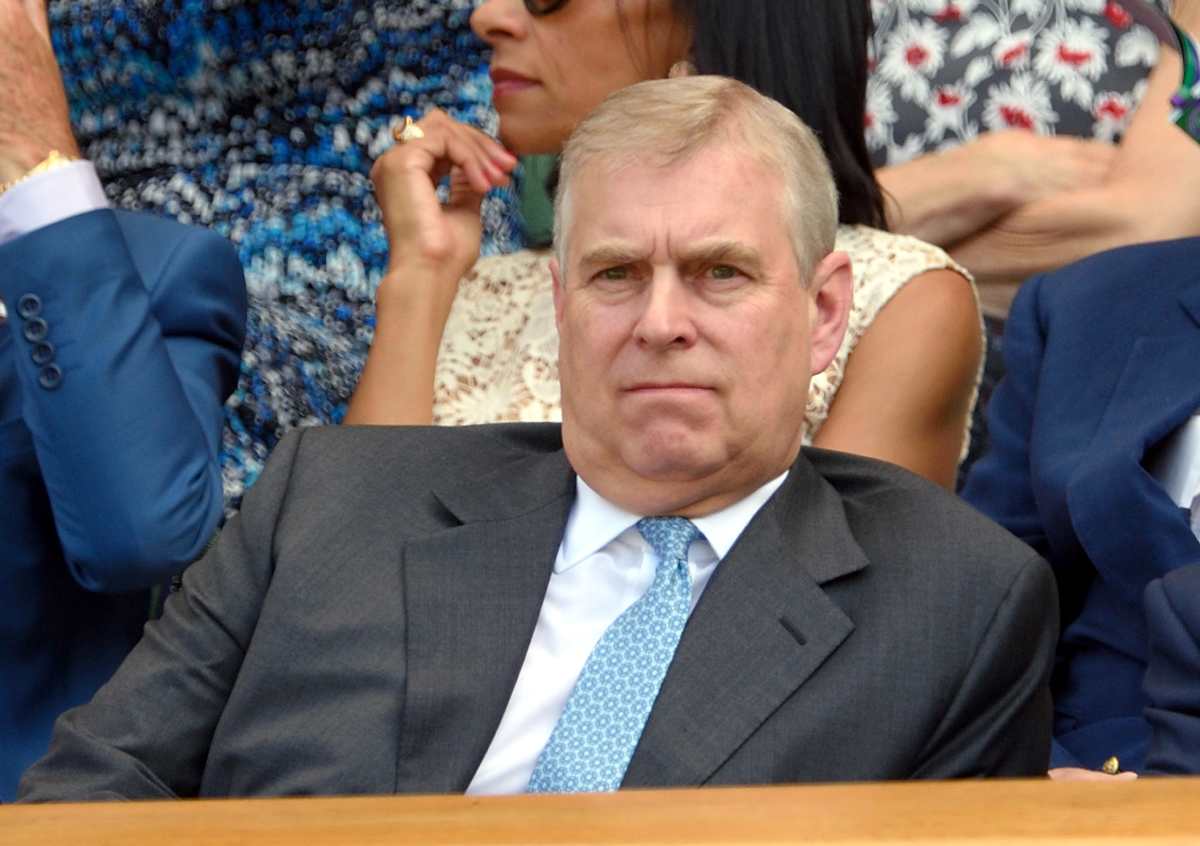
By the fifth day at Princess Gate, the situation had reached a breaking point, marked by the murder of a hostage whose body was left on the embassy steps. At this critical juncture, Inspector Peter Prentice of the Royal Protection Unit contacted 'Zulu control' — the command hub for the entire operation. His call wasn’t about the tactical assault or the snipers in position; Prentice had a specific update to deliver regarding the movements of the young Mountbatten-Windsor. The inspector explained that the Prince “would like to come to lunch.” Given the sensitivity of the situation, the request was immediately shot down by John Dellow, the Scotland Yard commander overseeing the operation. Dellow then attempted to pass the matter to then-Commissioner David McNee, but the young royal reportedly had no interest in official channels — he wanted the front lines.
Andrew’s persistence apparently knew no bounds. Just an hour after his initial request was denied, a second, more daring proposal was sent to the police. “Prince Andrew had not given up,” Macintyre recounts, noting, “It was suggested on his behalf that he could attend incognito.” The idea of a Prince wandering through a live counter-terrorism zone in disguise was met with disbelief by senior officers, who then labeled the proposal as “absurd, an unnecessary distraction, and pointless.” The reaction from Commander Dellow was effectively a “two-fingered salute to the Palace.” Refusing to compromise the safety of his team or the hostages, he established a clear boundary.
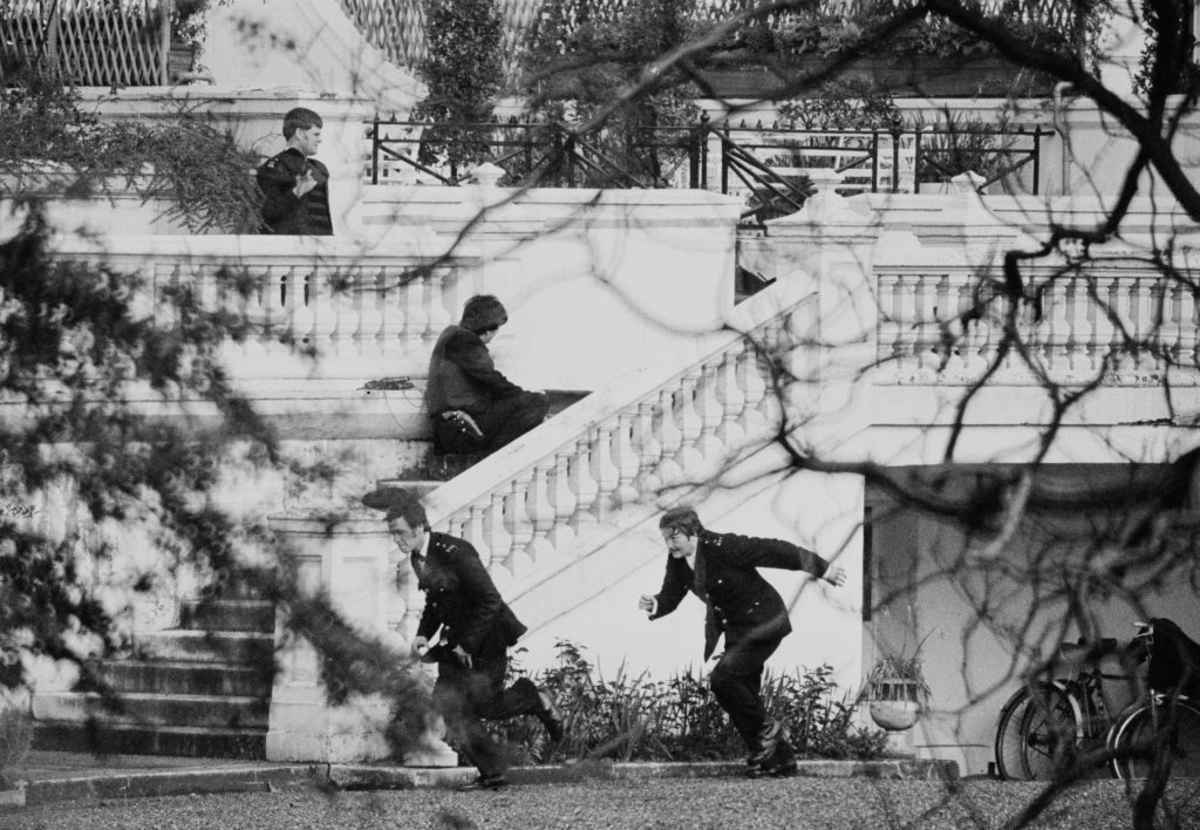
Dellow ruled that “HRH would be informed as soon as the operation was complete so that he could attend if he so wished....one hour after its conclusion.” By doing so, the commander ensured that Mountbatten-Windsor’s desire for a front row seat wouldn’t interfere with the life-and-death reality of the siege’s final moments.

The former Prince finally got his wish at 19:55 on Day Six — arriving only after the SAS had stormed the building and killed five of the six gunmen. By the time Mountbatten-Windsor arrived, the smoke was still clearing and the air — according to one Cabinet official — was “thick with testosterone.” The soldiers were in the middle of a post-operation celebration, looking every bit the part. “Most of them appeared to have slightly ginger hair and moustaches and bottles of beer in their hands,” the official concluded.