Charles and William Distance Themselves from the Clintons — And Meghan May Be Part of the Reason
For Bill and Hillary Clinton, the latest casualty is one they may not have seen coming: their relationship with the royal family is now close to non-existent.
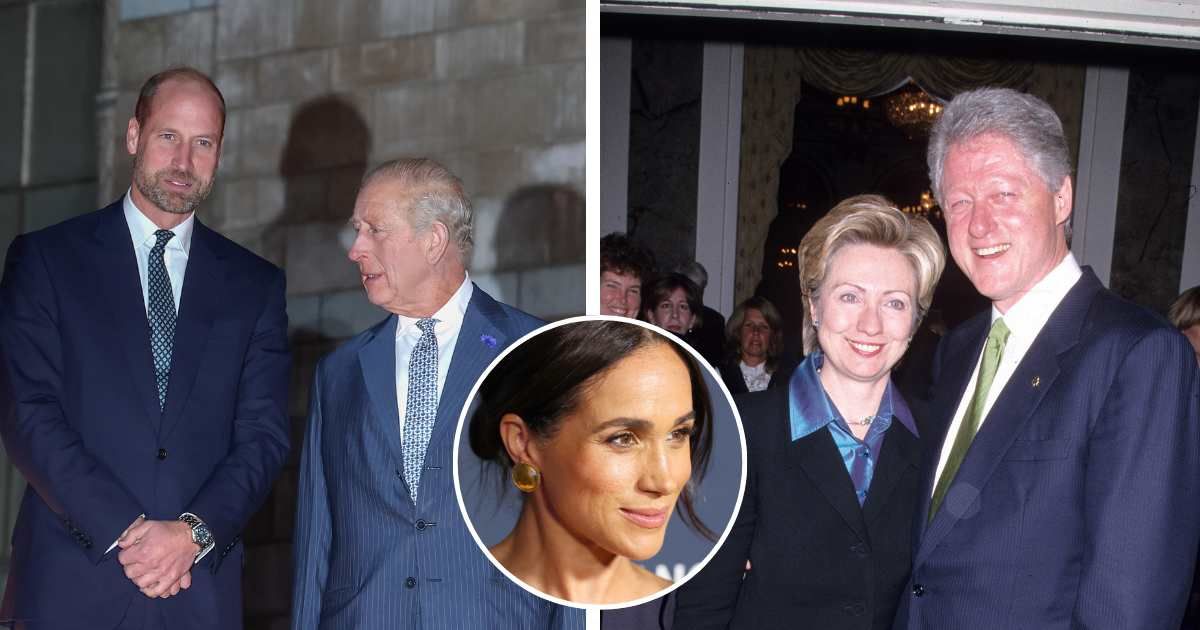


Political power has a shelf life. Influence, connections, a carefully curated network of the world's most important people—but all of it can evaporate with surprising speed once the circumstances change. For Bill and Hillary Clinton, the latest casualty is one they may not have seen coming: their relationship with the royal family is now close to non-existent.
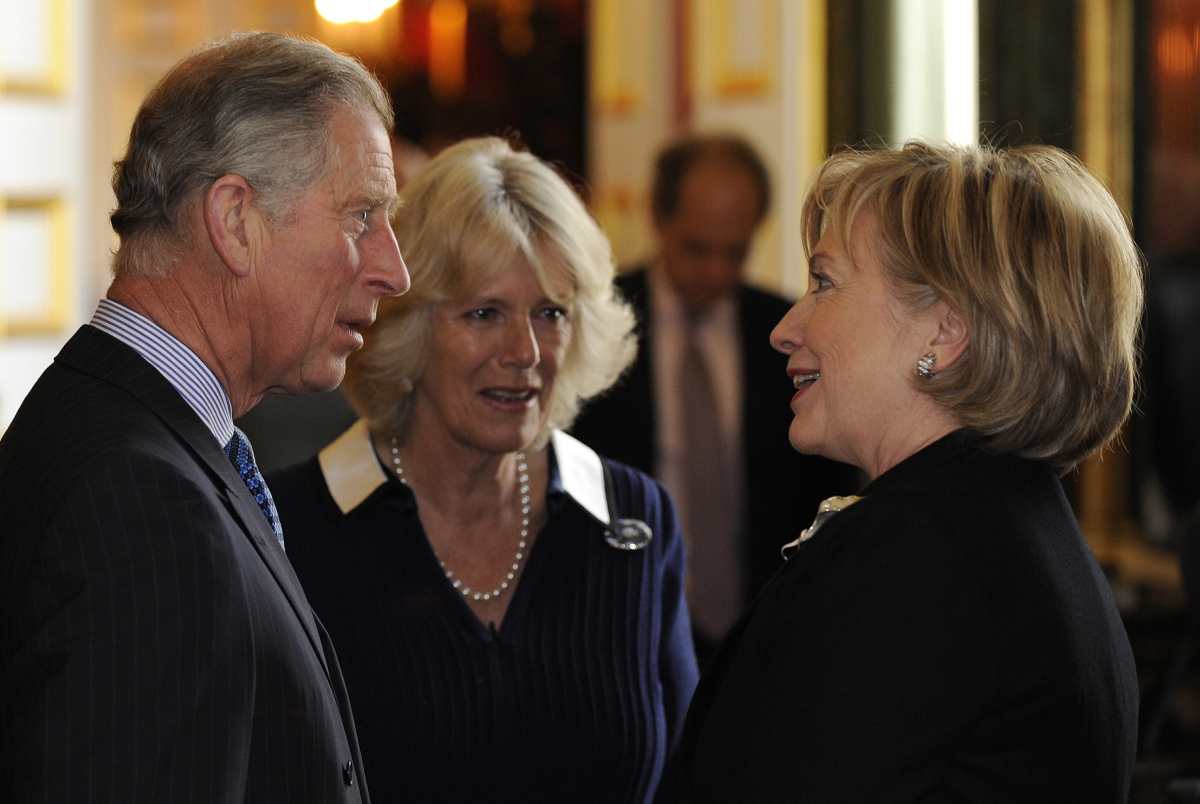
Royal insiders have confirmed what the tea leaves have been spelling out for some time. According to journalist Paula Froelich, this is a full stop. "King Charles and Prince William are done with former President Bill Clinton and his wife, former Senator Hillary Clinton."
Two of America's most prominent political figures have, without fanfare, been excised from one of the world's most powerful social institutions. The reason it turns out is not one, but two, and they arrive from entirely different directions, each damaging enough on its own. For King Charles, the issue begins and ends with Jeffrey Epstein. The disgraced financier's shadow has already fallen heavily on the monarchy through Andrew Mountbatten-Windsor, a relationship that cost the royal family years of reputational damage and remains an open wound.
The last thing Charles needs is any further association with that world—and Bill Clinton, whose name surfaces repeatedly in the Epstein files, now represents exactly that risk. Froelich, talking about it, writes on her Substack, "Bill Clinton's connections to Jeffrey Epstein have made him a liability for the royals. Charles, already dealing with fallout from Prince Andrew's Epstein ties, is eager to distance the monarchy from anyone linked to the late financier."
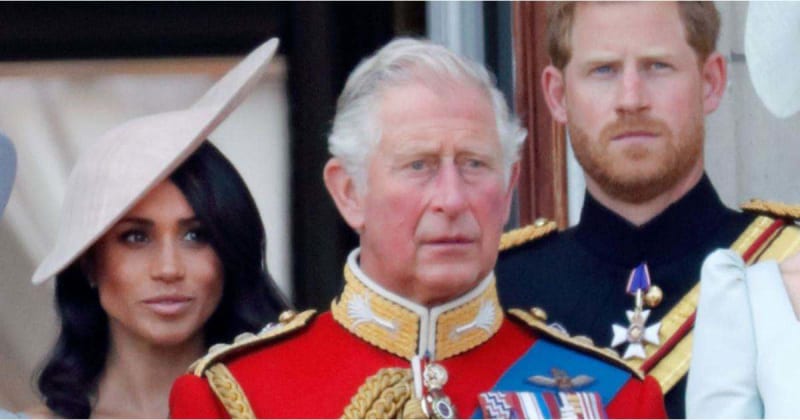
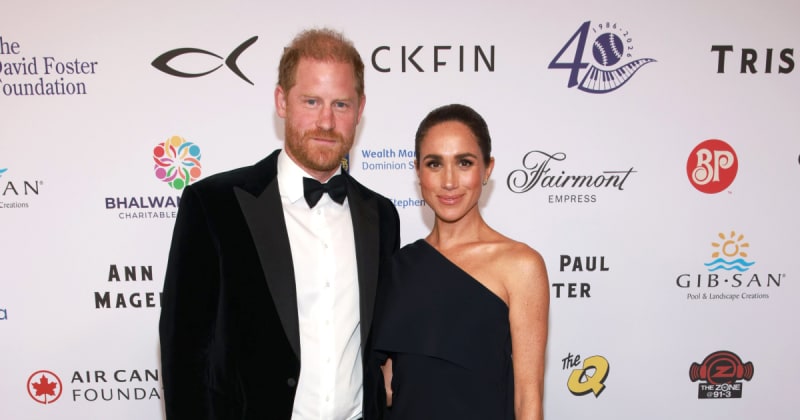
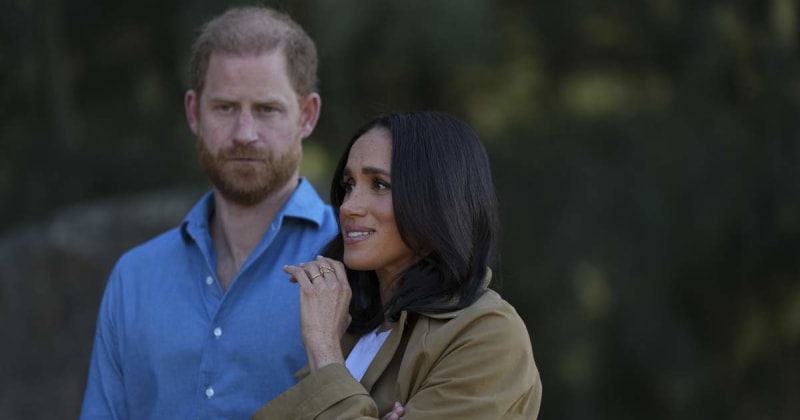
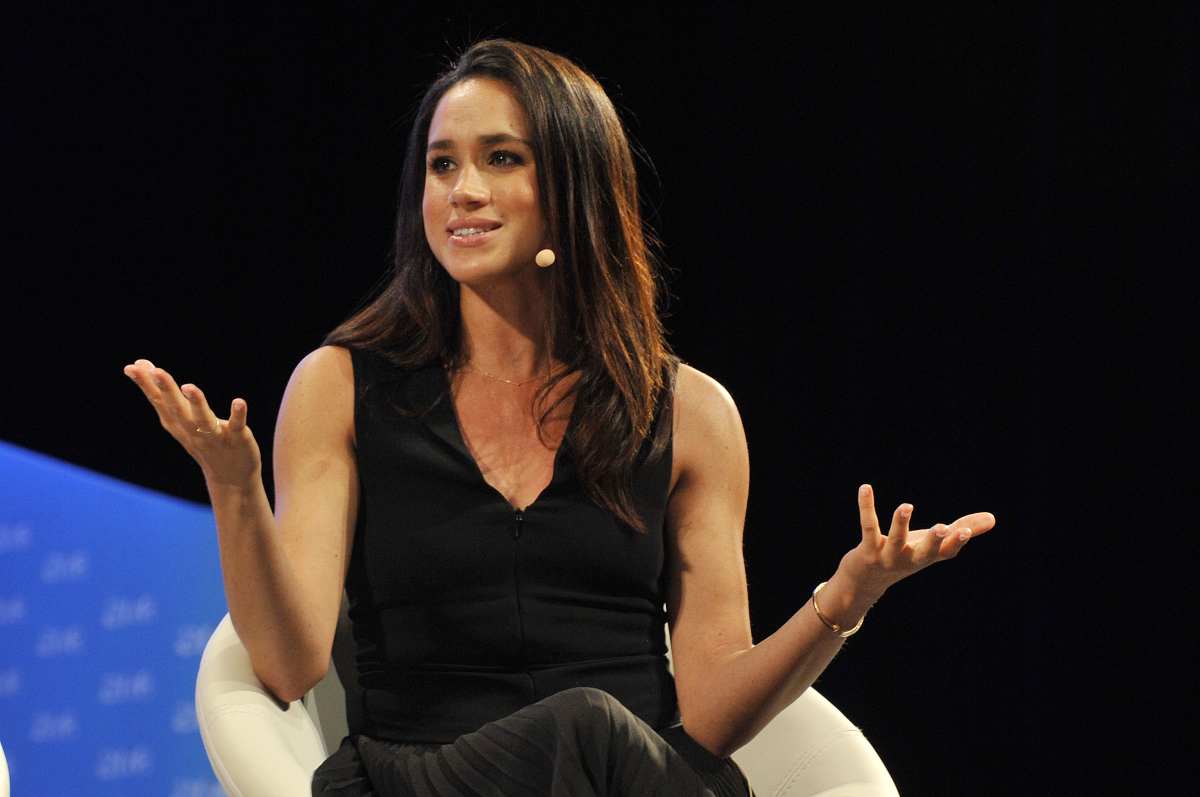
Where Charles's grievance is political, Prince William's is personal. And for that, the thread leads directly to Frogmore House and to Meghan Markle. Tom Bower's book Betrayal brought into focus something that had previously existed only as rumor: that Hillary Clinton had privately aligned herself with the Duke and Duchess of Sussex during their rupture from the royal family. According to Bower, Hillary met with Markle at Frogmore House, expressed sympathy for her position, and went on to characterize the couple's bombshell interview with Oprah Winfrey as an act of courage. As Froelich puts it, Hillary "put the menial in her relationship with Prince William" the moment that information came to light.
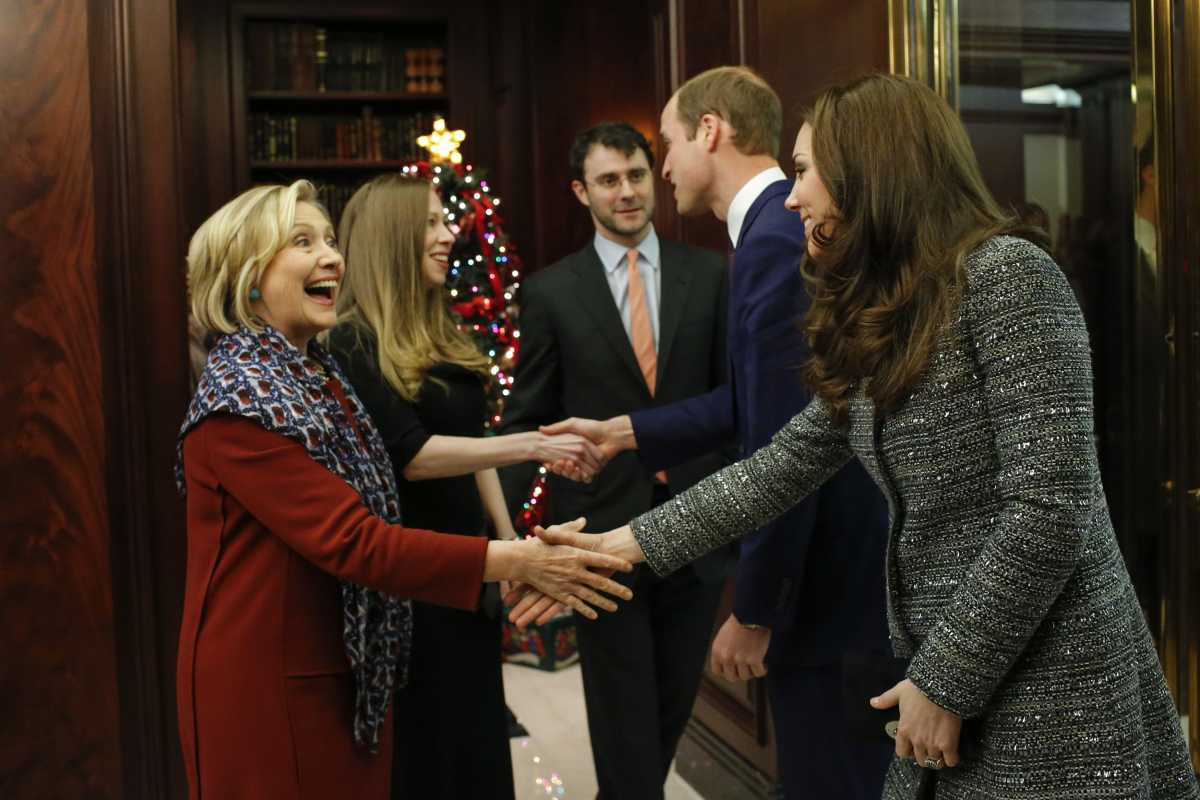
And William reportedly felt that sting of betrayal. William and Catherine had cultivated what appeared to be a genuine transatlantic rapport with Hillary—warm enough that in 2014, the two sides came together for a joint Clinton-Royal Foundation event in New York. That kind of institutional collaboration doesn't happen between strangers. Which is precisely why its collapse carries so much weight. To support Markle and Harry's public dismantling of the monarchy was not a neutral act.
There is a footnote worth acknowledging. Charles is expected to be hosted by Donald Trump in April, a meeting that will raise eyebrows given Trump's own prominent appearance in the Epstein files. Froelich, addressing the apparent contradiction directly, wrote, "He is still the current President. And King Charles is, for all intents and purposes, a diplomat coming to smooth over relations between the USA and the UK. So, needs must." Realpolitik demands a certain flexibility. A sitting president commands engagement.