Buckingham Palace Sat on 30,000 Andrew Emails for Six Years, Court Documents Reveal
The contents of the emails up to June 2013 are unknown, but it does confirm that the palace was made aware of Andrew's nefarious activities.
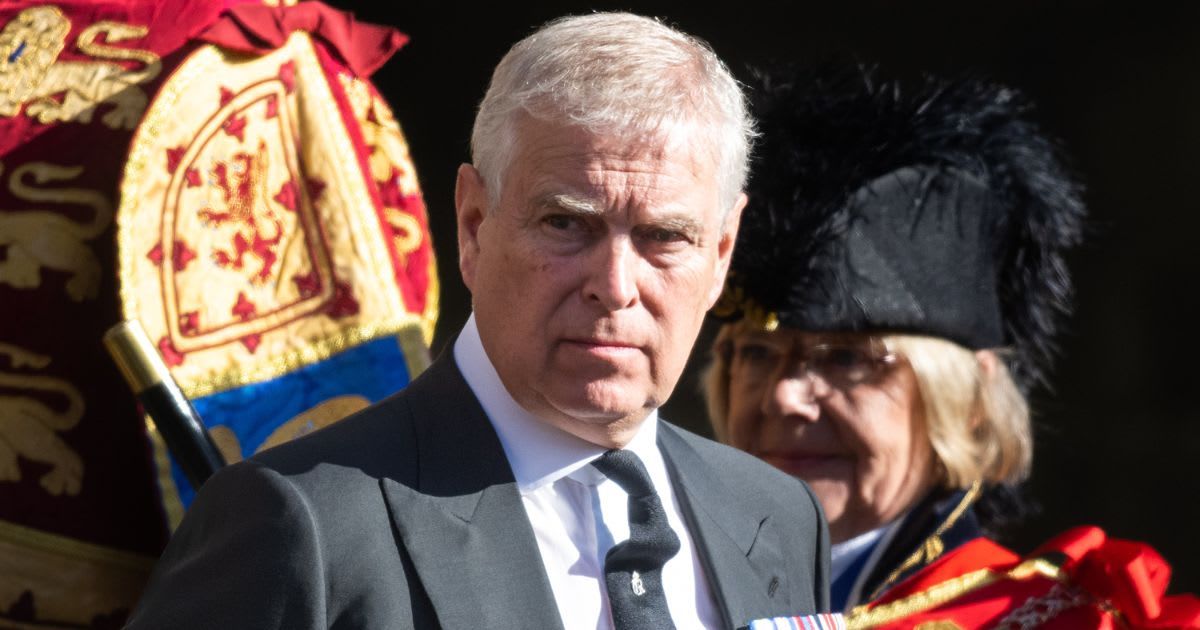


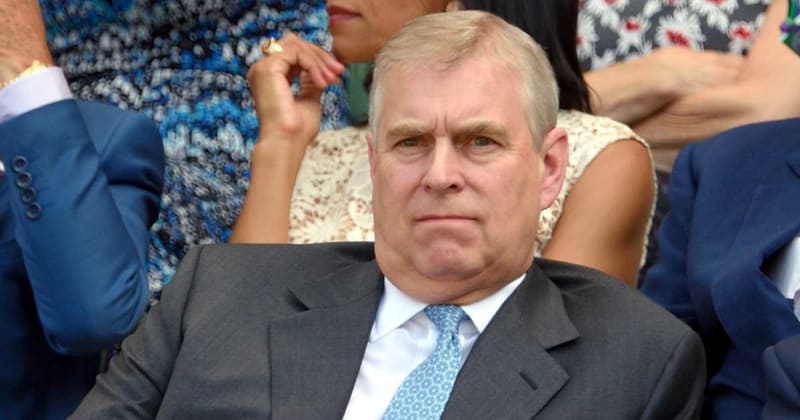
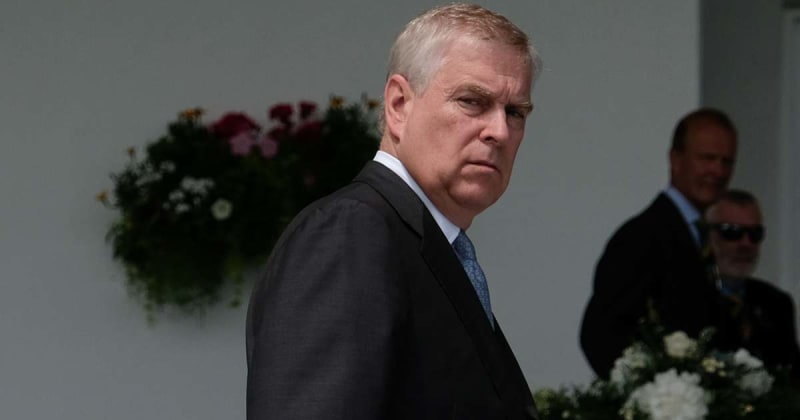
Andrew Mountbatten-Windsor has been accused of sending confidential US government reports to Jeffrey Epstein in exchange for his 2001 appointment as a trade envoy, without typical vetting, with Queen Elizabeth II's assistance, despite concerns from various high-ranking officials at the time. His actions, deemed self-serving especially with respect to his taxpayer-funded staff, led to his arrest for alleged misuse of public office related to Epstein, which he has vehemently denied.
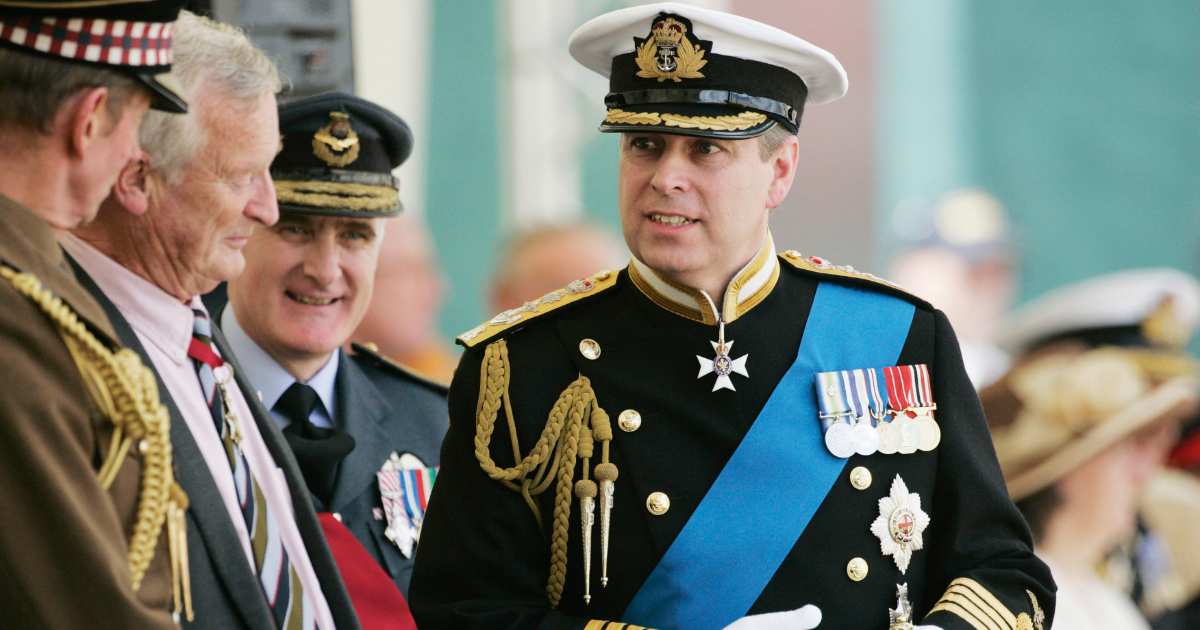
As UK lawmakers are currently investigating his appointment and travel records, it has come to light that in 2020, the Lord Chamberlain, the Royal Household's highest-ranking official, received an archive of 30,000 emails that revealed the former prince's dubious financial transactions. The BBC reported that these communications came from a personal business acquaintance of the former prince. "Since there is an ongoing police inquiry concerning Mr Mountbatten-Windsor, it is not possible to provide any comment on these matters," Buckingham Palace outrightly refused to comment any further when inquired about the matter.
Since Thames Valley Police have renewed their appeal for information regarding Mountbatten-Windsor's arrest for misconduct in public office, the noose has been tightening around the disgraced royal. Court documents have now revealed that several emails surrounding Andrew's finances were forwarded to Palace officials before the ongoing investigations. An April 2021 High Court decision stated that an archive copy was sent to the Lord Chamberlain in May 2020, and a June 2022 ruling stated that an email dated July 10, 2020, was delivered to Buckingham Palace. The contents of the archive, which include emails up to June 2013, are unknown. This raises an uncomfortable question. If Buckingham Palace had access to evidence suggesting Mountbatten-Windsor had shared sensitive information as far back as 2020, why did it take until 2025 — when allegations resurfaced in the wake of Virginia Giuffre's memoir — for the matter to become the subject of formal scrutiny?

The Telegraph had also earlier reported that Mountbatten-Windsor requested a confidential Treasury briefing in 2010 regarding Iceland's banking issues, which was shared with Jonathan Rowland, who was linked to a failed Icelandic bank. Rowland confirmed that the associated emails were involved in legal proceedings and sent to the Palace. These emails are critical because they relate to contentious financial dealings among Mountbatten-Windsor, the Rowlands, and Banque Havilland, which faced regulatory sanctions. While the fate of emails shared with the Palace is the subject of intense speculation and uncertainty, the Epstein Files revealed Mountbatten-Windsor's links to the Rowlands, showcasing his promotion of their business and personal assurances to David Rowland, including a loan to Sarah Ferguson.
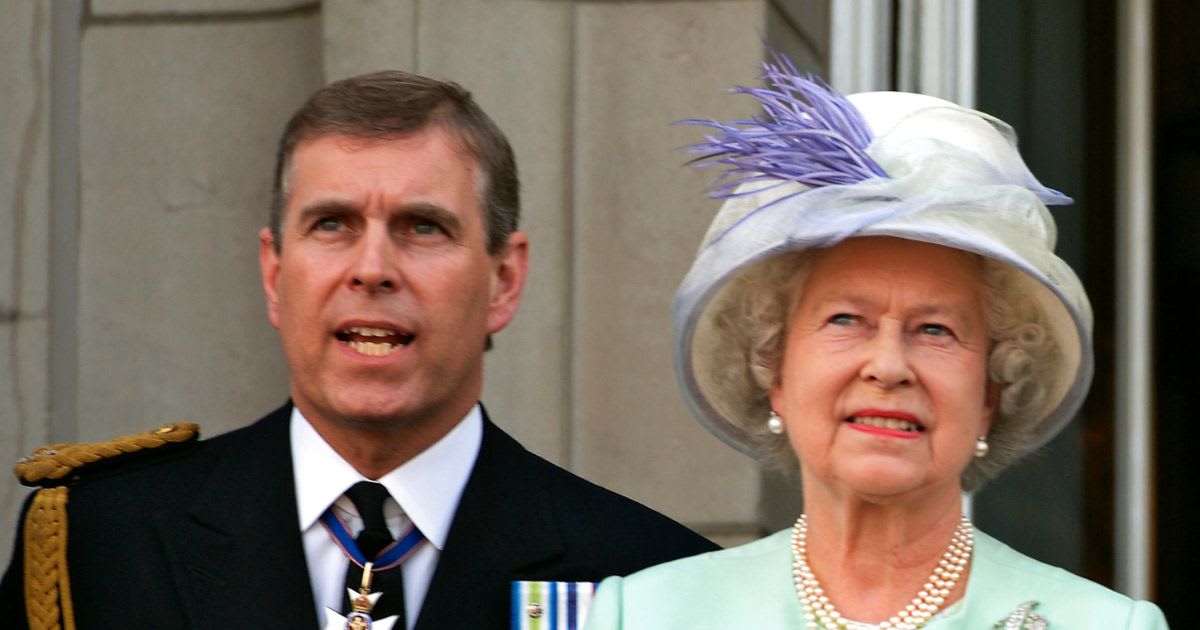
The recent court documents indicate that Kevin Stanford obtained these emails from Jonathan Rowland's account and offered them to authorities in Monaco and Luxembourg. The emails were submitted to the Palace during Queen Elizabeth II's reign, and under King Charles, Mountbatten-Windsor faces stricter scrutiny. However, he has denied any wrongdoing concerning Epstein or personal gain from his trade envoy position. Meanwhile, Stanford's release of emails has once again put Mountbatten-Windsor's financial activities in the spotlight.