Andrew Takes The Police to Court — as King Charles Draws a Clear Line Between Family and the Law
EXCLUSIVE ANALYSIS: Andrew is challenging police search warrants as the King maintains his distance from the legal process.
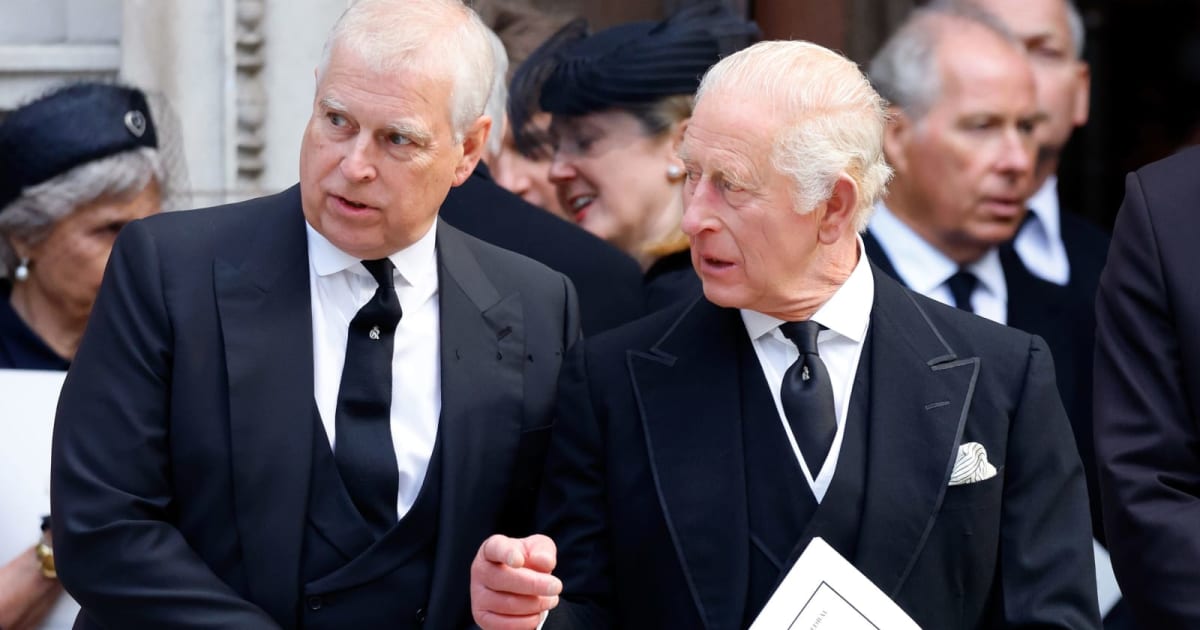


ANDREW Mountbatten-Windsor is taking Thames Valley Police to the High Court in an attempt to quash search warrants connected with his arrest - seven months after King Charles publicly declared that “the law must take its course”.
The King's younger brother has been granted permission to challenge whether police acted lawfully over warrants used to search his current residence on the Sandringham Estate and his former home, Royal Lodge, in Windsor Great Park.
A hearing in Andrew's claim is scheduled for 2 pm on Thursday at the High Court before Mr Justice Hilliard. It will begin in private and will concern an application by Thames Valley Police to restrict access to court documents. It is not currently known whether Andrew will attend. The development brings Andrew's legal affairs back into the headlines, but it also places renewed attention on the carefully drawn distinction between the King's relationship with his brother and the Royal Family's institutional response to an active police investigation.
Andrew was arrested on February 19, his 66th birthday, on suspicion of misconduct in public office following allegations that he shared sensitive information with convicted sex offender Jeffrey Epstein while serving as a UK trade envoy. He was interviewed under caution and subsequently released under investigation. He has not been charged; the investigation remains ongoing, and Andrew continues to deny all wrongdoing.
The warrants at the centre of his High Court action were issued by a judge at the Central Criminal Court and permitted police searches connected with the investigation.
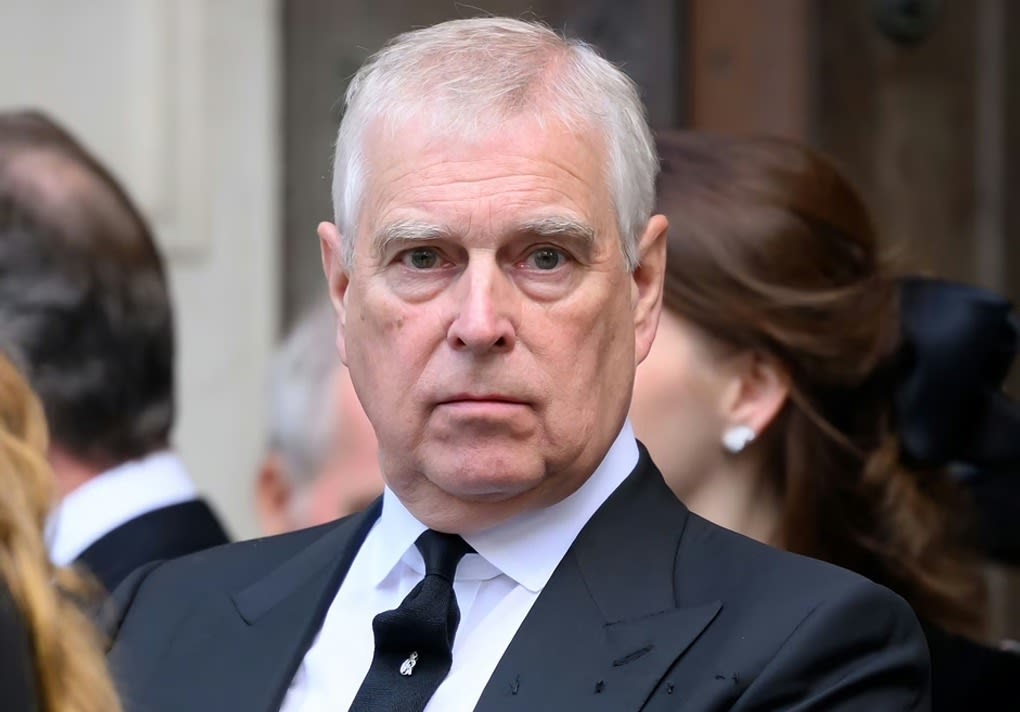
His judicial review is therefore a challenge to the lawfulness of those warrants. It does not determine the underlying allegations against him, nor does permission to bring the challenge establish that police acted unlawfully.
Thames Valley Police confirmed on Monday that the force was now involved in legal proceedings while continuing its investigation. “Whilst our investigation into misconduct in public office continues, we are engaged in legal proceedings in relation to warrants previously obtained from the Central Criminal Court,” the force said. “As these legal proceedings are currently ongoing, it would be inappropriate for us to comment further.”
Buckingham Palace has not provided a new running commentary on Andrew's High Court action. The King's position on the investigation itself, however, was made unusually explicit when his brother was arrested in February.
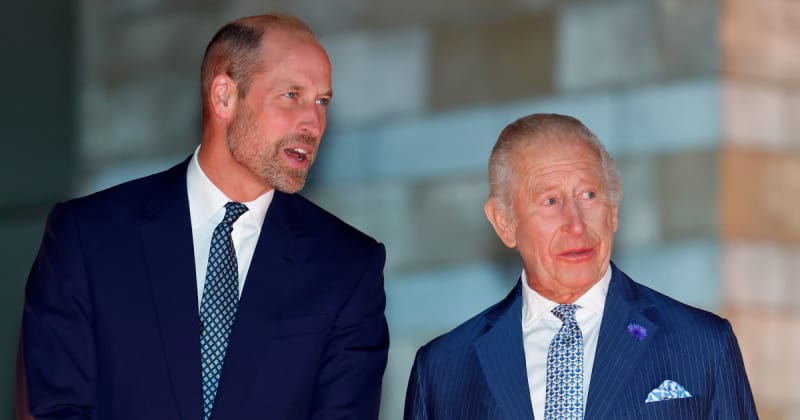
In a statement issued personally under the signature “Charles R”, the King said he had learned of Andrew's arrest with the “deepest concern ... What now follows is the full, fair and proper process by which this issue is investigated in the appropriate manner and by the appropriate authorities,” Charles said. “In this, as I have said before, they have our full and wholehearted support and co-operation.” The King then made his position particularly clear: “The law must take its course.”
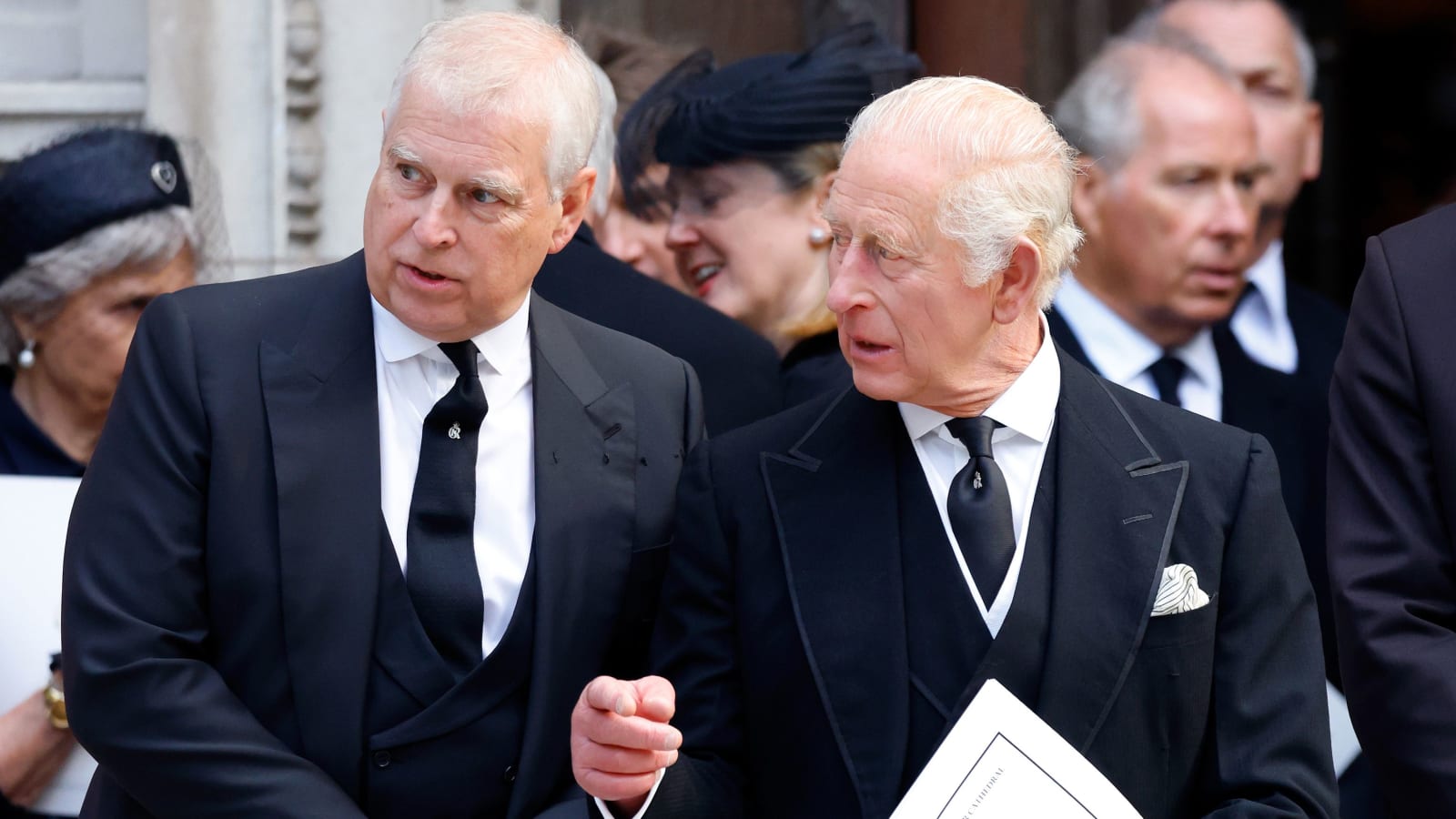
That statement is significant context for the Palace's response. Andrew may be the King's brother, but his challenge to Thames Valley Police is a legal matter being pursued through the courts rather than through the Royal Household. Even before Andrew's arrest, the institutional separation had already become substantial.
Andrew withdrew from public duties in 2019 following controversy surrounding his relationship with Epstein. The distancing subsequently went considerably further, culminating in King Charles stripping his brother of his remaining royal titles and honours in 2025.
Andrew's current legal action nevertheless places the monarchy in an unusual position. The King's brother is challenging the legality of police action connected with an investigation that remains active, while Charles has already publicly pledged the Royal Family's “full and wholehearted support and co-operation” with the appropriate authorities.
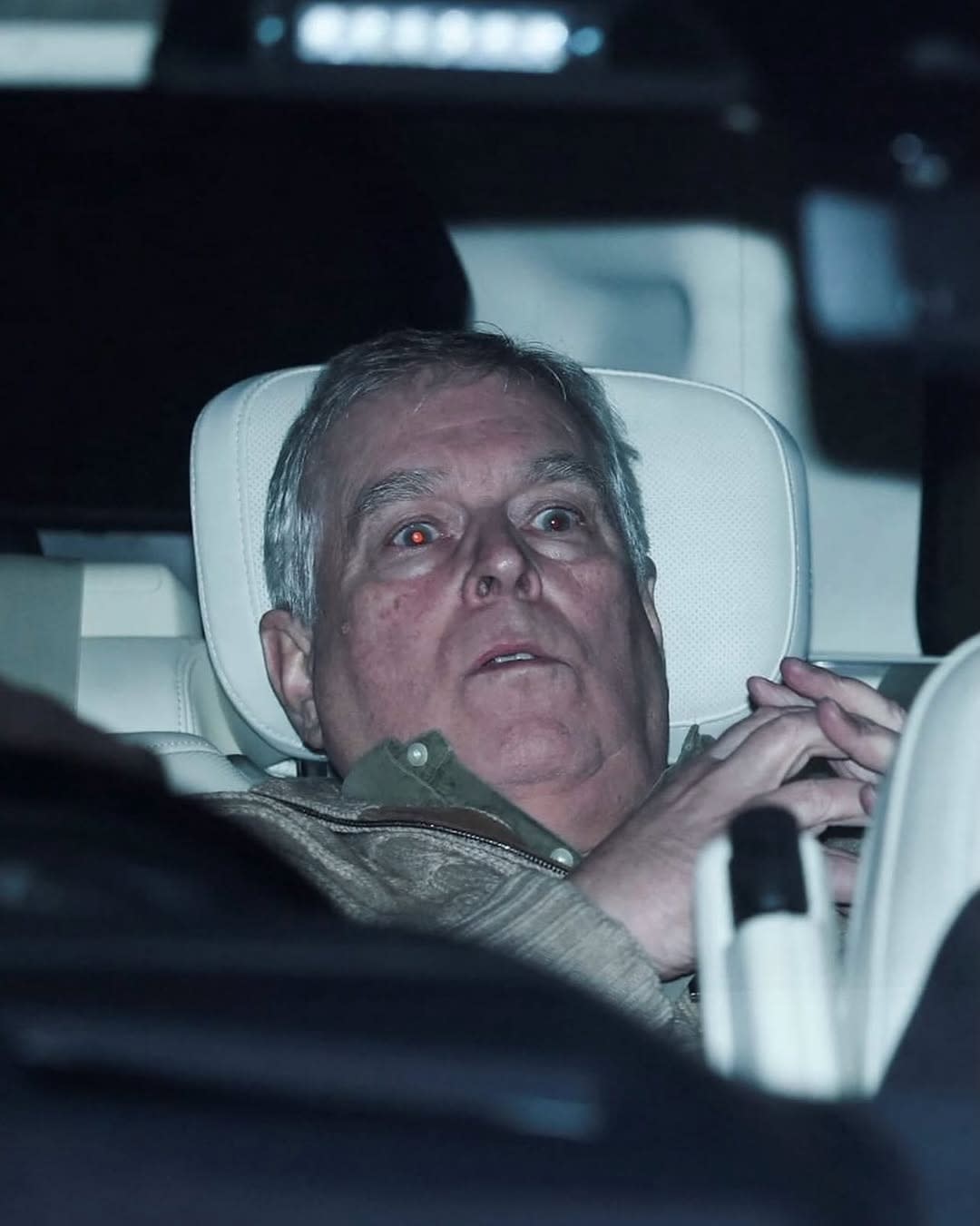
Andrew's High Court action does not reveal anything about his private relationship with Charles. Palace silence cannot establish what passes between the brothers away from public view, and the King's responsibilities as Sovereign are separate from his relationship with Andrew as a sibling.
Andrew is entitled to challenge the warrants through the courts, while Thames Valley Police can defend the process through which they were obtained, and the legality of those warrants will be a matter for the High Court. The King set out his public position seven months ago in five words: “The law must take its course.” Andrew's latest legal move now puts that principle into practice - with the dispute being fought not inside Buckingham Palace, but before a judge.