Same Behaviour, Different Royal: The Double Standards Shaping Royal Commentary
EXCLUSIVE ANALYSIS: How loyalty to individual royals can turn similar choices into entirely different narratives.
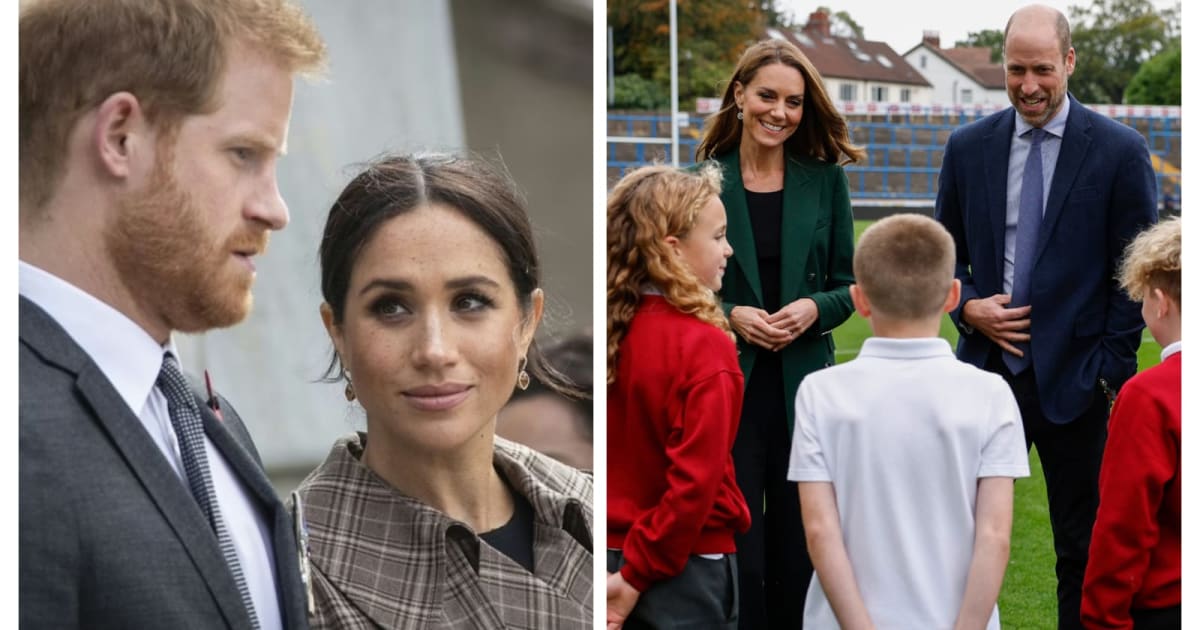


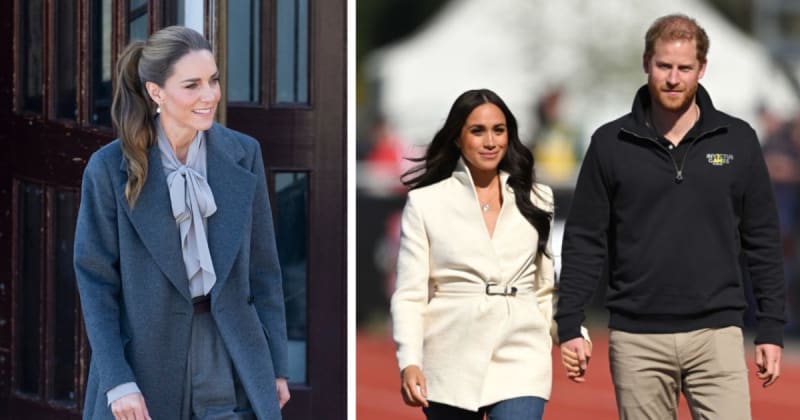
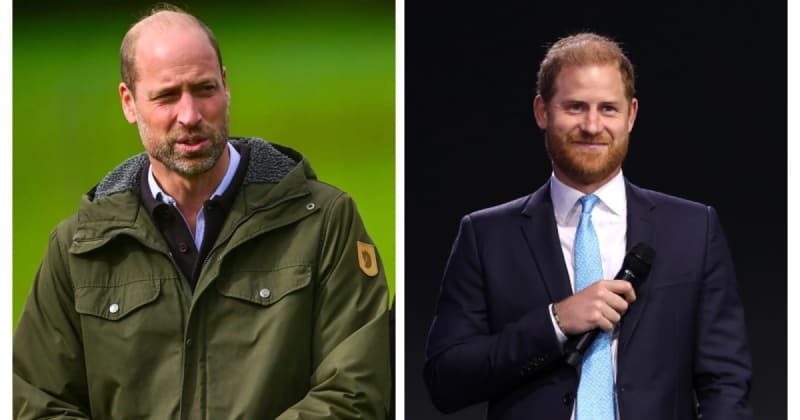
PRINCE William and Prince Harry may occupy very different positions within the Royal Family, but the reaction to their work can sometimes reveal as much about royal commentary as it does about the royals themselves.
Royal watching has, sadly, always involved favourites. What feels increasingly noticeable, particularly across social media, is how quickly an action can acquire a completely different meaning depending on the name attached to it.
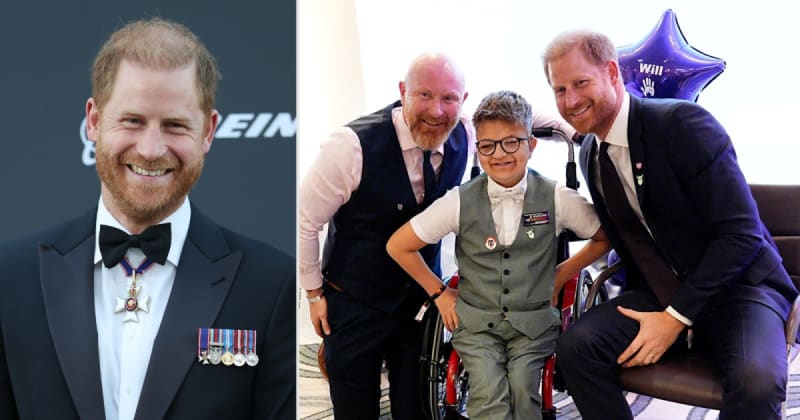
Among some of the online community commonly described as the 'Sussex Squad', Prince Harry’s charitable work is understandably celebrated. His involvement with the Invictus Games remains one of the clearest examples. This month alone, Harry's programme of engagements has included the inaugural Invictus Spirit Awards, the launch of the Games' INSPIRE education programme and his longstanding support for WellChild.
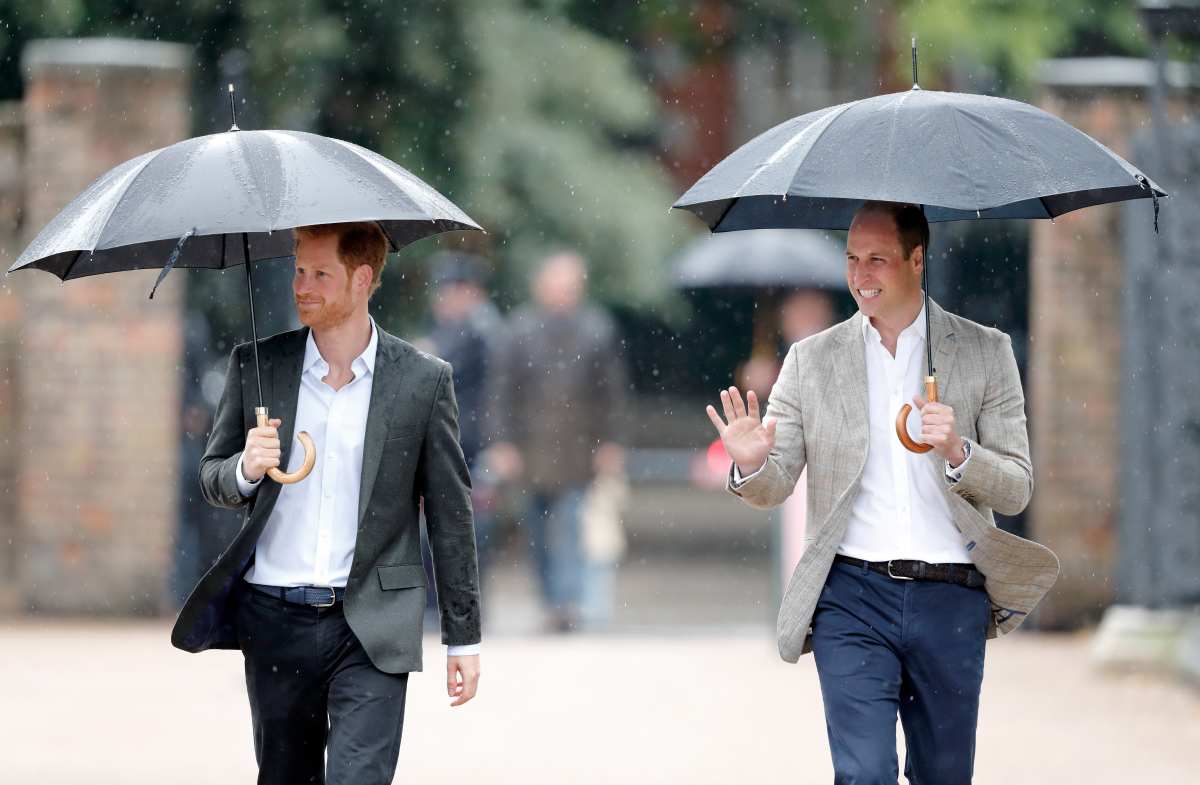
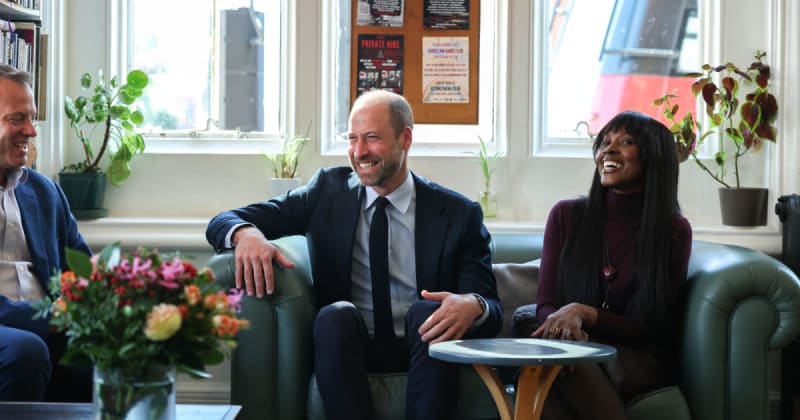
Yet, charitable ambition does not become less meaningful when it comes from his brother. Prince William's Homewards programme has now passed the halfway point of its five-year mission to demonstrate that homelessness can be made rare, brief and unrepeated. In June, the Royal Foundation marked three years of the initiative, bringing together charities, businesses, local leaders and people with lived experience from its six locations.
When it comes to all the projects from the princes, the impact can be examined, promises can be tested, and the considerable platforms available should not place their work beyond legitimate scrutiny. But the inconsistency emerges when charitable activity is automatically treated as evidence of compassion from one brother and dismissed as publicity or insufficient work when undertaken by the other. The same dynamic can appear around Princess Catherine and Meghan Markle.
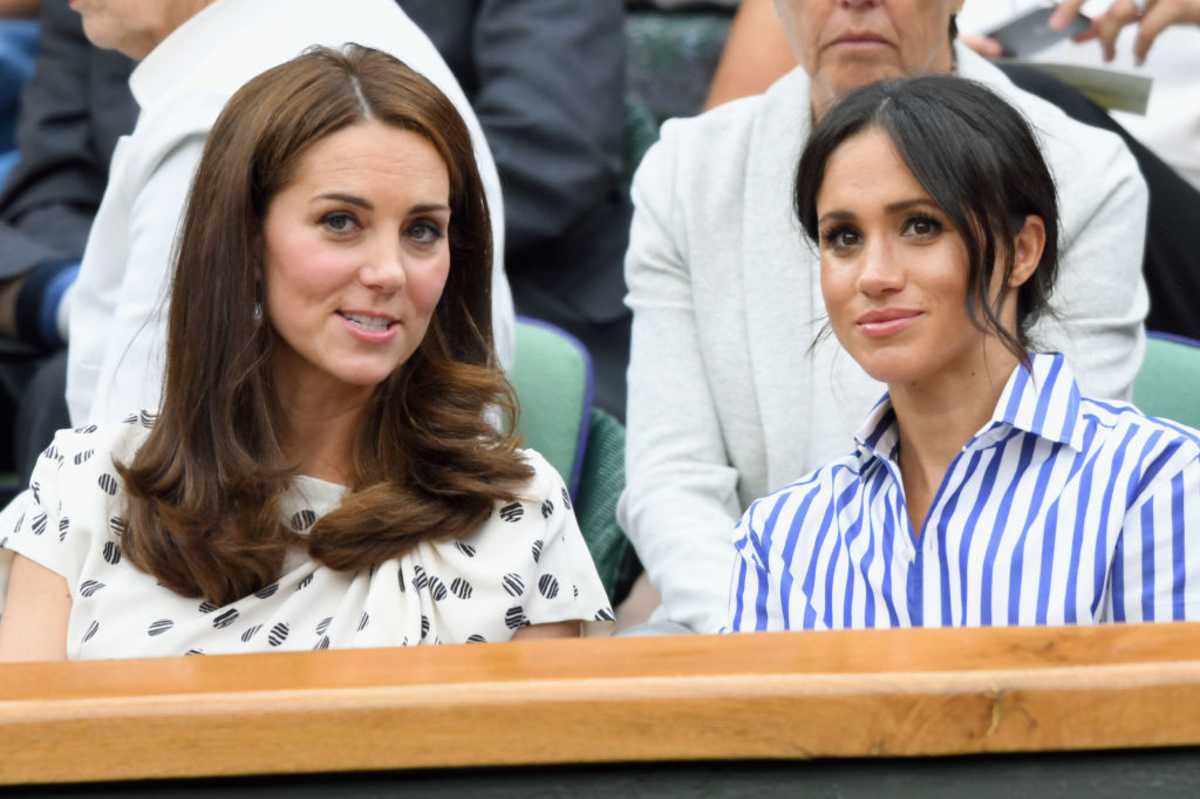
Meghan has sought to build a successful commercial career outside the confines of working within the Royal Family. Her lifestyle business, As Ever, separated from its Netflix partnership earlier this year and is continuing independently, while she and Harry retain their production interests. Nothing is unusual about her loyal supporters taking pride in seeing their favourite develop a business around her own interests.
Catherine's work operates within an entirely different structure, but it also involves developing projects over years rather than just simply attending engagements. Her Royal Foundation Centre for Early Childhood has continued to work on an observational tool used by health visitors to identify signs of psychological distress in babies. The project originated after Catherine saw the approach being used in Denmark in 2022, and an evaluation published this year recommended commissioning its use across the UK.
But neither's work needs to be diminished for the other's to receive recognition. Meghan succeeding commercially does not undermine Catherine's public work. Catherine developing a long-term early-years programme does not require Meghan's business ambitions to be mocked. They are simply pursuing different lives with different responsibilities, yet online royal debate frequently places them in a competition neither woman needs to enter.
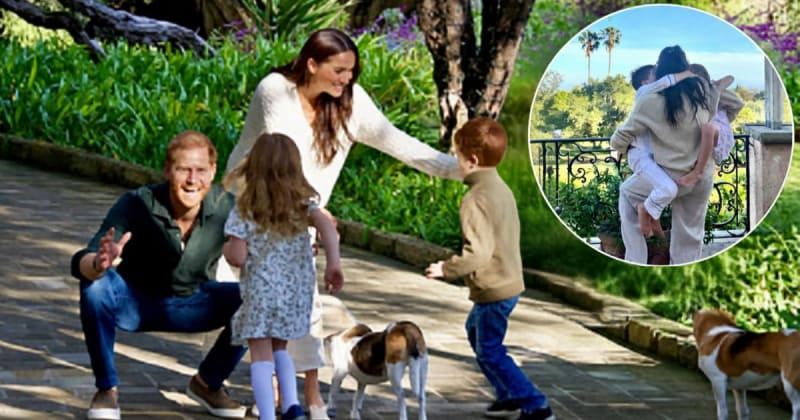
Parenthood perhaps exposes that contradiction most clearly. Harry's determination to protect Archie and Lilibet has received renewed attention following reports that international photographers were discovered monitoring the children's school. Reuters reported that photographers had been seen around the grounds, while the Sussexes condemned the behaviour as reckless.
It is entirely reasonable to understand why a father would be concerned about his children's safety and privacy.
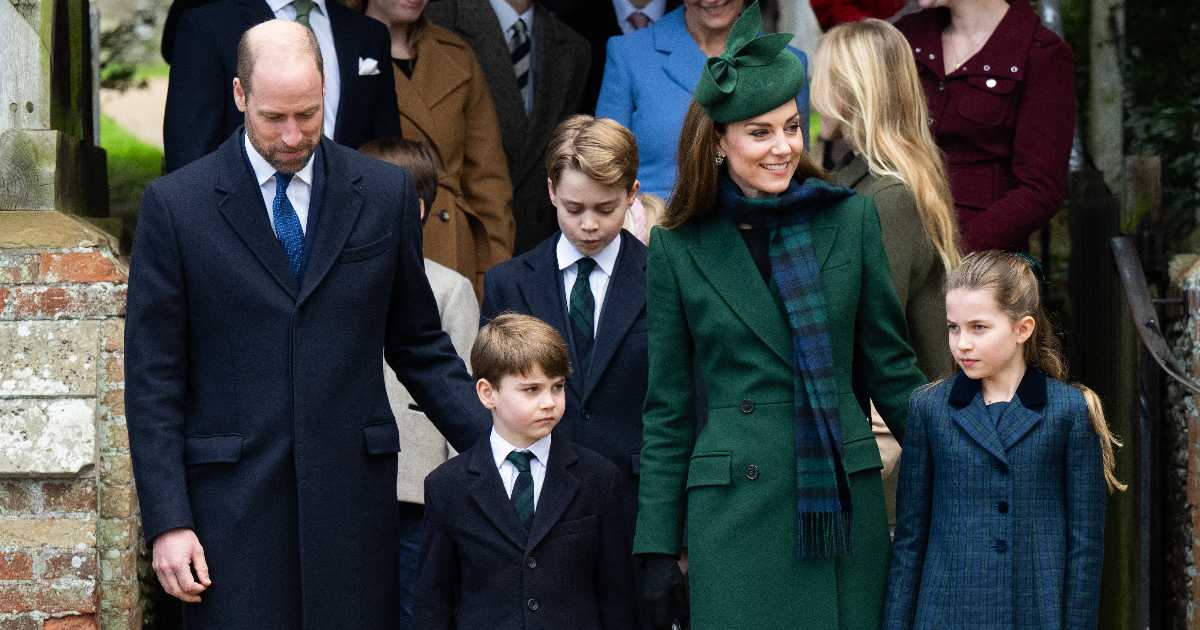
Prince William has expressed a similarly strong determination to protect George, 13, Charlotte, 11, and Louis, 8, from some of the pressures surrounding royal life. Speaking to Eugene Levy in 2025, he described getting the balance between work and family right as important and said providing his children with a “happy, healthy, stable home” was central to his approach to parenting.
Yet the same instinct can attract opposing interpretations. Harry prioritising his children's security can be presented by supporters as attentive fatherhood; William arranging his workload around family life can be characterised by critics as avoiding royal duties, being lazy or work-shy. Reverse the loyalties and the language can change again: Harry's security concerns are dismissed as excessive, while Prince William's privacy and special concerns for safeguarding are defended.
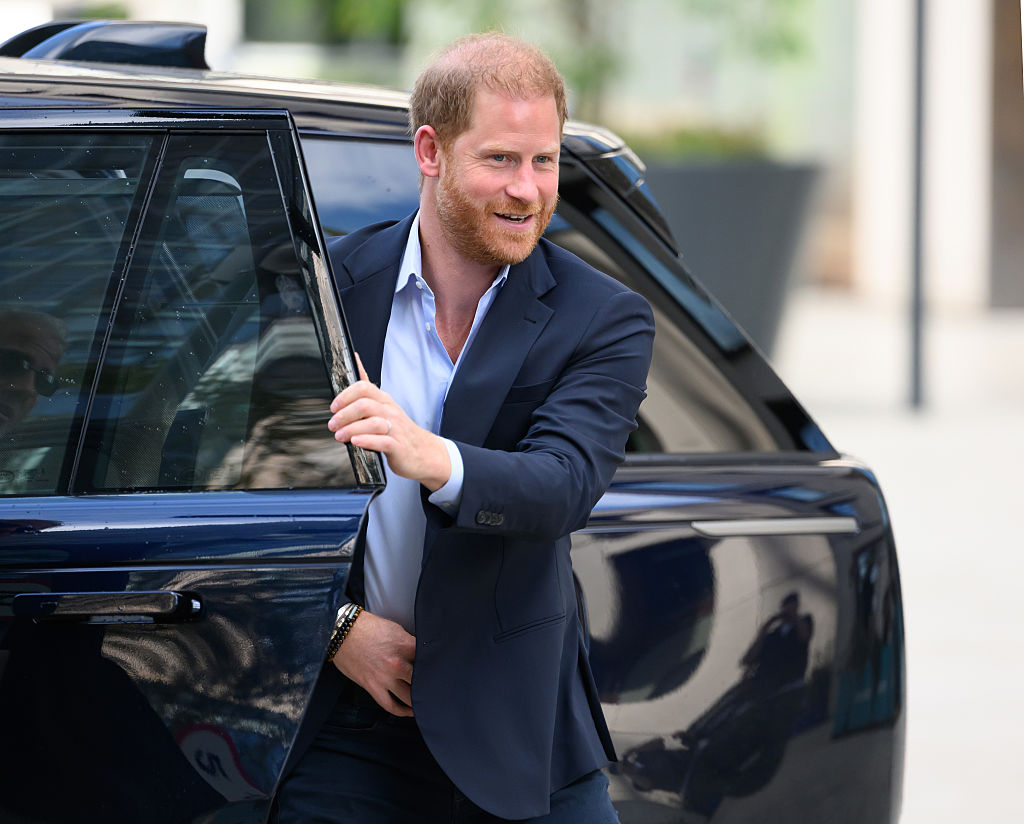
That is where royal commentary can stop being analysis and become something closer to team sport. The substantial differences between the brothers do not help in this regard as William is heir to the throne and a full-time working royal whose official responsibilities are funded by his role as the Duke of Cornwall, whereas Harry's private and charitable activities are not. Harry and Meghan stepped away from working royal life in 2020 and consequently have freedoms, commercial opportunities and responsibilities that William and Catherine do not share.
While the differences may bring understandable scrutiny, they do not make every comparable action fundamentally different. Nor is this behaviour confined to supporters of Harry and Meghan. While they are the most prominent, parts of the online community sympathetic to William and Catherine can fall into precisely the same pattern, extending generosity to the Waleses while assuming the least charitable interpretation of something done by the Sussexes for almost everything.
Harry and Meghan have undoubtedly made choices that have attracted legitimate criticism, including discussing their experiences within the Royal Family during their Oprah interview and subsequent Netflix series. But scruitancy should not mean that everything they do is automatically viewed through a negative lens. The same principle applies to the Prince and Princess of Wales: criticism can be justified where warranted, but it becomes less meaningful when approval or condemnation is determined simply by which side of the royal divide someone occupies. The result is that the person can sometimes become more important than the action.

Royal watchers do not have to admire William, Harry, Catherine and Meghan equally, and the paths both families have seemingly chosen are enough to produce genuine disagreement in the dedicated online communities. But when identical values are praised on one side and condemned on the other, the difference may no longer be the behaviour being judged; it might simply be who did it.
Perhaps the more useful test is remarkably simple; if protecting children is admirable when Harry moves, that same instinct should at least be understood when William does the same. If sustained charitable work deserves attention from one brother, the other's projects deserve to be judged on their results rather than just his surname or position. And if professional ambition is worth celebrating in one woman, why should it automatically become a character flaw in another?