5 Things King Charles Can Get Away With Because He's King
Life of a King
Being the monarch comes with plenty of responsibility, but also its fair share of privileges. While we can guess some, the others are quite surprising. King Charles has certain rights and exemptions that ordinary British citizens simply do not have. From travelling without a passport to being exempt from jury duty, here are five things the King can get away with because of his position.
Travelling Without a Passport
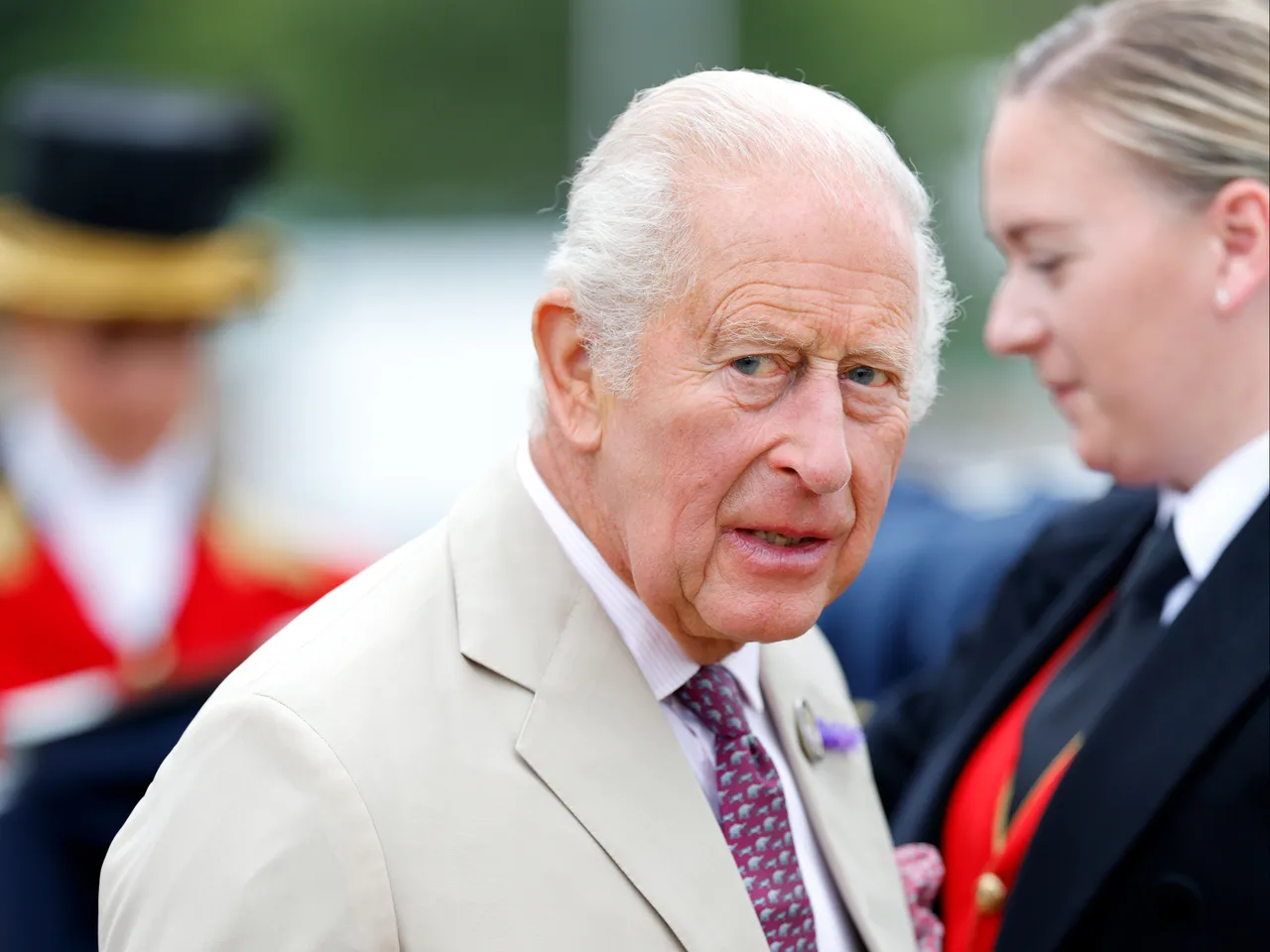
While every British citizen needs a passport to travel abroad, the King does not. This is because British passports are issued in the name of the reigning monarch, who is His Majesty himself. So, it would not make sense for the King to issue one to himself. As a result, Charles can travel internationally without carrying a passport.
Avoiding Criminal & Civil Prosecution
Charles also has a unique legal protection known as sovereign immunity. This means he cannot normally be arrested or sued in civil proceedings while he is still the monarch. The legal system operates in the King's name, where the monarch cannot simply be prosecuted through the same system.
Skipping Jury Duty
Among other perks, Charles will never have to worry about receiving a jury summons. The King and the other members of the royal household are exempt from jury service under British law. While ordinary citizens may be called upon to sit on a jury and help decide a case, this is not something the monarch has to ever do.
Driving Without a Licence or Licence Plates

Charles also has some unusual privileges when it comes to driving. The King does not need a driving licence, and his official cars do not have to display licence plates. When he is travelling on official royal duties with a police escort, his convoy can also be given exemptions from normal statutory speed limits.
Ignoring Freedom of Information Requests
The monarchy has major privacy protections when it comes to Freedom of Information requests. The Royal Family is not generally subject to the UK's Freedom of Information Act in the same way as other public authorities are. This means the public cannot simply request the King's private correspondence and expect it to be published or broadcast.