King Charles Makes History With Tax Disclosure — But Prince William May Not Be Thrilled
The king intends to release his financial information for the fiscal year 2024-25 on Thursday, along with other fiscal prudence.
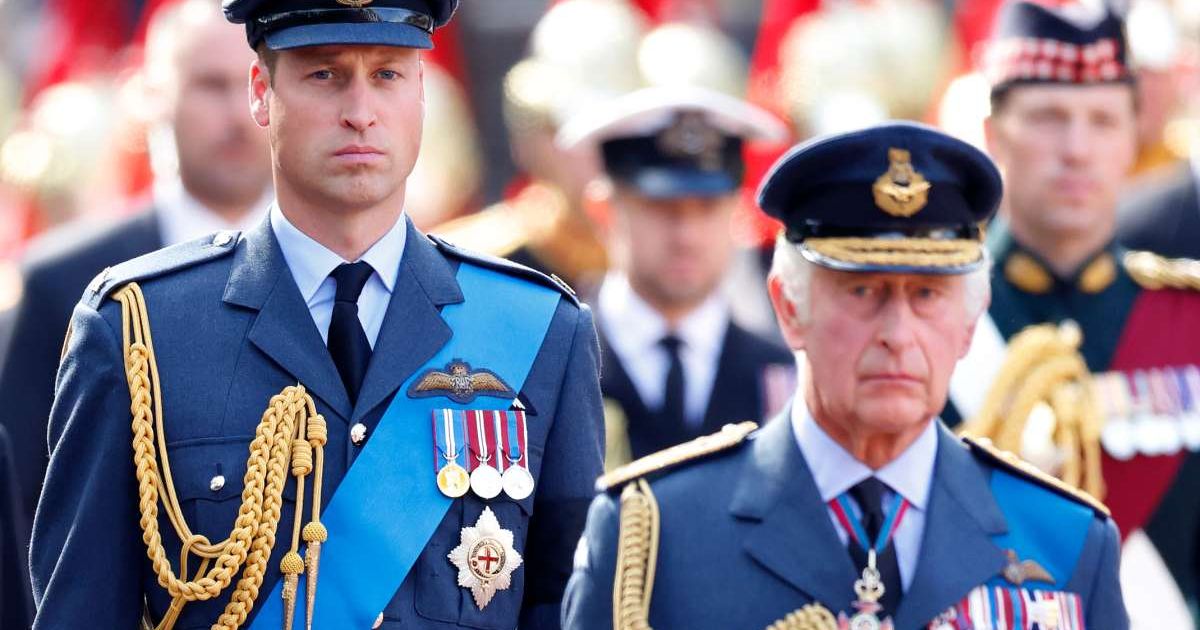


Historically, British monarchs have never disclosed tax statements due to legal exemptions related to constitutional immunity, with no obligation to pay income, capital gains, or inheritance taxes. Although Queen Elizabeth II began paying taxes voluntarily in 1993, details were never made public. However, in recent times, the royal family has been struck with heightened financial scrutiny due to public calls for transparency, political inquiries, and scandals. Notable issues that have been plaguing the 'firm' include Andrew Mountbatten-Windsor's property management and the King's use of Privy Purse funds, which have launched an inquiry into royal property arrangements by the House of Commons PAC. In response, King Charles III is making amends by promoting accountability in a historic move.
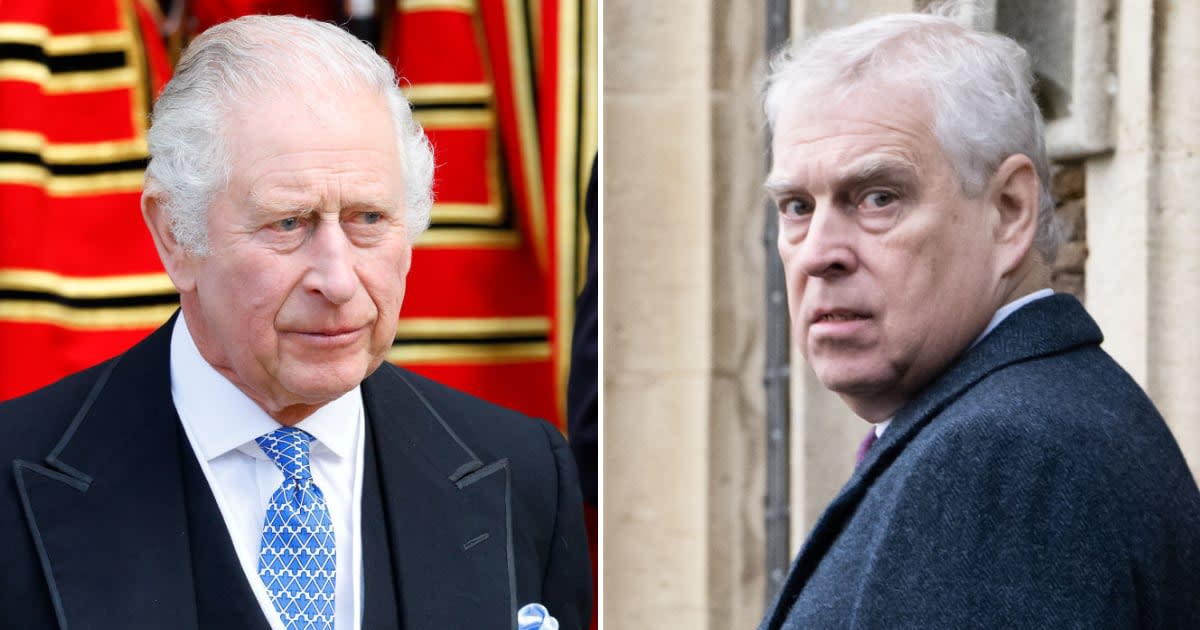
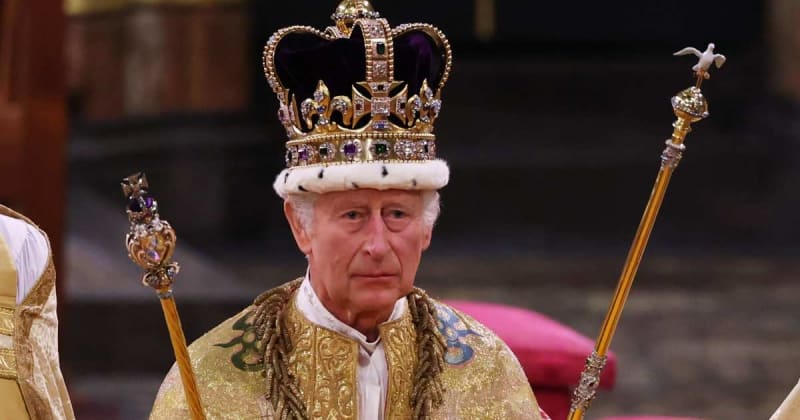
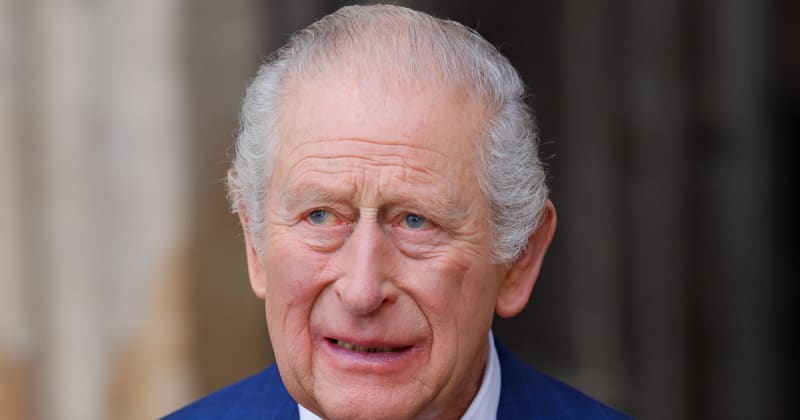
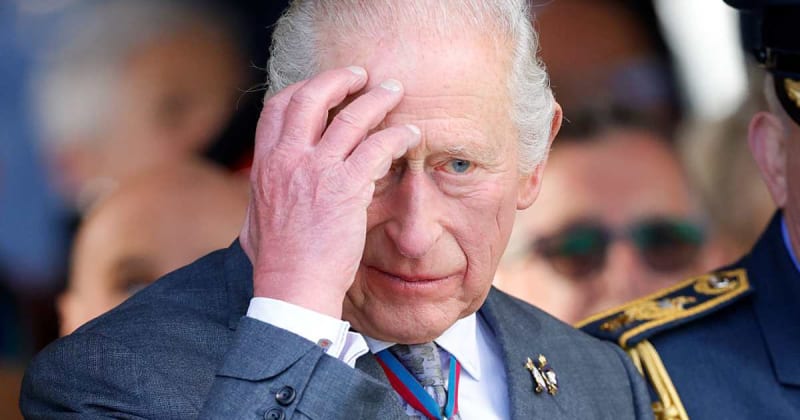
King Charles is set to become the first monarch to disclose his personal tax bill, to bring 'clarity and accessibility' to royal finances. The king intends to release his financial information for the fiscal year 2024-25 on Thursday, along with other fiscal prudence. His tax returns for 2025-26 will be made available publicly the following year after the audit. This move contrasts with his son, Prince William, the Prince of Wales, who has not made his financial matters known since becoming heir to the throne, The Guardian reported. "While this is the first time a monarch has shared this personal tax information, you may recall it was similarly released by His Majesty when he was Prince of Wales. The decision to do so as sovereign has come at the express wish of the king himself, as part of the adaptations carried across since accession," a Buckingham spokesperson stated.
As per the BBC, the King's tax bill will also include information about the Sovereign Grant, which funds the Royal Household annually and covers expenses such as staff salaries, facility maintenance, and official travel costs. Reportedly, the king earns revenue from investments, commercial gains, and private estates such as Balmoral and Sandringham. The Duchy of Lancaster estate, his income, and various other ventures have roughly earned the monarch $3,55,38,676 million from 2024 to 2025. It is known that the King pays income tax on his private income and capital gains tax on related assets in accordance with the government's 2023 Royal Taxation Agreement.
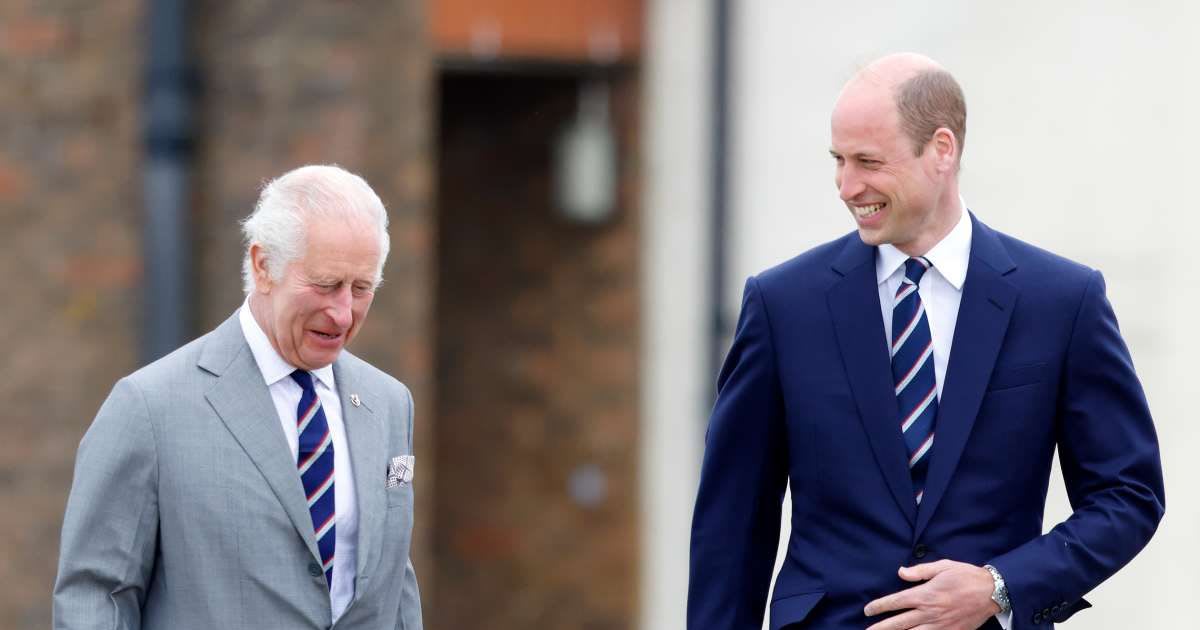
A spokesperson for Buckingham Palace announced efforts to clarify royal finances within a historical and constitutional context. New publications, such as the sovereign grant report and the Duchy of Lancaster’s accounts, will be revealed at a press briefing. The spokesperson highlighted ongoing initiatives for transparency and accountability, detailing additional measures aligned with public service priorities, and a commitment to modernization and evolution. Meanwhile, William also earns income from multiple sources, including the Duchy of Cornwall, a billion-pound hereditary estate that includes The Oval cricket ground and Dartmoor jail. In the previous fiscal year, he received approximately $30.4 million from the duchy and willingly paid the highest income tax rate, although the exact amount is not publicly available.