Why The Attack on Andrew Puts Prince Harry's UK Security Crisis in the Spotlight
With the Invictus Games weeks away, the clock is running out on a security question that can no longer be ignored.
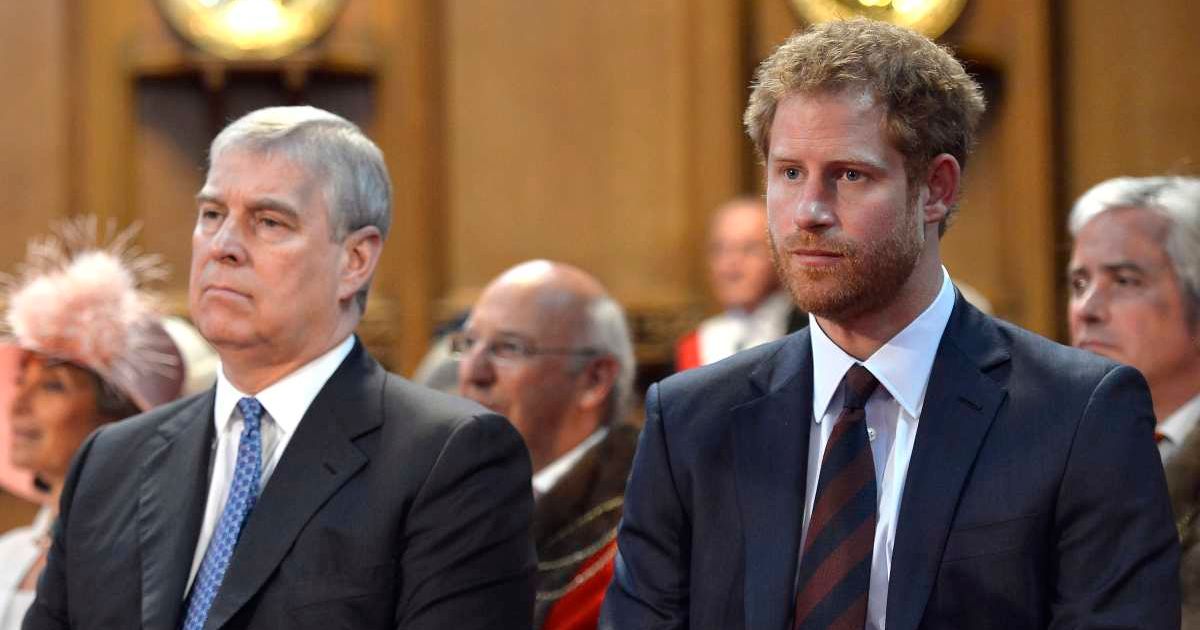


Prince Harry has spent years arguing that returning to Britain without proper security protection is not a risk he is willing to take. For years, that argument has been met with scepticism, legal battles, and indifference. Then a masked man with a crowbar showed up near Sandringham — and suddenly, Harry's worst fears don't seem quite so far-fetched.
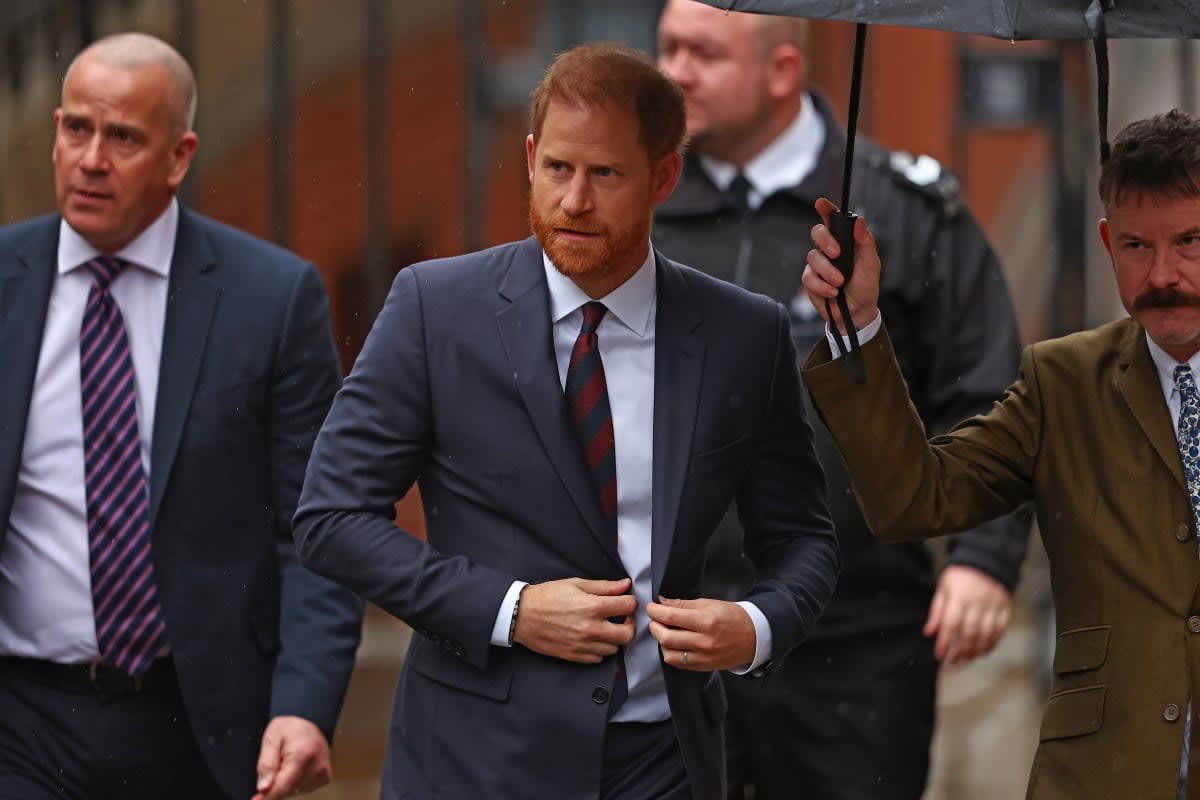
The incident, which unfolded on a Wednesday evening near the Sandringham Estate, was alarming. A man leapt from his car, screaming abuse, and charged at Andrew Mountbatten-Windsor. At the same time, he walked his dogs, getting within fifty yards of the former royal and his unarmed private bodyguard before the two scrambled into their vehicle and sped away. A crowbar was later found in the attacker's car. Norfolk Police confirmed the arrest of Alex Jenkinson, 39, on suspicion of a public order offence and possession of a weapon.
The details are worth sitting with. A masked man, armed, charging towards a member of the royal family on public land near his home. Tom Sykes wrote, for The Daily Beast, that this is "arguably the most serious security breach in modern royal history."

Whether one has sympathy for Mountbatten-Windsor is, as Sykes pointedly notes, "entirely irrelevant." What matters is what this attack signals. And as per Skyes, Harry has been made aware of the attack, and while those close to him have not yet disclosed his precise reaction, Sykes reports they believe "it's reasonable to assume he will be seriously concerned, and will now double down on his position that he simply cannot bring his wife Meghan Markle and their children back to the United Kingdom without a comprehensive security package in place." The incident has, in effect, handed Harry's legal and personal argument its most visceral proof of concept yet.
And the machinery governing Harry's security when he visits the UK runs through RAVEC, the Royal and VIP Executive Committee, and has a complicated process. Under the current arrangement, Harry must give thirty days' notice of any visit, after which RAVEC makes a case-by-case determination about what protection he receives. His camp has long argued that this process has not been conducted in good faith. The incidents bear that out. Last September, a known stalker managed to get within feet of Harry on two separate occasions during a single London visit.
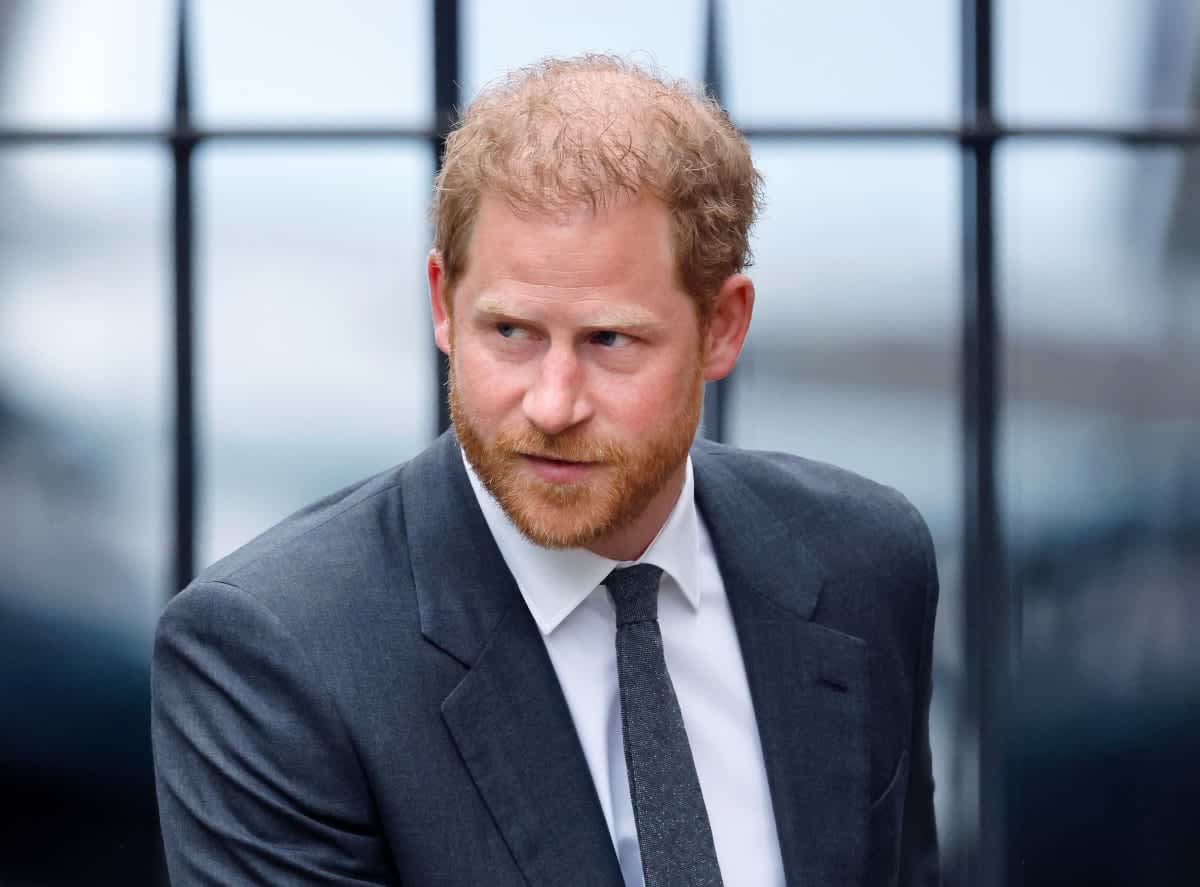
The royal family and the British government have little incentive to make Harry's return easy — the logic of royal exile, he argues, is deliberate. Unlike Edward VIII, who depended financially on the Crown and could therefore be controlled, Harry cannot be. "The only lever they have," Sykes writes, "is security."
Because Harry is not simply a former royal. He is a combat veteran, a man who wrote in his memoir that he killed twenty-five Taliban fighters, and someone against whom an al-Qaeda fatwa was explicitly issued — credible enough to be read into the court record during his RAVEC appeal. "If something were to happen," Sykes writes, "it would be catastrophic, not just for Harry, but for the United Kingdom, the monarchy, and the country's reputation in the world."
The Invictus Games in Birmingham are weeks away. Whether Harry will have adequate protection when he arrives remains unresolved. What his team is clear about, however, is that Markle and the children will not be joining him in Britain until the security situation changes in a meaningful, documented way. Sykes talking about the same wrote, "The time has come to untangle status from safety," he wrote. "But the fact that Harry has been foolish," Sykes concludes, "does not mean he should be unsafe."