Prince Harry’s Security Saga Proves He May Have Been Telling the Truth All Along
Fresh developments in his UK protection case have reopened questions about who really holds the levers of control.
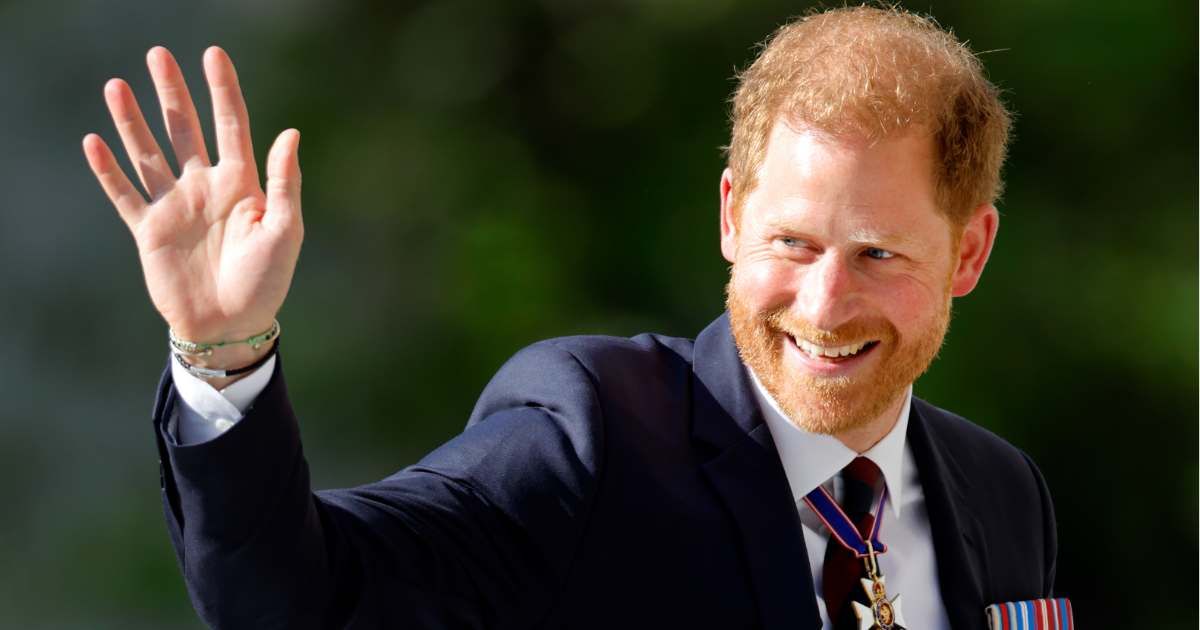


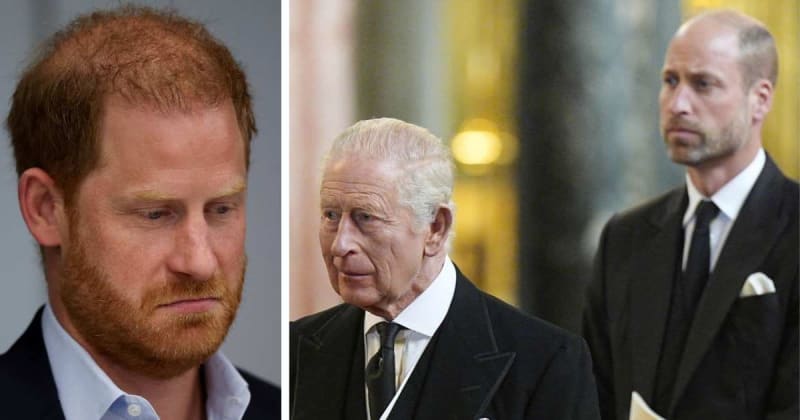
Prince Harry's fight for state-funded police protection isn't new, but it's back in the headlines after reports emerged that his security is 'nailed on', after a fresh risk assessment by the Home Office. However, there was one key thing that sources warned could derail the good news, bringing fresh scrutiny to how his protection is arranged and decided, and who has the right to influence it.
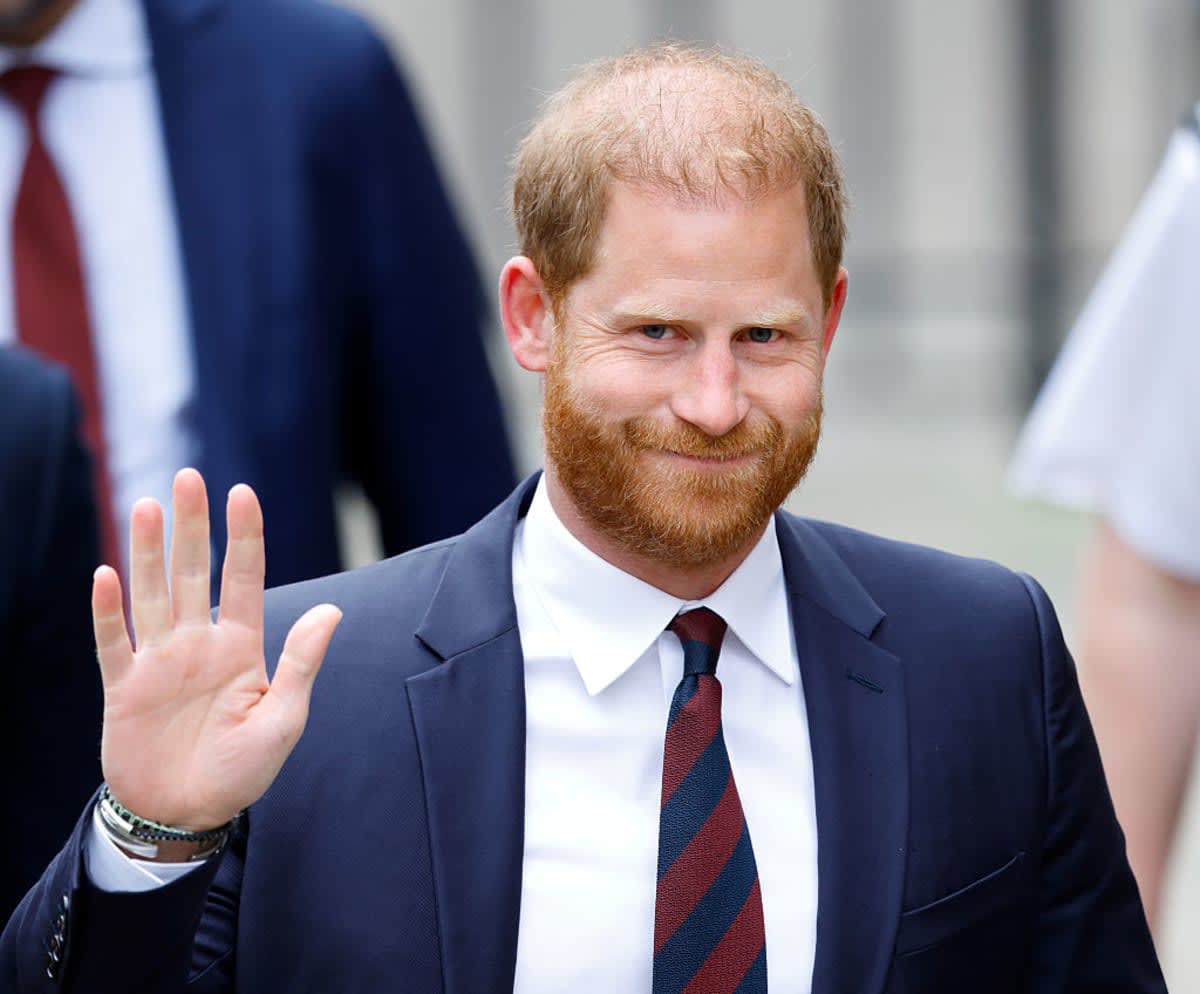
The Duke of Sussex, 40, told BBC News in May last year that an appeal he had made against the reduction of his police protection, after he stepped back as a working royal in 2020, had been lost. The court maintained the status quo — security is assessed on a 'case-by-case' basis, rather than being granted by right. During the interview, Harry said the dispute has extended family tensions for a long time. "I'd love to make amends with my family. There's no sense in carrying on with this," he said. Harry also said he believed the security issue could still be resolved. “There is a lot of control and ability in my father’s hands,” he argued. “Ultimately, this whole thing could be resolved through him. Not necessarily by intervening, but by stepping aside, allowing the experts to do what is necessary.”
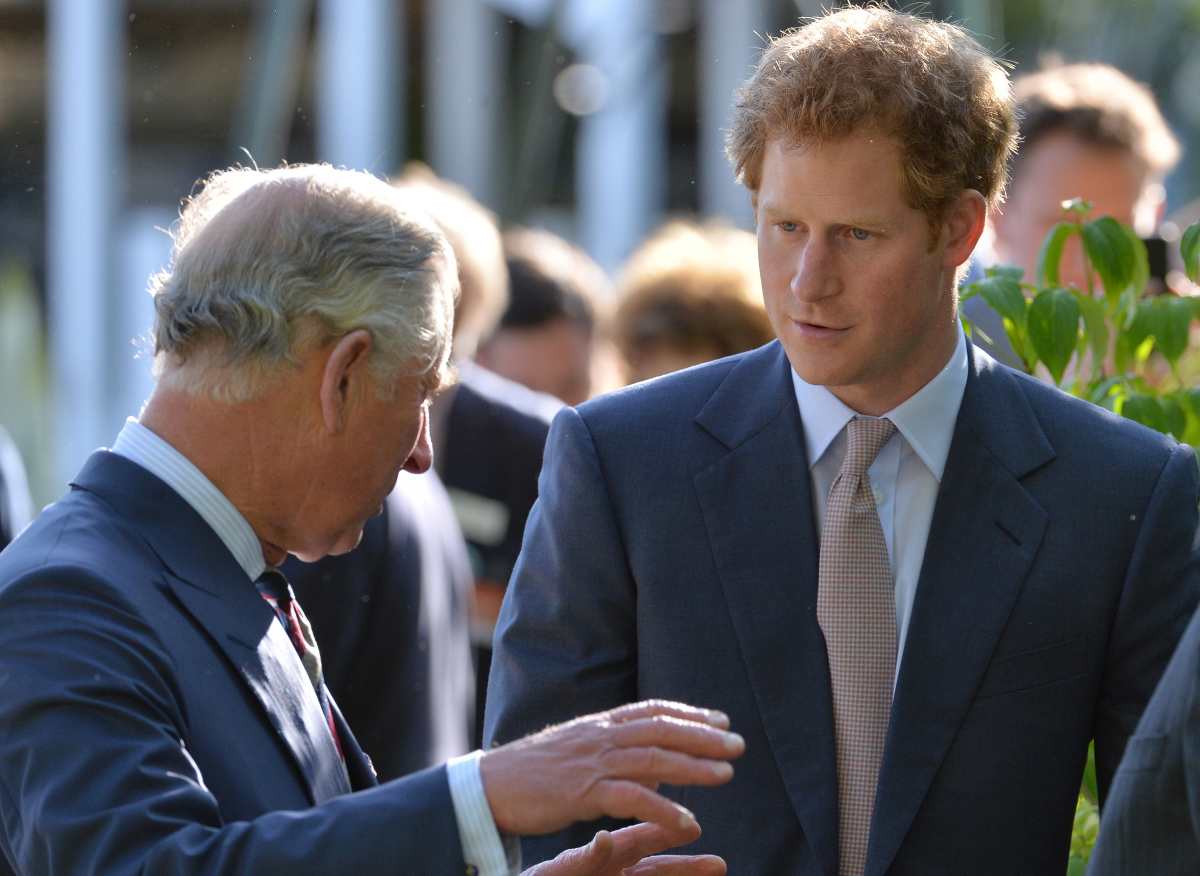
However, Buckingham Palace has consistently denied that the King has the power to reinstate Harry’s security, maintaining that such decisions fall under the authority of the Home Office and the Royal and VIP Executive Committee (RAVEC). Palace sources have also repeatedly said the monarch does not control the process.
Unfazed by the legal challenge, Harry continued to pursue a reassessment through official channels. In a written submission, he asked RAVEC — a Home Office committee — to 'abide by its own rules,' which state that the risk management board should assess each member of the royal family and other qualifying VIPs annually.
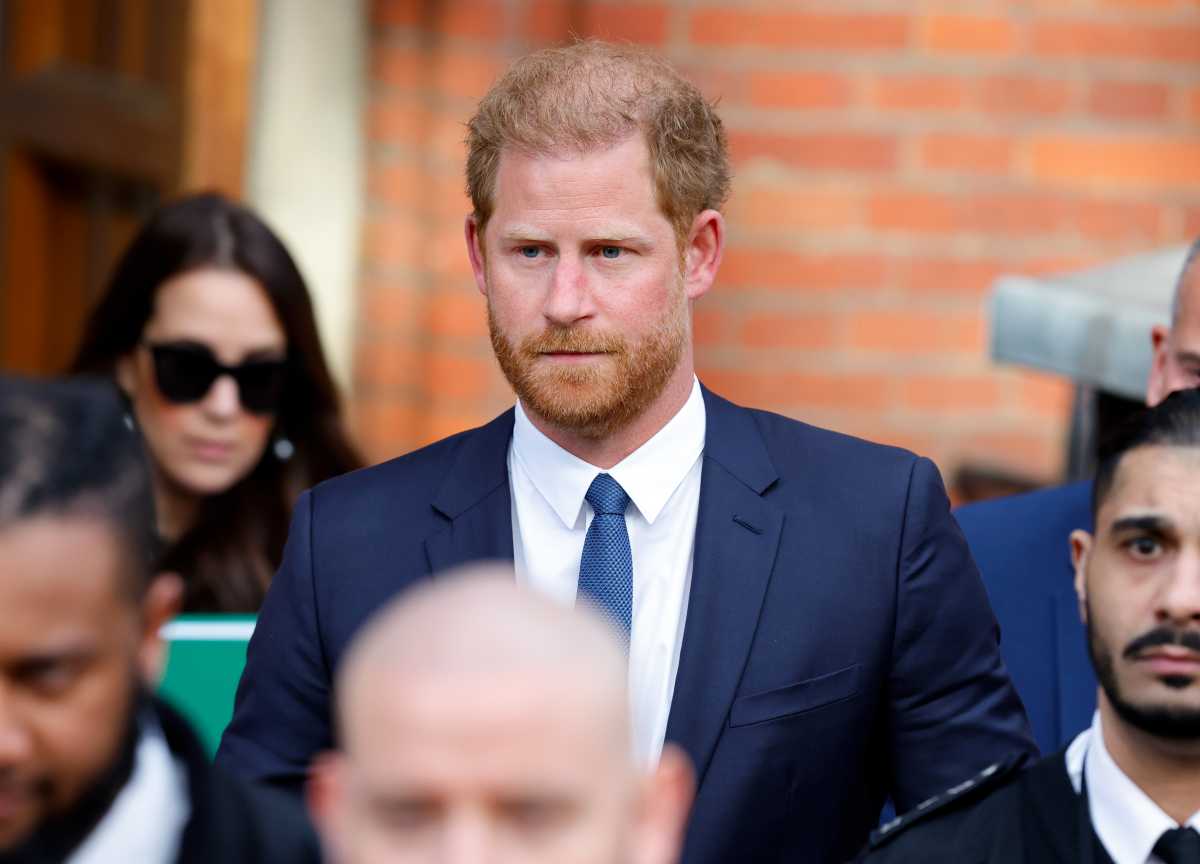
Harry’s last risk assessment had been carried out in 2020, before he withdrew from royal duties and relocated to the United States. But, according to sources, members of the risk management board have now concluded that Harry meets the threshold for protection, leaving RAVEC with limited scope to reject the recommendation. And yet, a source told The Mail that “the only thing that could scupper his approval now would be an intervention from the Palace.”
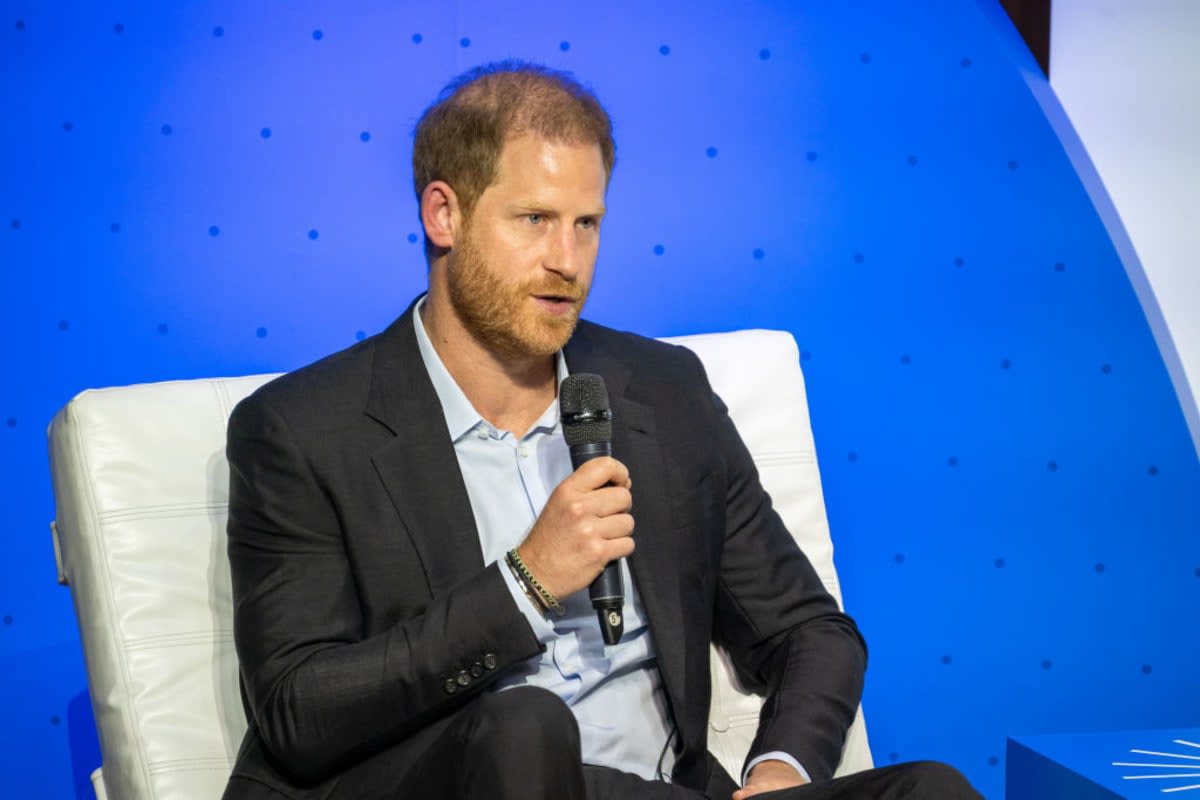
The remark sits alongside Buckingham Palace’s long-held position that the monarch does not control decisions around royal security. Palace sources have consistently said such matters are determined independently by RAVEC, not directed by the King or his advisers. RAVEC itself is made up of senior security officials from the Home Office, the Metropolitan Police, and the Royal Household, who jointly advise an independent chairman on who should receive protection and at what level.
And it can be assumed that the change in heart may be because there have been indications of a possible thaw in relations, with King Charles said to be keen to see his grandchildren in the UK again. The King last met Prince Archie and Princess Lilibet during Queen Elizabeth’s Platinum Jubilee celebrations in February 2022, when Archie was two, and Lilibet was just six months old.