Why Charles and William’s $1.3B Property Empires Are a Modern Scandal Hiding in Plain Sight
A recent investigation revealed more than 5,000 landholdings, from farms, cables, mining rights, pubs, and office spaces at the Duchy of Cornwall.
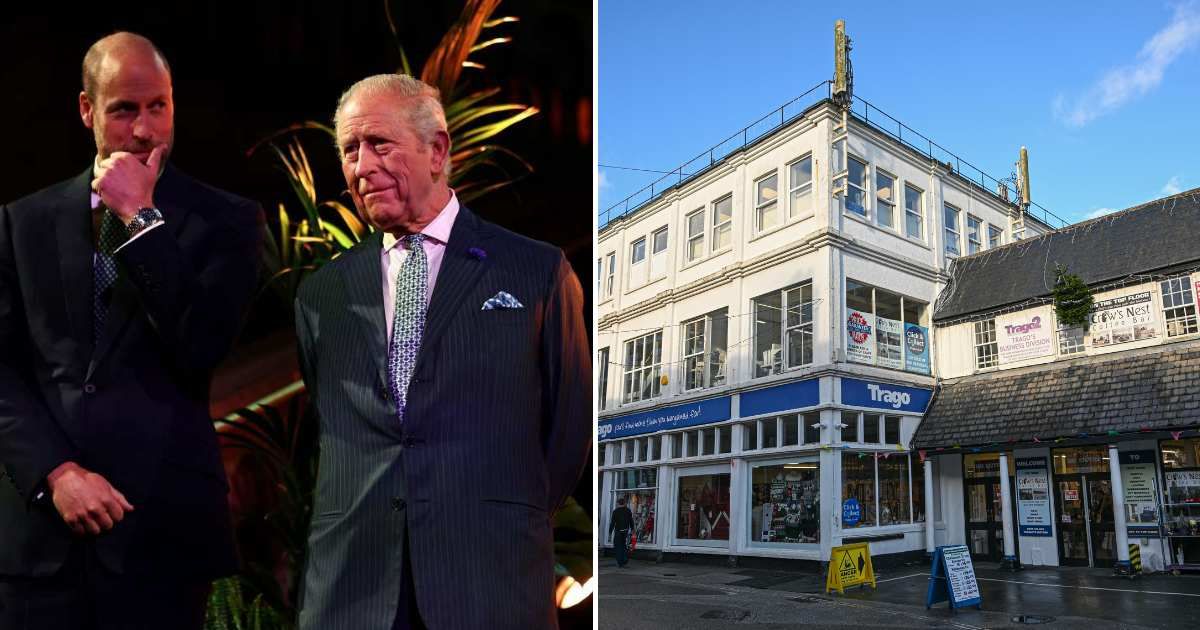


The vast property empires funding King Charles and Prince William have long functioned out of the public eye. But a recent investigation has suggested they represent a modern controversy hiding in plain view. A recent investigation by The Sunday Times Insight team discovered more than 5,000 landholdings, from farms, cables, mining rights, pubs, and office spaces. William’s Duchy of Cornwall portfolio, worth £1 billion ($1.32 billion), is at the forefront, generating £23 million (approx. $30.5 million) of the same, raising questions about how such wealth operates when transparency is limited.
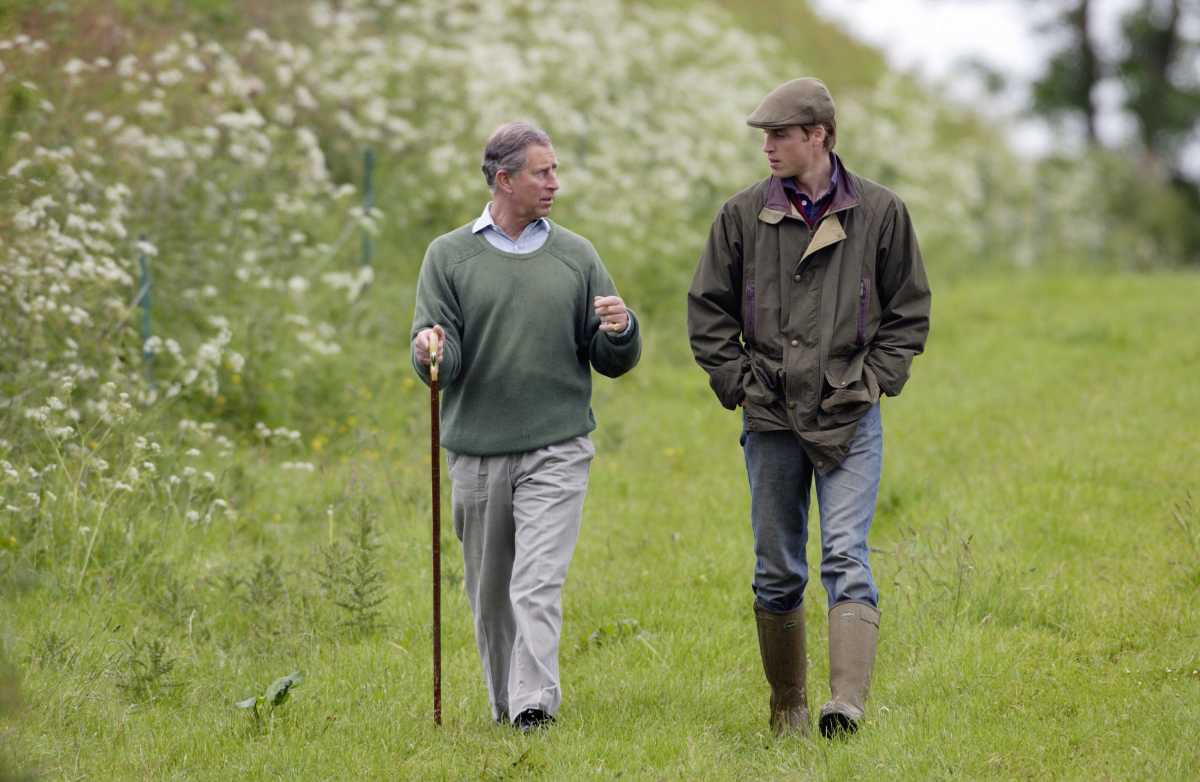
As per The Sunday Times, the Duchy has defended its decision to sell the historic Bradninch estate situated in Devon by stating it is diverting resources to areas of greater “social and environmental need.” However, the Cornish farmers are fearing their uncertain future now, as it has led to criticism that the estate is prioritizing profits over people. Critics include Baroness Hodge, who has argued that the Duchies are private entities and stressed that there is a clear 'public interest' in greater transparency and scrutiny over how they are run.
The concern has shed light on what has often been described as a centuries-old issue. Royal finances are known for being contentious, as monarchs inherited vast wealth while negotiating with the parliament regarding what they would keep and return to the state. The Sovereign Grant gets funding from a portion of profits from the Crown Estate, which supports official royal duties. It has grown from £7.9 million ($10.48 million) in 2011 to an unexpected £137.9 million ($182.9 million) by 2026-27. Apart from this, both the Duchies of Lancaster and Cornwall continue to operate as major private income streams, a norm that dates back to the 14th century.
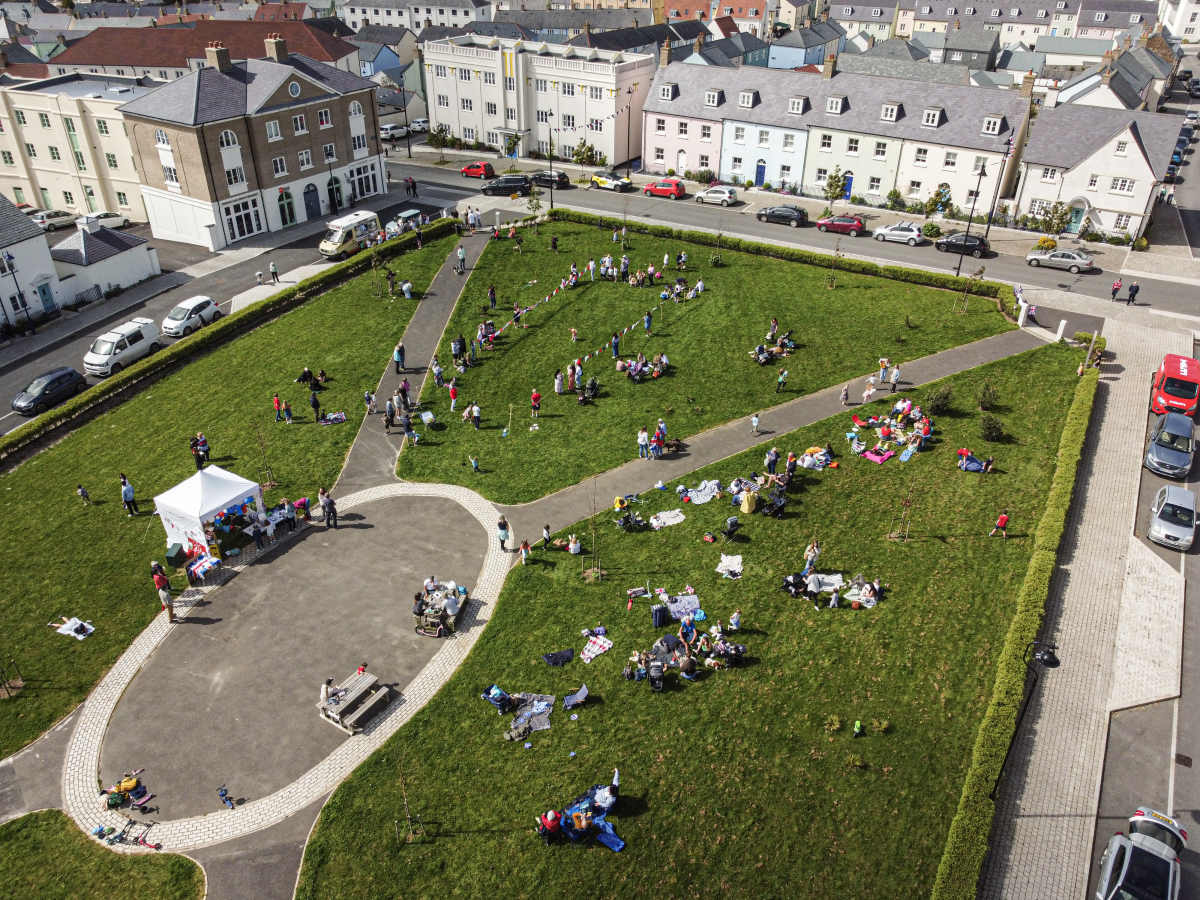
Despite being called commercial operations, these estates have significant advantages for their benefit. They pay no capital gains or corporation tax and are spared from certain property laws. Both Charles and William have said they voluntarily pay income tax at 45 percent; only the former has disclosed the figures, paying £5.9 million ($7.8 million) in 2021-22 after deductions. In contrast, William has never revealed how much tax he pays. It has added to the ongoing concerns about accountability.
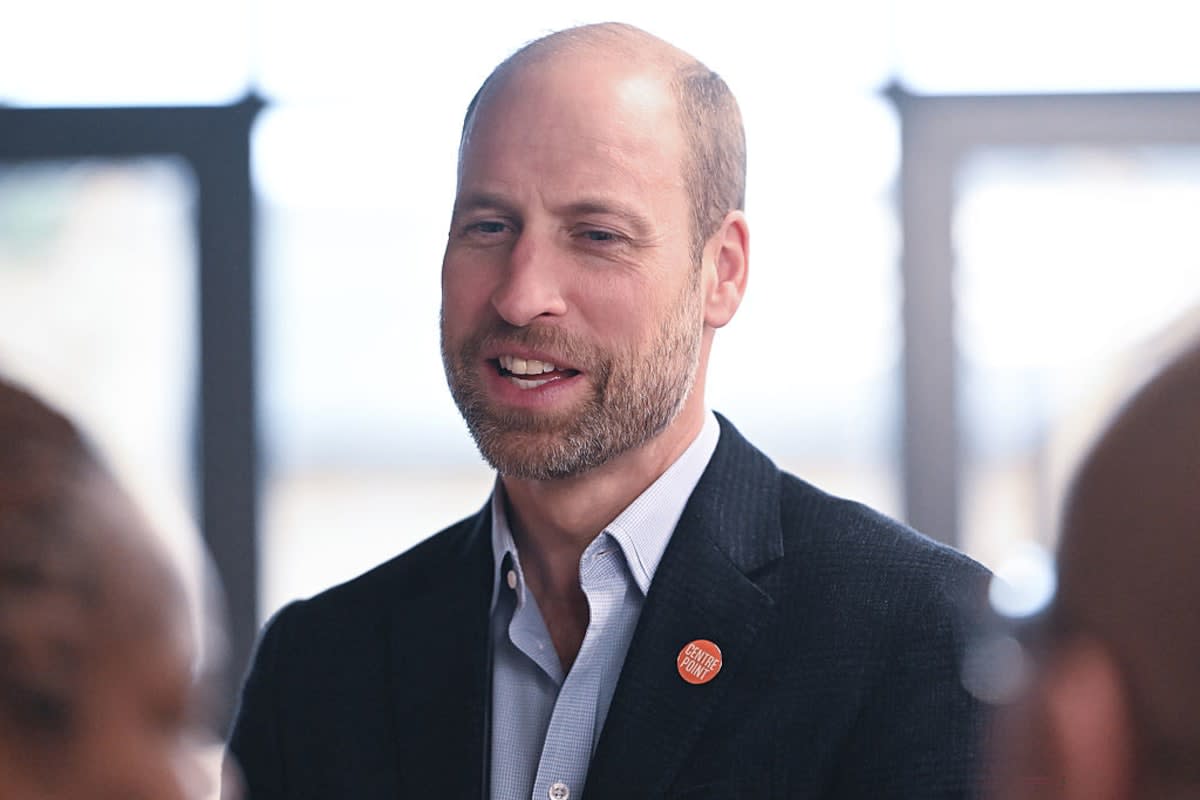
These concerns have heightened if one looks at how the estate generates income in today’s time. Reportedly, the Duchies have shifted towards ventures garnering more profits like office buildings, offshore wind leases, service stations, and so on. Author David McClure said royal finances are 'shrouded in fog.' Reports suggest that the Duchy of Lancaster received £829,000 annually ($1.1 million) from the NHS, totaling up to £11 million ($14.6 million) over 15 years, for ambulance parking, which has intensified debate as to why the lines are being blurred between taxpayer-funded money and the profits earned by the King's estate.
Since the investigation, William stopped charging rent to community service, with the Duchy of Cornwall stating it had taken the chance “to stop and reflect” and would initiate a “new policy” to make sure it was “a force for good in the years to come.”