Trooping the Colour Has Quietly Helped the Monarchy Rewrite the Story Beyond Its Missing Royals
Ask the average Joe and it's a balcony parade; for others, Trooping the Color is a 'power move' rewriting the monarchy beyond its absences.
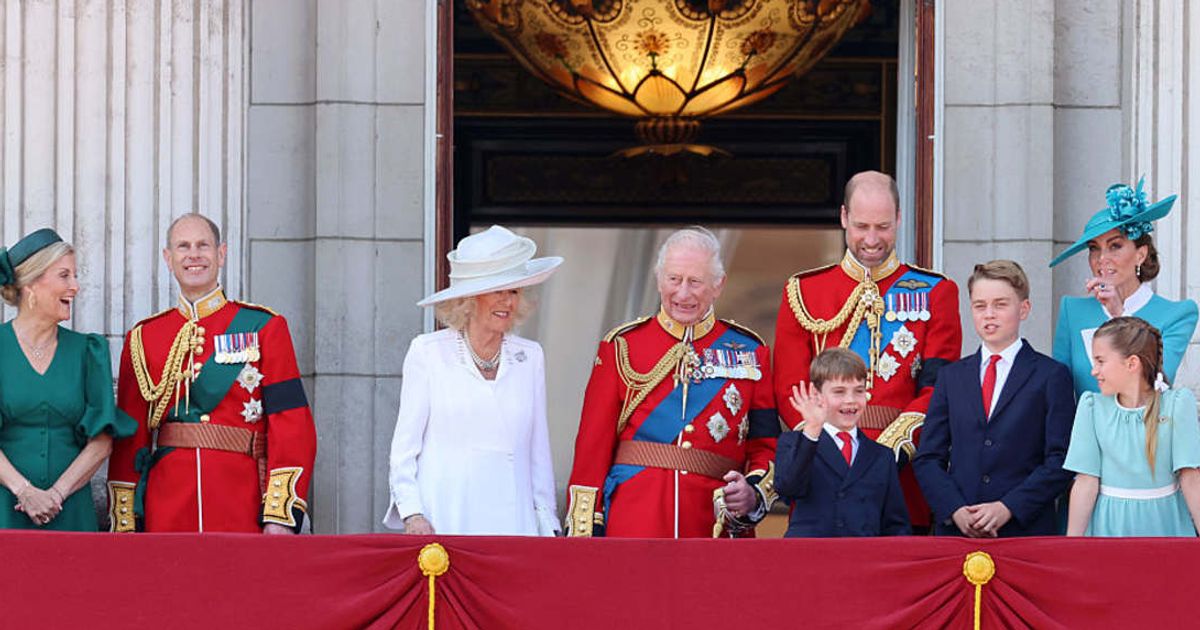


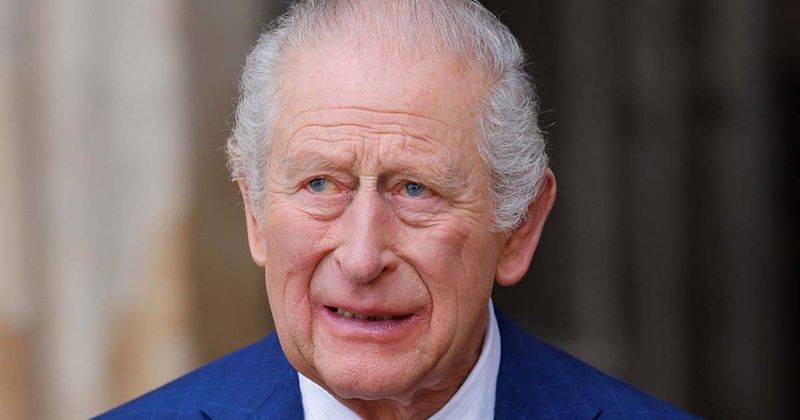
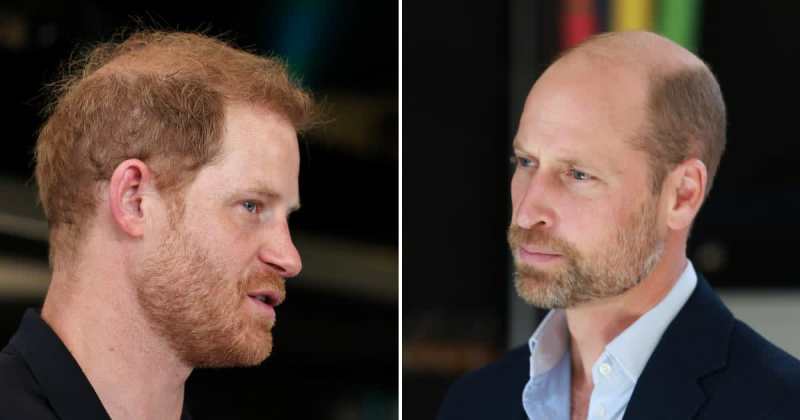
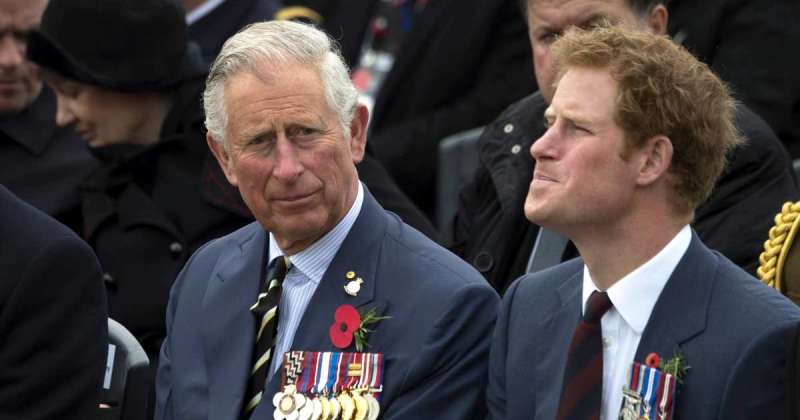
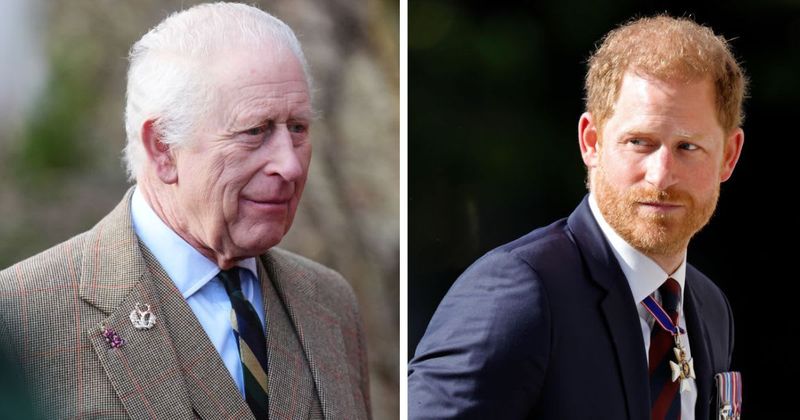
Ask the average Joe about Trooping the Color, and you'll likely get a shrug, or at best, a half-baked recollection of the royal family waving from a balcony in crisp uniforms. Ask a royal enthusiast, and it becomes King Charles's 'power move,'— a carefully staged signal to show the absent ones what they've been missing. Some see an emptier balcony after Prince Harry, Meghan Markle, and Andrew Mountbatten-Windsor's exit; a long cry from the past when senior royals vied for a place while the little ones covered their ears. However, beneath the pomp and pageantry stands a monarchy still very much in motion, one that now spotlights the young royals as the polished next act stepping in to take the reins.
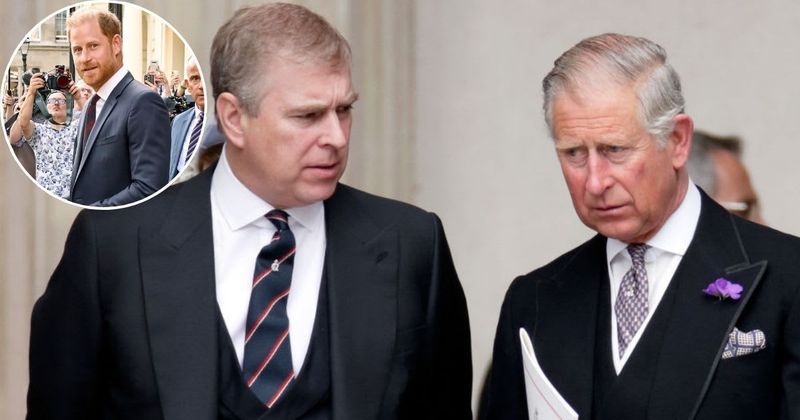
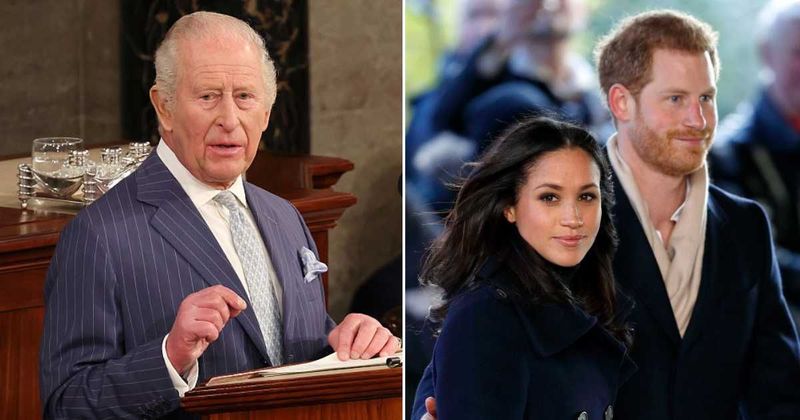
Despite the relatively 'slimmed-down' balcony, the event remains a piece of national symbolism that still draws millions of viewers across the UK and globally. An annual celebration of the reigning monarch's birthday, regiments parade and present their colors in a structured display of discipline and unity. Ironically, that sense of unity has not always mirrored the Firm, which in recent years has seen several departures from its senior members. From the Sussexes' 2020 exit to Mountbatten-Windsor's Epstein fallout, to Lady Louise moving to college, and Princesses Beatrice and Eugenie pursuing independent careers, the family tree has thinned at the working core since the late Queen Elizabeth and Prince Philip's passing.
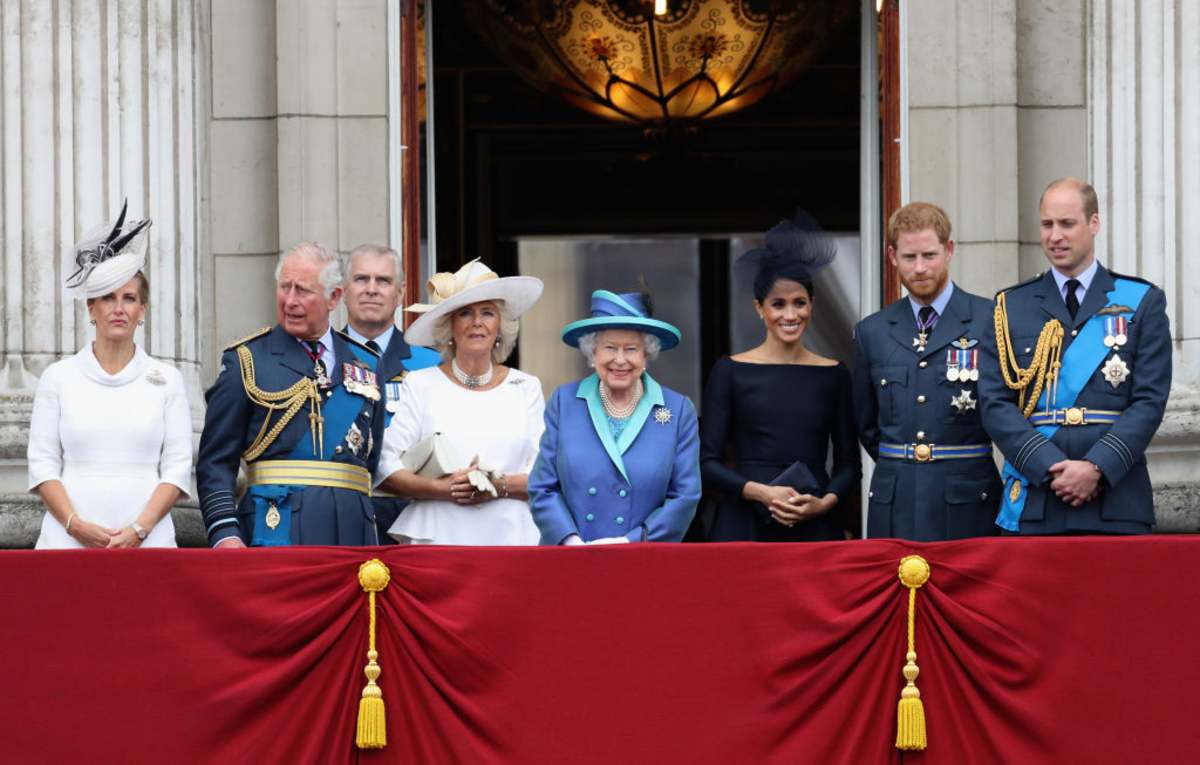
Royal observers have often pointed to the balcony appearance as one of the monarchy's most powerful visual tools. By restricting it to working royals, Charles has effectively turned a centuries-old tradition into a public display of his slimmed-down monarchy, emphasizing duty and institutional roles over family connections. Whether viewed as practical modernization or a symbolic power move, the message is difficult to miss.
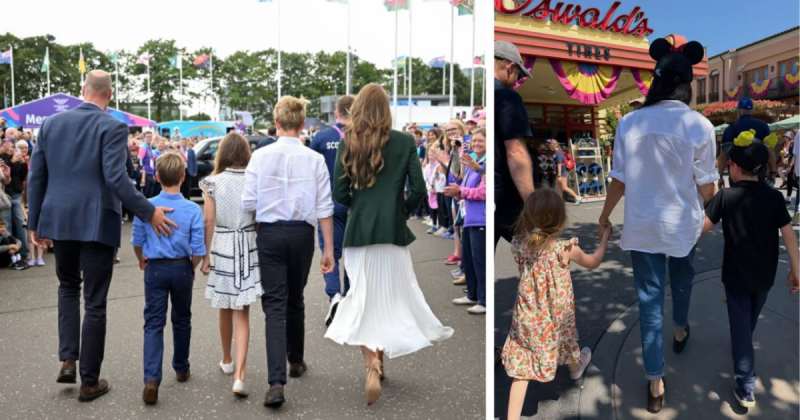
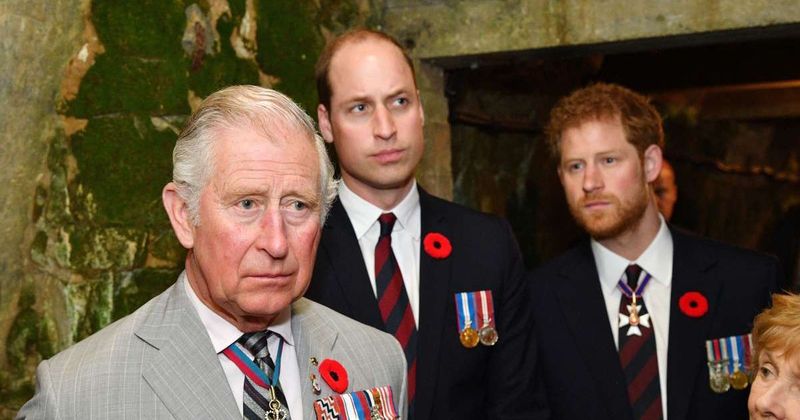
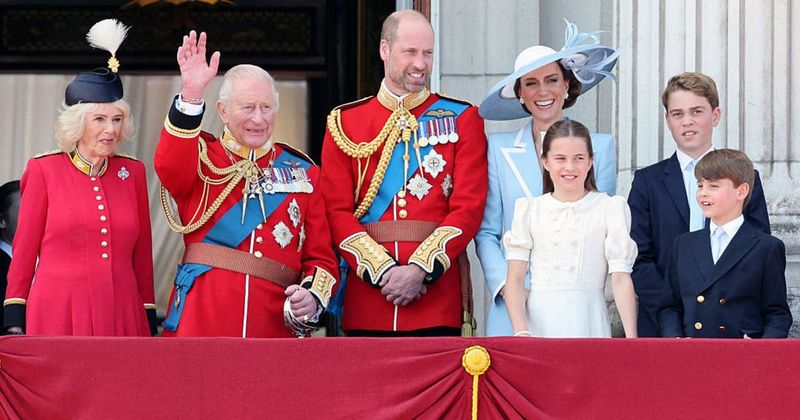
And what remains now is a fraction of what it once was, with the 2025 parade featuring King Charles, Prince William, and Kate Middleton with their three children, Prince Edward, Duchess Sophie, Princess Anne, Sir Timothy Lawrence, the Duke and Duchess of Gloucester, and the Duke of Kent. However, a closer look would point out the next generation figures of the Trooping imagery throughout: the Wales children, Prince George, Princess Charlotte, and Prince Louis. Although far too young for public duties, the message is subtle but effective: why dwell on the members who are absent when the next generation is already providing a compelling glimpse of the institution's future?
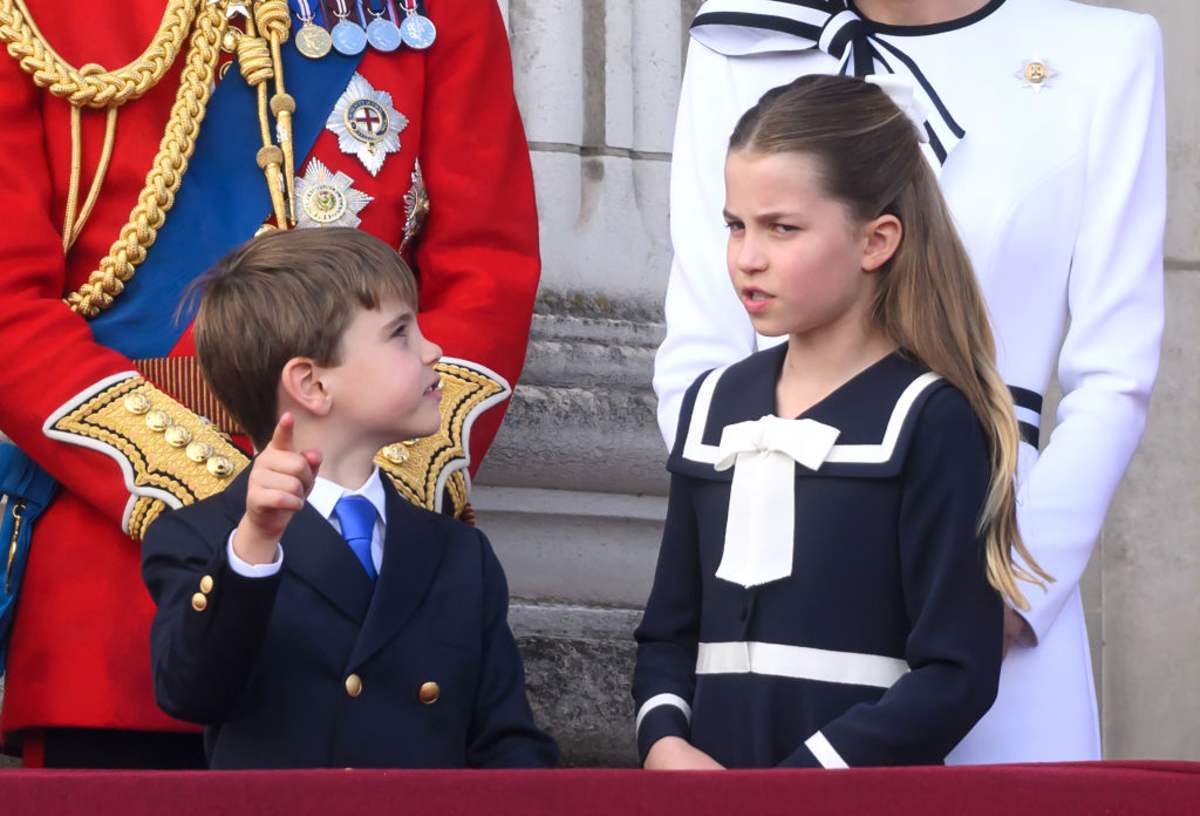
Against that backdrop, Charlotte and George seem to be the Firm's go-to children to demonstrate the institution's bright future. Case in point, the only daughter of William and Kate was seen gently correcting her younger brother during the 2023 Trooping the Color parade, asking him to sit properly in the carriage. Another incident during the Queen's Platinum Jubilee in 2022 saw her stop Louis from waving after the rest of the family had stopped. It didn't take long for social media reels and press headlines to compare her composed demeanor to that of her late grandmother, Princess Diana. As a result, Charlotte's visible sense of etiquette has frequently been framed, fairly or not, through the lens of Diana's warmth, caring nature, and highly visible maternal composure in public life.
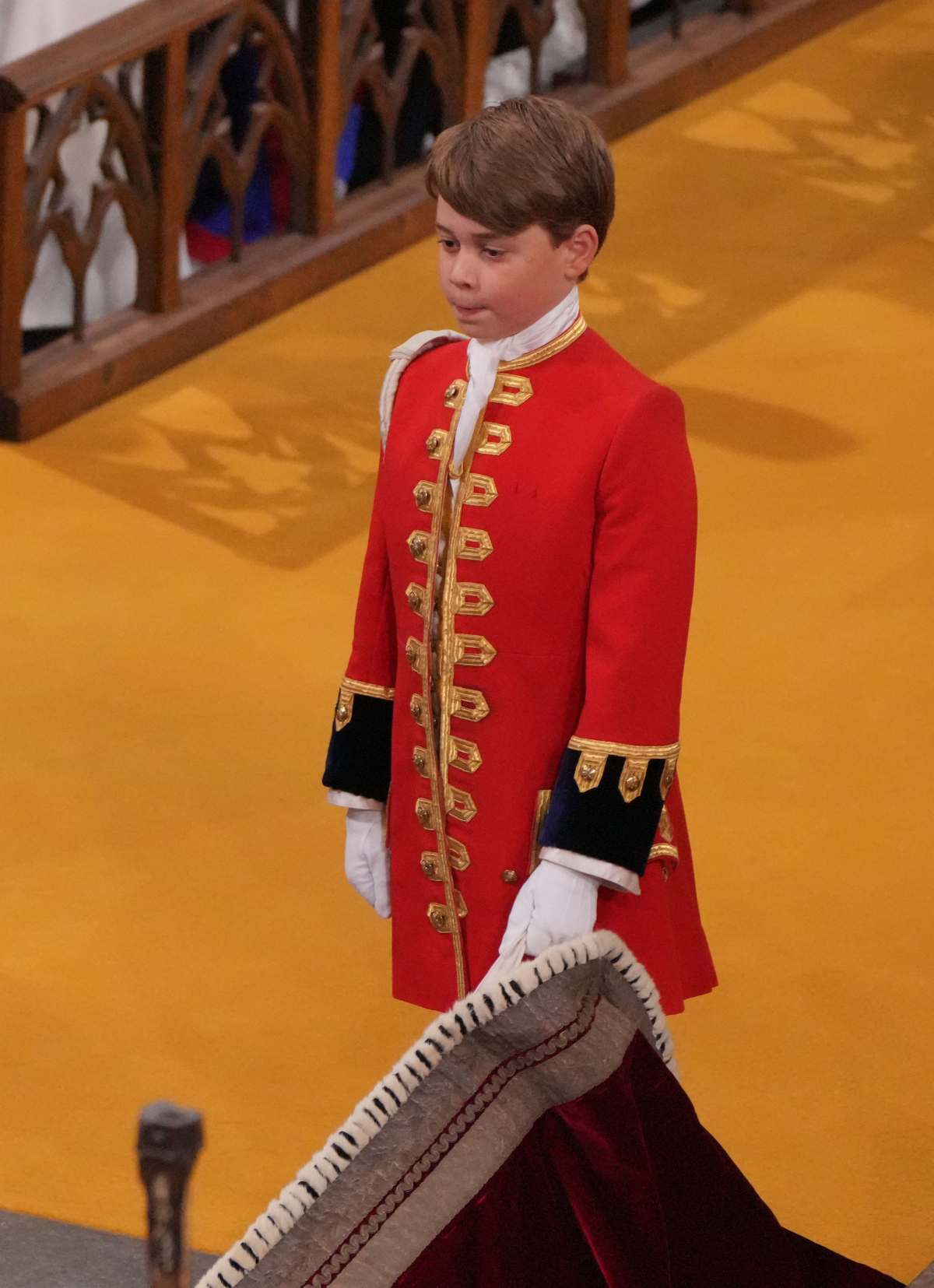
Then there's her older brother, George, who served as the Page of Honor at Charles's 2023 coronation, appearing composed, attentive, and visibly aware of the solemnity of the occasion, mirroring his Trooping the Color appearances. His posture, stillness, and quiet restraint are often interpreted by royal experts as early signs of the discipline expected of a future monarch. And on that note, Edward and Sophie, often dubbed the royal family's 'secret weapons,' have favored no less, quietly supporting the King behind the scenes and maintaining a reputation untouched by controversy. Similarly, Anne, known as the hardest-working royal, continues to command attention at the Palace balcony, showing just how much the Firm leans on its most dependable figures rather than dwelling on the absence of others.
To sum it up, while Harry and Markle are famous in their own right, or in Mountbatten-Windsor's case, infamous, the institution's future lies with the current working royals and the next generation, who appear well-equipped to shoulder their responsibilities. The glamorous Trooping the Color balcony appearances only reinforce that thought, that fame is not directly proportional to the monarchy's visibility; duty and commitment are.
The opinions expressed in this article belong to the author alone and are not attributable to The Royal Observer or its editorial team.