William & Kate Aren't Enough to Save the Crown as Royals Face Their Biggest 'War' Yet: Historian
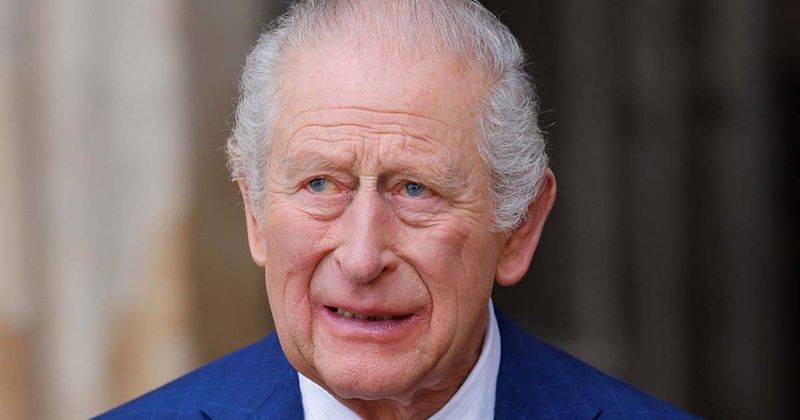
Historian says King Charles and Prince William must define the monarchy’s role before 'little marginal attacks' destroy it.
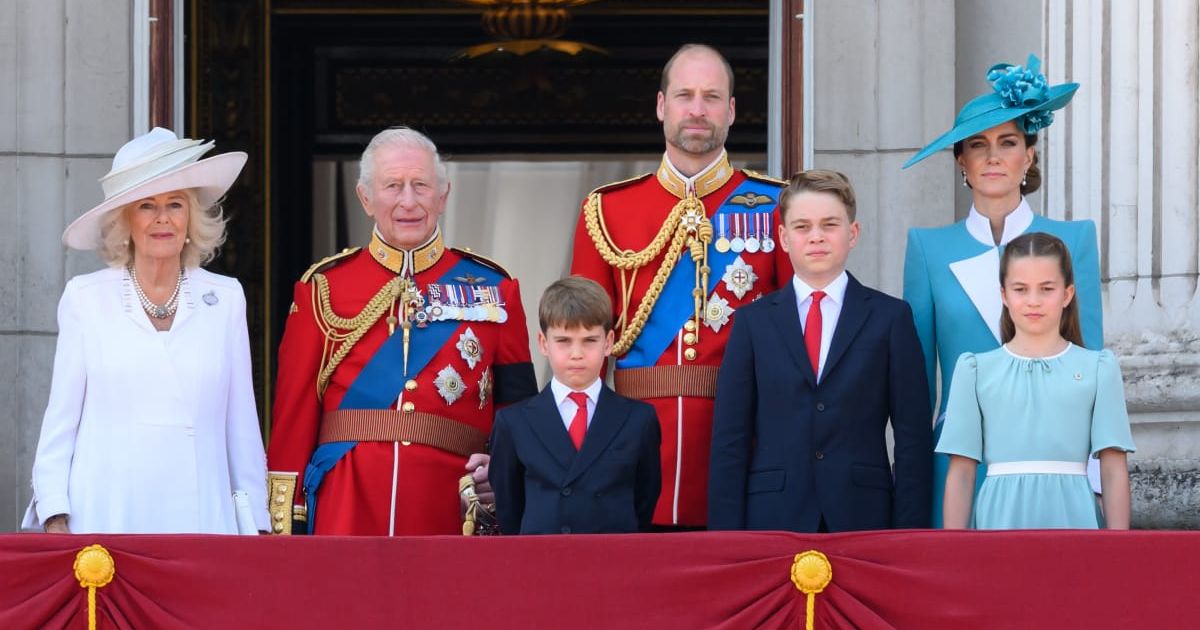


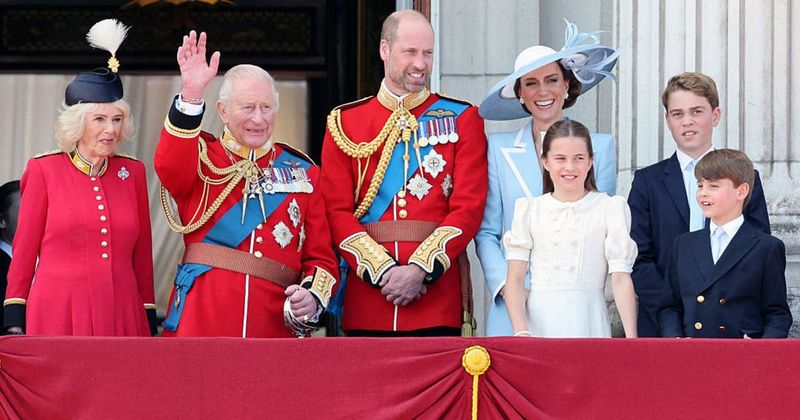
The British monarchy has weathered wars, abdications, and now the Andrew-Epstein scandal, but historian David Starkey believes its greatest threat is far less dramatic — confusion. Confusion over purpose. In his view, unless Britain can clearly articulate what the royal family exists to do in the 21st century, the institution will slowly erode under the weight of its own uncertainty.
From there, he argues, everything else — the Andrew Mountbatten-Windsor saga, the public goodwill enjoyed by Prince William and Kate Middleton, even the King’s global engagements — becomes secondary. The real question is not who is embarrassing whom this week, but whether the monarchy still knows its constitutional role, and whether the country believes in it. Sounding the alarm bells, Starkey said, "If we can’t work out what the royal family is for, the monarchy will die."

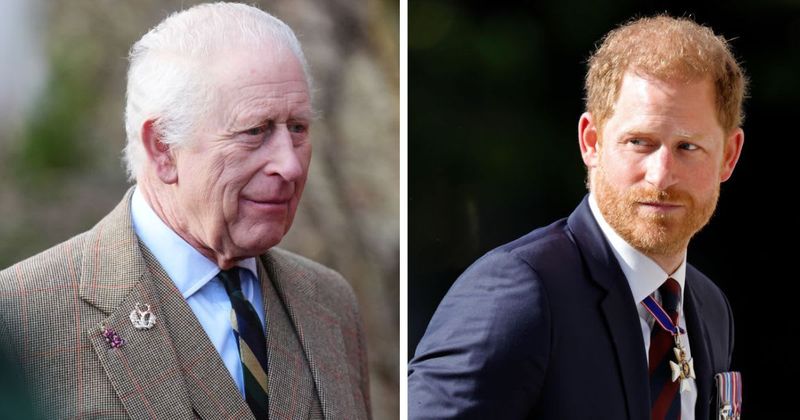
On the subject of Mountbatten-Windsor, Starkey is unsparing but resistant to what he sees as mob justice. “Look, it’s very simple as far as Andrew is concerned, I’m afraid. A lot of people like humiliating others, and there’s a witch hunt underway. We’re being treated to the spectacle of a pillory,” he says, to The Telegraph. Yet Mountbatten-Windsor, as per Starkey, is merely a distraction from the central issue. Even the popularity of the Prince and Princess of Wales, he suggests, cannot solve the deeper problem. He speaks admiringly of Middleton, describing her as well-educated and impressive with “an air of natural personal authority.” Still, he questions whether the image alone is enough. “They are an attractive, youngish couple, and that’s a very important symbol. But equally, just going around the country being nice to people wearing Wellingtons or turning up in the rain isn’t enough.”
He brings up Lord Macaulay in a bid to frame the national mood, saying, “There’s a wonderful phrase from the great historian, Lord Macaulay: ‘There’s nothing as ridiculous as the British public in a periodic fit of morality.’ Right now, the British are in a periodic fit of morality. I’m not remotely defending [Andrew]; he’s an individual of no merit. If the police find a provable case against Andrew, he should be tried, but that should be the end of the matter. I’m not interested in a ritual debagging for the sake of it.”
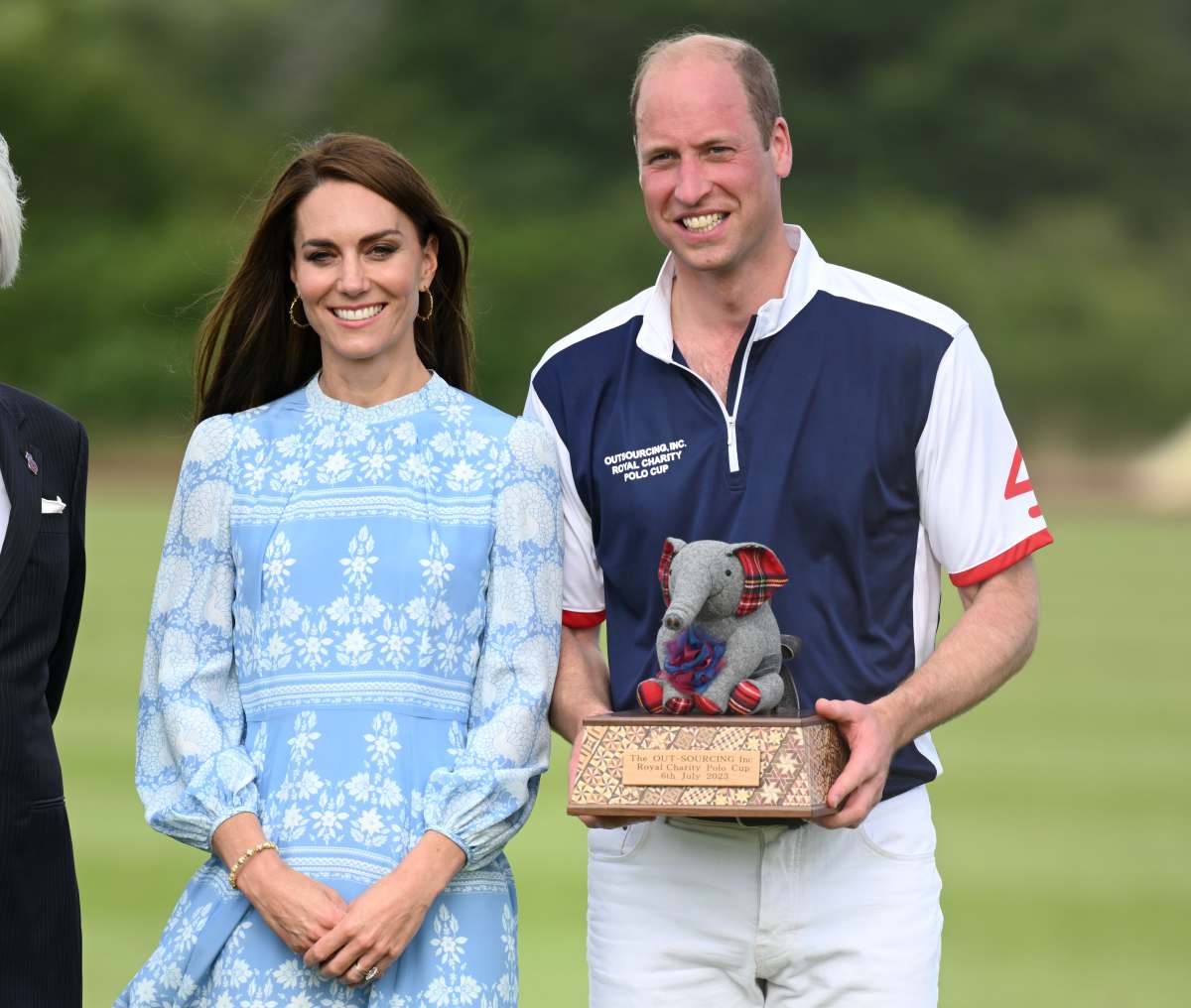
Starkey thinks modern royal activism — whether environmental advocacy or mental health campaigns — risks blurring constitutional lines. “The future doesn’t lie in Charles flying across the world to wear funny clothes and rub noses or William banging on about ecology and mental health; these are increasingly political causes. We should be restoring the monarchy to a unifying national symbol in the place of a vague, meaningless mish-mash of words like tolerance and diversity.”
The stakes, in his view, are almost close to existential. “If the combination of the monarchy and the political class can’t come up with a proper explanation of what the monarchy is for, then all of these little marginal attacks will eventually kill it,” he said.
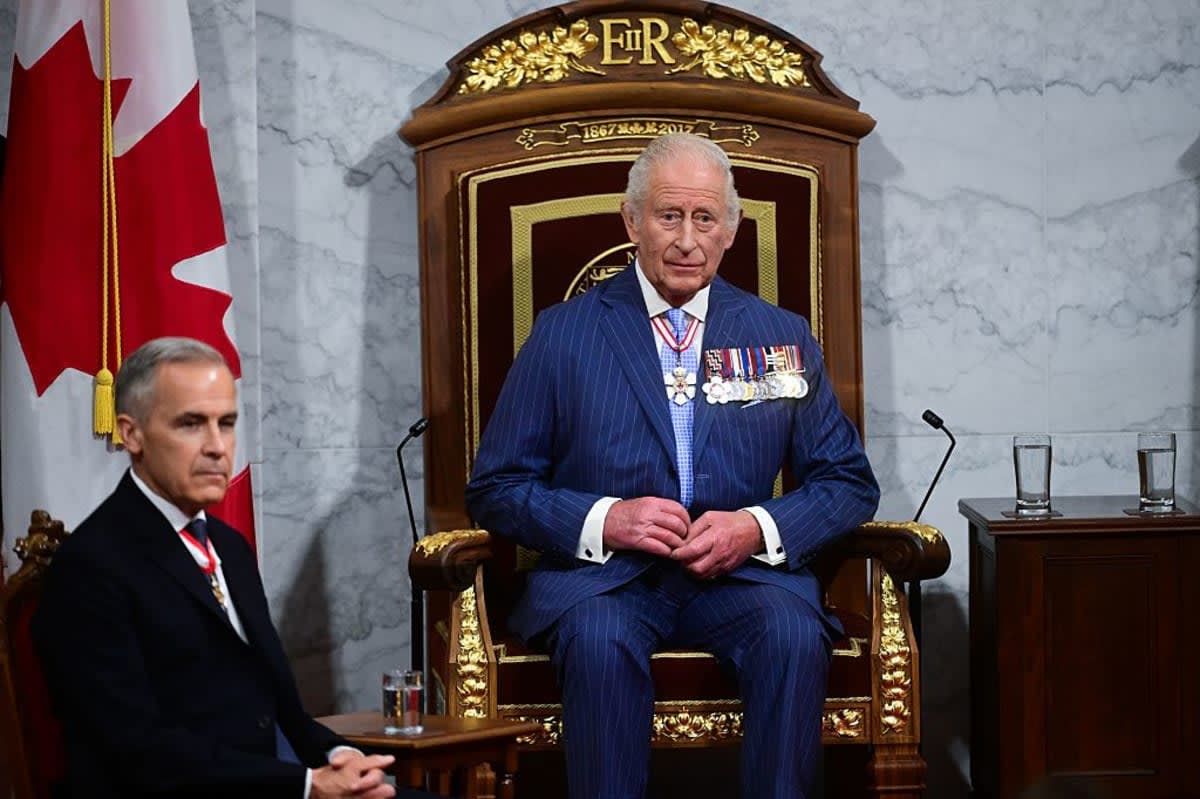
Britain has reinvented its monarchy before — through ceremony, symbolism, and constitutional compromise. Starkey believes it must do so again, not through charm offensives or careful performances, but through clarity of role. “I could easily just retire and do nothing very much,” he said, reflecting. “But I have the sense we are witnessing a genuine moment of national crisis, and I think it’s one that is only comparable to war. It’s the worst of things, it’s the war of all against all — when the rules of civility and the rules of civilisation show signs of acute tension and collapse. We must harness the symbolic power of monarchy to pull us together rather than tear us apart.”