The Truth About Prince William's 'Quiet' Faith — and Why He Will Never Adopt Trump-Level Rhetoric
Royal aides say his commitment to the Church of England is 'quieter than expected.' And one royal writer thinks that's the understatement of the century.


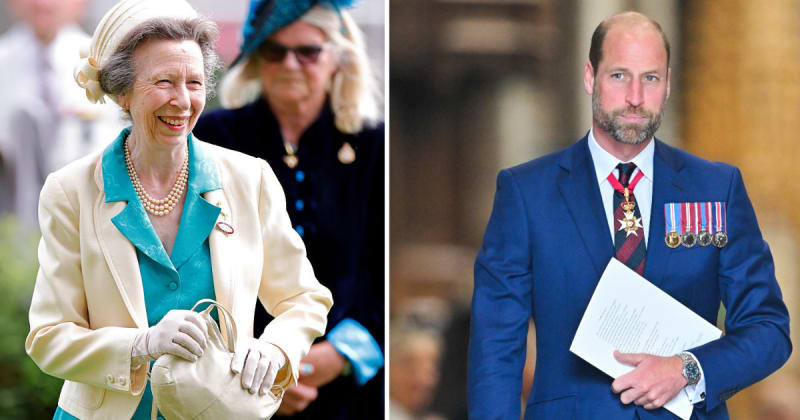
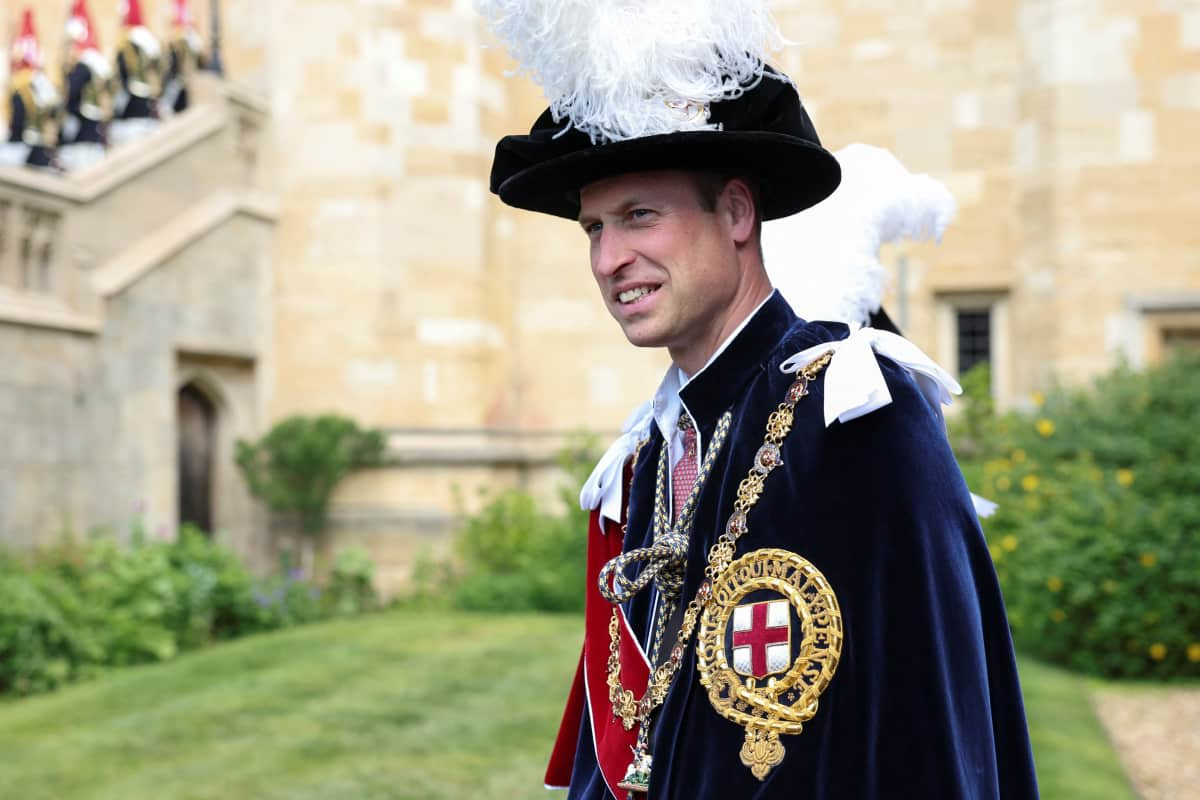
For a future head of the Church of England, Prince William has remarkably little to say about God. A Palace aide informed the press last week that "the Prince of Wales's commitment to the Church of England is sometimes quieter than people expect." They added, "His feeling is, ‘I might not be at church every day, but I believe in it, I want to support it, and this is an important aspect of my role and the next role, and I will take it very seriously, in my own way.'" And as per a royal commentator, that tells you everything!
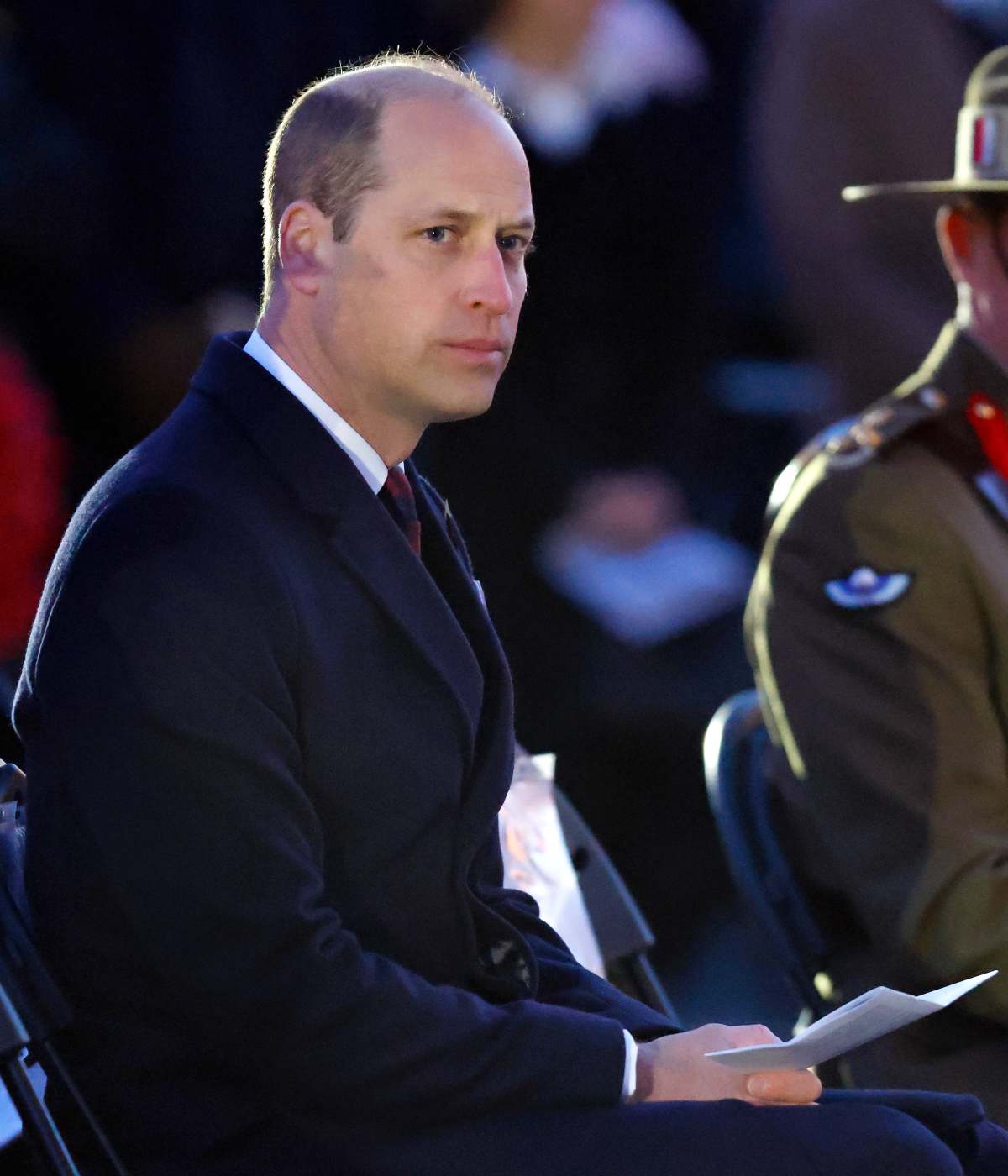
Writing for the Daily Mail, Annabel Fenwick Elliott argues that the line said far more than the Palace intended, and that the quiet is not modesty. It is disbelief. "I don't believe the assertion that Prince William has a 'quiet' faith in God," she wrote. "It looks very much to me like he has no belief whatsoever — and for this I commend him." It is an opening salvo made more so by what follows: sympathy for the position William finds himself in. Destined to one day govern the Church of England, he is constitutionally bound to an institution whose foundational claims his evasiveness suggests he does not share. "I rather wish he'd be brave enough to go further and confess that he, like millions of other Britons and me today, enjoys Christian traditions but doesn't fully believe," Elliott wrote. "He can't, of course, given that he is destined to govern the Church of England."
Her scepticism, she is keen to clarify, is not hostility toward the institution itself. Elliott describes herself as a cultural Christian, someone who finds genuine meaning in tradition while remaining unconvinced by the theology underpinning it. "Christmas is my favorite time of year," she wrote. "I find churches beautiful and enjoy being in them and, given that religion must exist in some form for most humans to feel comforted, I'm glad our country is Christian." Doctrine, however, is another matter entirely. "I do not for one moment believe in the stories of the Bible. I don't think Jesus had magical powers," she added, before going further still, "Honestly, I cannot take anyone seriously who does believe these things."
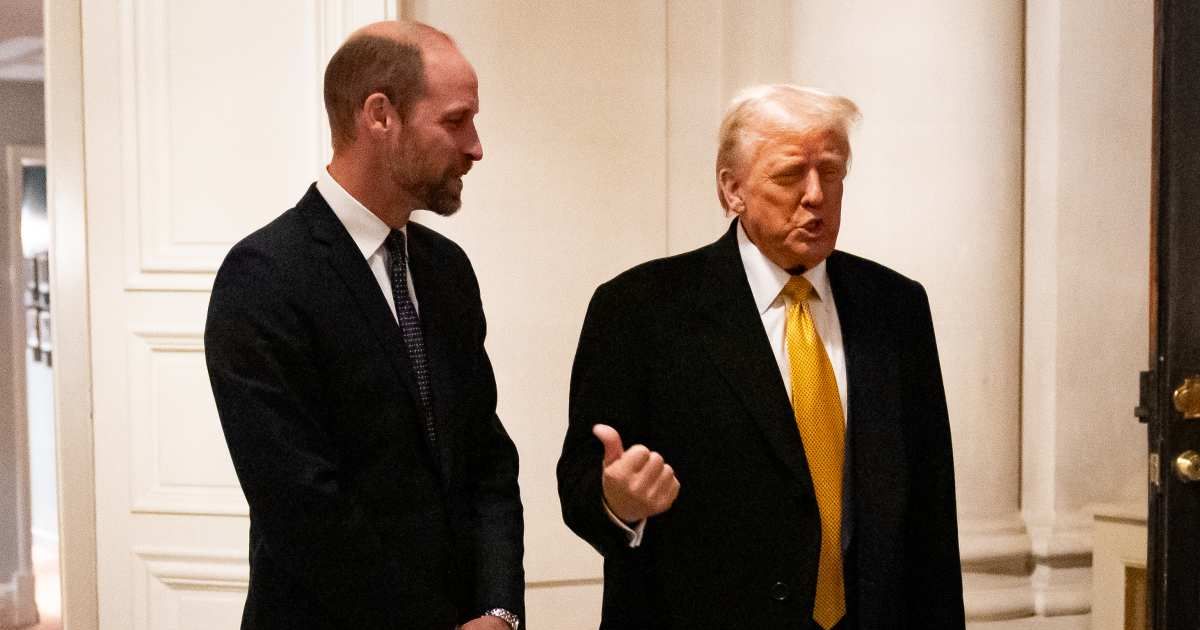
It is in that context that she turns to Donald Trump — and to what she sees as the most damaging version of faith in public life, the performed kind. "Take Donald Trump, who never did anything in his professional career to suggest he might be a godly man," she wrote. "As President of the United States, of course, he must consistently drag God into his rhetoric. I find it creepy." She then proceeds to draw an evident contrast.
Where Trump reaches for God as rhetorical ammunition, William says as little as possible — and Elliott's argument is that the latter is not a weakness but a form of integrity. "Anyone who is currently bashing Prince William for not adopting Trump-level rhetoric about God, which would quite obviously be dishonest of him, needs to don their thinking hat," she argued. "Wouldn't we rather have someone level-headed and relatively 'quiet' about their belief at the helm of the Church of England than a fanatic?"