The Royal Family Has Mastered the Art of Looking United — but Fewer People Are Buying It
A cheek kiss and a friendly hug may calm the chatter, but they no longer convince a public trained to look beyond the photo op.
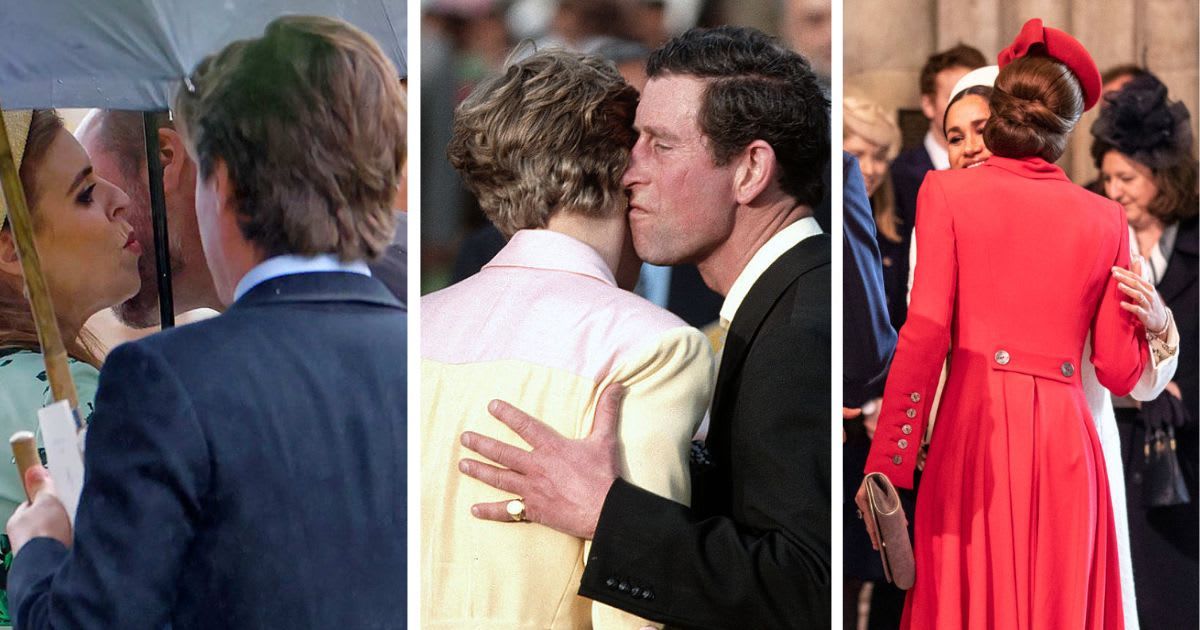


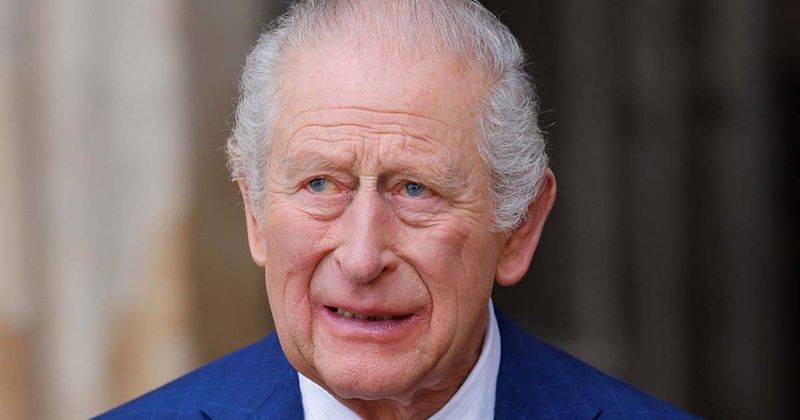
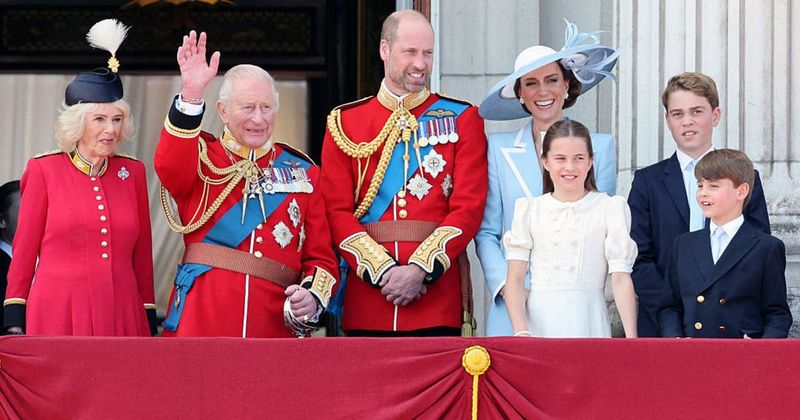
For an institution riddled with abrupt exits, shameful associations, and tell-all interviews, the royal family's preferred vehicle of response remains the same: smile politely, carry on quietly, and trust time to smooth the rough edges. After years of navigating choppy waters, even its smallest gestures of unity now raise eyebrows. A cheek kiss, a warm hug, a strategic smile—internet sleuths and body language experts pick apart each, then spin it into theories that linger until the next balcony appearance. For the royals, such symbolic gestures help paper over the cracks. For the public, they amount to little more than proof that everyone can stand in the same frame, but not necessarily on the same page.
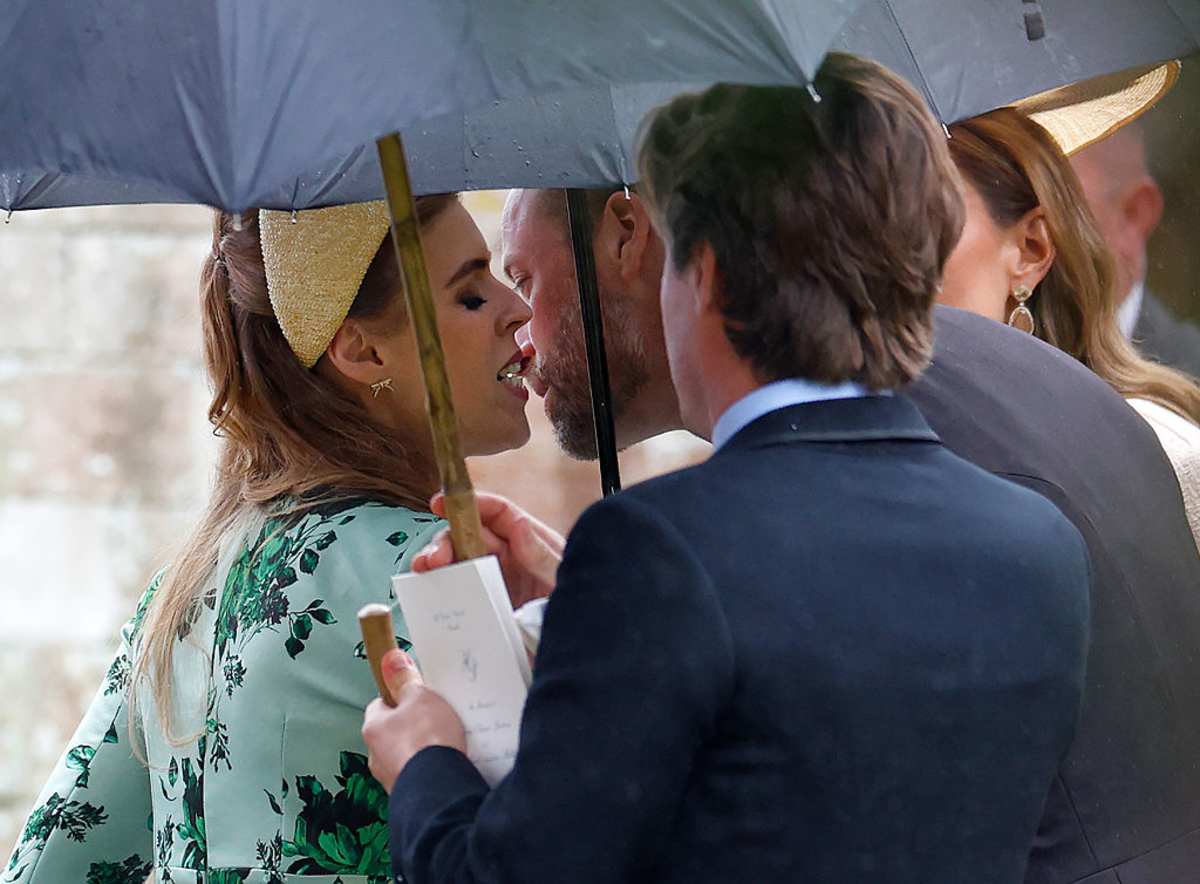
Most recently, the royal family came together for Peter Phillips' wedding to Harriet Sperling. Naturally, there was no room for letting family feuds claim a seat at the table of the Queen's grandson's big day. Yet, the carefully choreographed act of togetherness felt somewhat redundant. Case in point: the day's biggest talking point was Prince William greeting Princess Beatrice with a warm kiss on the cheek. There was no awkwardness and no frostiness. At least that's what it looked like. The timing, however, was hard to ignore. The gesture came just days after reports revealed that King Charles was quietly covering most of the sisters' royal housing costs, prompting renewed discussion about the family's internal arrangements. Add to that the lingering controversies that have surrounded the York family over the years, and one wonders: was William simply pleased to see his cousin? Or was it another example of the monarchy's long-standing instinct to project unity during uncomfortable moments?
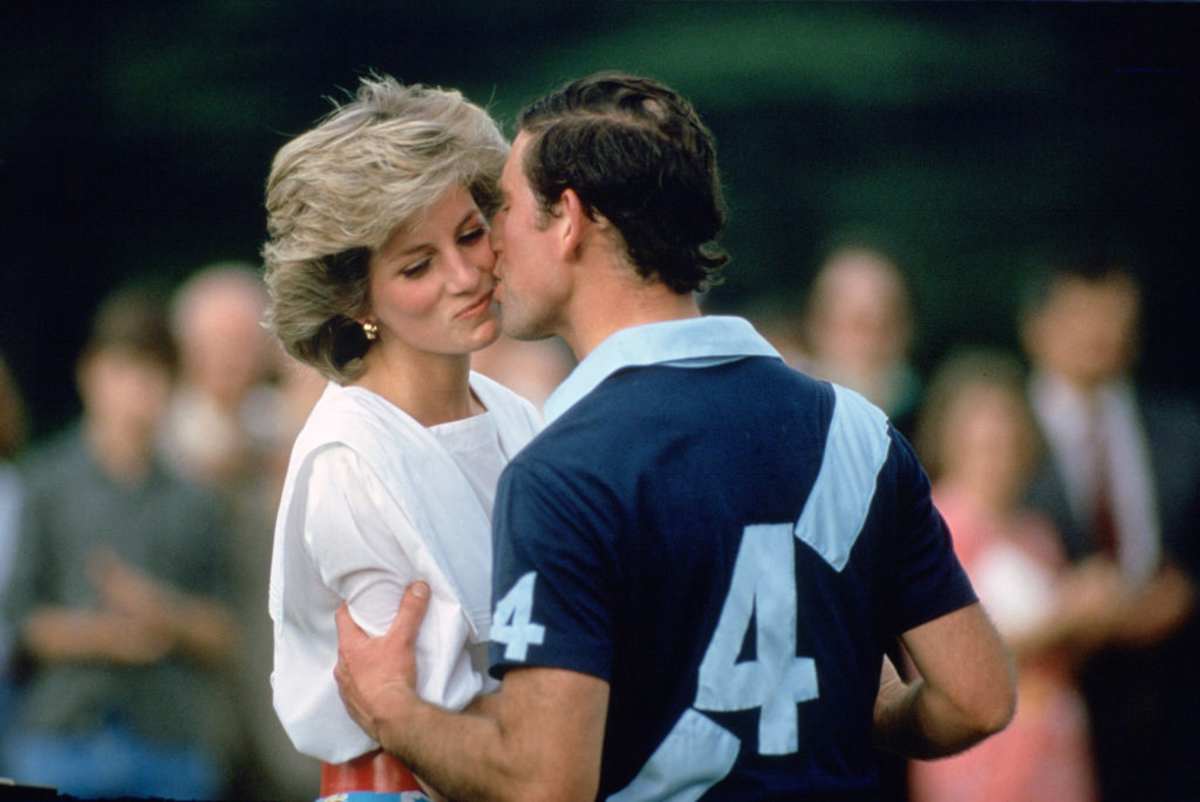
Then again, the quintessential cheek kiss and hug have long been one of the royal family's preferred tools to cover up the cracks. William was simply leaning on a well-worn royal script, also followed by his father, King Charles. Despite his long-running affair with the now Queen Camilla, he often appeared cordial, and at times even affectionate, with his late former wife, Princess Diana. The cracks in their union predated their fairytale wedding of 1981. What followed was a decade of public appearances in which embracing and kissing her unfaithful husband became part of the norm. But the façade was too painful to maintain and too obvious to ignore. After 11 years together, the couple separated in 1992 before officially divorcing in 1996.
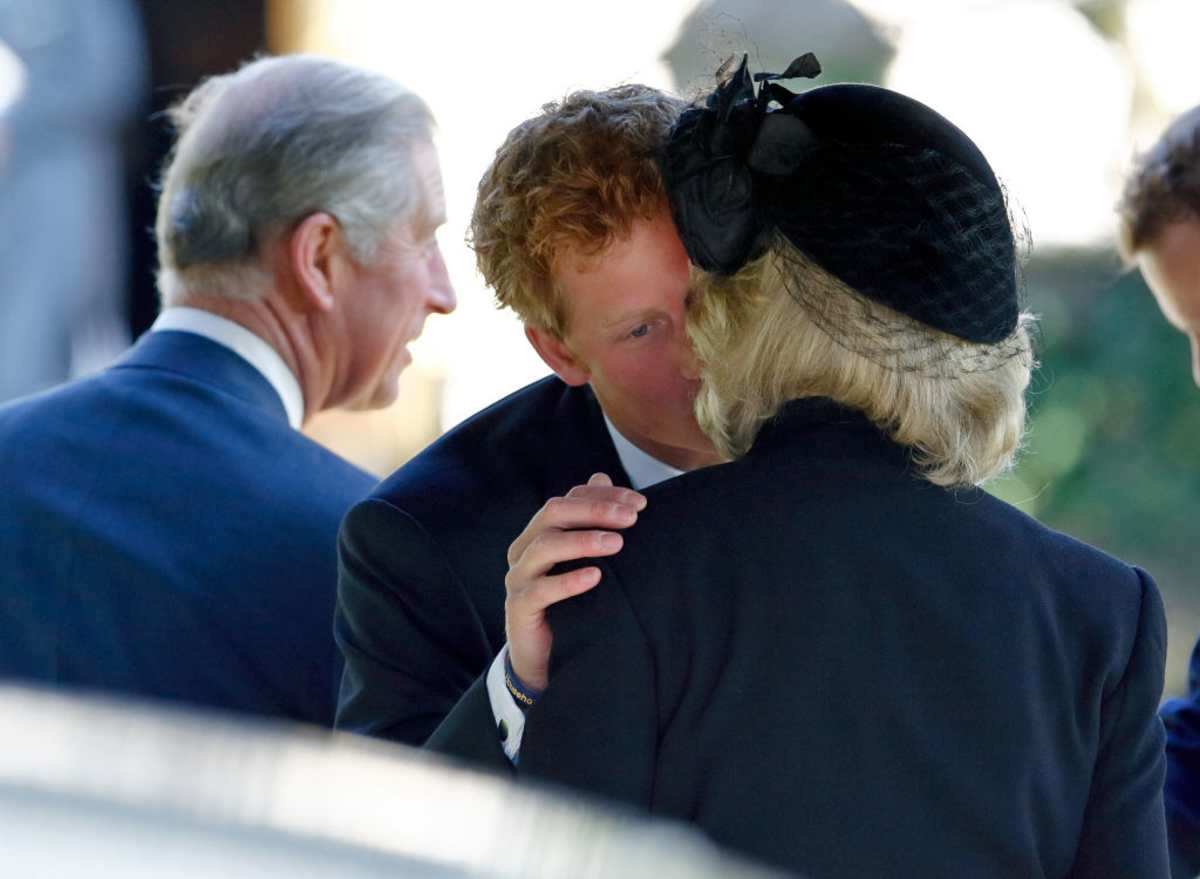
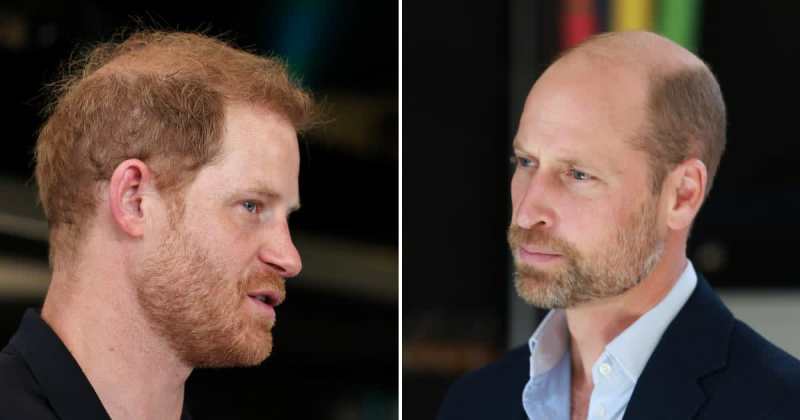
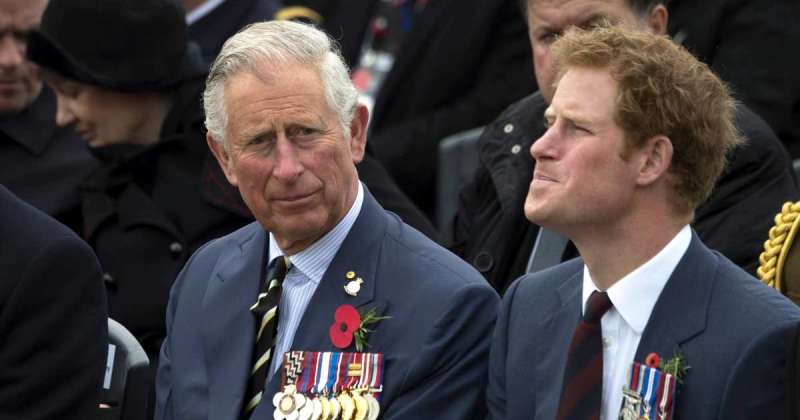
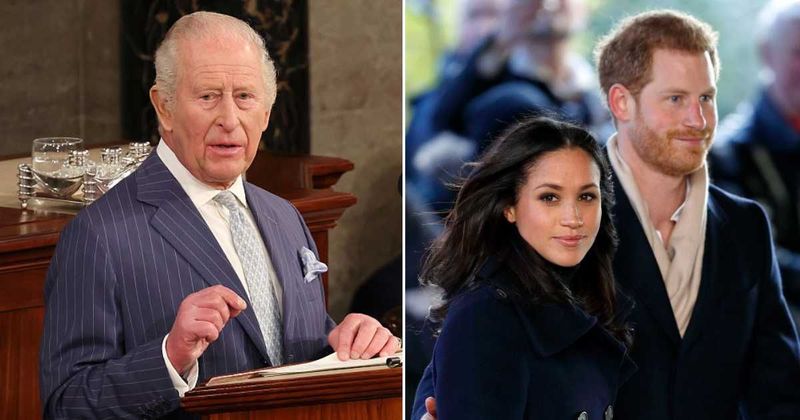
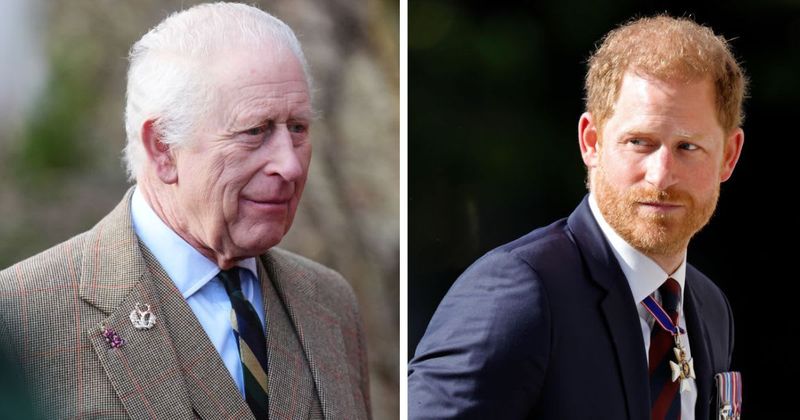
And on the topic of Camilla, Prince Harry has made no secret of his feelings for her in his memoir, Spare. In one excerpt, he recalled Charles's plans to marry her, writing, "Despite Willy and me urging him not to, Pa was going ahead. We pumped his hand, wished him well. No hard feelings." He went on to describe her as the 'other woman' responsible for the breakdown of his parents' marriage. Yet for all the barbs levelled in Spare, their public appearances looked nothing short of a cordial stepmother and stepson relationship, proving that no matter the tensions, the public must never be given enough evidence to conclude that the family is coming apart at the seams.
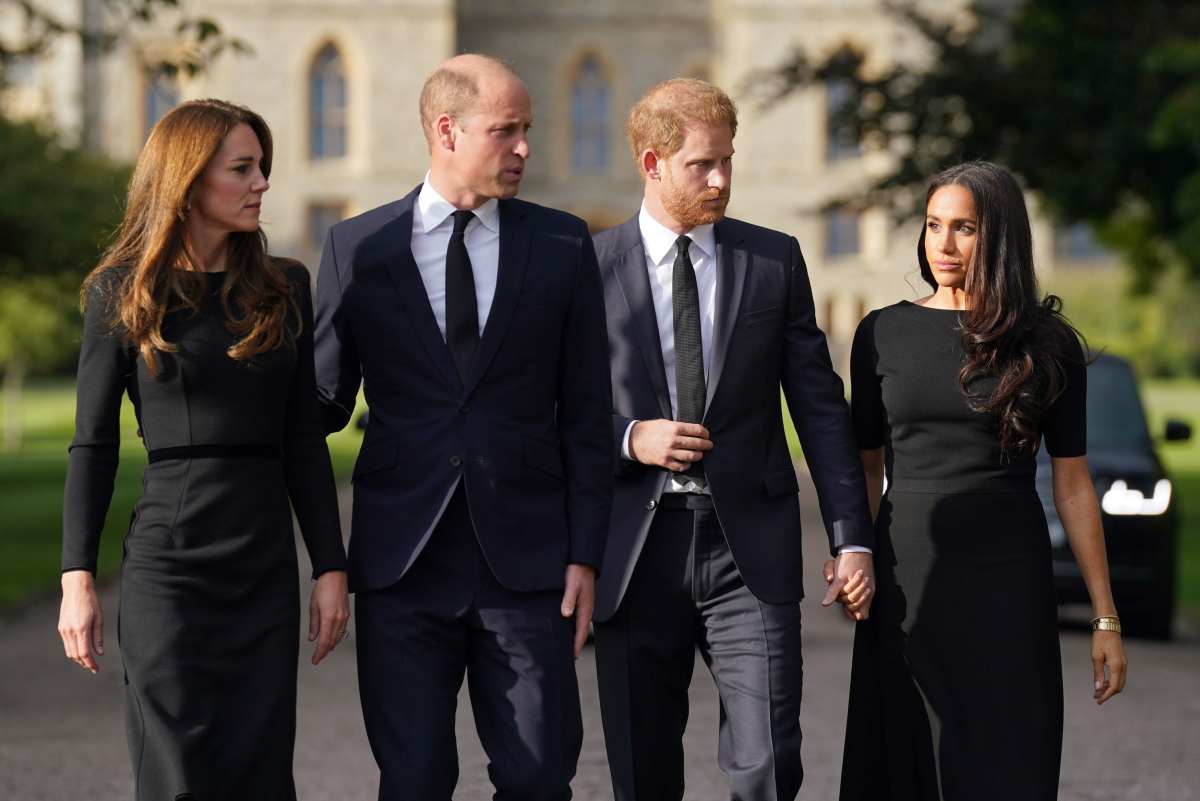
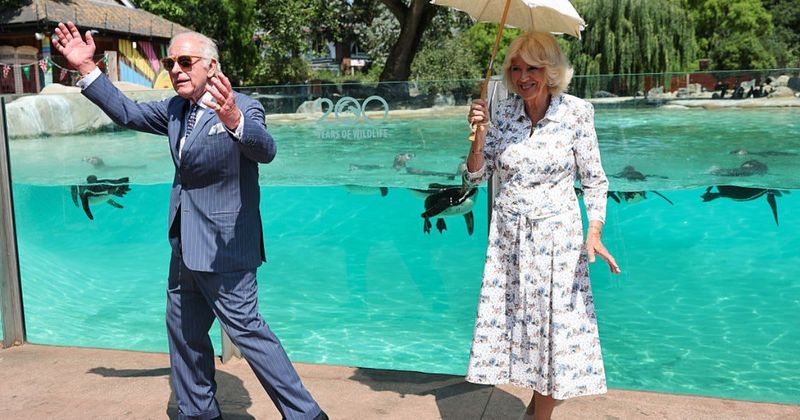
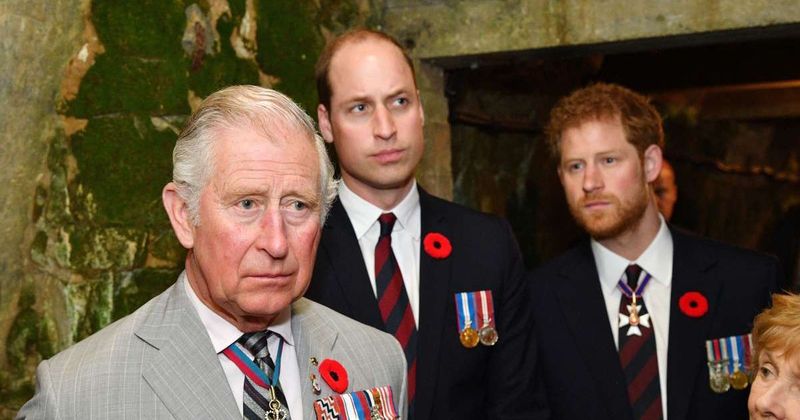
Against that context, the royals certainly have more than one trick up their sleeve to present a united front. Even after Harry and Meghan Markle stepped down as senior royals in 2020 and publicly criticized the Firm, Charles ensured that they joined William and Princess Kate for the late Queen's 2022 tribute walkabout at Windsor Castle. Similarly, Harry and William were also seen having a cordial interaction at Prince Philip's 2021 funeral. Perhaps this is the monarchy's greatest survival skill. But the trouble is that the royal family may still be reading from the same script, while the audience has become far more skeptical. In an age of interviews, memoirs, insider accounts, and endless scrutiny, a photo op no longer settles the question; it only invites a new round of speculation.
The opinions expressed in this article belong to the author alone and are not attributable to The Royal Observer or its editorial team.