The Andrew Problem Has a Price Tag — And Expert Says the Public Is Paying Big Money for It
A former senior civil servant says the government would be burning taxpayer money on a constitutional near-impossibility.
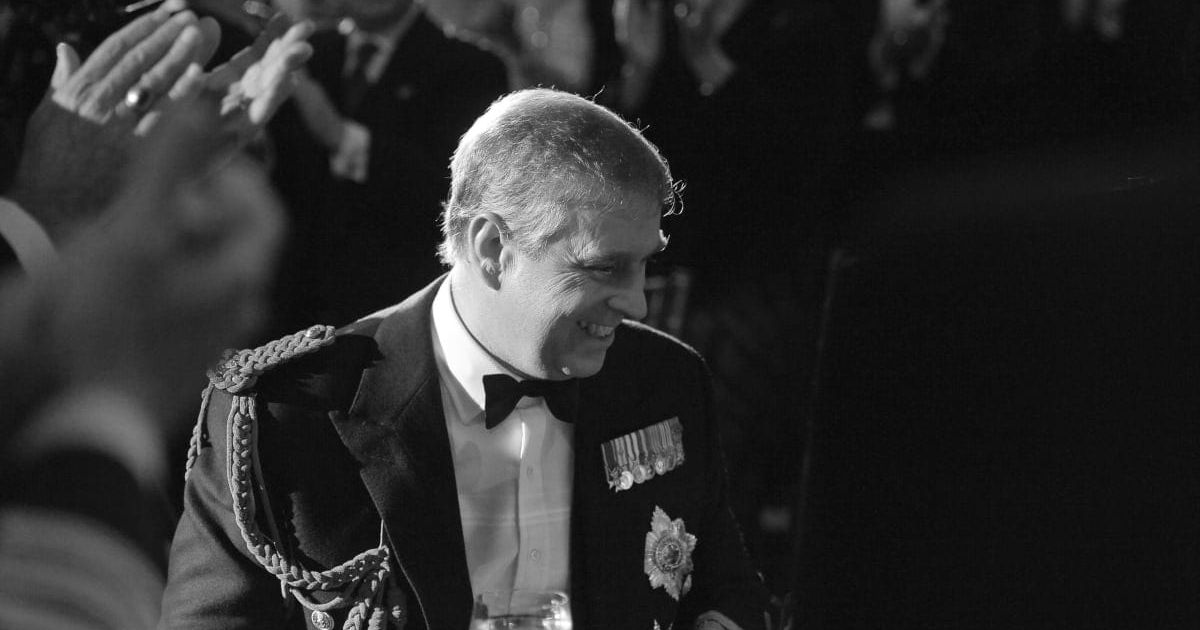


He has already cost this country more than most people know. Now, in what may be his final act of public inconvenience, Andrew Mountbatten-Windsor is set to cost it again. But this time around, the bill isn't for flights or hotels; it's for the legislation required to remove him from the line of succession. A process that Helen MacNamara, former deputy cabinet secretary, estimates could cost up to $1.29 million in public money. Money that, she argues with some force, could be spent on something that actually matters.
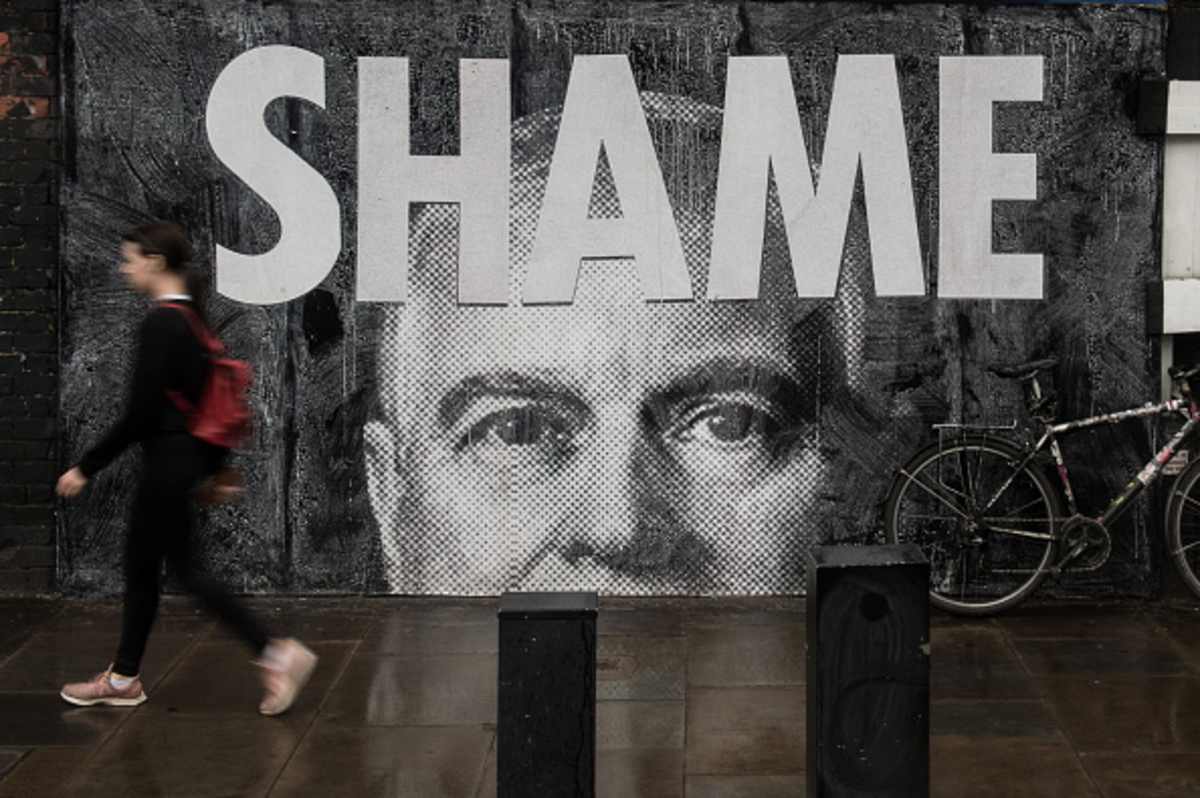
MacNamara described narrowly avoiding having to manufacture "opportunities" for Mountbatten-Windsor in his days as a trade envoy—saved, she notes, by a combination of luck and the formidable Princess Royal, whose ties to the British Olympic movement allowed officials to "politely decline" his involvement in the 2012 Games. Long before the blowout, the machinery of government was already bending itself out of shape to accommodate—and quietly sidestep—a man who should, by any measure, have been managing his own affairs.
The case for removing him from the line of succession is the hottest discussion now. She concedes that the most straightforward resolution would be for Mountbatten-Windsor to remove himself and that pressure, including from Commonwealth leaders such as Mark Carney. Adding that she is clear-eyed about the likelihood of that happening, she wrote for The Independent, "In the very likely case that that is not what happens," she writes, "legislating to remove the guy from the line of succession is yet another cost falling to the state—not to the Crown, but to you and me." Her estimate of that cost is unambiguous: "up to, more than likely, $1.29 million USD."
And McNamara, while walking through the machinery involved, points out the two years of civil service time, the government lawyers, the parliamentary counsel, the cross-governmental and Commonwealth negotiations, and the ministerial hours required to shepherd an Act of Parliament through the legislative process. None of it, she points out, is free. And none of it, she argues, is remotely proportionate to the problem it purports to solve. "How does removing Mountbatten-Windsor from the line of succession even feature in the top 500 things that parliamentary time should be spent on?" she argues.
Adding to the constitutional reality underpinning the whole exercise, the prospect of Mountbatten-Windsor actually ascending to the throne is, she argues, vanishingly remote—requiring, as it would, that seven people ahead of him in the line of succession, five of whom are currently under the age of 16, all become unavailable. "In reality," she writes, "there is precisely zero chance of Andrew Mountbatten-Windsor becoming the monarch."

And in the catastrophic hypothetical where that scenario somehow materialized, MacNamara suggests the more likely outcome would be the end of the monarchy itself—or, in keeping with historical precedent, "an elegant alternative would present itself." The Royal Family tree, she notes drily, has navigated less than linear succession before. "We are not going to be asked to put up with his face on our stamps."
"It is so much easier to be disgusted by one rogue prince," she writes, "rather than confronting what this whole awful saga shows us about what rich and powerful men are doing and saying to each other when they think no one is watching."