Royal Author Urges Beatrice and Eugenie to ‘Come Clean’ Over Andrew’s Secret Payout
Andrew was expected to receive as much as £300,000 (approx. $3,99,150) with £50,000 (approx. $66,498.75) set aside for each of his daughters by controversial billionaire David Rowland.
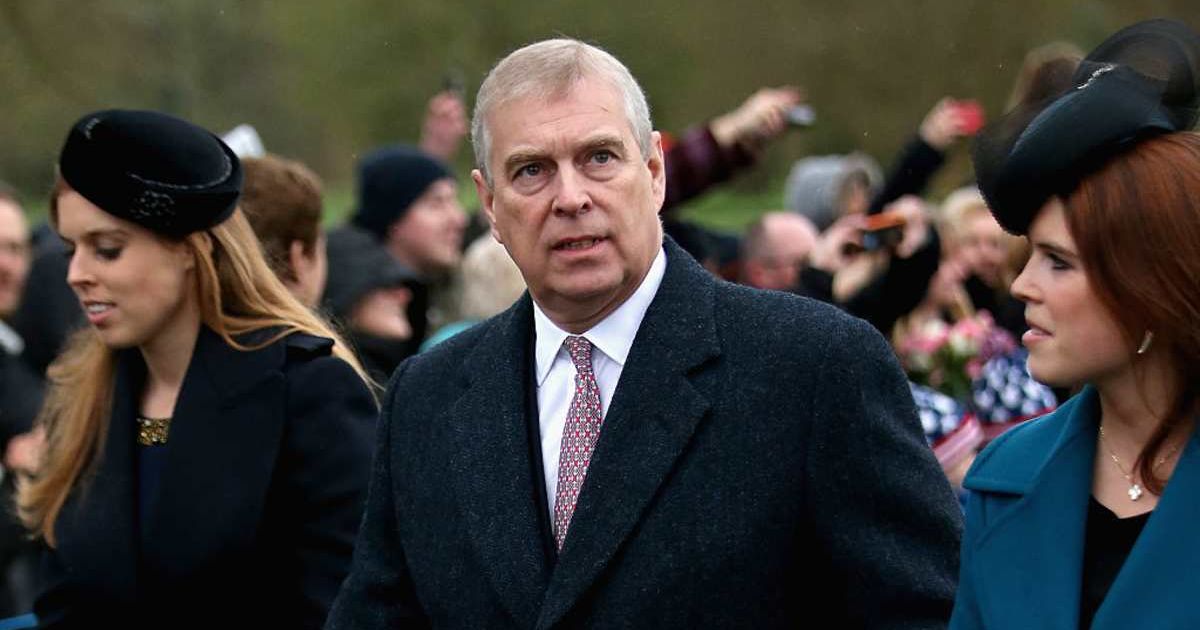


Emails have come to light, reportedly showcasing Andrew Mountbatten-Windsor discussing plans for £50,000 (approx. $66,498.75) payments to his daughters, Princess Beatrice and Princess Eugenie, each, as part of a larger financial arrangement. It also involved controversial billionaire David Rowland.
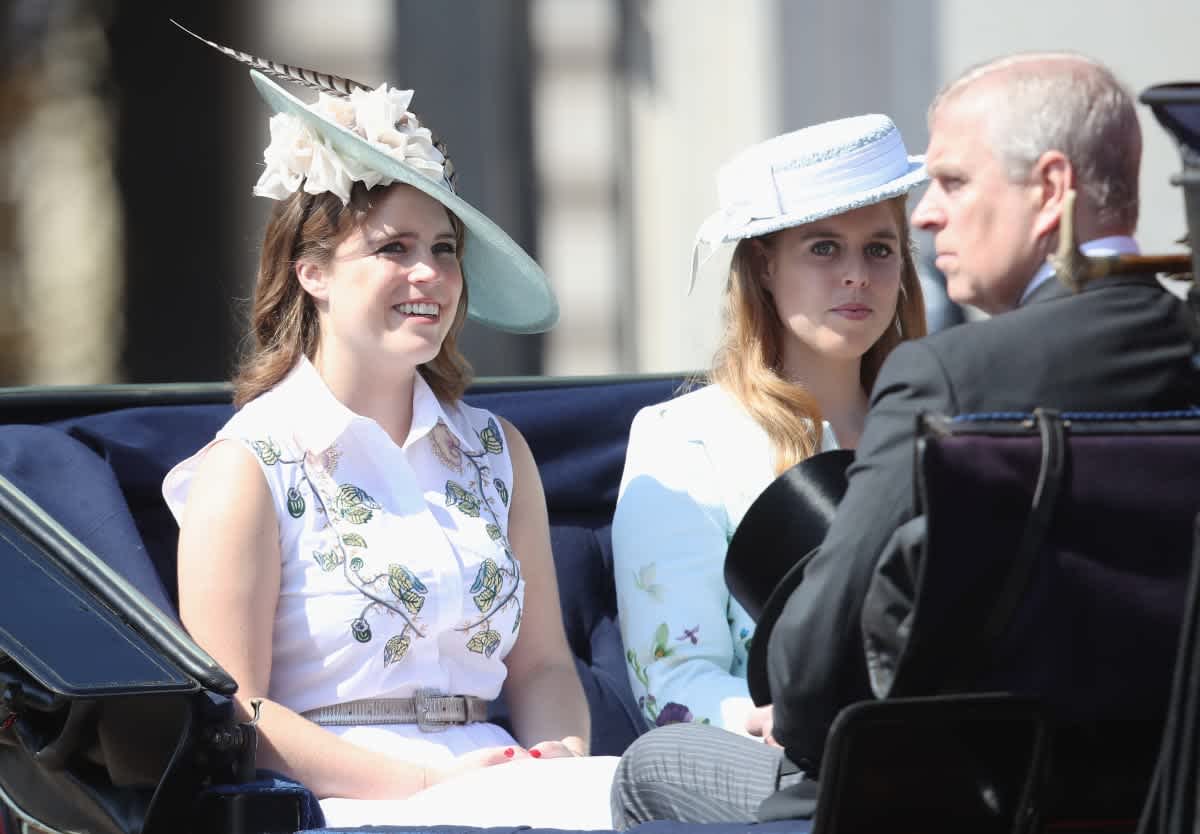
The messages, brought to light by The Mail on Sunday, revealed Mountbatten-Windsor was expected to receive as much as £300,000 (approx. $3,99,150) with £50,000 (approx. $66,498.75) set aside for each of his daughters. As per the email exchange, half of her daughter’s sums were meant to be invested in Jellybook, i.e., an investment firm launched by Rowland’s son Jonathan. It was focused on funding social media companies. The revelations have only added to the disgraced royal’s scrutiny as his financial dealings during his tenure as the UK’s trade envoy have been making headlines. These payments appear linked to a close business relationship with the Rowland family.
As the controversy intensified, questions about the initiated arrangement emerged in the leaked messages between Mountbatten-Windsor and Jonathan Rowland. He was the chief executive of Banque Havilland back then. As the former outlined the plan in one of the mails, he wrote, “'I have explained to Amanda [Thirsk, Andrew's aide] what was intended. That is 50 [thousand] each to the girls. 25 for Jellybook each. 50 for me. The remainder of the £300, £150 plus an additional £100k to be transferred to Drummonds. All this to be done once receipt of the £300 happens.” As he responded to clarify the breakdown of funds further, Jonathan said, “Just so I am clear. You have Euro 650k (£575k) in the Bank. 50k each to the girls. Jelly I am clear on although the girls accounts might not be in place so you can do £100k and we work it out later.” Another email suggested that David Rowland was expected to allot the funds as it mentioned, “..if DJR [David Rowland] puts £300k in then £150 is used [for] the girls and Jelly. The £150 remaining and an additional £100k to D [Drummonds] thereafter.”
The discourse has led to political figures questioning whether the payments were related to Mountbatten-Windsor’s official duty as trade envoy. Labour MP Karl Turner told the outlet, “This latest revelation is worrying. It is known that Mountbatten-Windsor had an association with the Rowlands and this friendship existed at the time when he was a trade envoy for the UK. Questions are bound to be asked if that association helped to further enrich his kids. We must surely see an inquiry into whether the payments for the princesses were made in return for the disgraced former prince's help in pushing the Rowlands' commercial interests.” While echoing similar concerns, Shadow business minister Hariet Baldwin expressed, “We must get to the bottom of these allegations at once. If true, this would be a clear example of him being unable to distinguish between private affairs and his public role.”
Royal historian Andrew Lownie also shared his two cents on the circumstances and urged transparency from the York sisters. He shared witht he same outlet, “This raises serious questions for the two princesses. Did they receive this money, and was the source David Rowland? If so, was it because their father had pushed Rowland's business interests and therefore abused his position as trade envoy? It is time for the princesses and their father to come clean.” These remarks have come to the fore amid questions about how Beatrice and Eugenie financed their lifestyle in their 20s, especially as the former reportedly earned £19,500 ($25,930.61) annually at the start of her career while frequently traveling, as many as 17 holidays.