Prince William Urged Queen Elizabeth to 'Banish' Andrew Before the 'Rot Set in'
A royal author has alleged that William told the Queen his uncle had “no place within the institution.”
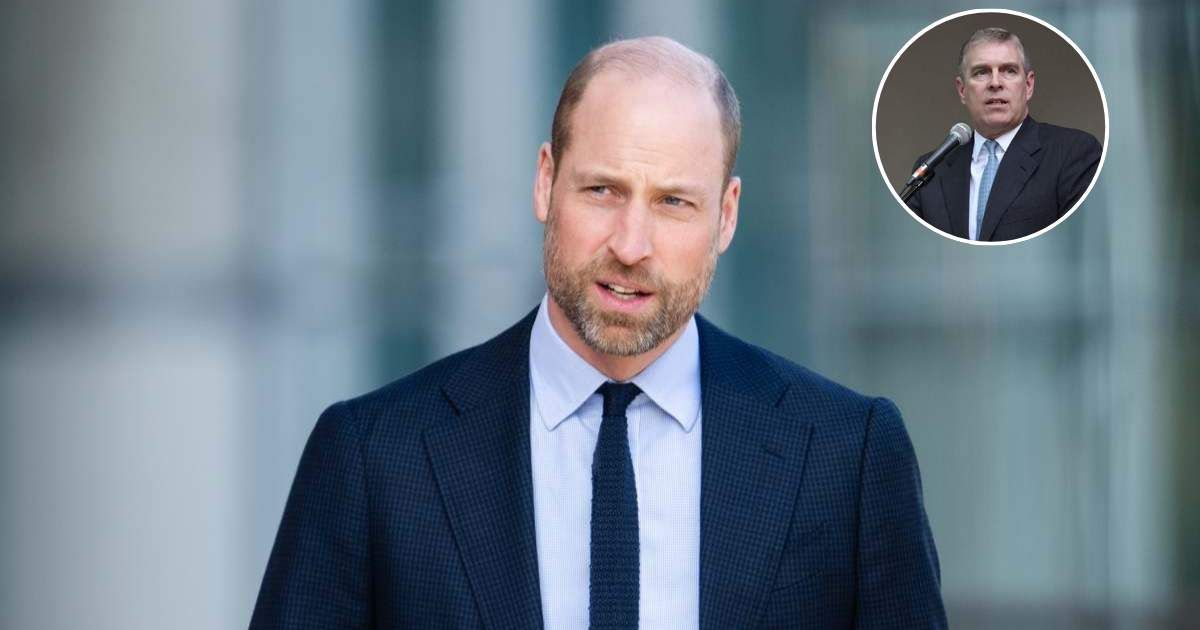


Royal author Russell Myers, while researching his forthcoming book William and Catherine: The Intimate Inside Story, claims that the Prince of Wales took a firm position in the aftermath of Andrew Mountbatten-Windsor’s now-infamous 2019 BBC Newsnight interview. That appearance, intended to steady the ship after Mountbatten-Windsor’s association with convicted felon Jeffrey Epstein became public, instead intensified scrutiny and backlash.
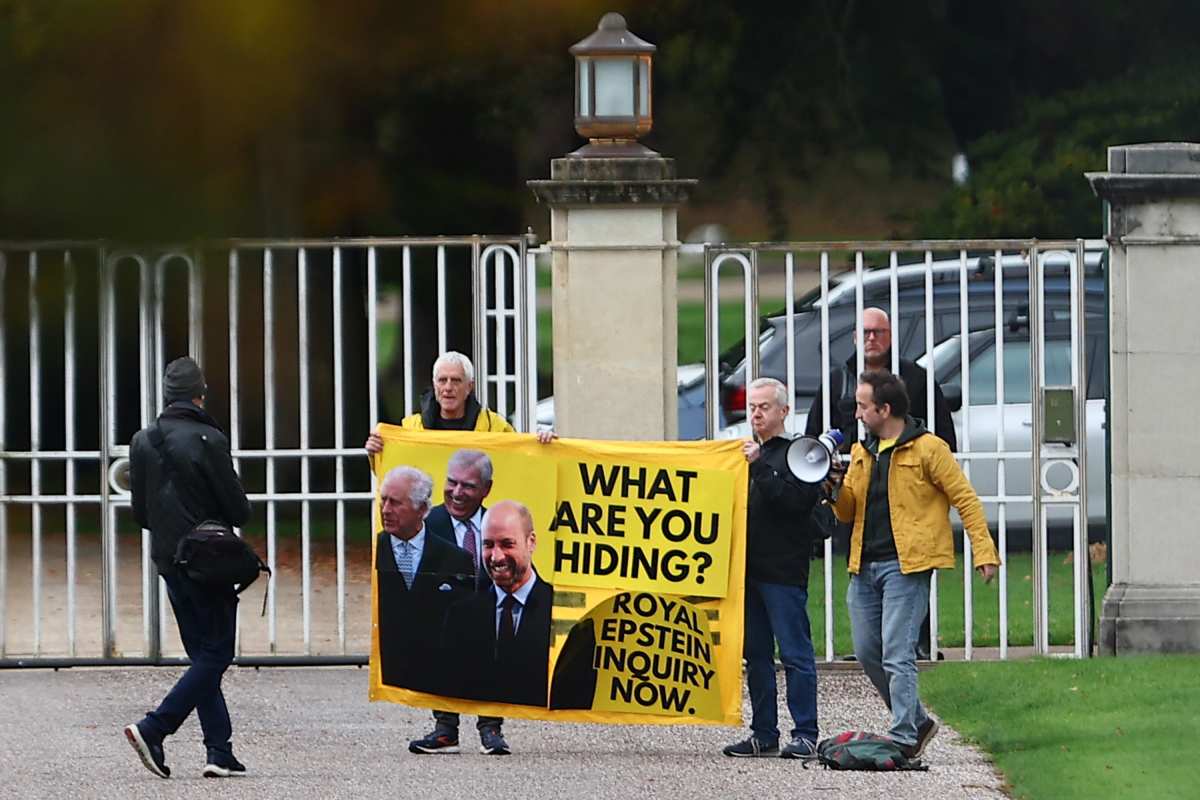
Myers said that, in conversations with “several people,” he was told William had long viewed his uncle as problematic, believing “his uncle was always a bit of an ignoramus.” But it was the interview, in particular, that marked a turning point. “After that disastrous 2019 interview Andrew gave to the BBC’s Newsnight, in which he failed to apologize for his relationship with Jeffrey Epstein, William had the foresight to say, ‘This man must not have any place within the institution, any place within the family. He must be banished because he got himself into this mess, and he must be banished before the rot sets in,'” Myers said in a recent interview with Fox News.
The author further claimed that William conveyed this view directly to Queen Elizabeth and to his father. At the time, the late monarch opted for a more measured approach, allowing Mountbatten-Windsor to step back from public duties rather than formally stripping him of titles and patronages.
Myers, in his book, also wrote that William saw the unfolding scandal as more than a reputational issue. He mentioned that the Prince recognized the monarchy was “engaged in a full-scale firefight," with its credibility under serious threat. The book, however, suggests that William’s uncompromising view did not receive unanimous backing within the family. Both Charles — then the Prince of Wales — and Queen Elizabeth were reportedly inclined toward shielding Mountbatten-Windsor rather than cutting him adrift.
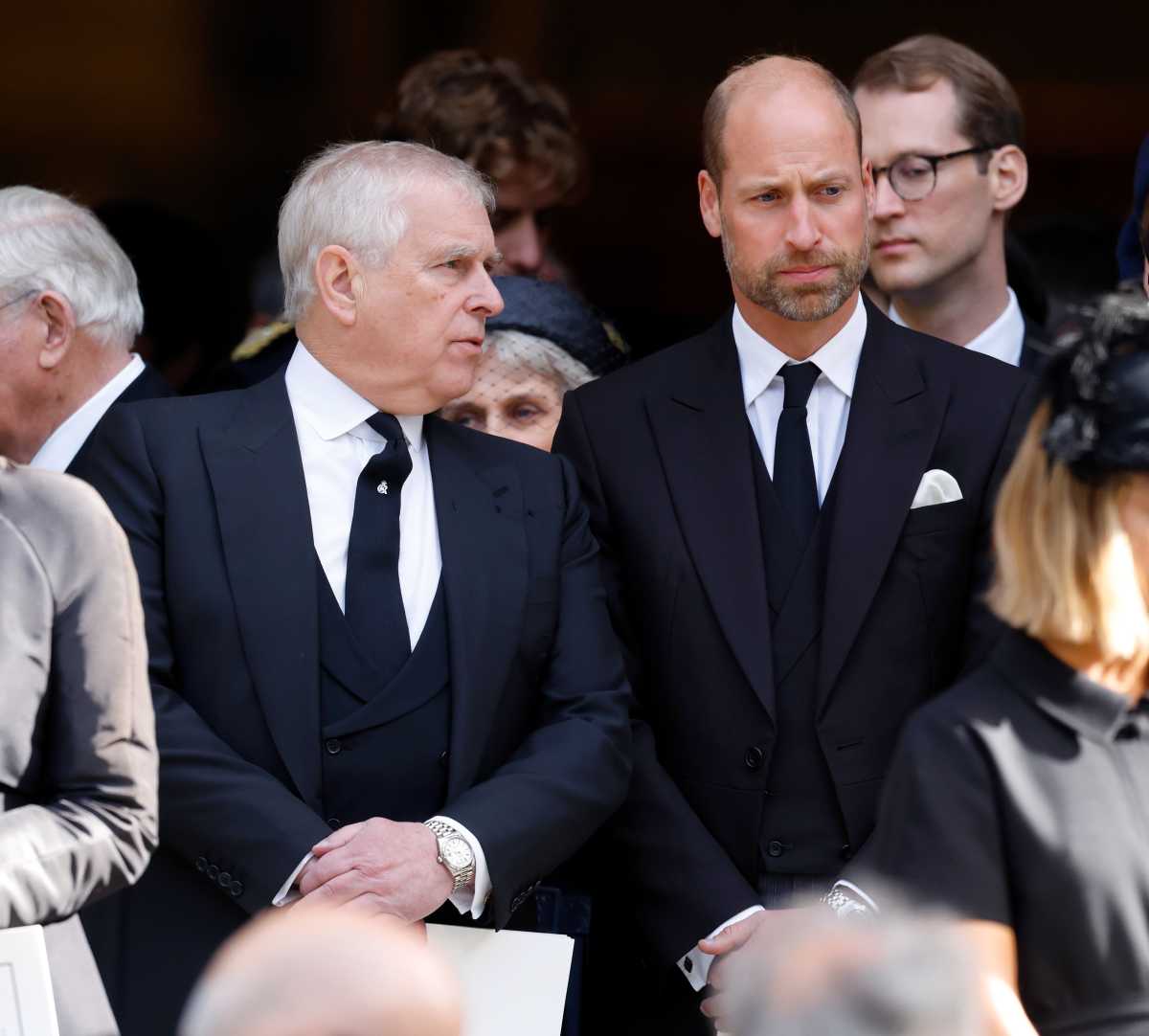
In the course of his research, a source told Myers, “Once you understand the fact that everything that happens in the here and now affects everything in the future, William’s future, it is very easy to put yourself in his shoes. He never much liked his uncle and wanted him out of the picture immediately before the rot set in further. William’s view was that he [Andrew] got himself into the whole mess, so he should be left to his own devices to sort it out away from the family.”
Central to William’s reported frustration, Myers argued, was Mountbatten-Windsor’s failure to express remorse. “[Andrew] failed to apologize for his relationship with Jeffrey Epstein. He failed to acknowledge the real impact on Jeffrey Epstein’s victims and really gave a very bad account of himself,” Myers said. While Mountbatten-Windsor withdrew from public life soon after the interview aired, it would take years before more decisive action followed. “It was six years later before King Charles finally took that action of stripping his title, stripping his honors, and exiling him from public life,” Myers noted.