William Wanted Andrew’s Removal ‘Before the Rot Set In,’ but Charles ‘Put Him in His Place’
Fresh claims suggest the future king warned of long-term damage—sparking tension with his father.
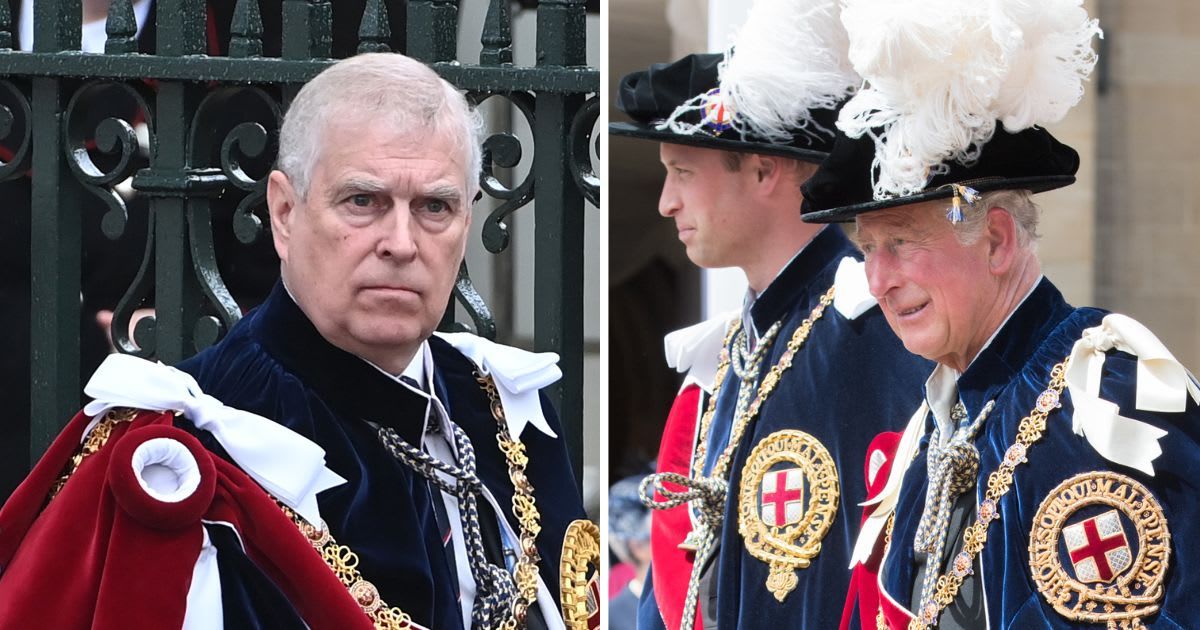


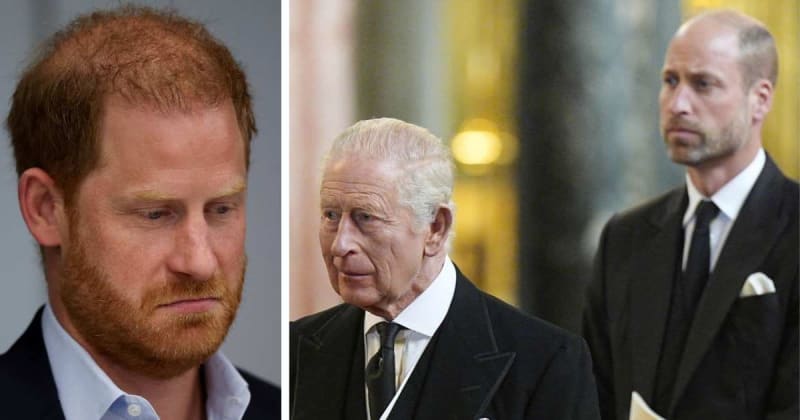
Long before Prince Andrew became Andrew Mountbatten-Windsor, tensions were already brewing behind palace doors. According to a new royal biography, the push to remove the former Duke of York from frontline life did not begin with King Charles—but with Prince William. In the aftermath of the disastrous BBC Newsnight interview in November 2019, the monarchy found itself in deep crisis.
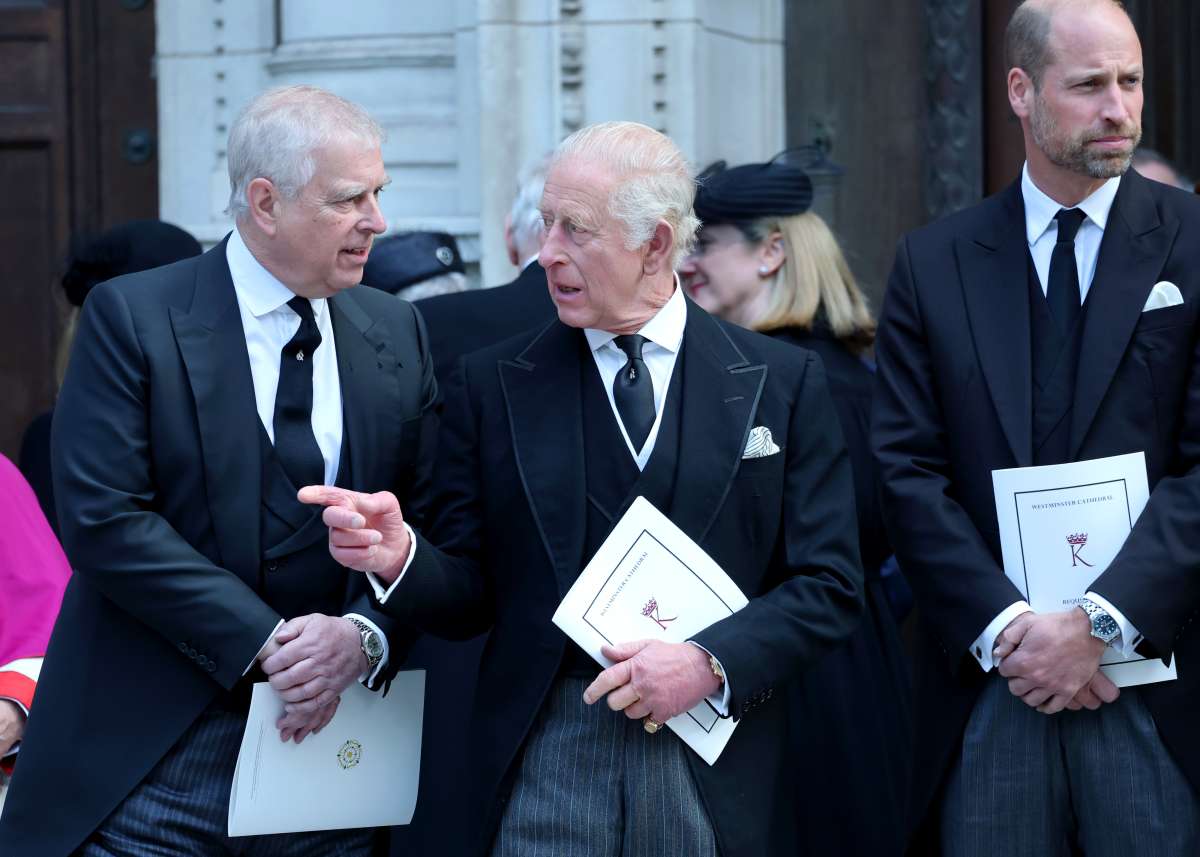
The former Duke of York had failed to express remorse over his association with convicted pedophile Jeffrey Epstein or acknowledge the suffering of Epstein’s victims. And that led to a lot of public anger. And internally, the situation had turned combustible.
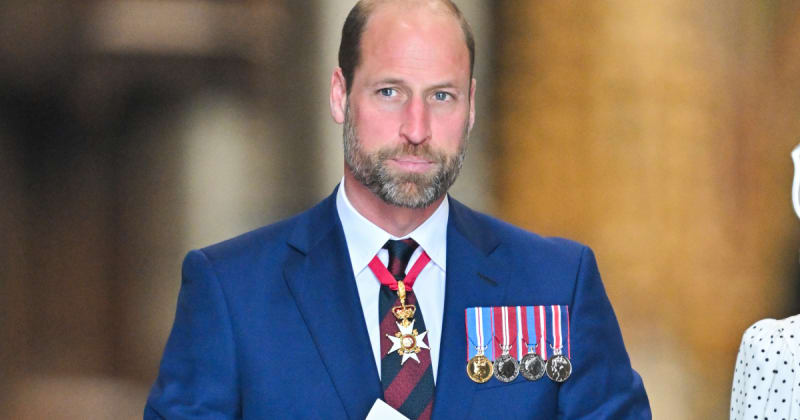
A new book, William and Catherine: The Intimate Inside Story by Russell Myers, which has been serialized by The Mirror, reveals that the Prince of Wales believed urgent and decisive action was needed. Drawing on accounts from palace insiders, the biography claims William urged both his father and the late Queen Elizabeth II to remove Mountbatten-Windsor from public life immediately—warning that delay would only deepen the damage. According to the book, William saw the unfolding scandal as more than a reputational issue. Myers writes that the future king recognized the monarchy was “engaged in a full-scale fire fight," with its credibility under serious threat. Mountbatten-Windsor’s continued presence, sources suggest, risked long-term harm.
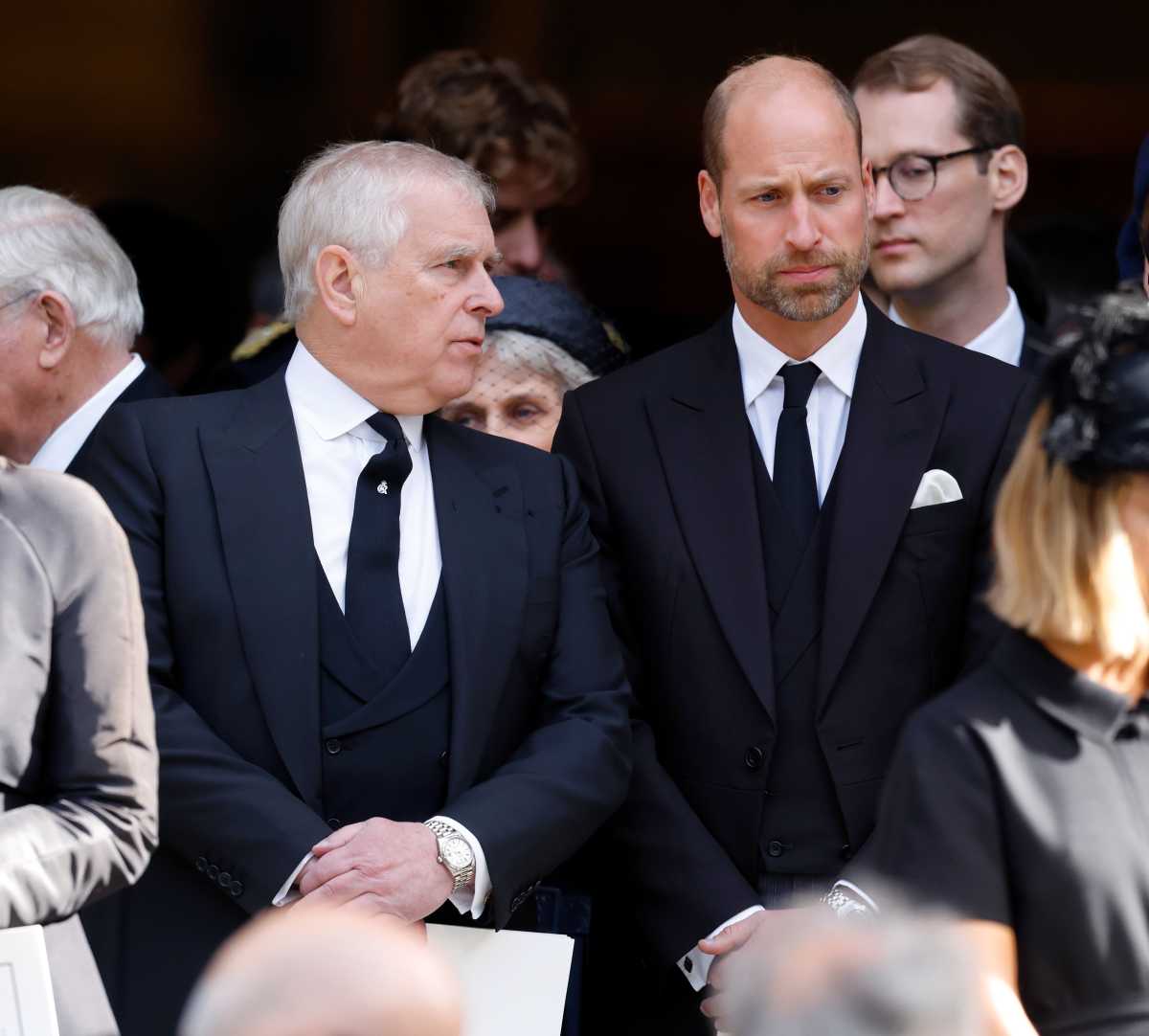
One source said, “Once you understand the fact that everything that happens in the here and now affects everything in the future, William’s future, it is very easy to put yourself in his shoes. He never much liked his uncle and wanted him out of the picture immediately before the rot further set in. William’s view was that he [Andrew] got himself into the whole mess, so he should be left to his own devices to sort it out away from the family.”
However, the book alleges that William’s forceful stance was not universally welcomed. At the time, both King Charles—then Prince of Wales—and Queen Elizabeth II were said to favor a more protective approach towards Mountbatten-Windsor. The disagreement reportedly led to a tense exchange in which Charles “put him in his place.”
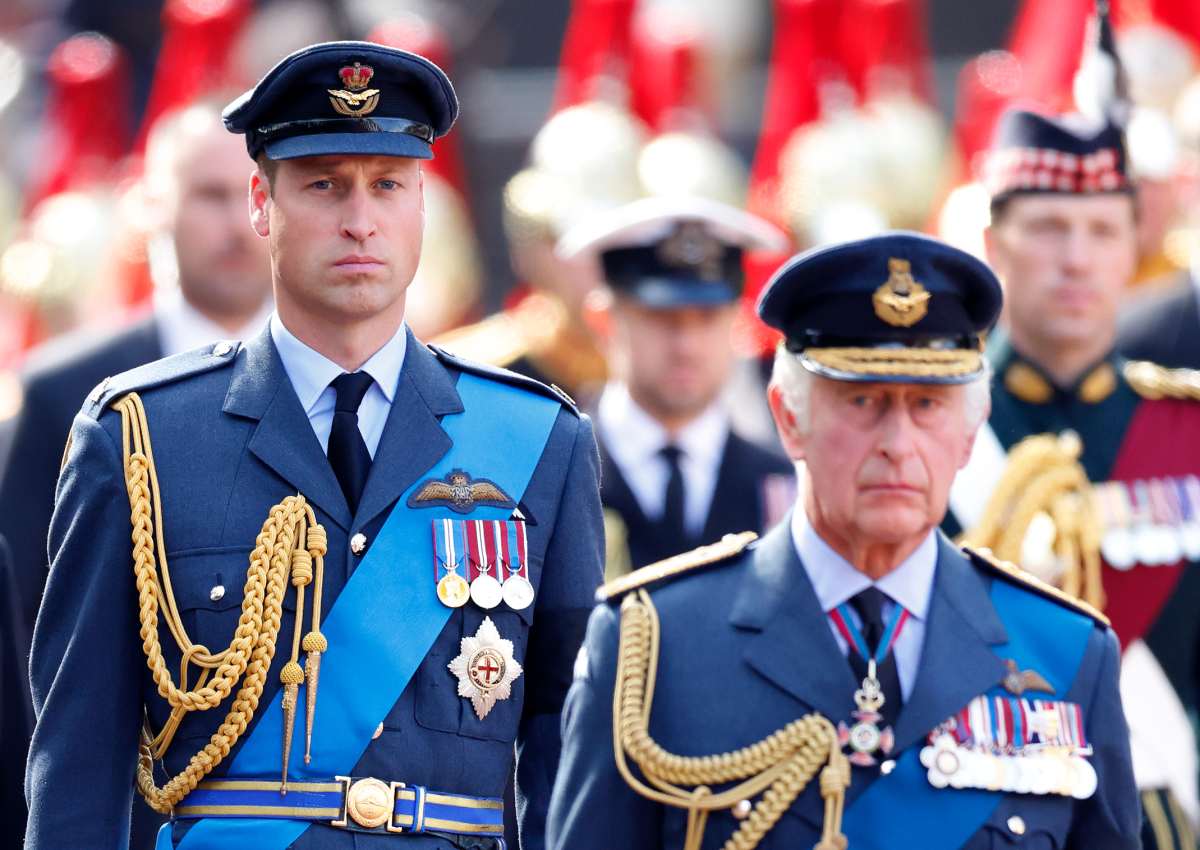
Until very recently, palace thinking was said to be largely aligned, with one notable exception. According to sources cited by Rob Shuter on his Substack, William was the only senior royal reportedly prepared to see Mountbatten-Windsor face formal police scrutiny if necessary. Even as the former Duke of York’s public standing continued to erode, insiders suggest that the prevailing instinct within royal circles remained one of protection rather than exposure. Those familiar with internal discussions claim there was strong resistance to allowing the situation to move beyond private damage control.
“They’re still circling the wagons,” one insider revealed to Rob Shuter. “No one wants Andrew questioned. The instinct is still to protect. The British Royal Family is not prepared to hand over Prince Andrew to police scrutiny—and behind the palace walls, protection remains firmly in place."
However, the landscape may be shifting. Thames Valley Police recently confirmed that officers were assessing fresh claims, including allegations that the disgraced royal may have shared confidential information gathered during his time as a trade envoy for the UK. The force later announced it had opened discussions with specialists from the Crown Prosecution Service, though it has not confirmed whether a full criminal investigation has begun. In response to the developments, Buckingham Palace issued a statement signaling that they were willing to cooperate with the police. A spokesperson said the Palace would “stand ready to support” the police if approached.