Prince William Takes Cues From Kate Middleton And Shows His Softer Side During Emotional Royal Event
Kate, is known for treating people as individuals rather than adhering to formal handshakes and William has been learning quick.
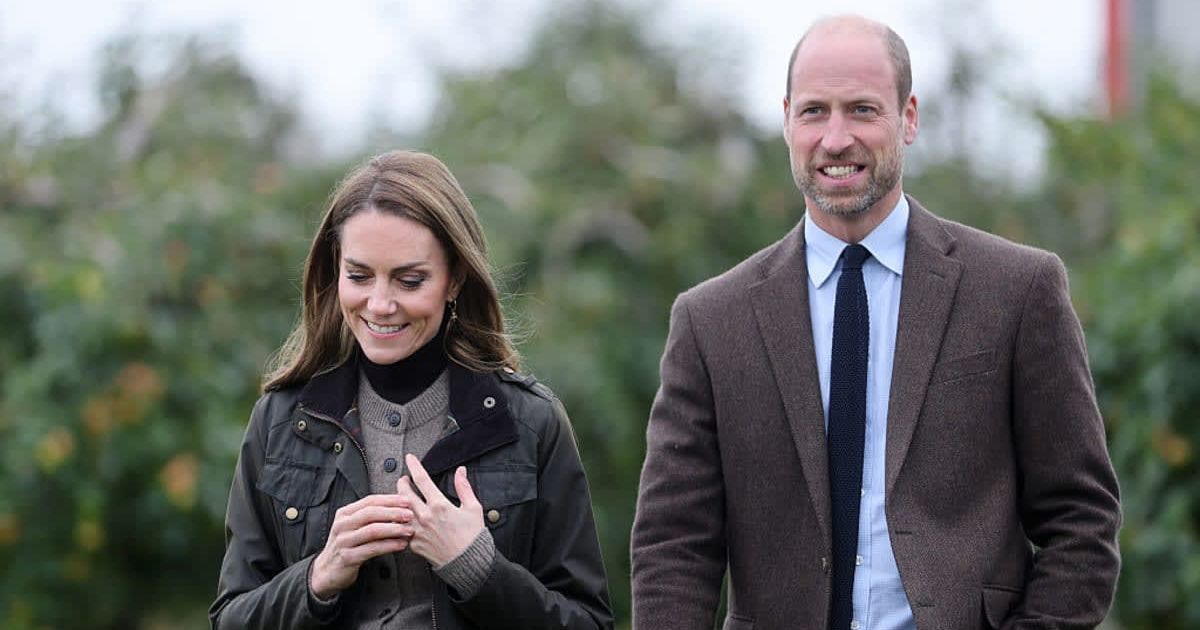


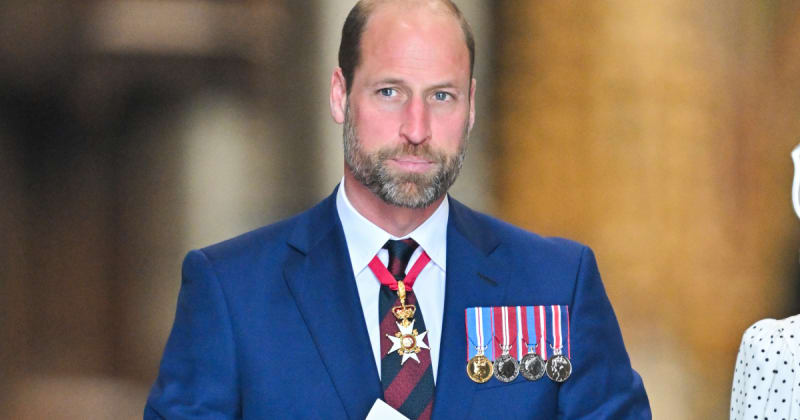
For decades, the British monarchy was known for emotional reserve, but Prince William has been taking a noticeably warmer approach during recent royal engagements—one many believe reflects Kate Middleton's influence, as she has long prioritized genuine connection over formality. On Thursday, William visited a Norfolk and Waveney Mind session at the Anmer Social Club, near the couple's Anmer Hall home. The visit was more than a routine show of support: it's part of a two-year pilot project the Prince and Princess of Wales are co-funding themselves. During the visit, William stepped outside royal protocol to connect personally with someone he met.
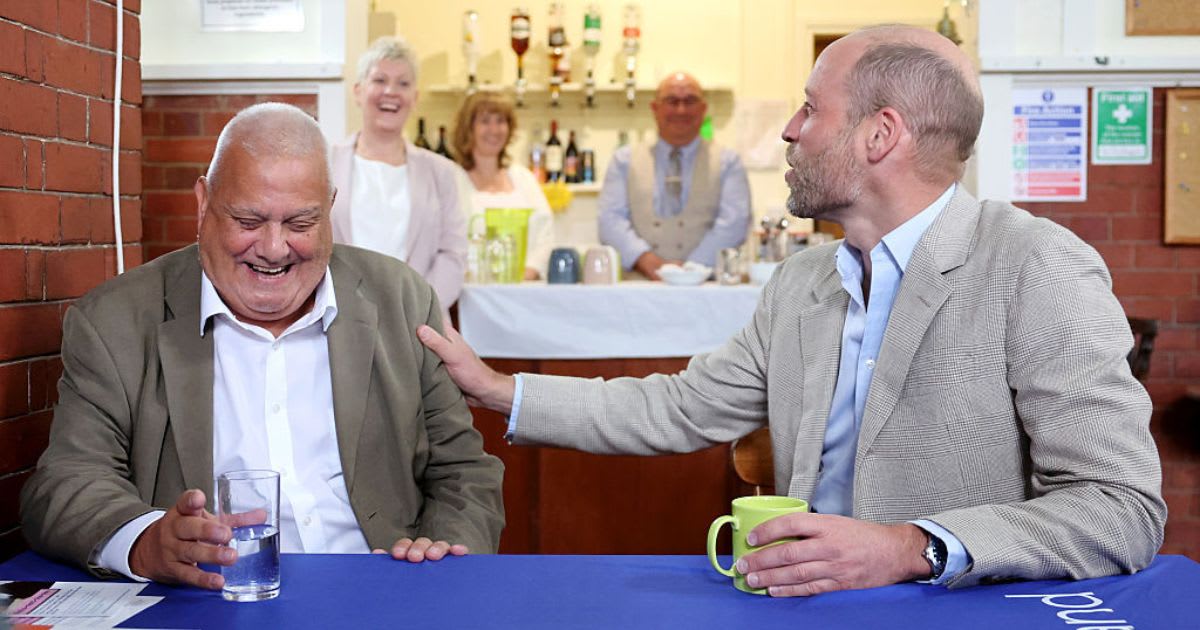
While there, the Prince of Wales met businessman Paul Gannon, who revealed that he was suffering from PTSD. Gannon, supported by Mind for about four years, described the charity as "a sort of family". "I've had PTSD issues which have really come back to haunt me, and it's good to be able to talk, not just go on to antidepressants and things like that, to actually (talk) to real people, caring people and people you trust," Gannon told during their heartfelt discussion. A moment came when he seemed too overwhelmed with emotion, yet William didn't look away or awkwardly change the subject when Gannon got teary-eyed; he touched his arm and let a silence settle. "Take your time," is all he said. A classic behavioral trait he seems to have adopted from Middleton, who is known for treating people as individuals rather than adhering to formal handshakes.
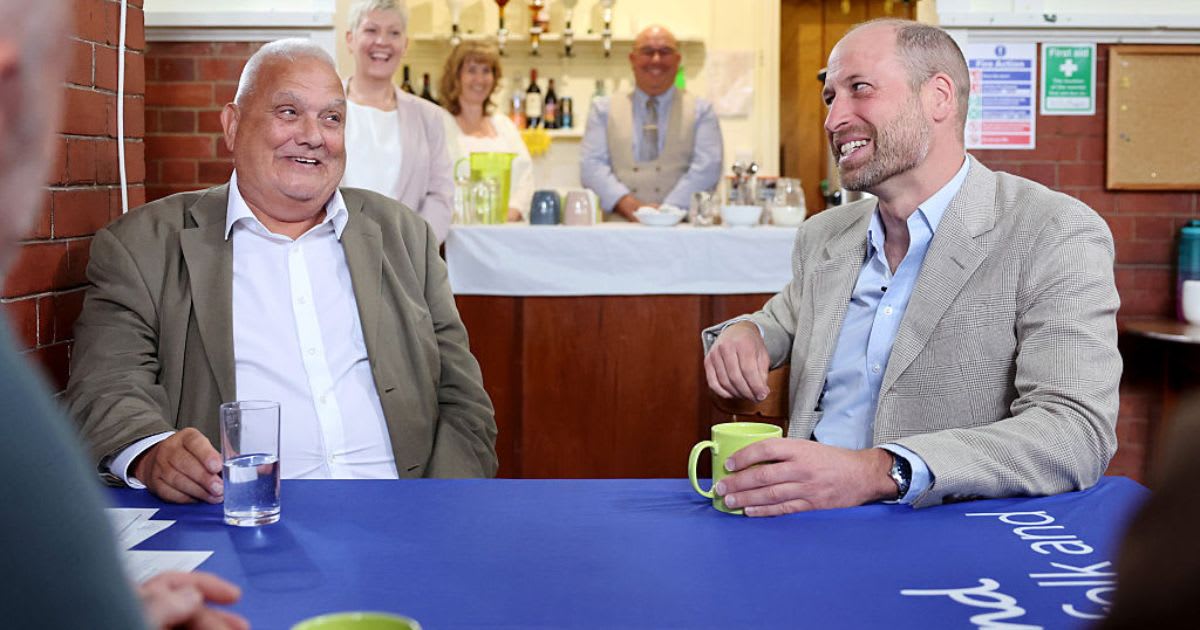
The initiative seeks to improve Mind's mental health services for Sandringham estate workers and the general public. William explained his motivation, citing observations of people's loneliness and a call to action. With the intention of developing a model for national mental health care, he sees the effort as a means of addressing the needs of rural populations. "What I noticed was there was a lot of isolation going on, people were stopping me and talking to me about it, and I felt that was a bit of a nod to say, 'Well, can you do something about it?'" he stated, as per GBN News. However, Mark Back, who leads Mind's local men's sessions, expressed uncertainty when William inquired about what attracted men to peer support groups, "I wish I knew the answer," Back said.
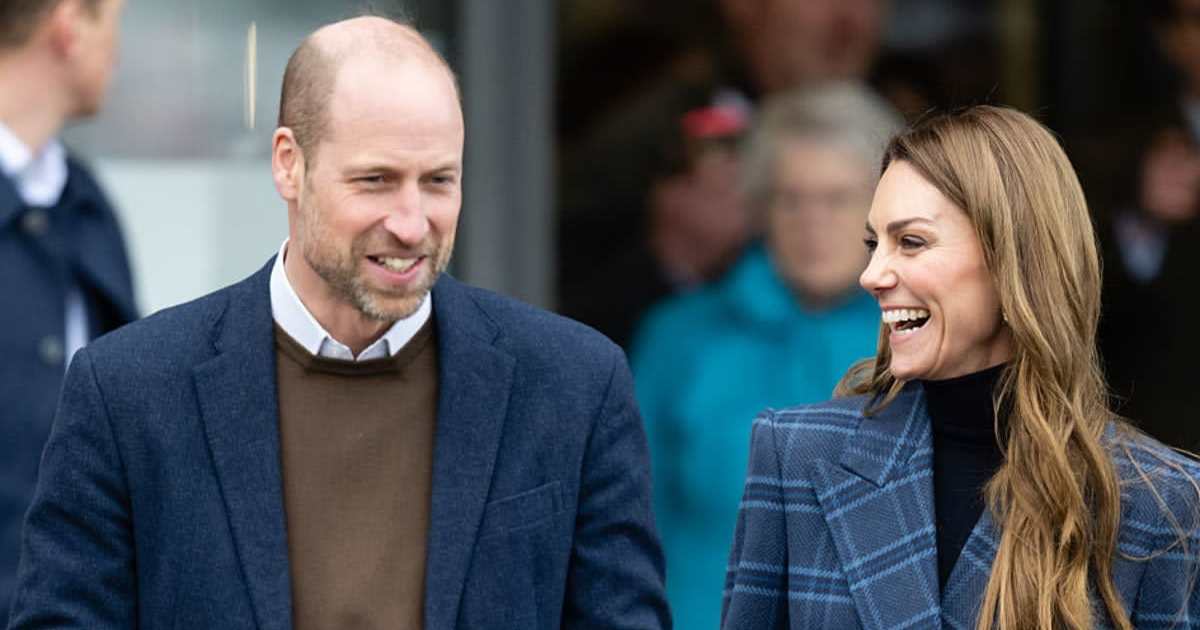
The Norfolk and Waveney Mind pilot highlights the Prince and Princess of Wales joint commitment to mental health advocacy and their significant influence in this area. By recognizing the distinct yet related passions of William for emergency responders and veterans, and of her for children and schools, they united their efforts under a common initiative. versation, establishing mental health as their shared legacy.