Prince William Silences Critics With Latest Outing — Proves It's Okay to Be Different
William's recent outing signals that his personal faith is quite different than Queen Elizabeth II and King Charles.
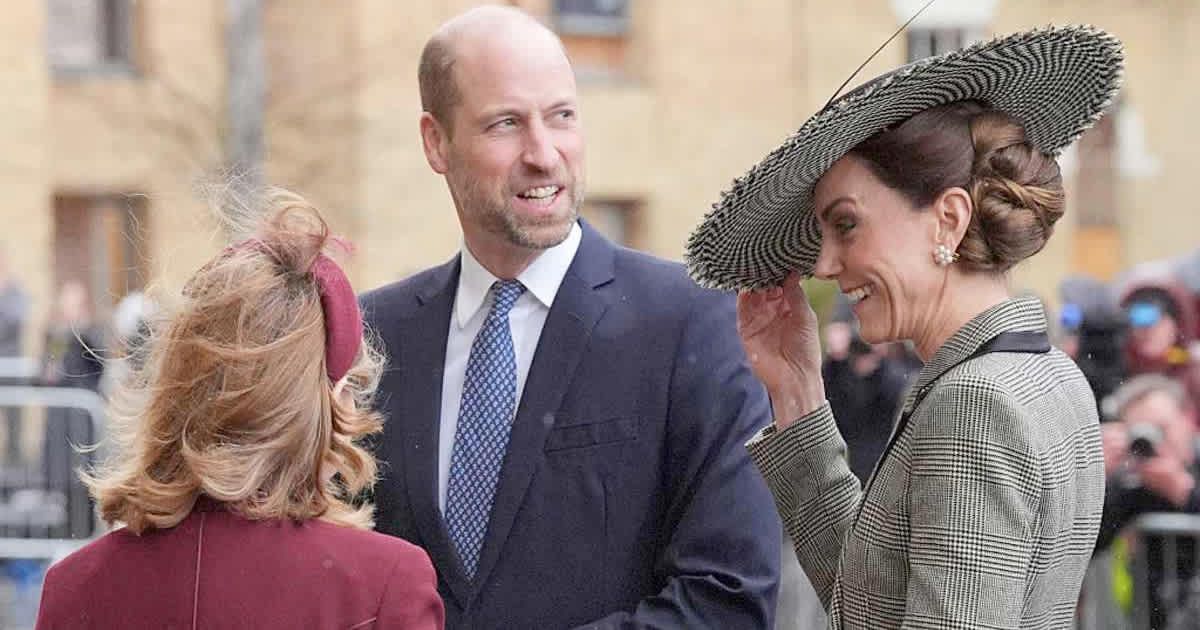


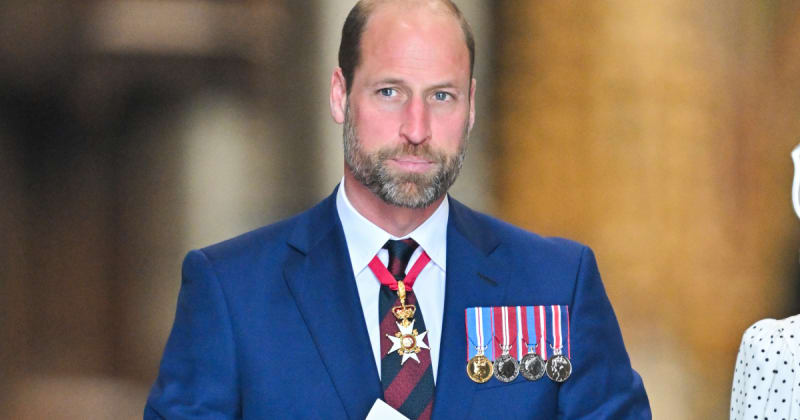
Prince William used the historic installation of Dame Sarah Mullally to send a clear message to his critics. By witnessing the first woman to lead the Church of England take her seat on the Chair of St. Augustine—as per royal expert Rebecca Russell—the Prince of Wales has ‘silenced everyone’ questioning his religious beliefs and devotion to the institution he will one day head. His appearance at the ceremony that took place at the Canterbury Cathedral served as a definitive ‘line in the sand,’ signalling that while his personal ‘quiet faith’ may be less traditional than his predecessors, his commitment to his future role as Supreme Governor remains absolute.
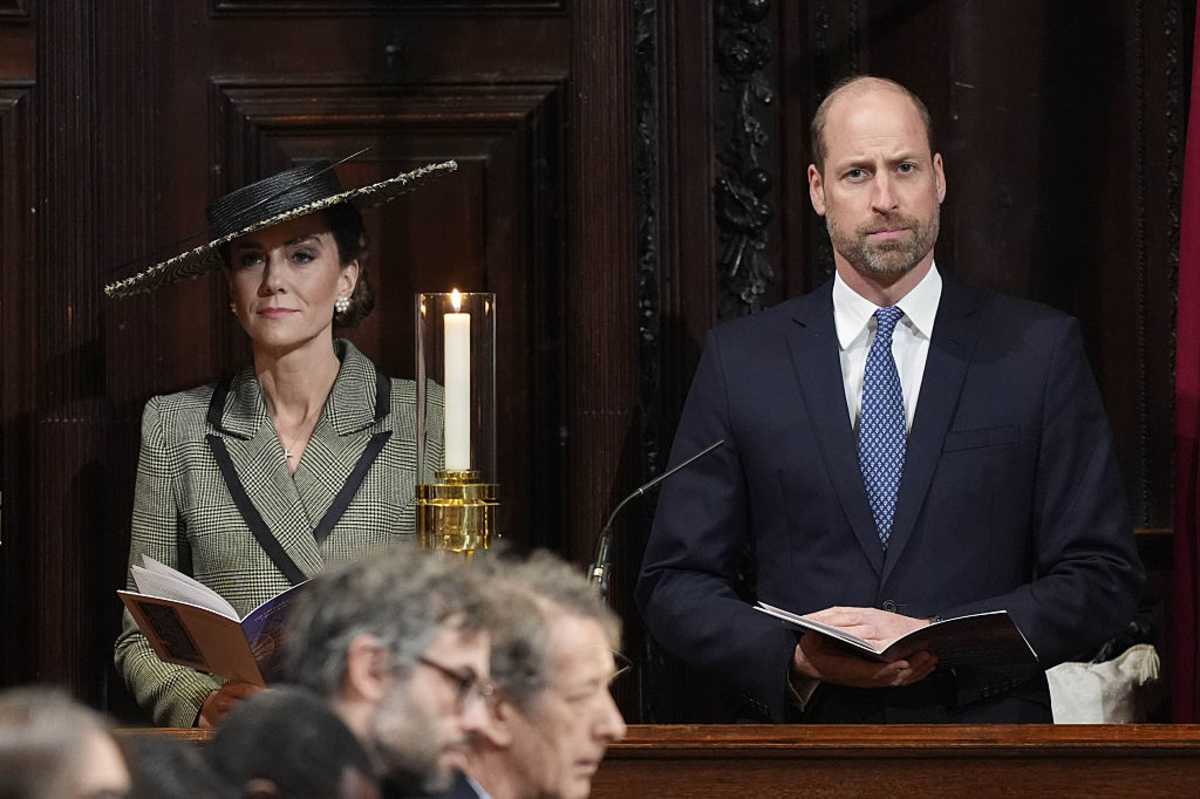
Writing for The Express, Russell was quick to argue that the Prince of Wales’s presence at the enthronement was far more than just a “PR box-ticking exercise”—it was the “ultimate, iron-clad proof” of faith that he is finally ready to show the world. For years, critics have argued that the future king was too secular, too modern, or perhaps even apathetic toward the religious obligations of the Crown. However, Russell highlighted that by backing the first female archbishop, the Prince of Wales has successfully dismantled that “lazy narrative.” But by doing so, the prince isn’t trying to replicate the “invisible chain” of piety that grounded his late grandmother, nor is he adopting his father’s “mystical, multi-faith philosophy”—a distinction the royal expert suggests is not only intentional but also important for the monarchy’s survival.
Russell highlighted, “His approach is modern and, like with everything he does, entirely indicative of 21st-century life. Perhaps he is more secular in his views, but certainly not apathetic.” In her view, the prince has found a kindred spirit in the new archbishop. Dame Mullally’s transition from Chief Nursing Officer to the pulpit represents a “faith in action” that is very “William-coded.” “It is exactly what he champions with his work in homelessness and mental health,” she remarked. By standing alongside the new archbishop, the Prince of Wales has shown that the Church’s new era will be less about the “stained glass ceiling” and more about the front-line service they both value.
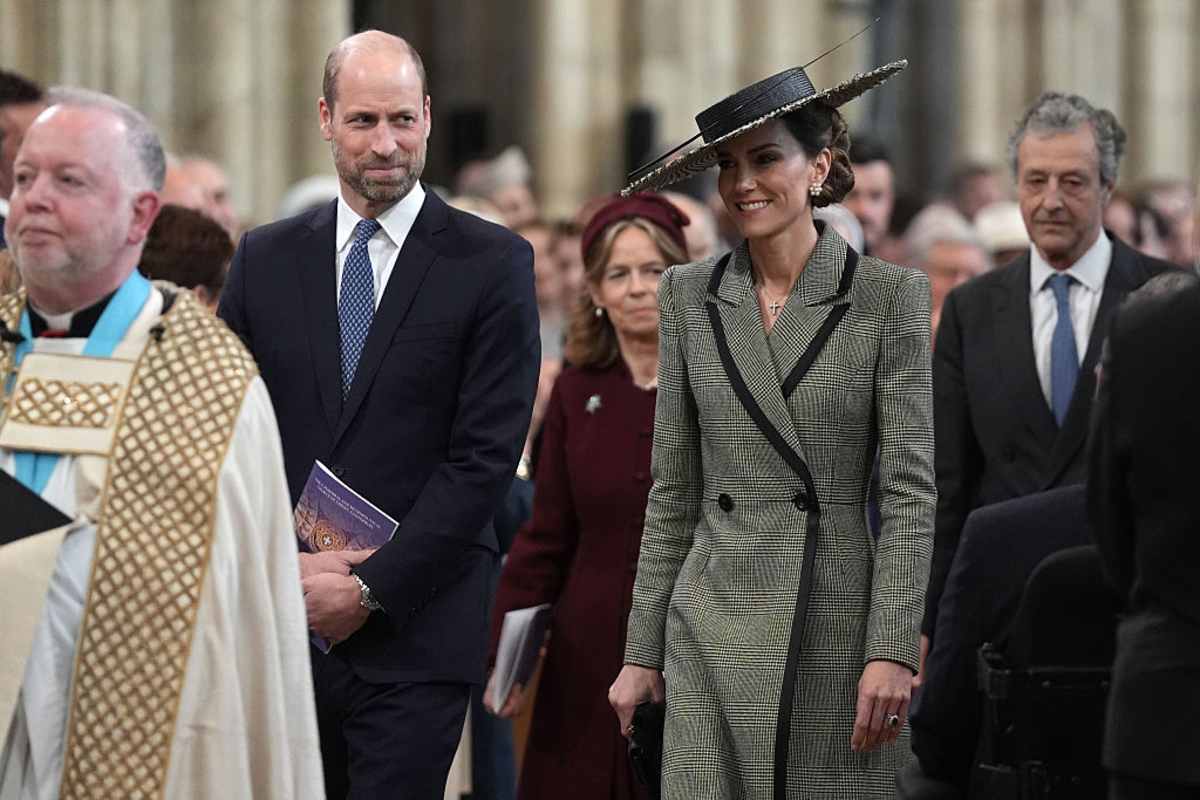
The “cruel sledgehammer of a disease” that struck both his father and wife, Princess Catherine, has—according to Russell—brought William “face to face with his own mortality”—transforming his outlook on the Crown’s spiritual duties. Instead of pulling a ‘Henry VIII’ and breaking with the Church, the heir apparent is preparing to lead it on his own terms. “He will be God’s representative on Earth and doesn't need a lecture on the weight of the crown,” the expert writes. “His faith isn’t the bedrock of everything he does…he is a man intent on driving the monarchy forward like a perfectly oiled machine with behind-the-scenes action rather than grand spectacle,” Russell observed.
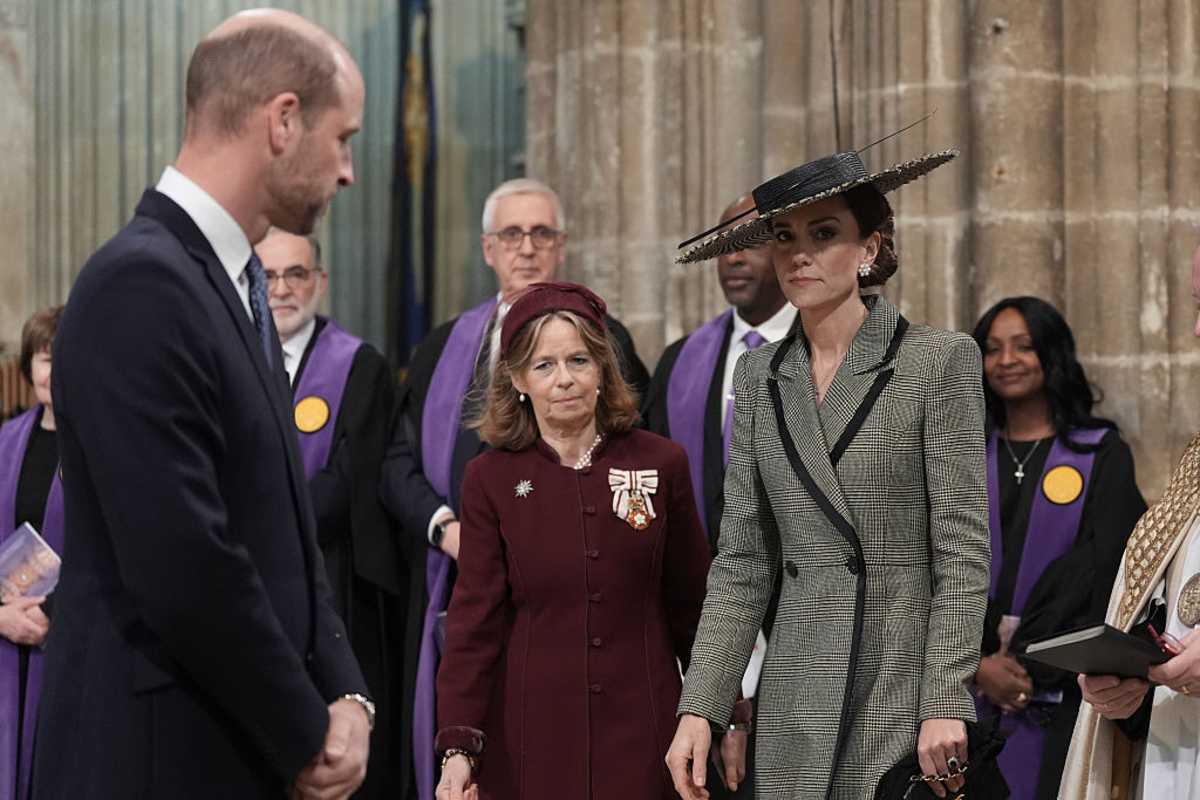
William’s messaging is quite clear, says Russell. While he may not be a carbon copy of his predecessors, by embracing a ‘quiet faith’ that resonates with modern society rather than “piety, sacrifice and divinity” of the past, he is working to define the role for a new era.