Prince Harry's Strategy to Build Royal Identity Beyond the Monarchy is Missing One Key Element
Prince Harry is reportedly building an independent global platform, but insiders say he’s missing the one quality that made Princess Diana a royal icon.
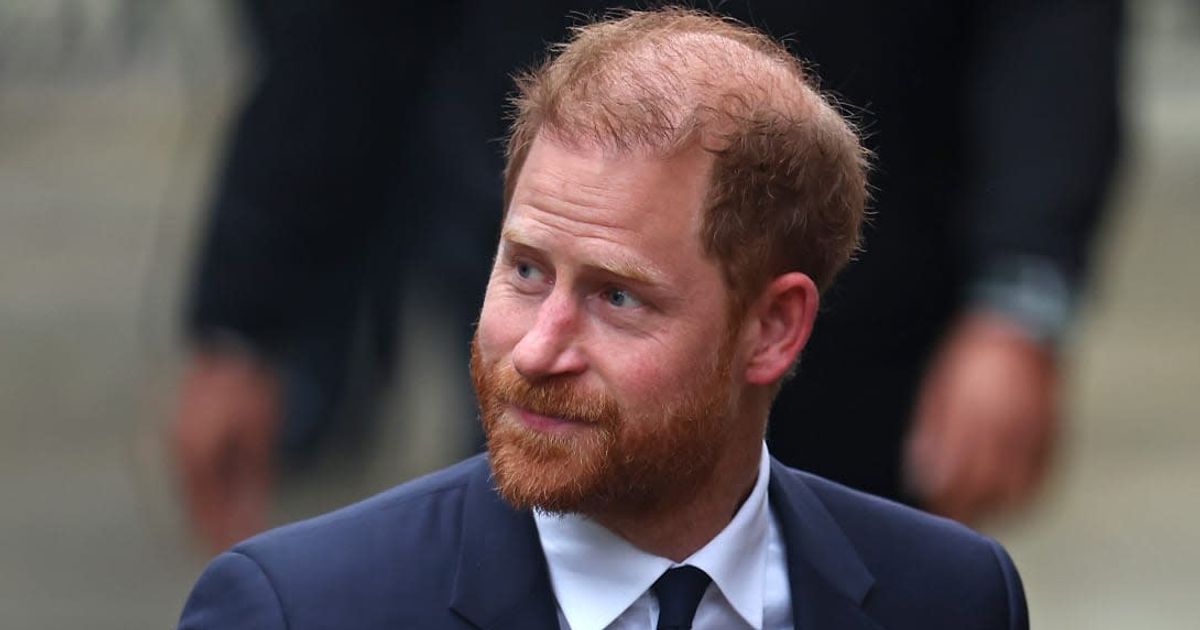


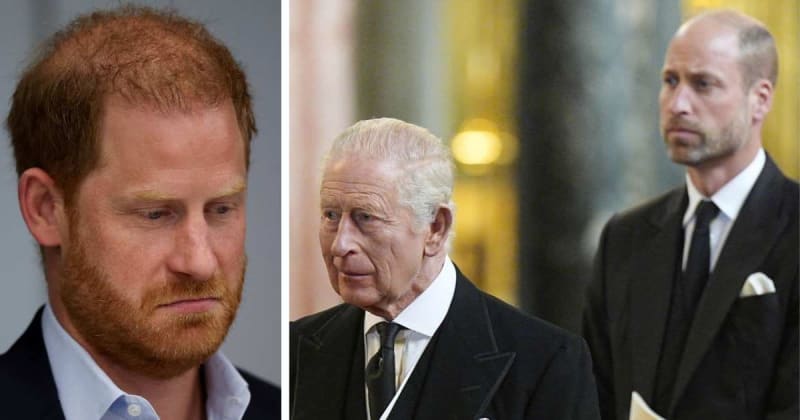
It has been years since Prince Harry and Meghan Markle walked away from the royal family, and the relationship between them and the monarchy has only deteriorated. The young Prince is no longer waiting for a seat at the royal table, and instead, he is busy building his own. According to journalist Rob Shuter, the Duke of Sussex has moved on from his efforts to mend things with the Royal Family, focusing his energy on a bold new venture. He is carving out a global royal identity that operates entirely outside the British Crown’s authority. This new approach signals a clear transition from seeking a path toward a reunion to a competitive era for the Sussex brand, though his plan might be missing one key element.
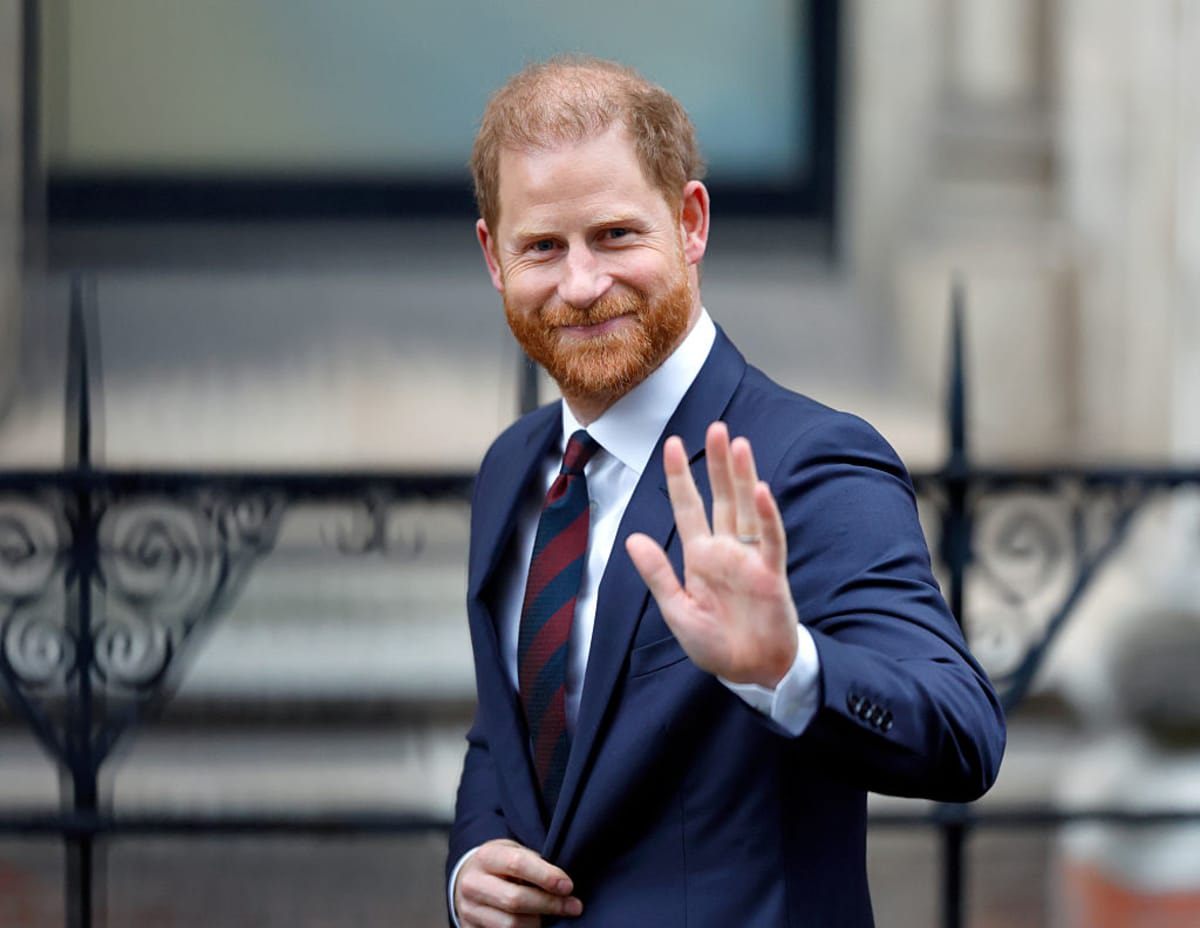
On his Naughty But Nice Substack, Shuter quoted insiders who told him that while Prince William is preparing for a future defined by tradition, Prince Harry is eyeing the power of the platform. “William gets the institution,” one source highlighted, adding, “Harry wants the audience.” At the core of the Duke’s independent brand is a strategy defined by constant activism, international charity initiatives, and a commitment to unprecedented emotional access. This move intentionally mirrors the path set by his mother, Princess Diana, and now Harry is reportedly attempting to redefine himself — moving away from his royal birthright to become a ‘People’s Prince’ through his own actions.
However, insiders believe the imitation falls short of the original. “He is absolutely following his mother’s playbook,” one source noted, adding, “The problem is he is missing what made Diana work.” While the optics of Harry’s recent tours, focusing on global health and mine clearance, echo the late Princess of Wales’ most iconic moments, sources suggest he lacks the one quality that made his mother an untouchable figure, which was her fundamental respect for the monarchy itself. While the late Princess was famous for pushing boundaries and clashing with the Palace, at her core, she remained a committed monarchist. Shuter further highlighted, “She pushed the institution. She frustrated it. She modernized it. But Diana was still a monarchist. She believed in the Crown, understood its value, and never lost sight of the fact that her eldest son would one day inherit it.”
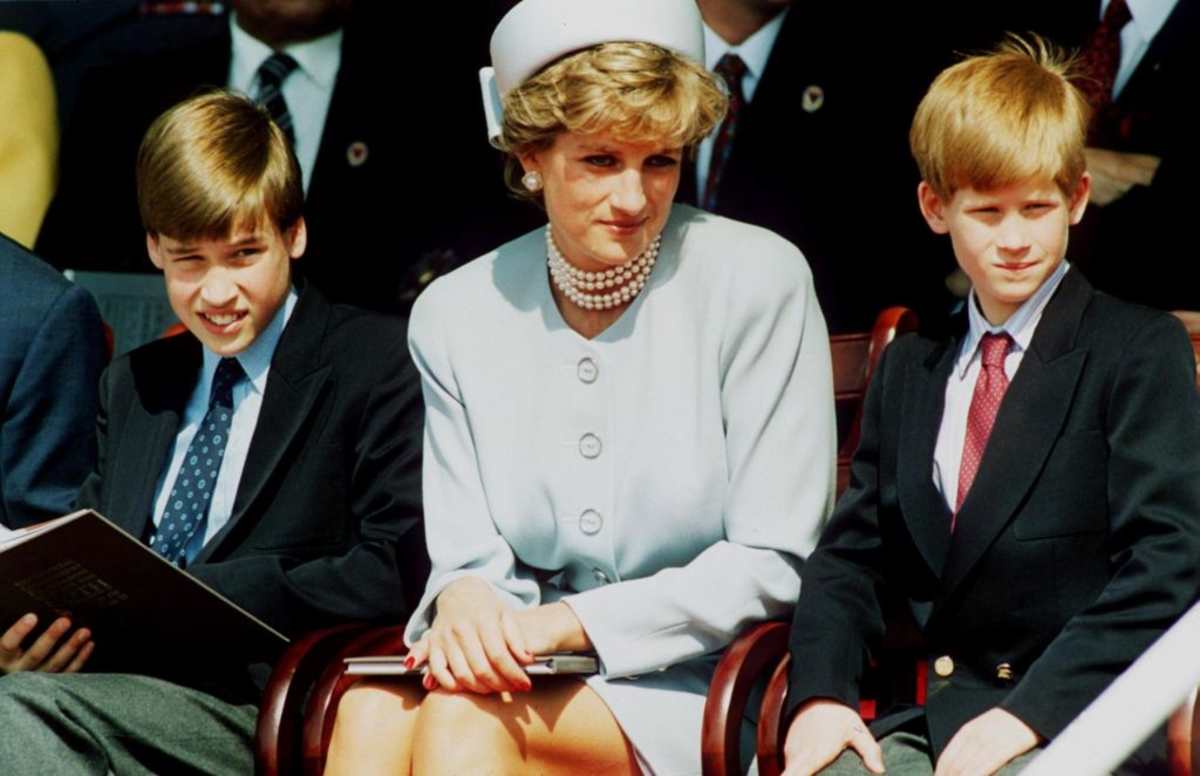
According to Shuter, she understood that her personal power and her children’s future were inextricably linked to the survival of the Crown. By contrast, the royal journalist argued, Harry’s approach appears to be a calculated dismantling of the very institution that raised him. “Diana bent the institution, Harry keeps trying to burn it down,” another source remarked. The comparison between the two is becoming increasingly stark for those who knew the late Princess. “Diana had emotional intelligence, discipline, and restraint,” a source observed, noting, “Harry has resentment, a production team, and a podcast deal.”
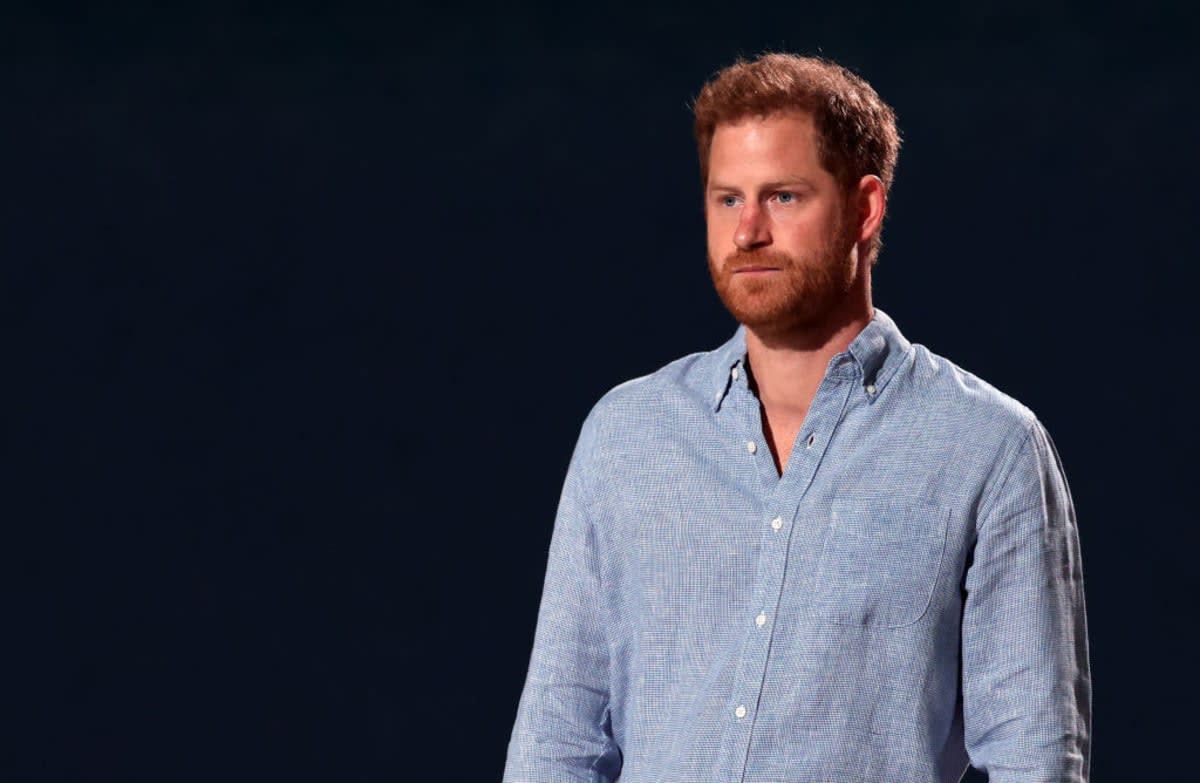
As Harry’s American-based platform continues to grow, the divergence between his vision for the future and the reality of his mother’s legacy is easier to see. While he may be successfully reaching a global audience, Shuter remarks, he no longer possesses that untouchable royal aura, a quality that only the institution he criticizes is capable of bestowing. As a source concluded, “Diana knew the crowd only mattered because the Crown came first.”