Prince Harry Trying To Protect Meghan Markle Left William and Charles Furious, Book Reveals
Royal author Russell Myers says the 2016 statement against tabloid attacks planted the seeds of the brothers’ estrangement.
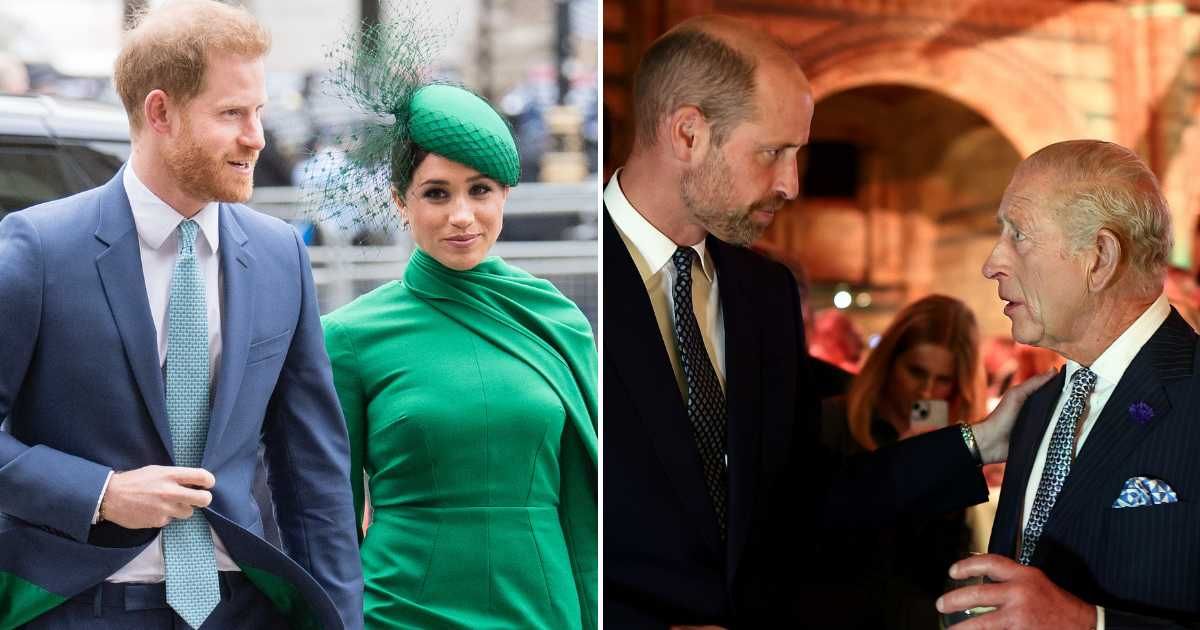


A new royal book reveals that Prince Harry's very first public act of defiance in defense of Meghan Markle didn't just rattle the media establishment. It sent shockwaves directly to his father and his brother. According to Russell Myers, the seeds of that estrangement between the brothers were planted not in a palace feud or because of the television interview or even the memoir—but in the week a younger prince decided the woman he loved deserved better than silence and discovered that his family disagreed.
The statement in question was issued in November 2016, barely a week after Harry and Markle's relationship became public knowledge. The British tabloids had already been ruthless when one notorious piece described Meghan as "(almost) straight outta Compton," a fabricated slight given she was raised in an entirely different part of Los Angeles. Incensed, Harry instructed his spokesman, Jason Knauf, to issue a formal rebuke, an act of chivalry that, as William and Catherine by Russell Myers now reveals, quietly lit the fuse on a much larger explosion within the family.
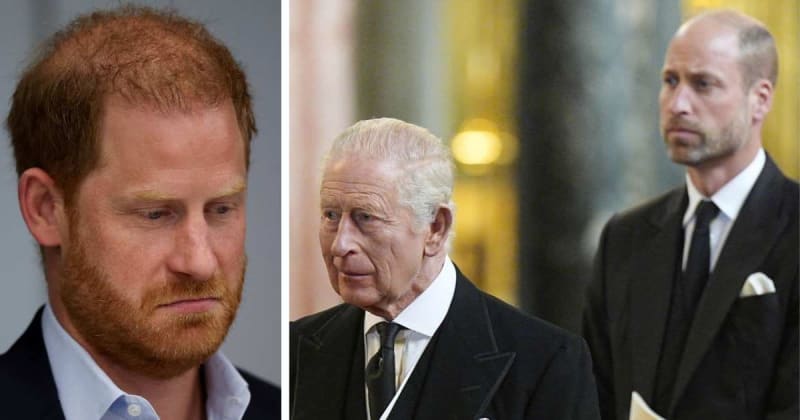
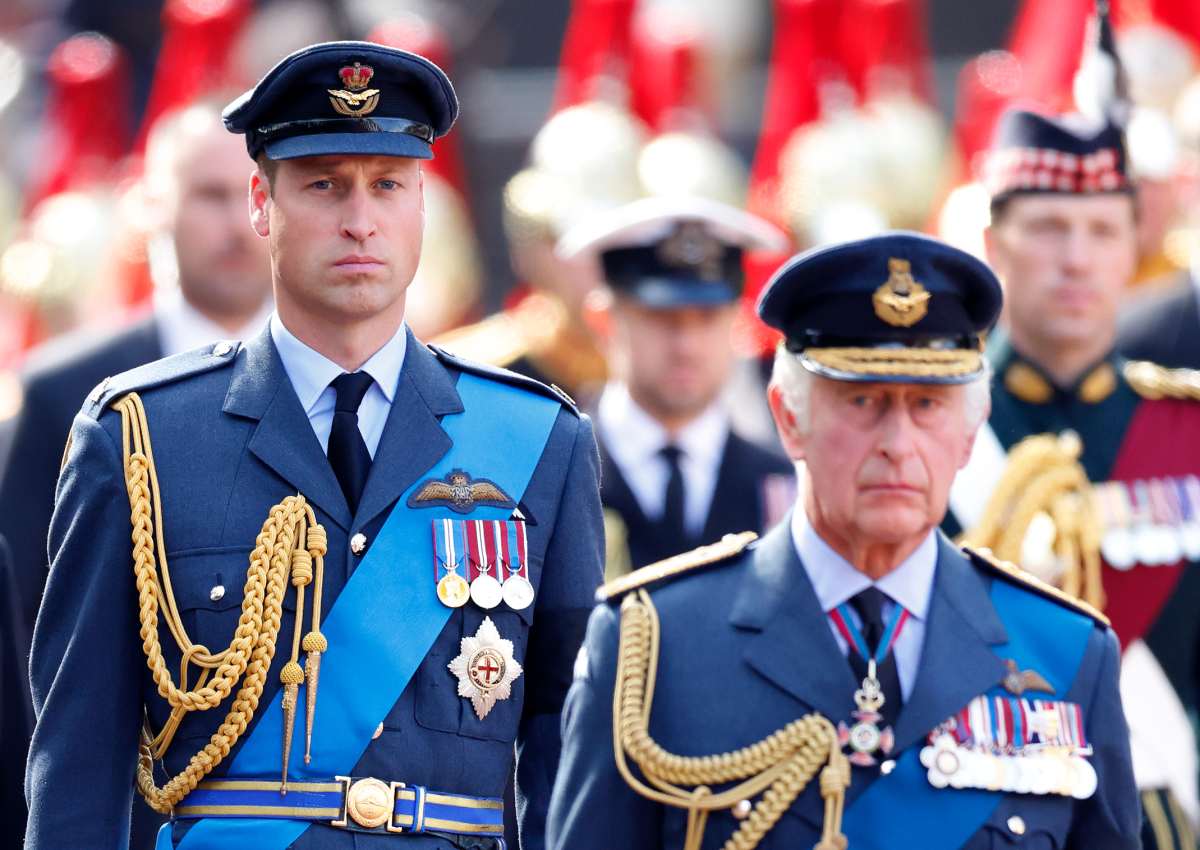
Harry had taken a stand, but he had left King Charles and Prince William utterly furious. Myers wrote, citing a royal source, "The feeling was that Harry had made them both look bad. Granted, he was rightly outraged by the treatment his girlfriend was receiving; some of the coverage was utterly disgusting, but the royal family has a specific way of doing things. This wasn't it."
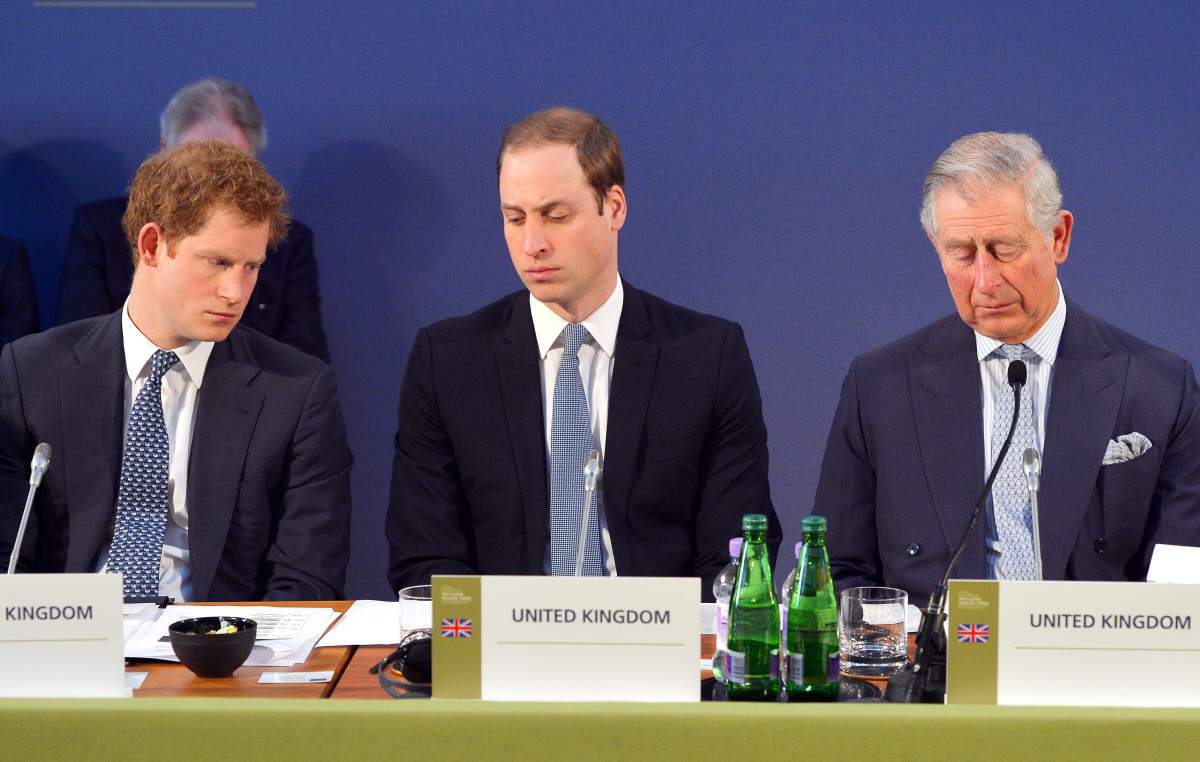
The friction cut in multiple directions at once. William was specifically aggrieved that their shared communications team had acted without consulting him—a breach of internal protocol that compounded the broader sense that Harry had gone rogue. And yet, as Myers noted, Harry's own fury was mounting in parallel. He was shocked that his father and brother, whose own spouses had endured years of relentless press scrutiny, were responding not with solidarity but with reprimand.
Harry recounted the fallout in his memoir Spare. "Pa and Willy were furious. They gave me an earful. My statement made them look bad, they both said. 'Why in hell?' Because they'd never put out a statement for their girlfriends or wives when they were being harassed." The statement, he noted bitterly, had landed just as Markle touched down at Heathrow—and changed nothing. The media onslaught continued. The family's anger, however, was entirely new.
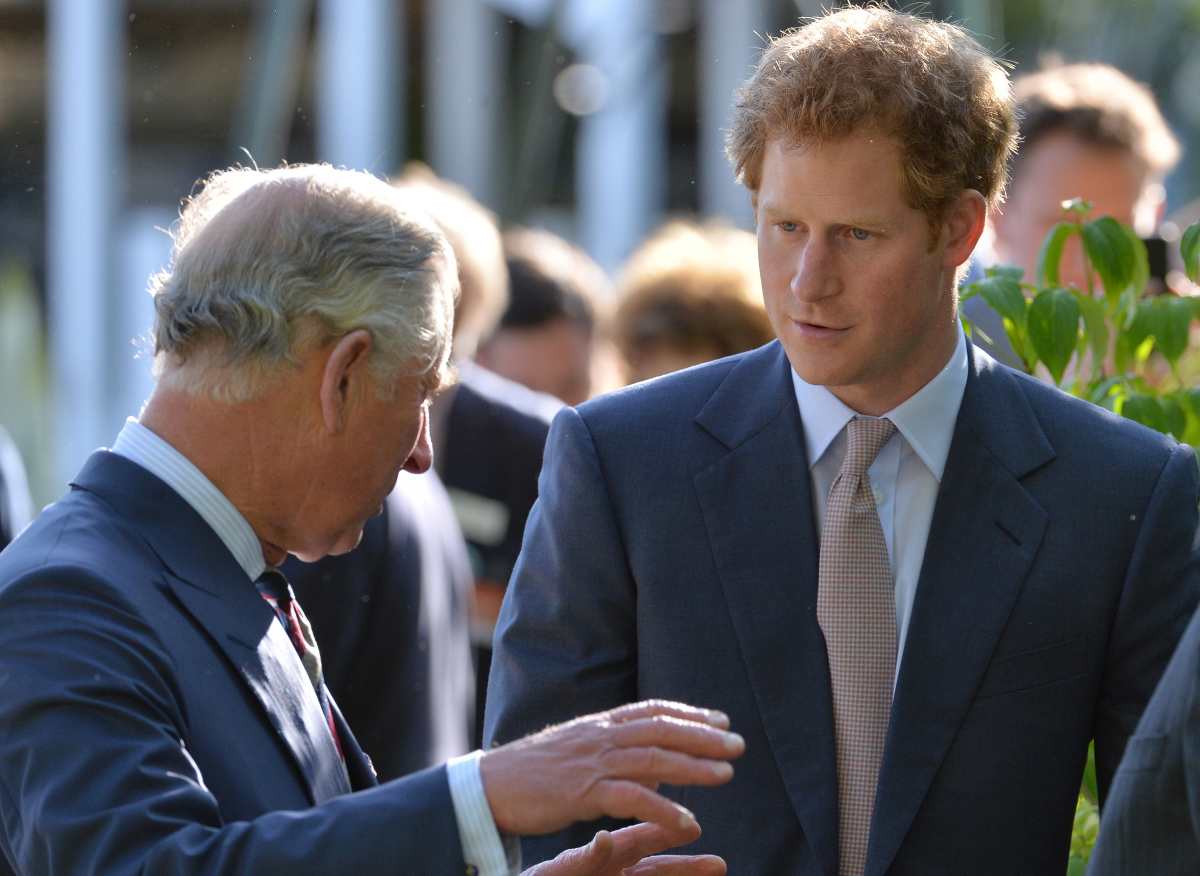
William, for his part, also questioned the seriousness of Harry's relationship to his face—and, according to Harry's account, openly mocked the idea that their late mother, Princess Diana, had in some spiritual sense guided Markle to Harry, saying, "Well now, Harold … I'm not sure about that. I wouldn't say THAT!" For Harry, who wore his grief and his beliefs openly, having both ridiculed in the same breath was a wound that didn't close easily. Myers in the book asked, "Why should his older brother have any say over who he should date or how he should feel?"
The tensions, it must be said, did not come from nowhere. Myers in the book traced a web of existing fault lines between the brothers—disagreements over charitable territory, including who should campaign for veterans' causes in Africa. William believed in dividing responsibilities; Harry believed they could work in tandem. A former aide quoted in the book said, "The relationship between them was already tense, and this didn't help."