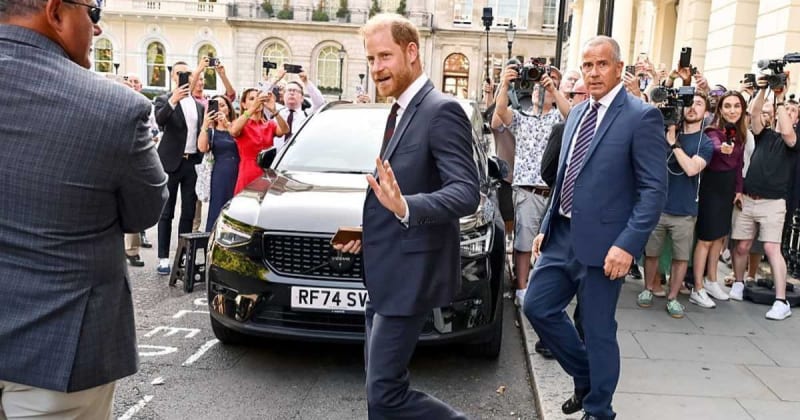
Prince Harry and Meghan’s Six Years Away Could Be Crucial to Their UK Return — and Their Tax Bill
The Sussexes may have chosen the six year window to gain a major tax break from their return.


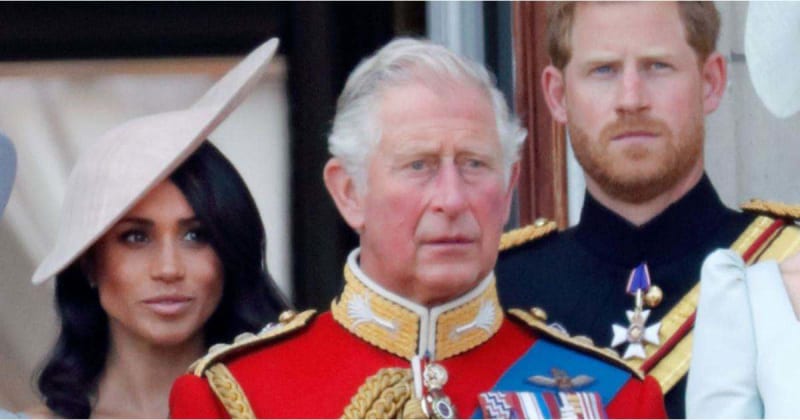
Prince Harry and Meghan Markle announced their return to the UK this week, and the news has caused a major stir online and among royal watchers. The Sussexes are expected to make a sensational homecoming with their children, Prince Archie and Princess Lilibet, towards the end of this month. There are also reports of the Duke and Duchess enrolling their children in UK schools and taking up a private residence on the outskirts of London. As they prepare to find their footing once again within the royal fold, there are lots of speculations about their motive behind the sudden move. According to Express UK, tax experts claim the Sussexes might be eyeing a major tax break.
Harry and Markle stepped down as working royals in 2020; since then, they have been residing in California. They are moving back to the UK after almost six years, and their timing has been described as a clever decision. Tax experts have highlighted that this move may benefit from a significant tax break. Currently, UK residents are obliged to pay Capital Gains Tax (CGT) on profits from the sale or gift of assets that have appreciated in value, including shares and property.
However, since the Sussexes moved abroad and remained there for six years, their assets may be safe from this tax bracket when they land on UK soil later this month. "Harry and Meghan's six-year stay in America could prove important for Capital Gains Tax, " financial expert Michele Tieghi explained. Additionally, they will be residing in a non-royal home; hence, their status as private individuals and non-working members of the Royal Family will remain unchanged during their extended, reportedly non-permanent stay.
Tieghi noted that the UK's temporary non-residence rules prohibit individuals from living abroad temporarily, selling assets, and returning to the UK without incurring Capital Gains Tax (CGT). These rules typically end after five years. She further suggested that the Sussexes leaving in 2020 and returning in 2026 might have exceeded the five-year threshold; however, their exact tax-residence dates would determine their status. Meanwhile, financial adviser Nouran Moustafa also asserted that once the Sussexes re-establish UK tax residency, future gains on their global assets will be subject to UK taxation. "Six years away is not enough to qualify for the new four-year foreign income and gains regime, which requires 10 consecutive years of non-UK residence," she stated.
"So if major disposals were planned, timing them before UK residence resumes could make an enormous difference," she added. Since April of last year, individuals returning to the UK may receive relief on foreign income and gains for up to 4 years, but only if they have not lived in the UK for at least 10 consecutive tax years. Mark Alexander, another financial expert, cautioned that the royals might incur taxes on assets sold post-return to the UK, with their global income potentially subject to UK tax laws.
Molly Monks, an insolvency expert, noted that although split-year treatment could exempt foreign income before their move, this is not guaranteed. Spending over 183 days in the UK could establish tax residency, obligating them to pay UK tax on worldwide income, including earnings from the U.S. and from property. The Sussexes are reportedly keeping their California mansion and a holiday home in Portugal.