Palace ‘Threatened ABC’ When They Tried to Report on Andrew and Epstein, Author Claims
Andrew Lownie says Buckingham Palace prioritized narrative control over transparency in its handling of the former Duke of York controversy.
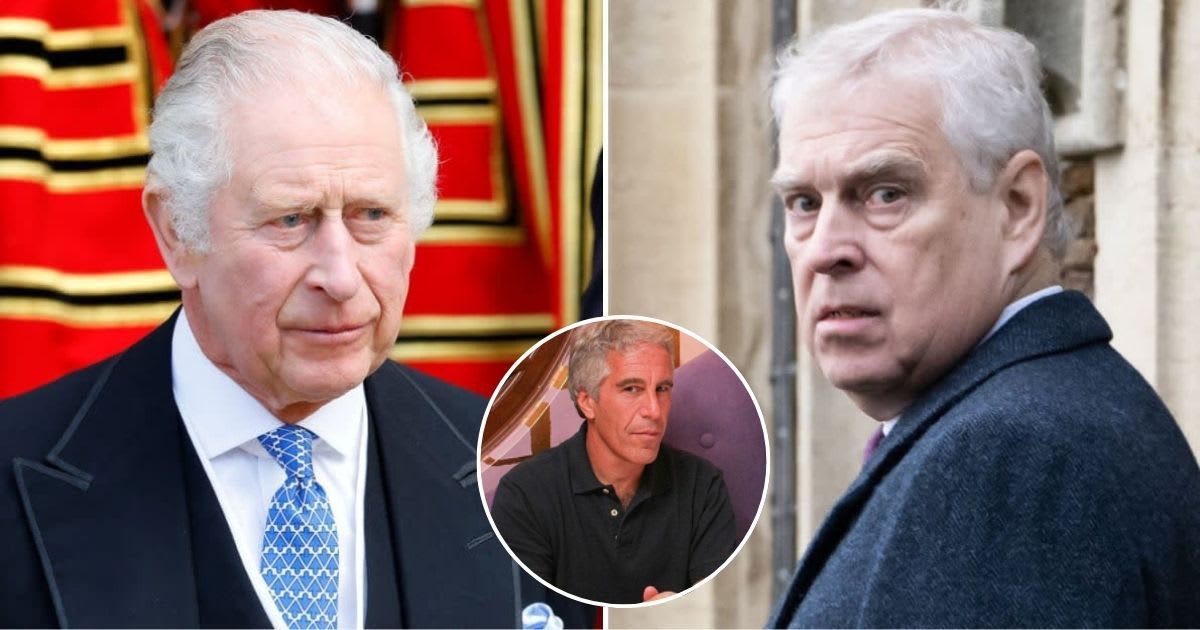


For years, the prevailing narrative has been that the wider Royal Family knew little of Andrew Mountbatten-Windsor’s conduct—and that once the full picture emerged, they were prepared to let the 'law take its course.' Now, that version of events is being challenged. An informed royal commentator claims the Palace was not merely slow to act but actively worked to contain the fallout—allegedly threatening a major news network and carefully steering coverage of Mountbatten-Windsor’s association with Jeffrey Epstein.
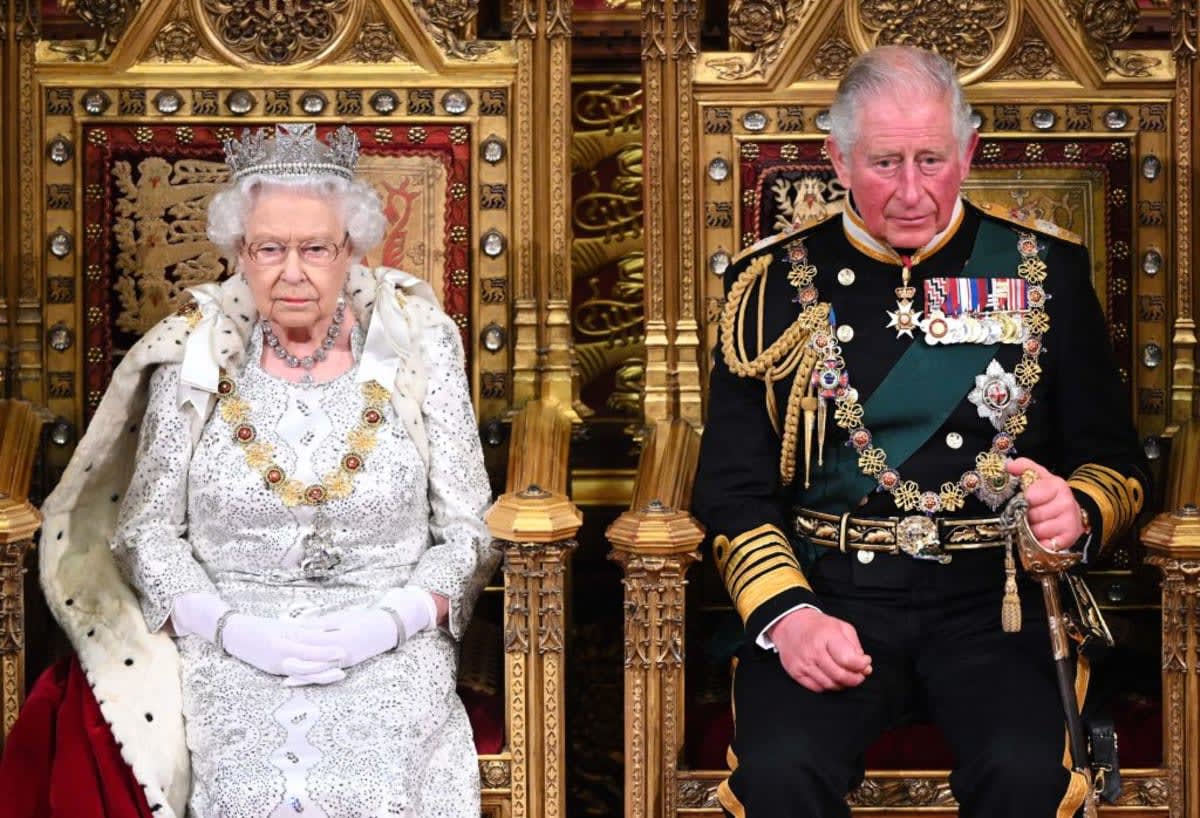
Writing on his Substack, Andrew Lownie argued that the response from Buckingham Palace was far from decisive in the early stages of the scandal. “We keep hearing some royal commentators applaud the King’s speed in dealing with the situation, except that he did not deal with Andrew swiftly,” he writes. “King Charles deserves little praise for acting only in the face of undeniable evidence.”
Per him, the Royal Family had both the means and opportunity to scrutinize Mountbatten-Windsor’s claims long before the crisis escalated. “The Royal Family could at any point have taken the time to check Andrew’s story, and it defies belief that they would not have sought internally to find out the truth behind what has consistently been a major and multi-pronged scandal.” He adds that they “would have known whether the Pizza Express alibi was a lie, that Andrew was in contact with Epstein long after he said he had cut him off, and that he abused his position as a trade envoy.”
Lownie also mentioned the Palace’s refusal to engage with specific questions raised publicly. Referencing a recent segment by BBC journalist Ros Atkins, who laid out a series of detailed queries about Mountbatten-Windsor's conduct and the institution’s handling of the fallout, Lownie noted that the Palace declined to answer any of them. For him, this silence undercuts the tone of official statements issued in recent years. “While the King and his heir have emphasised their concern in recent statements, this concern has not extended to the Palace ever lifting a finger to investigate Andrew or to help his or Epstein’s alleged victims obtain justice,” he wrote, arguing that expressions of sympathy have not been matched by institutional action.
He goes further, alleging that the Royal Household did more than simply withhold comment. “Quite the opposite, the Palace threatened ABC when they tried to report on Andrew and Epstein and have continued to use the stick and carrot of access journalism to try and control the narrative.” The claim suggests that there was an attempt not just to avoid scrutiny but to shape it—leveraging access as both incentive and deterrent in coverage of the scandal.
Lownie writes that the royal family, and the King only, took action when the pressure got unbearable. “It should have taken compassion and a desire for justice for victims for the King to act, not, as it seems, public admonishment,” he argued. In his view, meaningful distance from Mountbatten-Windsor came only after sustained public and media pressure.
Acknowledging that 'Kings are made for the Public; the Public is not made for the King,' Lownie argued that the balance of power ultimately rests with the people. “However, it is heartening that the public voice can still speak loudly enough for a monarch to be forced to listen and act,” he wrote.