New Records Show Andrew Was Tracked in Iceland's Historic Banking Probe
The probe has come to light due to the Epstein files released by the US Department of Justice and leaked Banque Havilland emails.
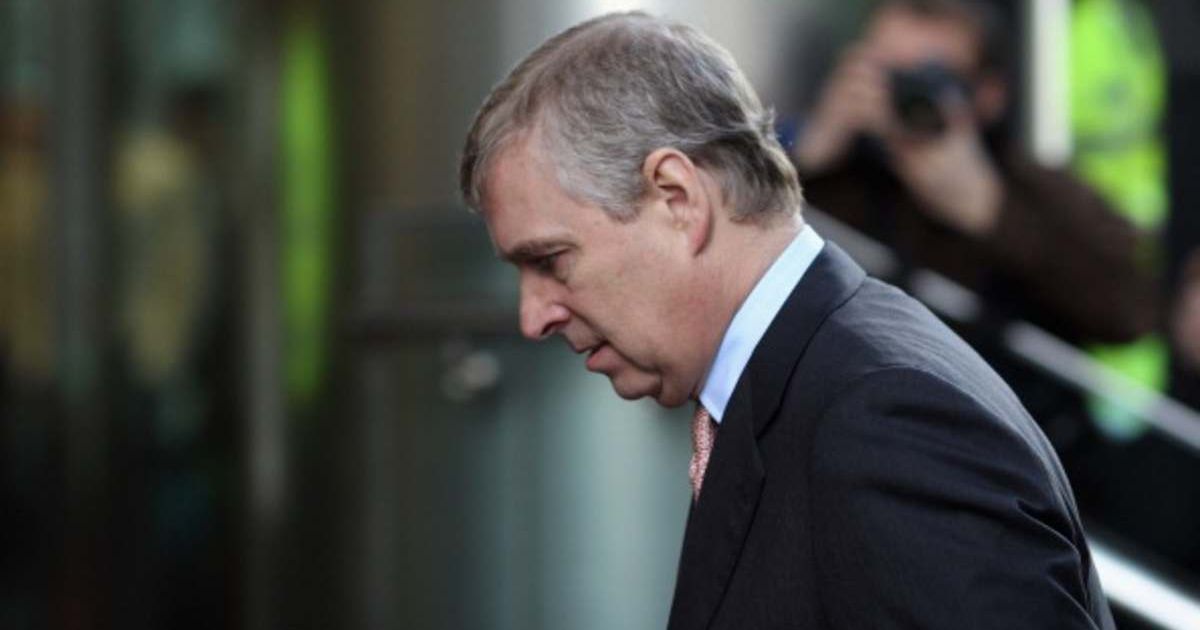


Andrew Mountbatten-Windsor has once again landed at the center of intense scrutiny as authorities dig deeper into allegations surrounding his time as the UK’s trade envoy. The Thames Valley Police are currently spearheading a case into his alleged misconduct in public office, a probe heavily fueled by the newly unsealed Epstein files from the US Department of Justice and leaked Banque Havilland emails. Against the backdrop of this unfolding investigation, fresh claims have emerged revealing how closely international investigators monitored his activities during a completely separate banking probe over a decade ago.

As per The Times, the detective’s attention was drawn to Mountbatten-Windsor’s relationship with financier and Conservative Party donor David Rowland during a Serious Fraud Office (SFO) investigation regarding the collapse of Iceland's Kaupthing Bank. The former lead investigator on the SFO case, Mick Randall, told the outlet, “We were logging intelligence on Prince Andrew. Intelligence reports were going into the SFO system on his activities in Luxembourg with the Rowlands.” As he looked back on Andrew's ties to Mr. Rowland, while describing the latter as a friend and financial adviser, Randall shared, "We thought it was a bit strange and grubby.” The monitoring reportedly occurred between December 2009 and March 2011 as investigators tracked financial movements linked to the failed bank.
The SFO's investigation centered on the frantic movement of funds out of Kaupthing Bank right before the 2008 financial crash. Iceland’s booming banking sector had previously drawn in thousands of British savers, but when Reykjavik froze foreign withdrawals to protect its economy, a major UK-Iceland diplomatic dispute erupted. The Telegraph previously reported that Andrew—acting as the UK's trade envoy at the time—passed classified Treasury briefings about the Icelandic crisis to David Rowland, under whose direction, Banque Havilland subsequently snapped up the lucrative parts of Kaupthing's Luxembourg division.
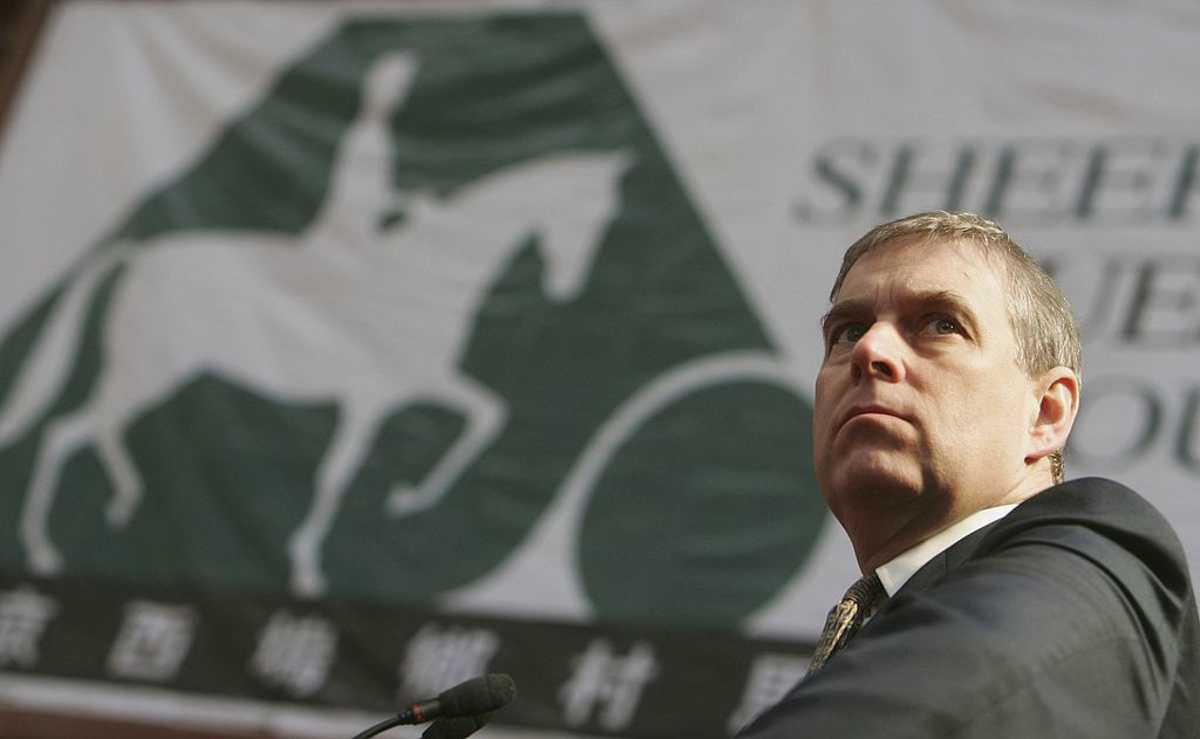
The controversy only intensified after the SFO raided Banque Havilland's offices in 2011 as a part of its wider investigation into Kaupthing. Although authorities never brought any charges against Mountbatten-Windsor, his close relationship with the institution remained under the microscope. At the bank's opening reception in 2009, he had publicly championed David Rowland, stating, “I welcome the initiative of an English family who took the risk of investing outside the borders of the UK.”Catering to ultra-wealthy clients—including royal insiders—the bank became central to the Duke's finances, with Andrew openly calling Rowland his “money man.” The connection ran deep enough that in February 2010, the Duke tasked his deputy private secretary, Amanda Thirsk, with securing an internal government memo about the Icelandic financial crisis.
Past controversies have come back to light. Just two weeks ago, 16-year-old SFO intelligence reports were submitted to the Thames Valley Police after officers launched an appeal for information. This comes after Mountbatten-Windsor was arrested at Sandringham on his 66th birthday in February on suspicion of misconduct in public office, before being released while inquiries continued. Investigators are now scrutinizing allegations that he leaked private government data to Jeffrey Epstein during his tenure as trade envoy. Additionally, they are reviewing claims that Epstein trafficked a woman in her 20s to the UK for a sexual encounter with the disgraced royal at Royal Lodge. Throughout the probe, Mountbatten-Windsor has firmly denied all wrongdoing, and Thames Valley Police have declined to comment publicly on the ongoing case.