New Book Reveals Andrew Got Away With a ‘Sorry, Not Sorry' Letter After Assault on Senior Aide
A new account in Robert Hardman's latest book, reveals how the former Duke of York punched a senior palace official — and why his response may have been worse than the act itself.
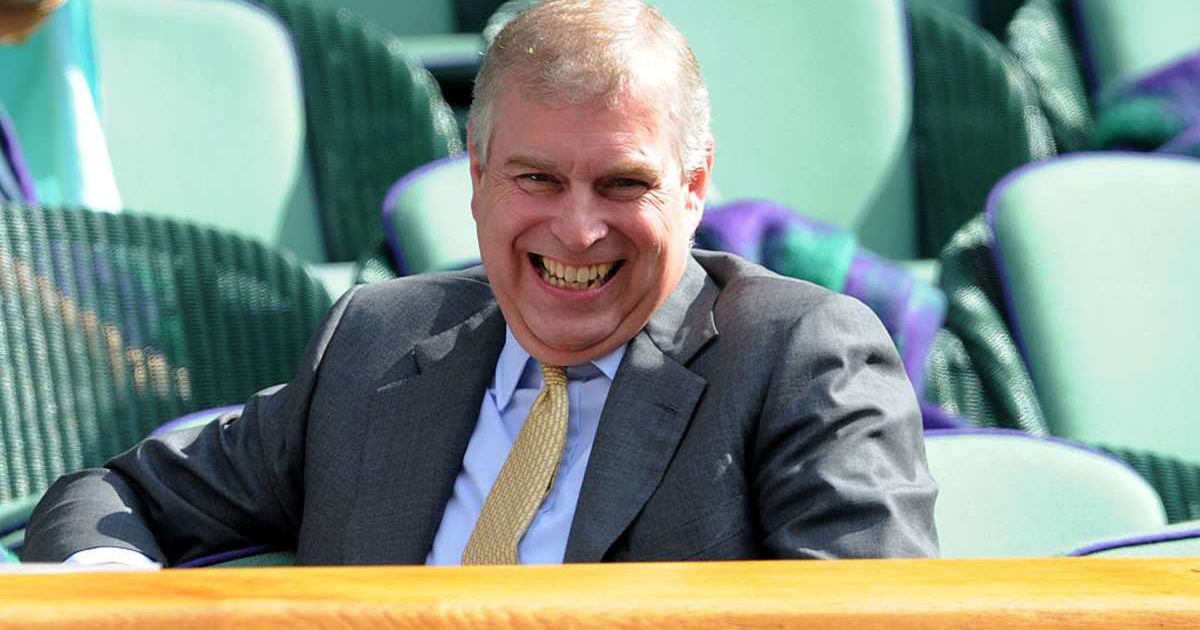


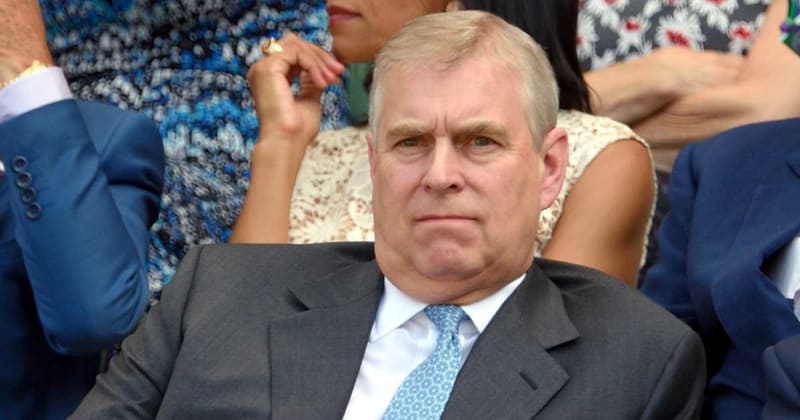
Most people, caught in a moment of rage, eventually find their way to remorse. Andrew Mountbatten-Windsor, though, is not most people. What the former Duke of York did — and perhaps more tellingly, what he did next — has resurfaced in Robert Hardman's latest book, casting an unflinching light on a man who, by all accounts, has never quite grasped the concept of consequence. The account brings fresh attention to an episode that left senior royal staff shaken, and drew a response from Mountbatten-Windsor that those who witnessed it described as anything but an apology.
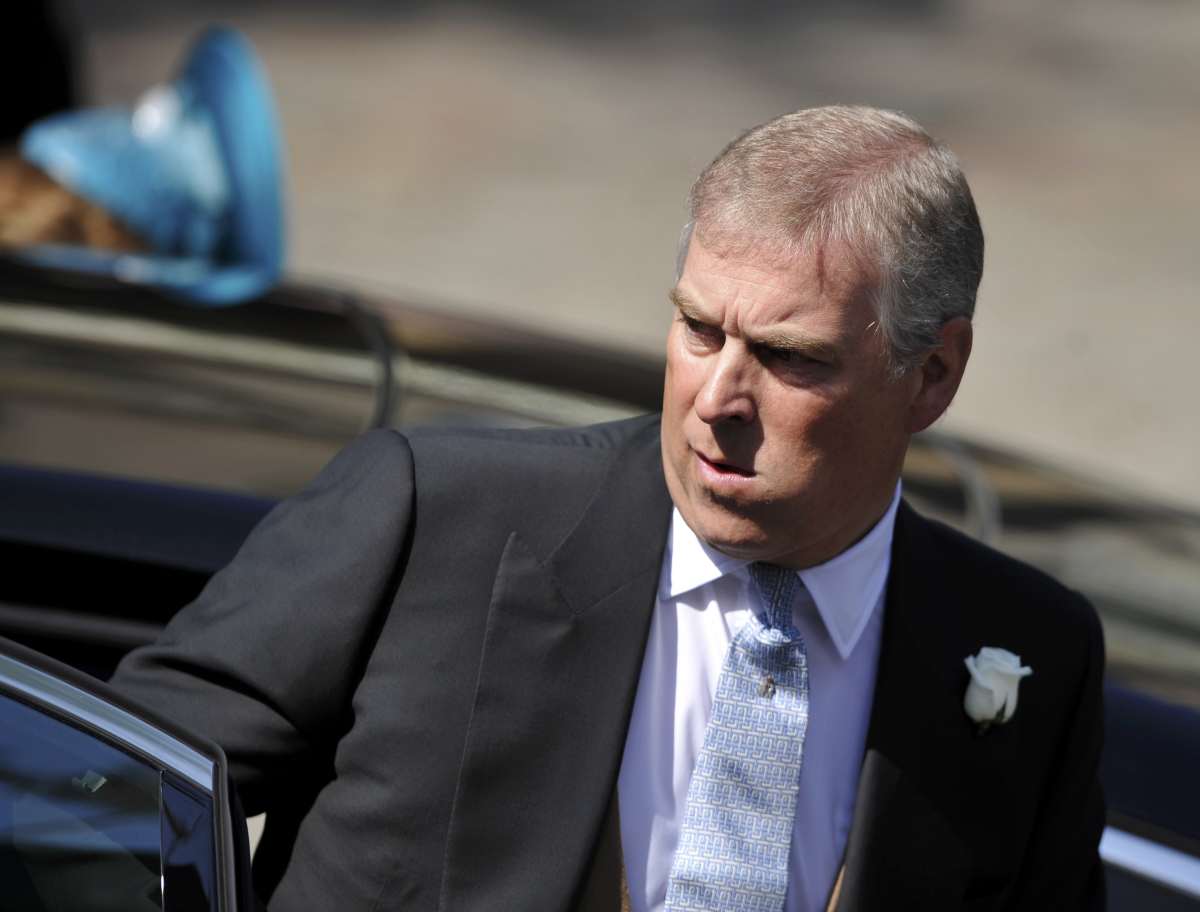
The episode centered on a booking dispute over a room for a Pitch@Palace event, a venture that was far less charitable than it appeared. Reacting to Hardman's account, biographer Andrew Lownie took to Substack to offer his own assessment, explaining, "Despite being presented as a charity, it was a pay-to-play profit enterprise, with Mountbatten-Windsor demanding a cut of every business that got investment." When arrangements didn't go his way, the frustration reportedly boiled over into something far more serious: Mountbatten-Windsor punched the Master of the Royal Household, Vice-Admiral Sir Tony Johnstone-Burt — a decorated former naval officer and one of the most senior figures in the late Queen's household.
The fallout traveled quickly up the chain. Complaints reached Lord Peel, the Lord Chamberlain, and the then-Prince Charles. So grave was the situation that a retired Prince Philip — not known for getting involved himself in such matters — took the unusual step of writing a letter of apology on Mountbatten-Windsor's behalf in an attempt to contain the crisis. Yet the episode grew only more remarkable in light of what followed. Rather than reflecting on what he had done, the former Duke reportedly called the Lord Chamberlain directly — and accused him of "causing problems." When a formal response eventually arrived, it satisfied no one. As Hardman wrote, one member of staff described the letter as a classic "'sorry, not sorry' letter."
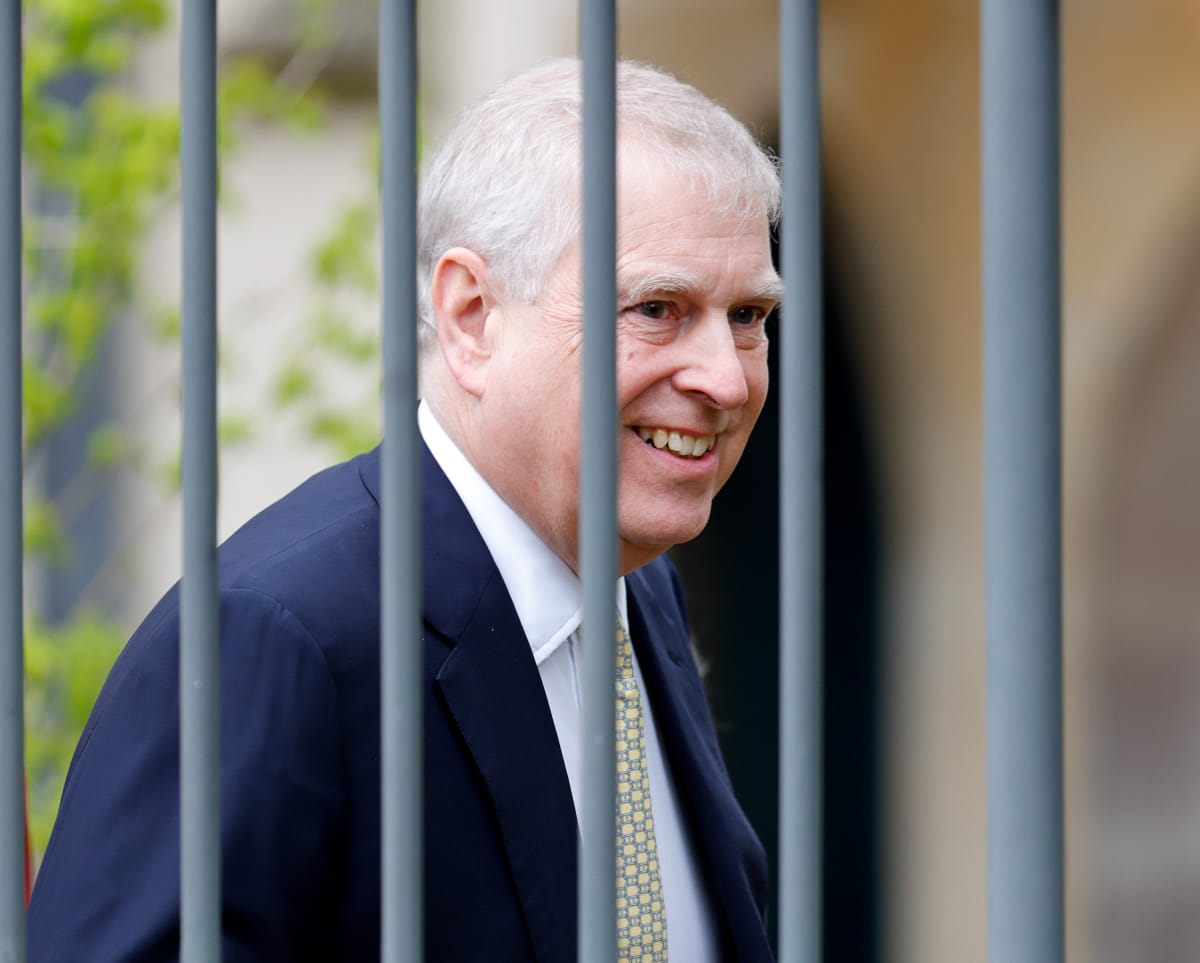
Nor was this an isolated incident. Lownie points to another troubling anecdote in which Mountbatten-Windsor struck a police officer with his car and rammed the gates of Windsor Great Park when they failed to open quickly enough for him. The details differ, but the impulse is the same."What both stories show," Lownie writes, "is that the culture of deference around Andrew meant that not only could he bring p---------- into royal palaces, as well as his p--------- friend, not only could he indulge his greed in dodgy business dealings with dubious characters, he could also use violence to try and get his own way."
The fact that no punishment followed the assault on Johnstone-Burt — a man with whom the Queen was in near-daily contact — would have done little to challenge Mountbatten-Windsor's apparent belief in his own impunity. "That he was not punished at all for punching one of the most senior members of staff," Lownie observed, "will have confirmed what he had always thought: that, unlike the poor police officer and the Master of the Royal Household, he was untouchable."