New Book Lifts the Lid on What Kate Is Really Like Behind Closed Doors—and Her Relationship With Meghan
A new book explores the real Kate behind the public image and argues her rivalry with Meghan was never that simple.


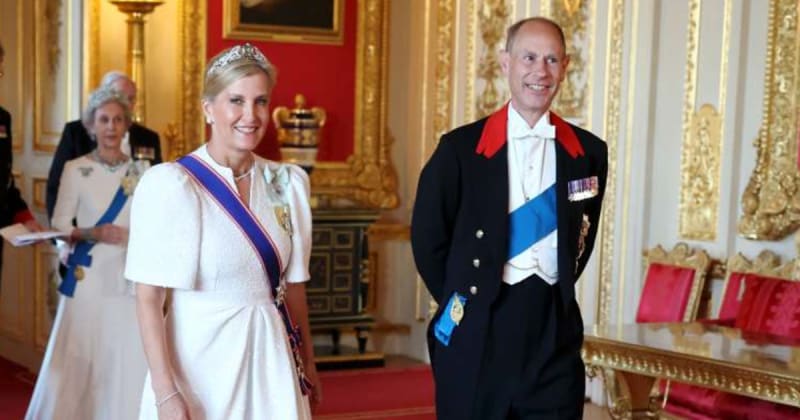
Princess Kate is undoubtedly the epitome of grace and composure in the public eye, but is that the case behind closed doors? During her appearance at Peter Phillips and Harriet Sperling’s royal wedding, she again stole the spotlight with her presence alone. But according to a new book, behind all the public facade, there is something much deeper going on.
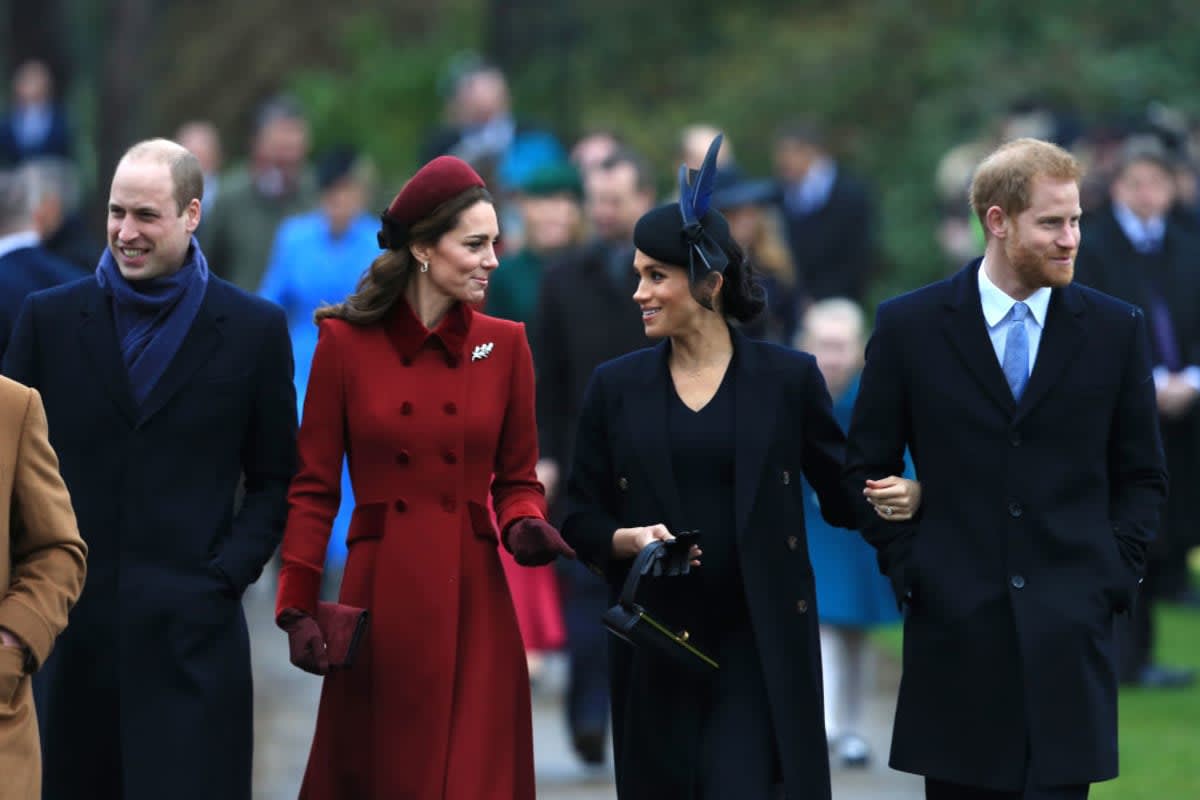
According to Catherine Mayer's new book Divide and Rule: Royal Women and Their Battles, the author suggests that the story of Kate and Meghan Markle goes beyond personality differences or tabloid headlines. Mayer argues that women within the monarchy are frequently viewed through the lens of comparison and that these two women ultimately found themselves on opposite sides of that narrative.
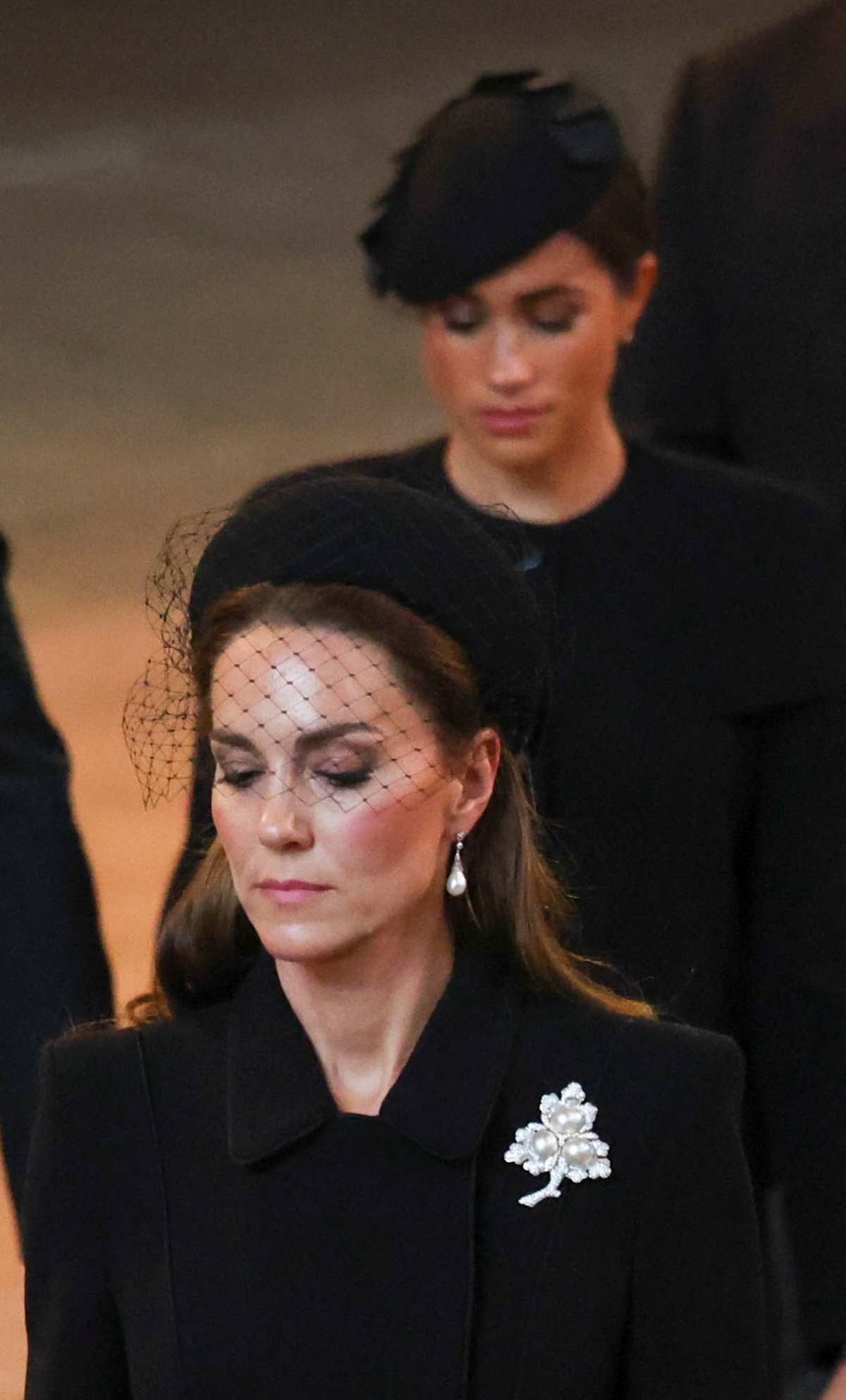
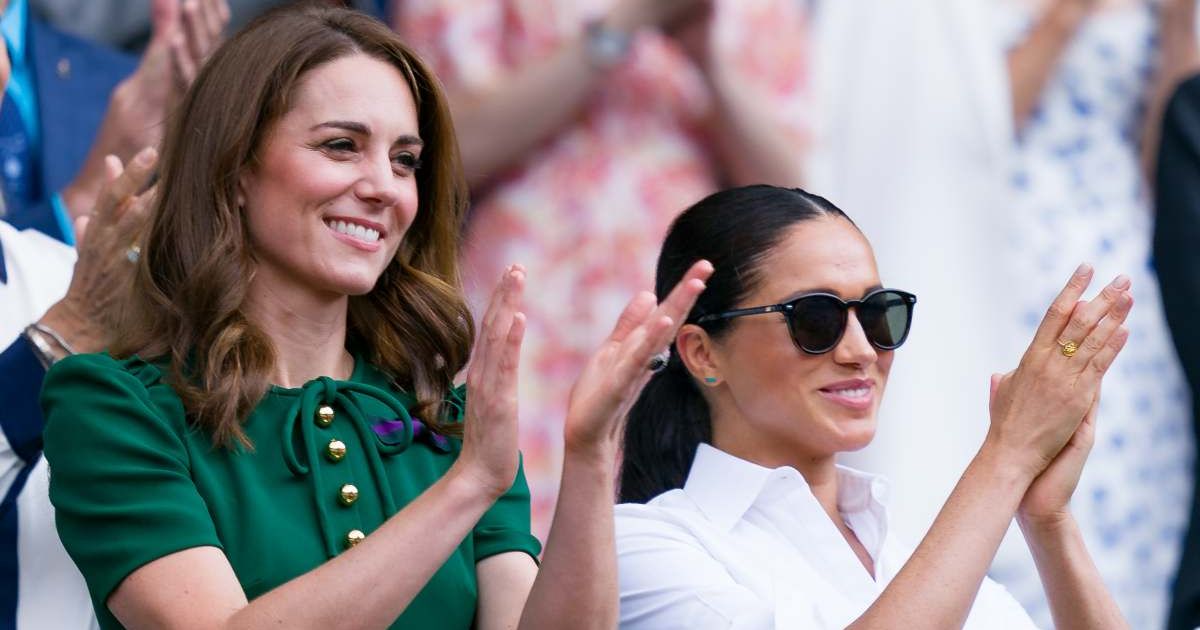
Mayer writes, “A trick patriarchy pulls is to set women against each other, placing them at opposite ends of an infernal seesaw, where, for one to rise, the other must fall, as has happened with Kate and Meghan.” In her view, Kate and Meghan have often been presented as opposite sides of the same coin, with Kate cast as the monarchy's model royal and Markle as her troubled counterpart. “Irreproachable Kate is held up in contrast to flawed Meghan, an outcome damaging for both women, even if Kate herself has played an astute role in creating her public image.”
Independent columnist Charlotte Cripps takes the argument a step further, suggesting the excitement surrounding the "Fab Four" quickly gave way to constant comparisons between Kate and Markle. From the way they dressed to how they carried out their royal duties, the two women were increasingly viewed through a lens of competition rather than individuality.
To make her case, Cripps reaches back to Princess Margaret, who once reflected on the challenge of being the Queen's younger sister. Margaret said, “When there are two sisters, and one is the queen, who must be the source of honor and all that is good, the other must be the focus of the most creative malice, the evil sister.”
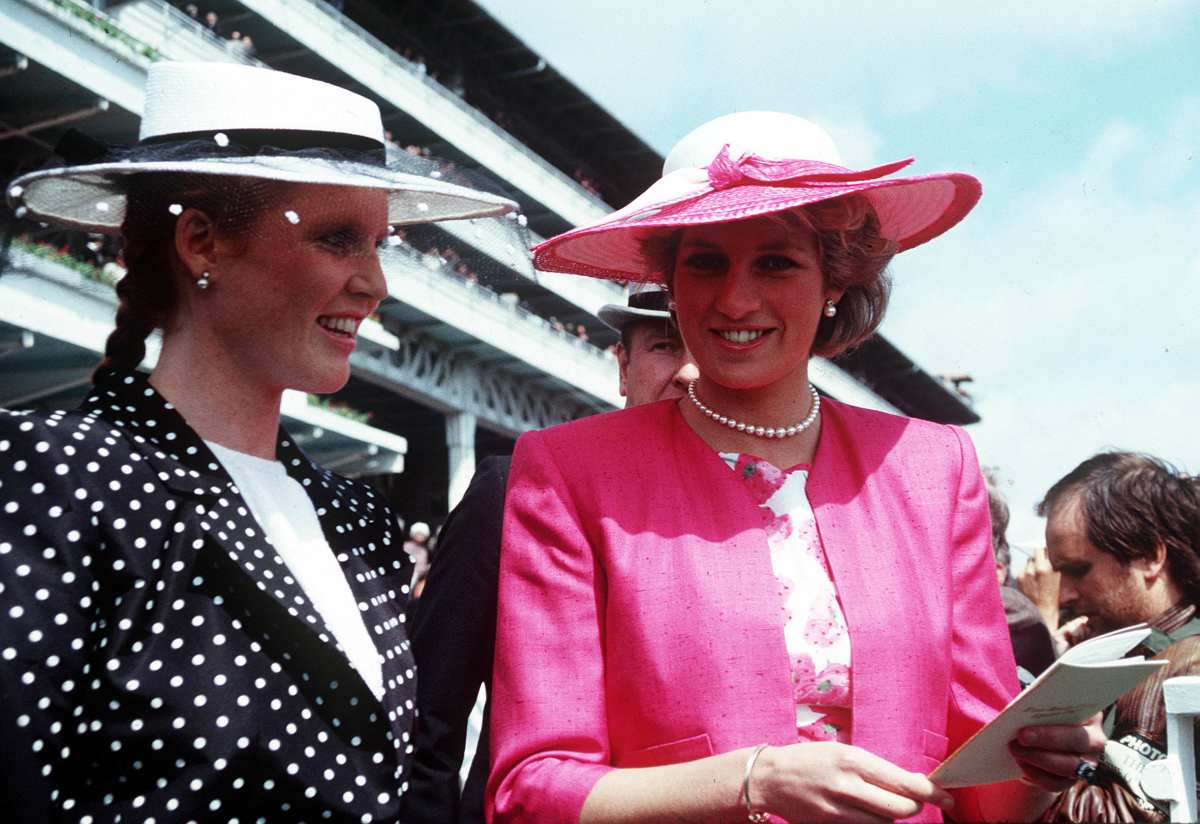
History repeated itself with Diana and Sarah Ferguson. For years, the tabloids treated them as two sides of the same coin, casting Diana as the flawless fairytale princess while Fergie was saddled with the less flattering headlines. Yet, that neat dichotomy didn't last. Once Diana’s own marital struggles and explosive media moments became impossible to ignore, the press's tidy hero-versus-villain narrative completely unraveled.
Meghan herself appeared to push back against that way of thinking during her bombshell interview with Oprah Winfrey, saying, “They really seem to want a narrative of a hero and a villain. So much of what I have seen play out is this idea of polarity, where if you love me, you don't have to hate her. And if you love her, you don't need to hate me.”
In the end, the greatest challenge facing Kate and Markle may not have been each other, but a media narrative that insisted one woman's triumph required the other's defeat. Cripps notes that this same dynamic plays out far beyond palace walls—creeping into offices, friend groups, and families, where society routinely conditions women to view one another as rivals rather than allies.