How Princess Catherine's New Documentary Could Transform the Conversation Around Cancer
EXCLUSIVE ANALYSIS: By being so raw and vulnerable, The Princess of Wales's could create conversation like never before with her new documentary
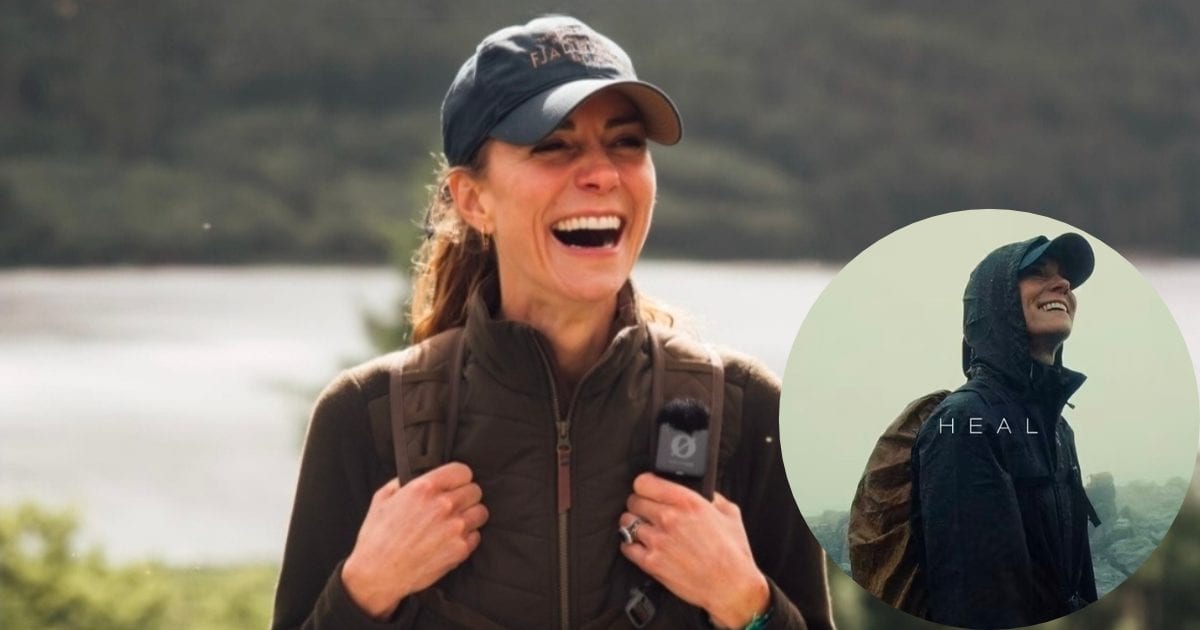


THE Princess of Wales is reportedly set to talk about her cancer recovery and the realities of healing after a diagnosis.
But could this documentary provide a platform to end misinformation and stigma around life after cancer and maybe even cancer as a whole?
While the documentary is expected to raise awareness of the importance of holistic care and support those affected by cancer, it could also encourage a wider conversation about how society understands the disease.
Whether or not Catherine chooses to reveal the specific type of cancer she was diagnosed with is entirely her decision. Being a member of the Royal Family does not remove her fundamental right to medical privacy, nor does the public have an automatic entitlement to such personal information.
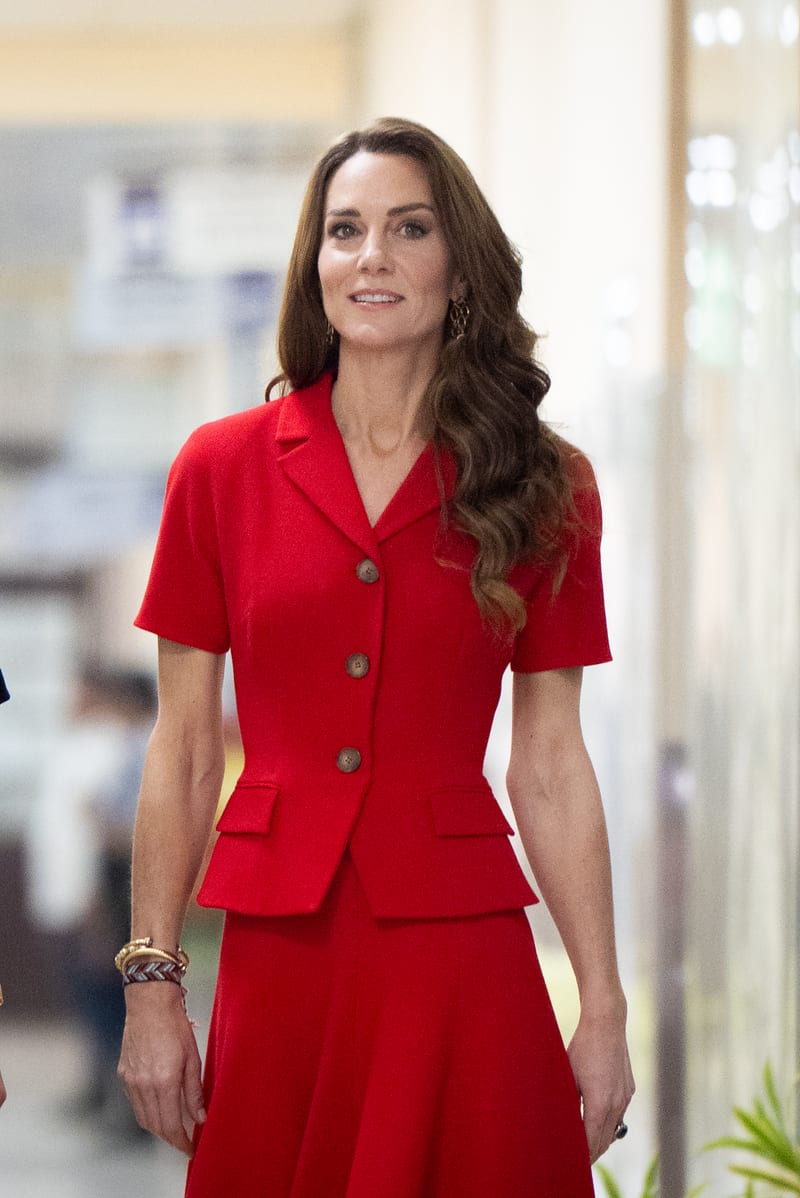
However, the Princess of Wales can still make a significant difference without disclosing every detail of her own experience. Following Catherine's cancer announcement in March 2024, social media became a breeding ground for misinformation and speculation.
Some questioned her appearance, while others made assumptions about her treatment and recovery based on their own understanding of the disease. One of the biggest misconceptions surrounding cancer is that every patient experiences it in the same way.
Not everyone undergoing cancer treatment loses their hair, not everyone experiences the same side effects, and a cancer diagnosis does not automatically mean a terminal illness.
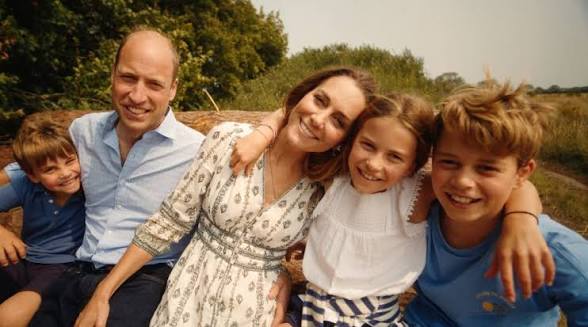
There are many different types of cancer, treatment options and recovery experiences. Two individuals diagnosed with the same type of cancer may experience entirely different physical and emotional challenges.
Catherine's documentary could provide an opportunity to challenge these misconceptions while highlighting the importance of treating patients as individuals rather than making assumptions about their health based on their physical appearance.
With the documentary supporting fundraising for holistic care at The Royal Marsden, it could also help educate audiences about the importance of looking beyond the physical treatment of cancer.

Holistic care considers the wider needs of patients, including their emotional, psychological, social and physical wellbeing.
While medical and scientific treatment remains essential to beating the disease, supporting patients through the emotional challenges of a diagnosis, treatment and recovery can also play an important role in their overall care.
For some patients, completing treatment does not necessarily mean returning immediately to the life they knew before their diagnosis. Fatigue, anxiety, fear of recurrence and other lasting effects can continue long after treatment has ended.
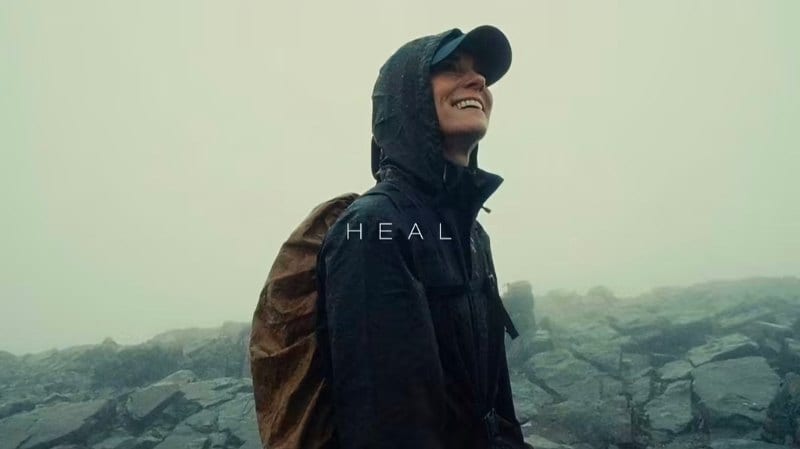
The Princess of Wales' platform could help bring greater attention to these experiences, particularly those that are not always visible to others.
It could also encourage people living with cancer to feel more comfortable discussing their experiences without feeling pressured to disclose information they would rather keep private.
Being open about cancer should be a choice, not an obligation. Patients should be able to share as much or as little about their diagnosis as they wish without having their experiences questioned or invalidated.
Ultimately, the significance of Heal may not lie in what Catherine reveals about her own diagnosis, but in what audiences learn about cancer, recovery and the importance of compassionate, individualised care.
If the documentary encourages greater understanding, challenges misinformation and helps even a small number of people feel more comfortable discussing their experiences, it could leave a meaningful legacy far beyond its broadcast.