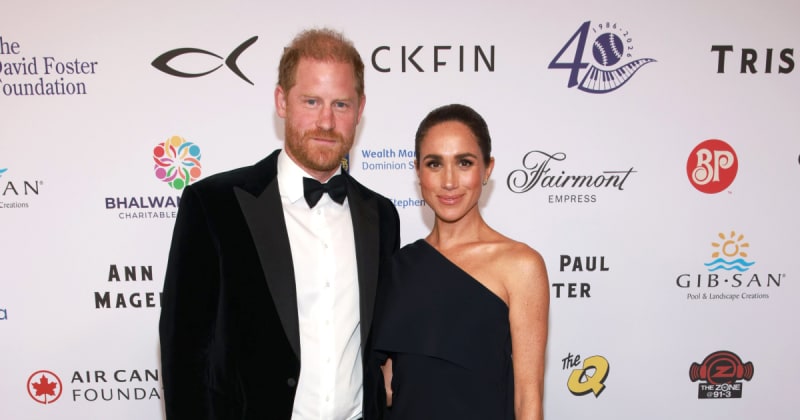
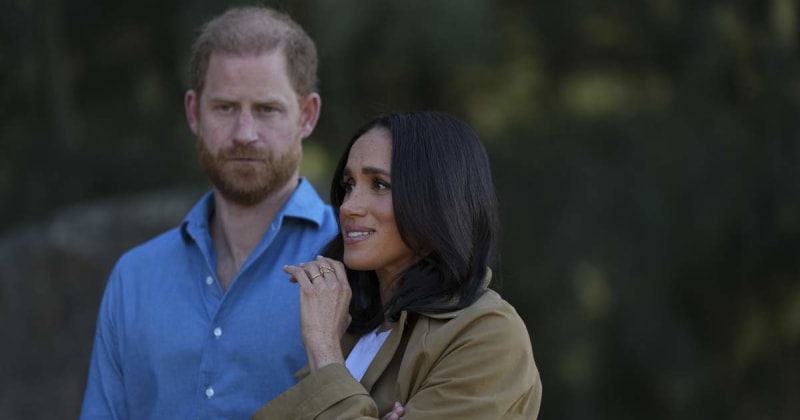
Harry’s 'Reembraces' His Royal Roots With Latest Move — and Experts Say It's to Win Over Hollywood
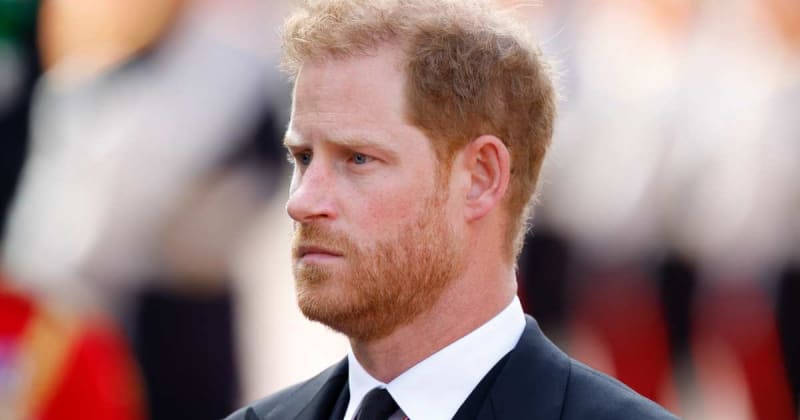
Prince Harry has been critical of the very institution that projected him in the place he is today.
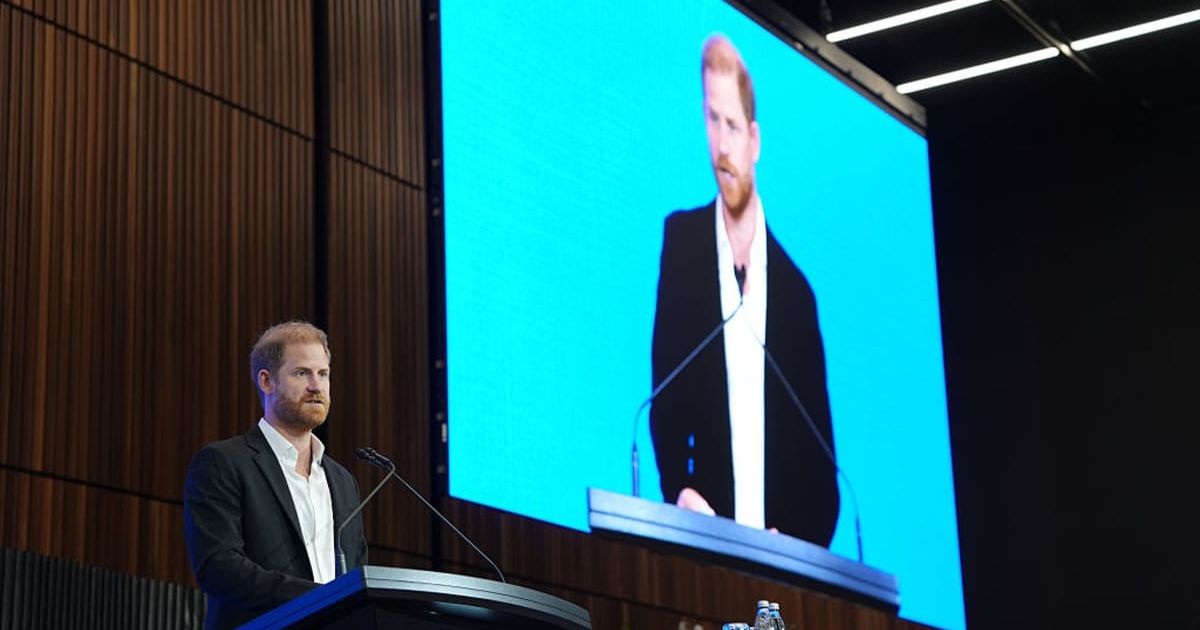


Prince Harry has built an entire second act on walking away from royal life. The irony is that royal life is precisely what is keeping that second act alive. The trip to Australia brought another round of candid confessions. Speaking at Melbourne's InterEdge Summit, Harry opened up about the moment Diana's death changed everything for him. "I was like, 'I don't want this job. I don't want this role — wherever this is headed, I don't like it. It killed my mum, and I was very much against it. And I stuck my head in the sand for years and years," he told the audience.
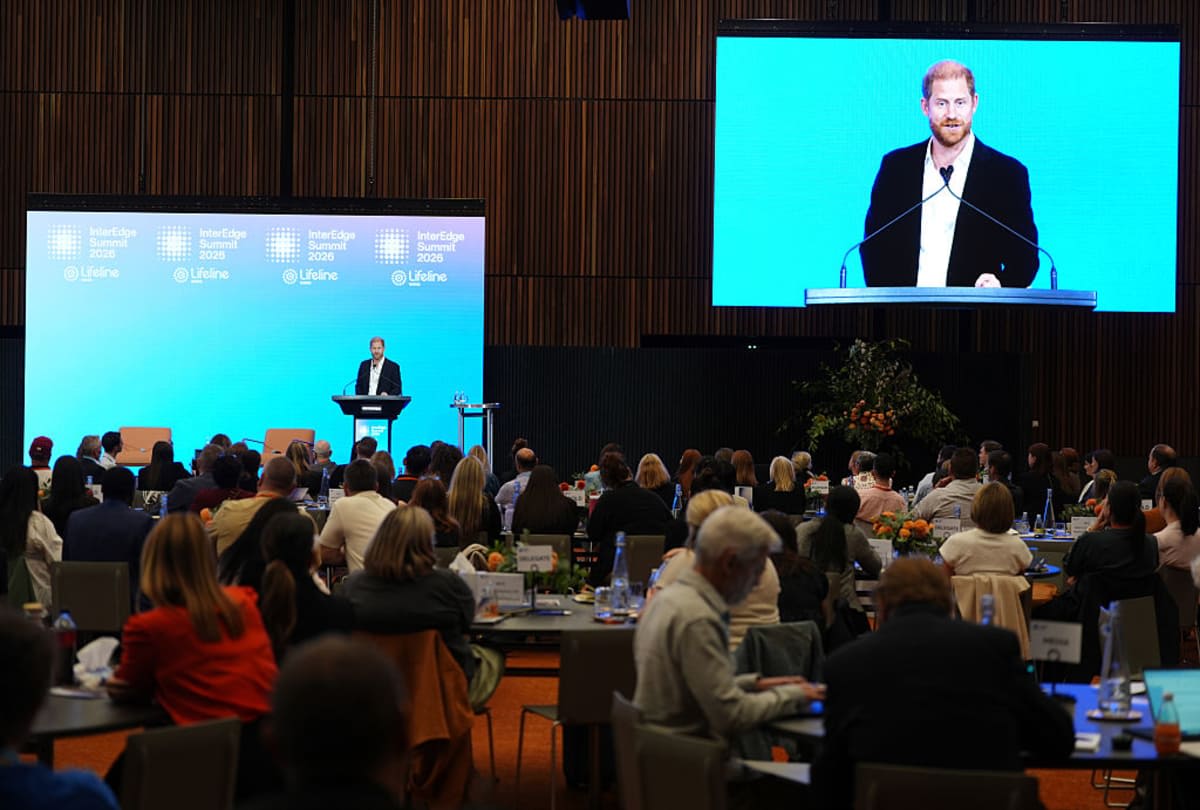
It was the rawest he has been in some time, and it seemed to have landed well. But for some royal watchers, it also raised a question that refuses to go away — if Harry wants so badly to leave the royal world behind, why does the royal world keep showing up in everything he does?
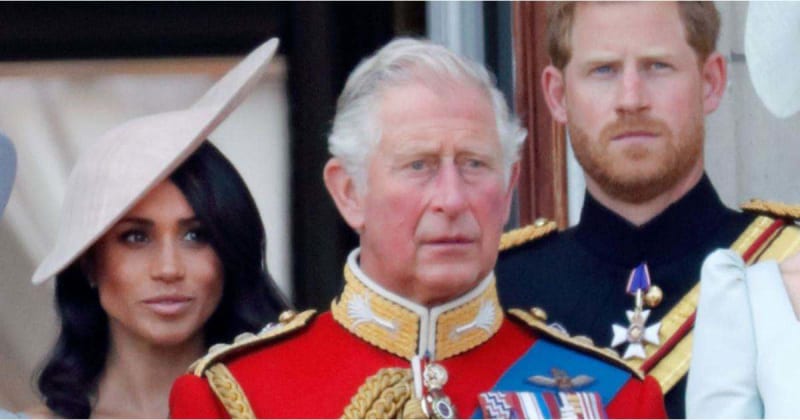
British royal expert Helena Chard traced it all the way back to 1997. "When Diana died, 12-year-old Harry wanted out of royal life. The grief, the goldfish bowl, the cameras at every turn. It was overwhelming and just too much for him. Royal life felt like surveillance, not family," she told Fox News Digital. But then came California. Then came Netflix, speaking deals, and the machinery of a Hollywood career that needed a foundation. And that foundation, whether Harry liked it or not, was the same institution he had spent years pushing away. "In Hollywood, his currency was his royal title," Chard said. "The deals hinged on the British royal family and his Prince Harry title. As Harry alone, he can't clinch the deals."
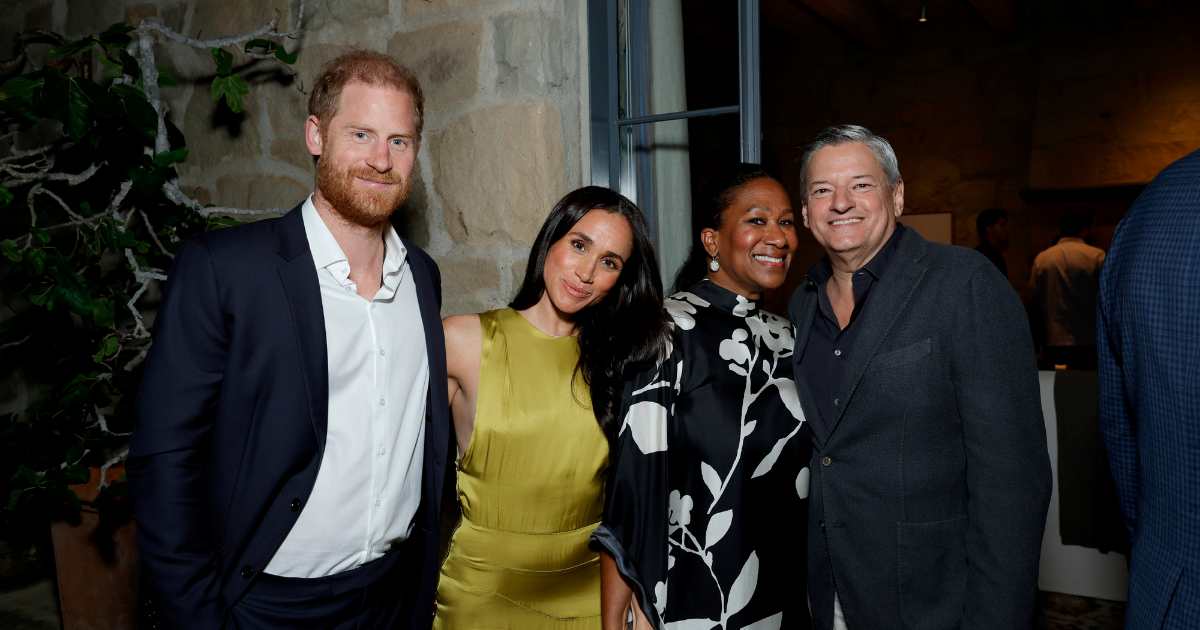
It is a contradiction Harry has never quite resolved, as is evident in the endeavors he has undertaken since his royal exit in 2020. He has been striking major deals with Netflix and landing lucrative speaking engagements. The title went with him everywhere he went. And while he has been consistent in his criticism of the institution, he has been equally consistent in trading on the name it gave him. According to Chard, "He traded palace scrutiny for Hollywood scrutiny but without institutional protection," she explained. "He returned to royal identity as, without it, he can't continue media deals and commercial ventures." The conclusion she draws is a sharp one: "He rejected the crown to heal, then reembraced it to be heard — only with the goldfish bowl becoming the stage."
The royal connection, for now, remains his most bankable asset.