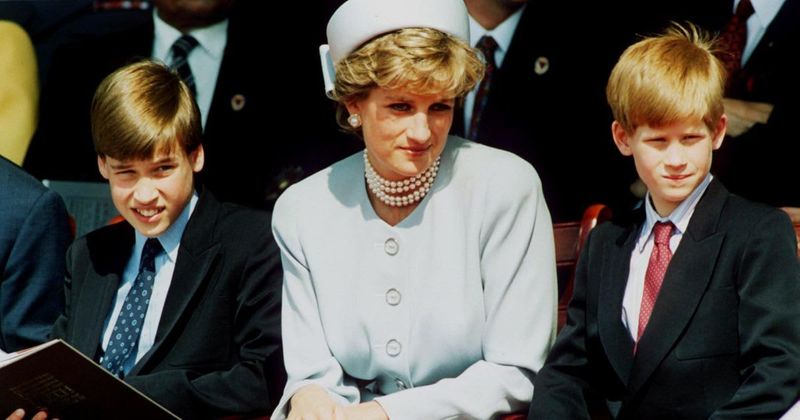
Why Prince Harry's Emotional Melbourne Speech About Mom Diana Is a Critique of the Monarchy
In his address at the InterEdge Summit, Prince Harry bluntly blamed the institution he grew up in for his mother's tragic death.
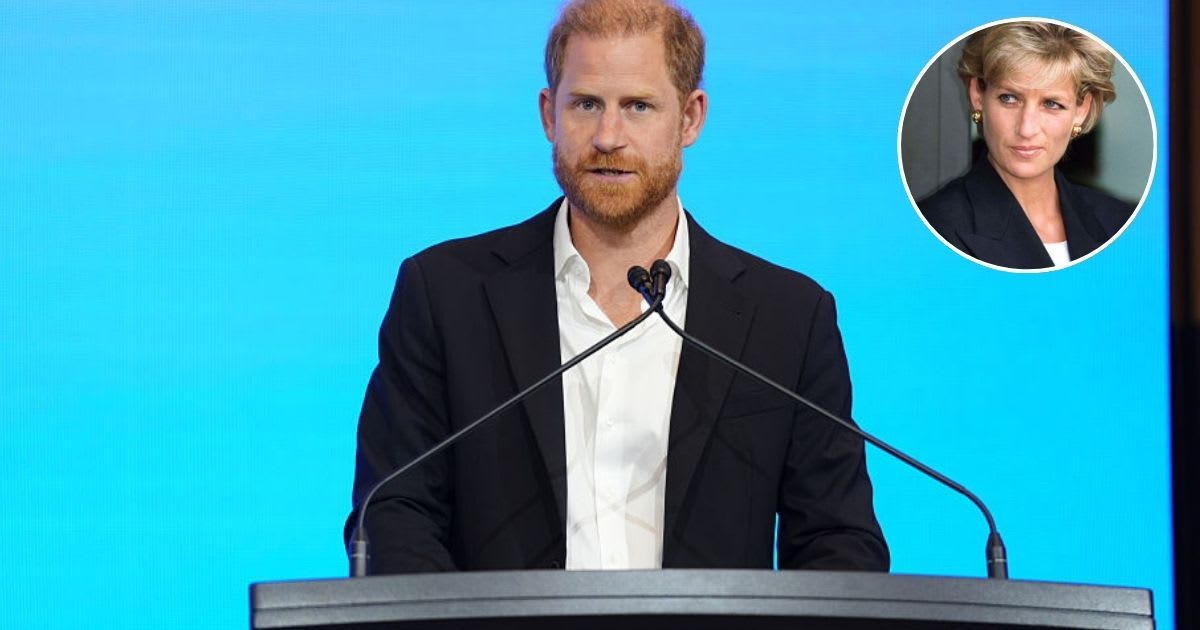


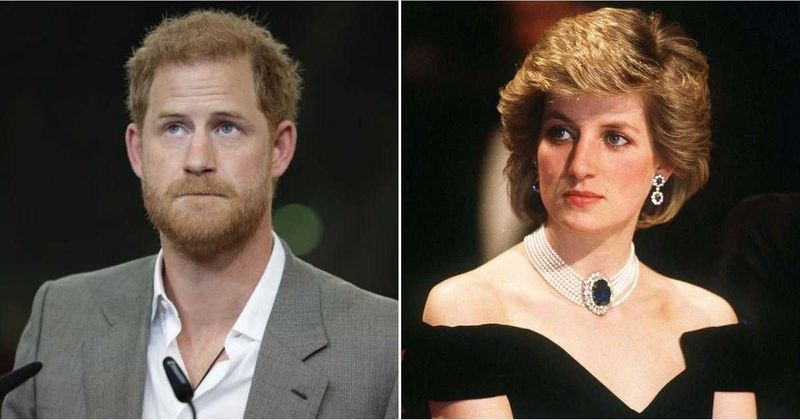
Even after nearly 30 years, the narrative around Princess Diana's death continues to evolve. While some direct their ire at her intoxicated driver, others hold the tabloids' insatiable appetite for stories responsible. Prince Harry, however, disagreed, bluntly blaming the institution he grew up in during a speech at the InterEdge Summit in Melbourne on April 16. Analyzing his cutting remarks, royal expert Amanda Matta believes he has finally stopped separating his family from the Firm, lifting the lid on a darker and hidden truth.
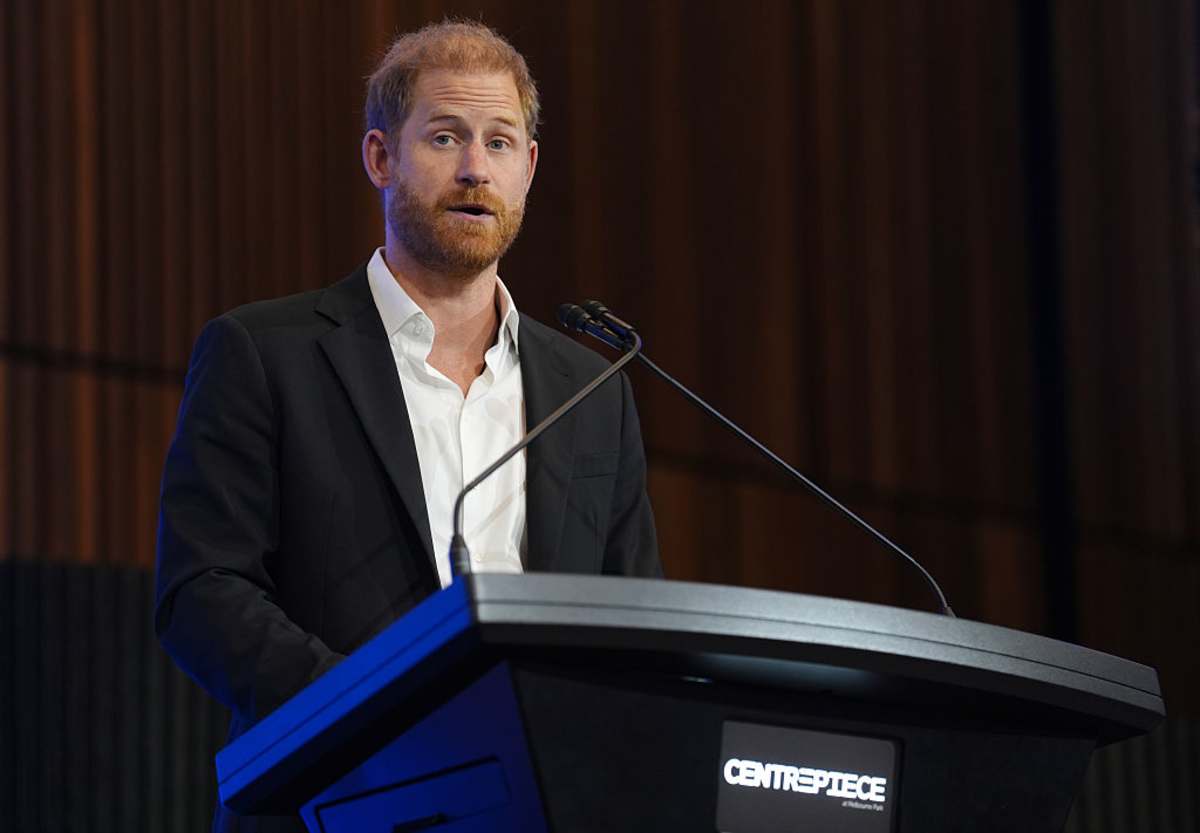
For those unversed, in a discussion after his address, the Duke of Sussex told former politician Brendan Nelson that after his mother died before his 13th birthday, he felt alienated from his royal destiny. As reported by PA media, he added, "I was like, 'I don't want this job. I don't want this role — wherever this is headed, I don't like it.' It killed my mum, and I was very much against it..." Weighing in on his blunt take, Matta wrote on her Substack, The Fascinator, "The grief and the alienation were the same beast: the impossible bind of mourning a parent while simultaneously being groomed to serve the system he [Harry] associated with losing her [Diana]."
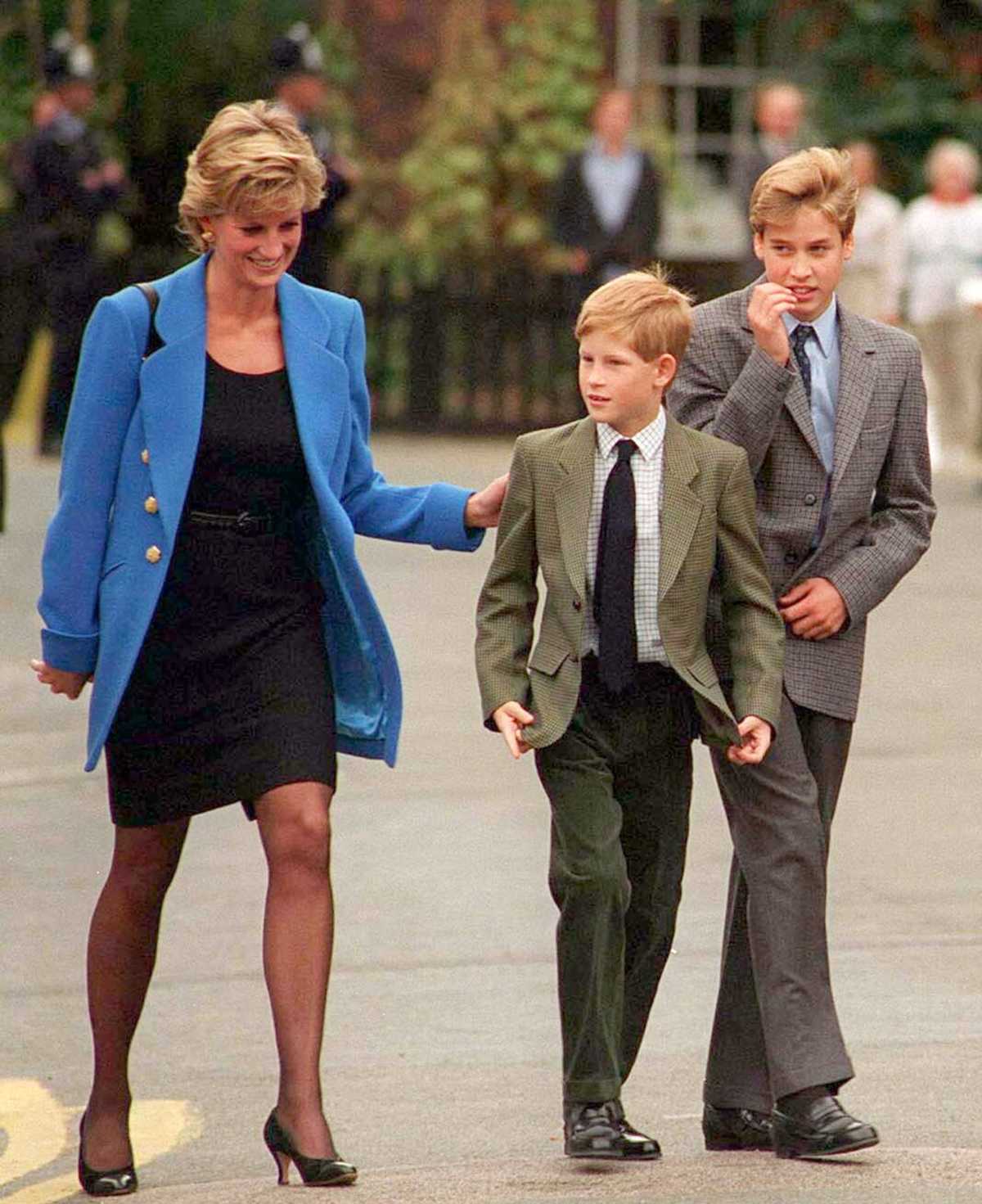
To argue her case, Matta highlighted how the Duke always swallowed his words when it came to linking his family to the institution, carefully avoiding biting the hand that fed him for years before finally speaking out. She argued, "Saying the role 'killed my mum' and that he [Harry] wanted no part of it isn't a complaint about a particular press officer or a leaking courtier. It's a direct indictment of what the institution demands of the people inside it. Harry could still say a lot about what that costs, including in the most irreversible ways."
Indeed, the clues that Harry felt this way were always there, as Matta explained, "The Invictus Games, the mental health advocacy work, the California chapter… all of it carries the implicit message that the institution shapes you into a function, not a person, and that becoming a person requires leaving the institution." Sadly for Diana, she remained a source of fascination for the press even after her divorce from Charles, with her royal status continuing to define her as one of the most powerful women of her era.
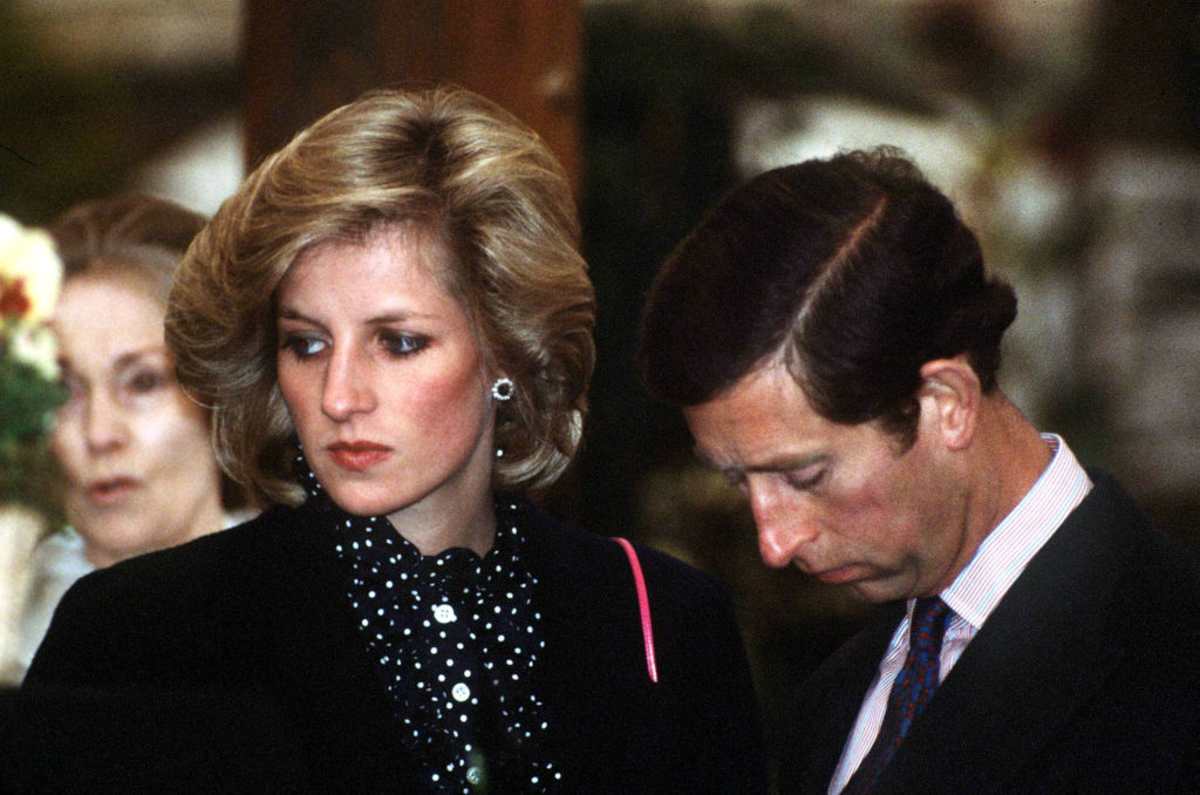
Not done with his pointed jabs, Harry then spoke about how his military service and fatherhood helped change his perspective, saying, "Eventually I realized, well, hang on, if there was somebody else in this position, how would they be making the most of this platform and this ability and the resources that come with it to make a difference in the world? And also, what would my mum want me to do?" He then reflected on how his army stint shaped his mindset and taught him that true resilience wasn't about hiding one's struggles, but about putting on a brave face to manage any challenges that come in the way.