Harry and Meghan were reportedly ‘surprised’ by Palace letter — but what has actually changed?
EXCLUSIVE ANALYSIS: The Duke and Duchess of Sussex seem to be taken aback by The King's note, but was it just a simple formality?
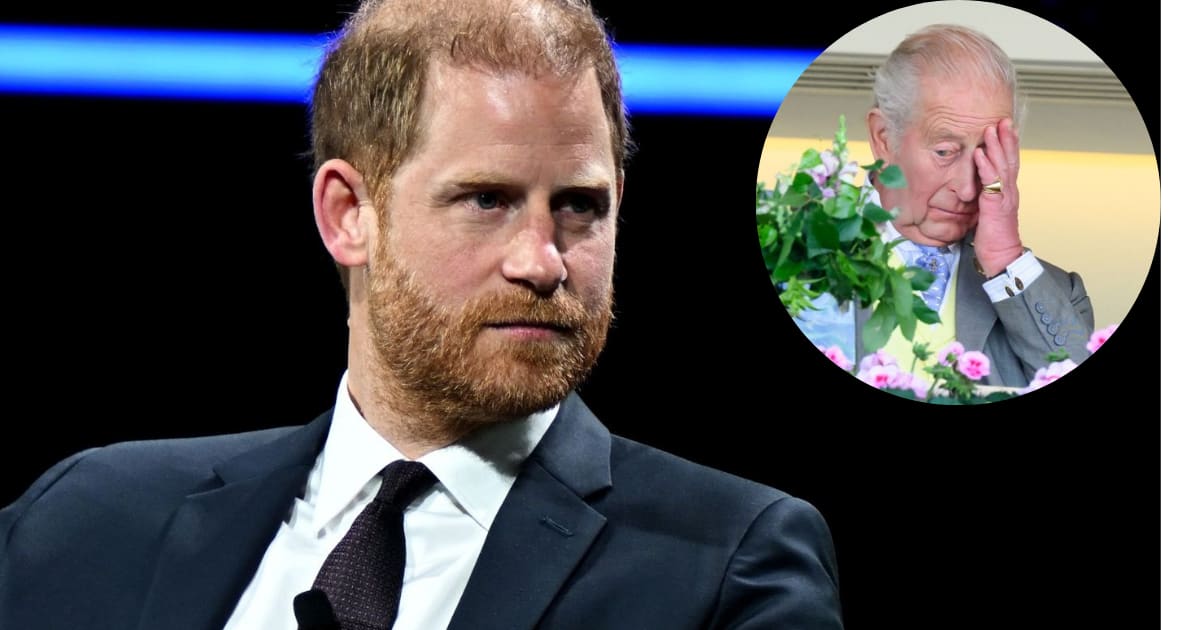


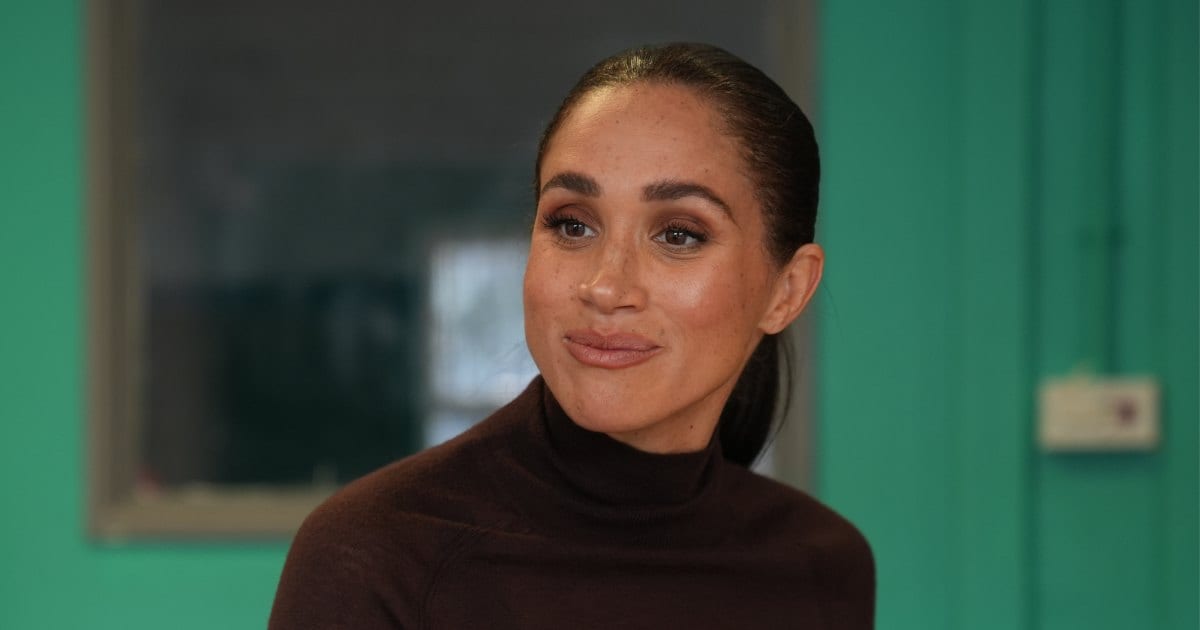
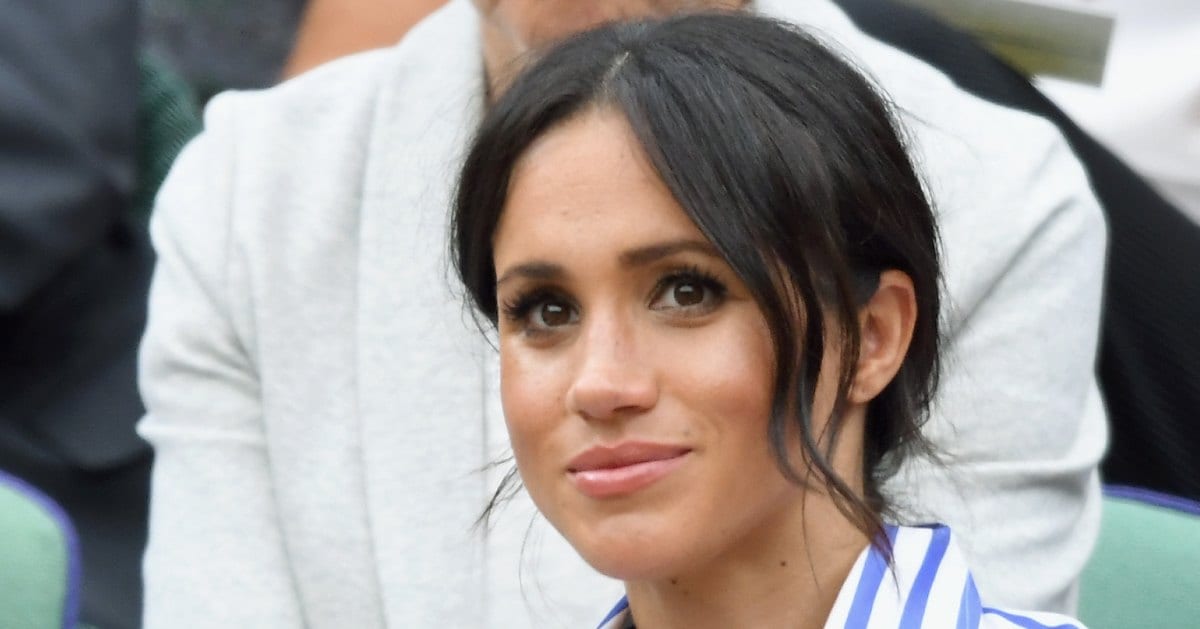
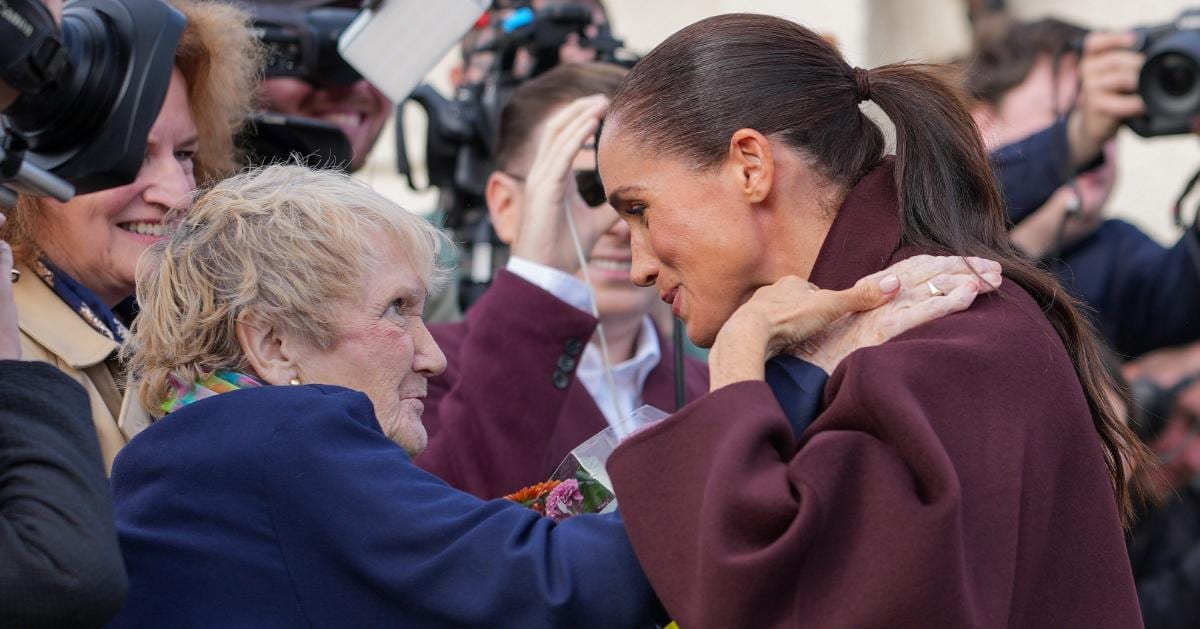
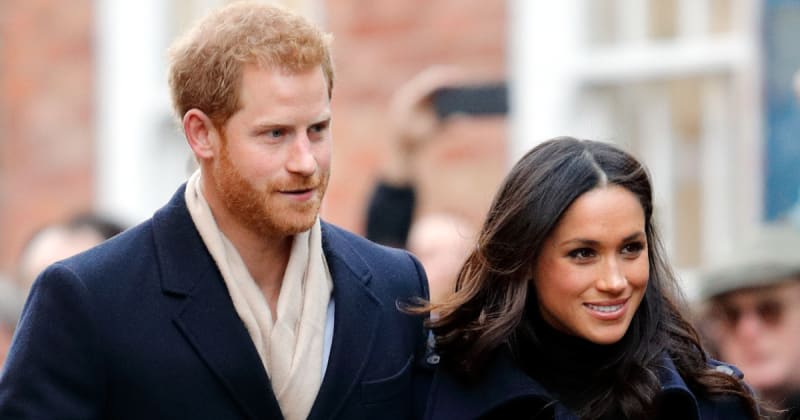
PRINCE Harry and Meghan Markle's return to the United Kingdom has inevitably brought renewed attention to their relationship with the Royal Family and, perhaps more importantly, their position within the institution.
Now, Buckingham Palace has sought to make that position clear. A letter sent on behalf of King Charles III by the Lord Chamberlain to senior figures across Government, the military and the lieutenancy network reiterated that the Duke and Duchess of Sussex remain non-working members of the Royal Family.
Their charitable and commercial activities are undertaken privately rather than on behalf of the Crown, while operational security remains a matter for the appropriate authorities, such as RAVEC, rather than something decided personally by the King.
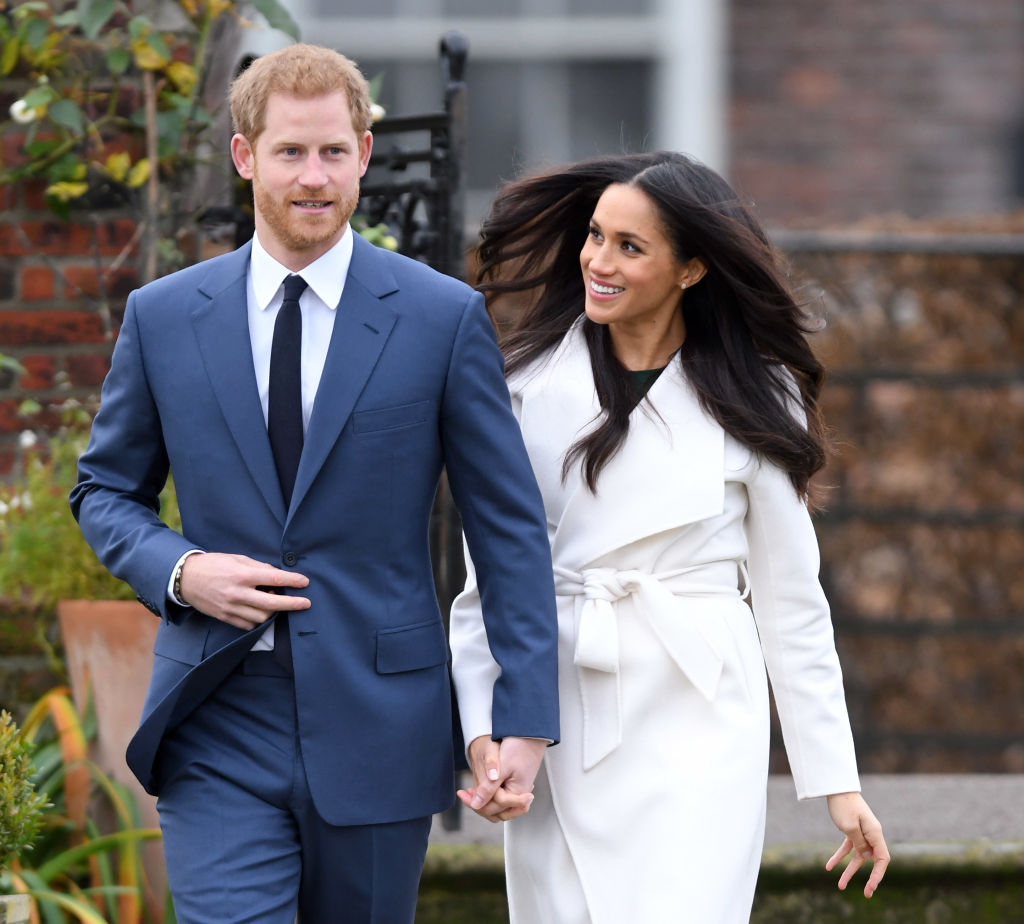
For all the headlines and speculation surrounding the letter, the important point however, is that very little has actually changed. According to the Associated Press, representatives for Harry and Meghan received a copy of the letter just one hour and 12 minutes before it was released to news organisations.
The outlet reported that Harry was in a meeting and could not initially be reached, meaning he reportedly became aware of the situation only shortly before it entered the public domain. If accurate, it's understandable why the Sussexes may have been surprised by the timing.
When correspondence directly concerns your position within the Royal Family, it is reasonable to question whether more notice could have been given before it became a major news story.
But there is an important distinction to make here.
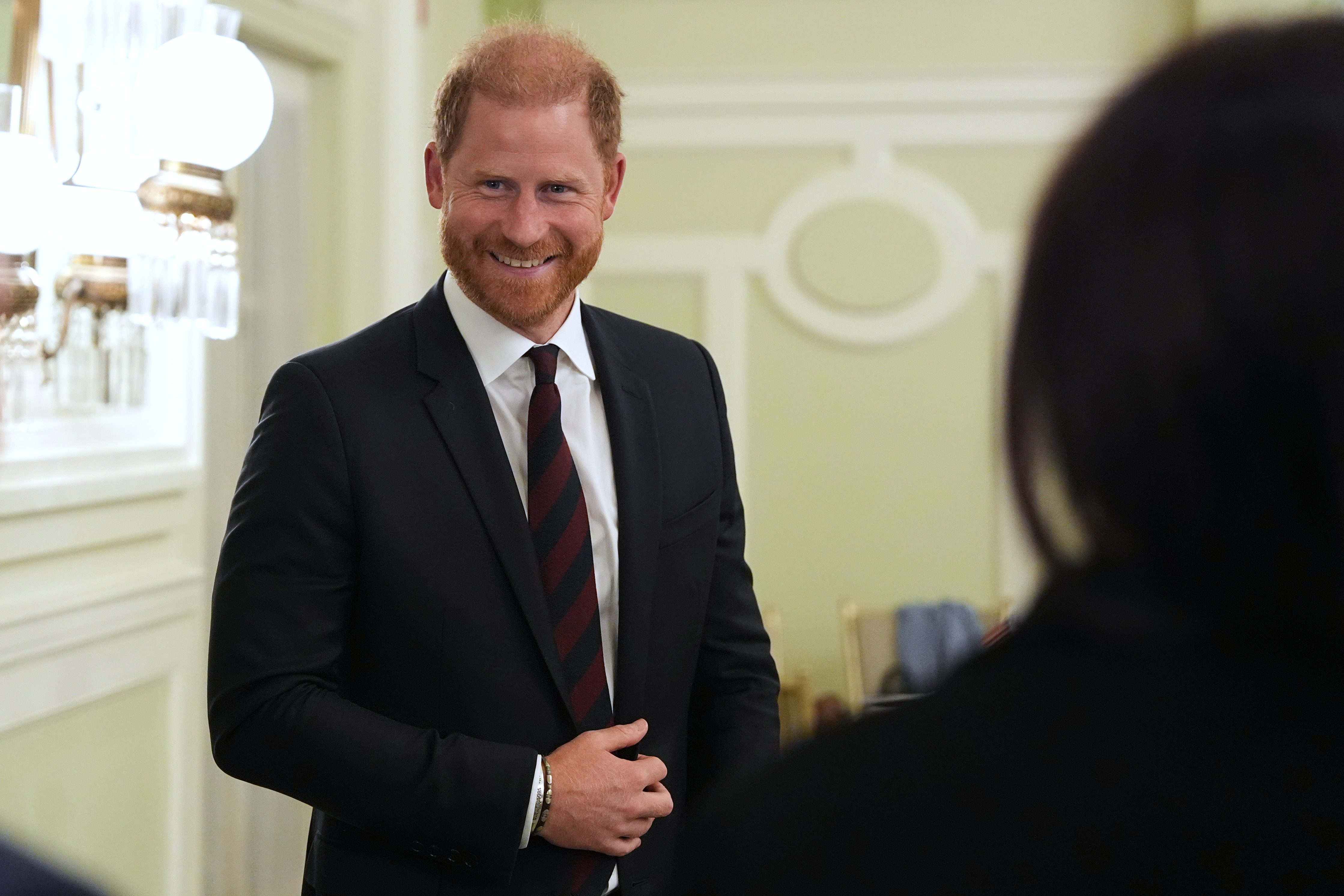
They may have been surprised by how the clarification was communicated, but its substance should not have come as a surprise. No one should have really needed to clarify because there was nothing new in the statement from the Lord Chamberlain as the arrangements being reiterated by Buckingham Palace largely date back to 2020.
When Harry and Meghan stepped away from royal duties in 2020, Queen Elizabeth II confirmed that they would no longer be working members of the firm. They stopped representing the Sovereign on official engagements and an agreement was made that they would not use their HRH styles while pursuing their new lives. The half-in, half-out arrangement the Sussexes desired was not on the table.
The couple subsequently established independent charitable and commercial careers, but that never meant they stopped being members of the Royal Family. Harry will always remain the King's son just as Meghan remains as his daughter-in-law.

Prince Archie, seven, and Princess Lilibet, five, are King Charles' grandchildren, cousins to a direct heir in Prince George. There has always been an important distinction between their family relationship and their institutional role. Reuters reported that the latest Palace communication specifically states there has been “no change to the current status of the Duke and Duchess of Sussex”. That, to me, is the most important part of this story.
Rather than announcing a new arrangement, Buckingham Palace appears to simply be reinforcing the existing agreement after Harry and Meghan's return to the UK created natural questions about changes to the future of their relationship with the monarchy. Could we see Harry attending more royal occasions? Could the couple undertake engagements? Could their charitable activities become associated with the Royal Household again?
Understandably, those questions have been asked by members of the media. Naturally, The Royal Observer team has spoken to the public on what they would like to see. However, moving back to Britain does not in itself make somebody a working royal. The Palace's clarification appears designed to ensure there is a clear distinction between activities Harry and Meghan undertake privately and official duties carried out on behalf of King Charles.
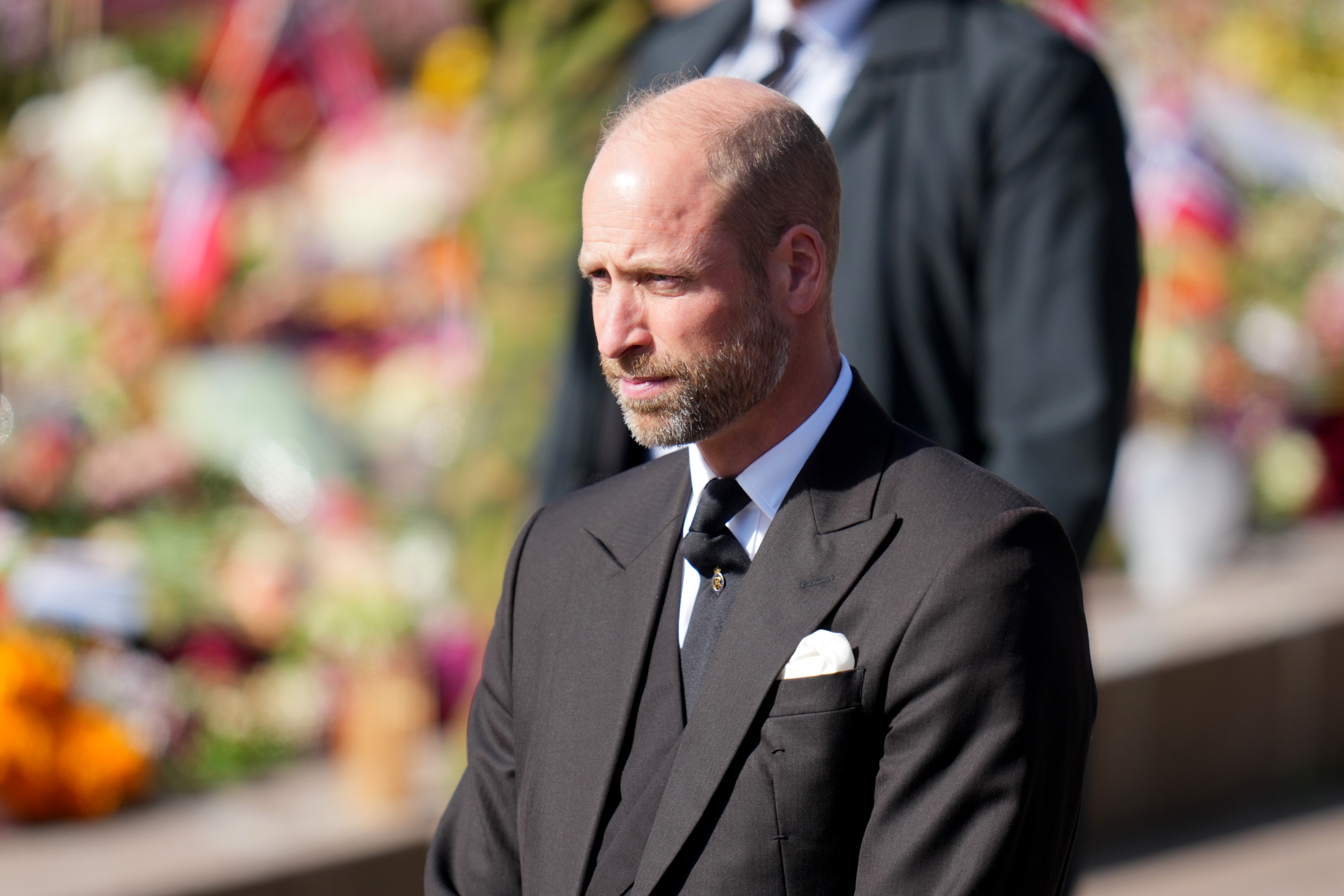
That does not prevent Harry from supporting charities or Meghan from pursuing her own commercial projects. They can continue to use their Duke and Duchess of Sussex titles, which they still hold and are part of the peerage system like a number of other non-royal dukes. What matters is that their activities should not be presented as though they are acting on behalf of the Crown simply because of a geographical change, when they are not.
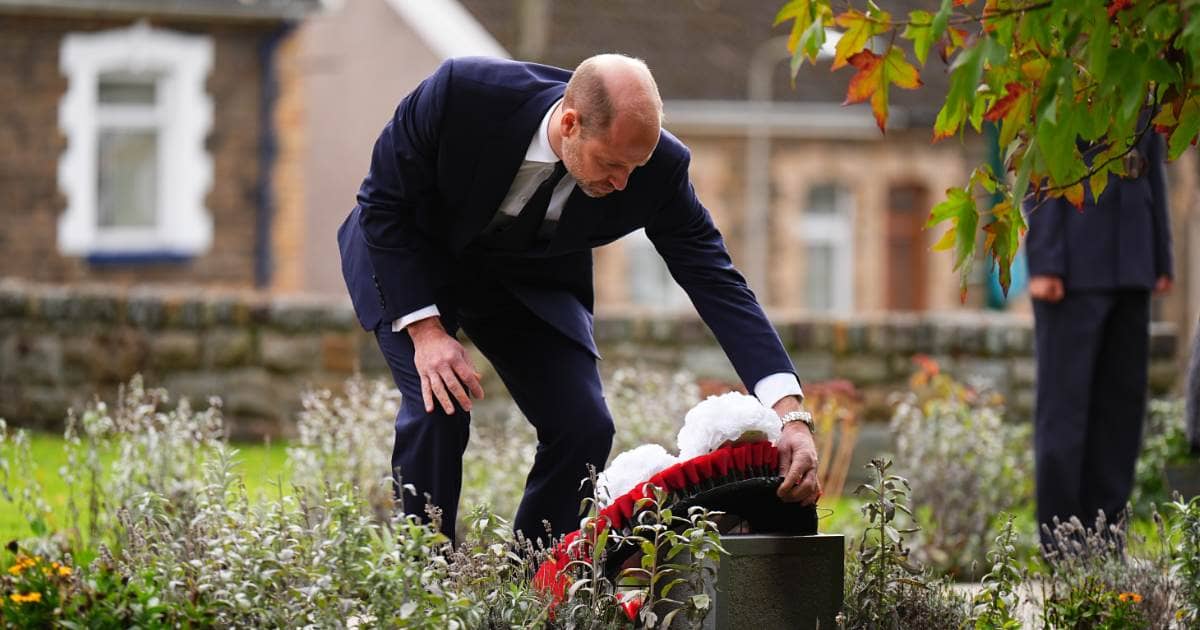
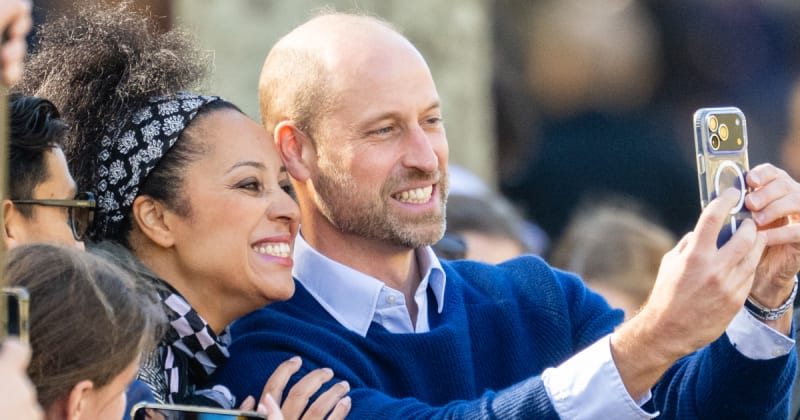
That distinction is particularly important because the monarchy needs clarity over who officially represents the Sovereign. If Prince William travels overseas as King Charles's representative, as he has done this week in Norway, he is acting in his capacity as Prince of Wales directly for his father. If Harry attends an event supporting a charity in his private capacity, he is not representing the King. Neither situation needs to be controversial, it's simply they are different roles for separate functions.
The Palace communication also provides some useful clarity over security, an area where King Charles is sometimes given responsibility for decisions that are not actually his to make personally. Harry has challenged the arrangements surrounding his security in Britain for several years, but the King cannot simply decide himself what level of police protection his son receives. Those decisions involve the appropriate Government, police and security authorities, including RAVEC. Whatever people think about Harry's security case, it's important to separate it from the personal relationship he shares with his father.
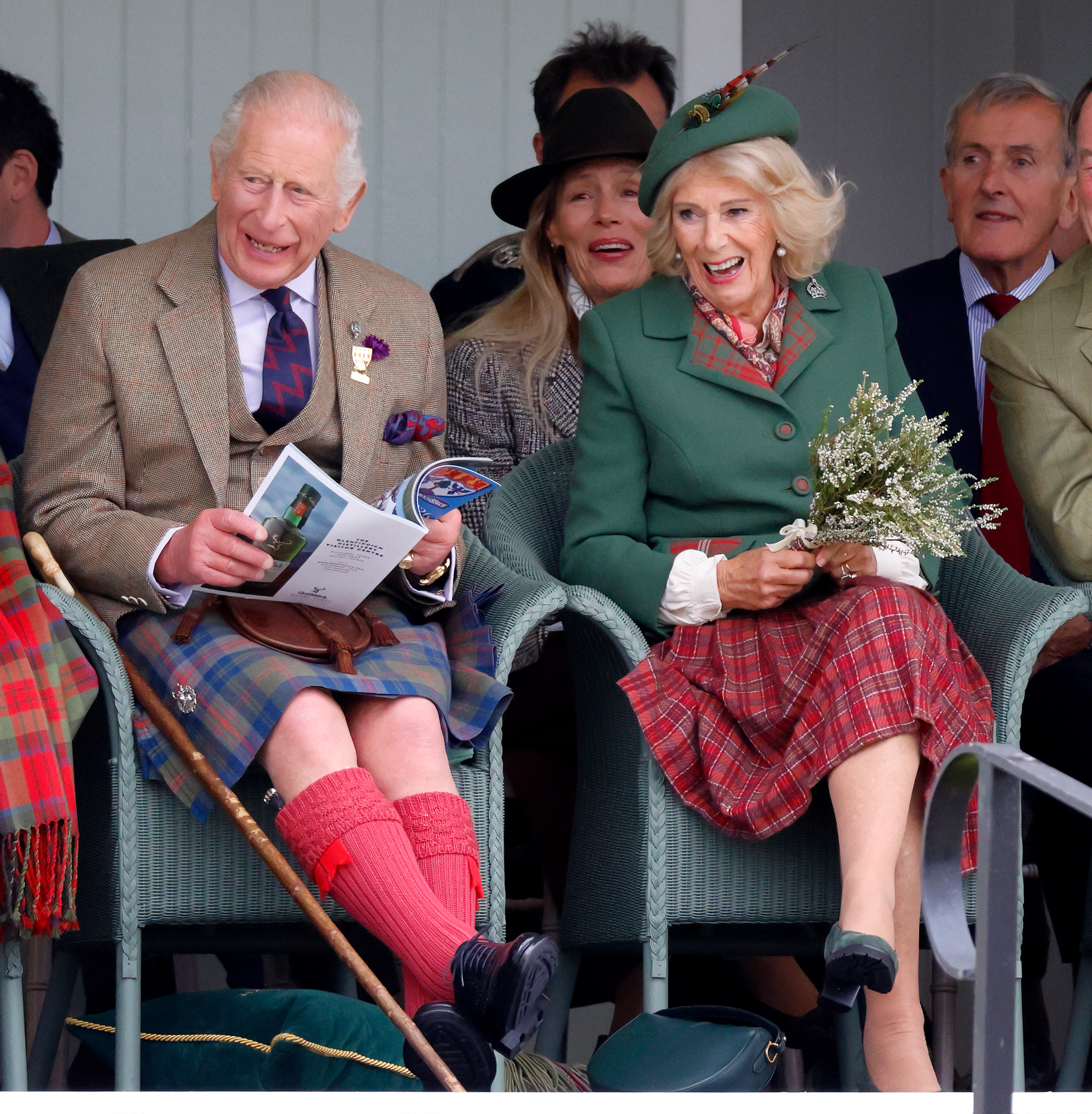
Harry and Meghan's return to Britain has somewhat created uncertainty among some royal watchers about a potential change in position. After years living primarily outside the UK, their return naturally generated speculation about whether they might become more involved with the Royal Family again. Buckingham Palace's message appears to answer that question: their circumstances may have changed, but their institutional status has not.
It can be simultaneously true for the Palace's desire to publicly clarify who would act as an official representative for the Crown, while Harry and Meghan feel they should have been given more notice. Perhaps most importantly, none of this dictates what happens privately within the Royal Family. The institutional boundaries established in 2020 do not prevent a potential personal reconciliation either, and hopefully there is room for those private family relationships to improve after their sensational return.