Expert Claims Charles Did Something Worse Than Ousting Andrew — He Made Him Irrelevant
Succession laws limit how far King Charles can go.
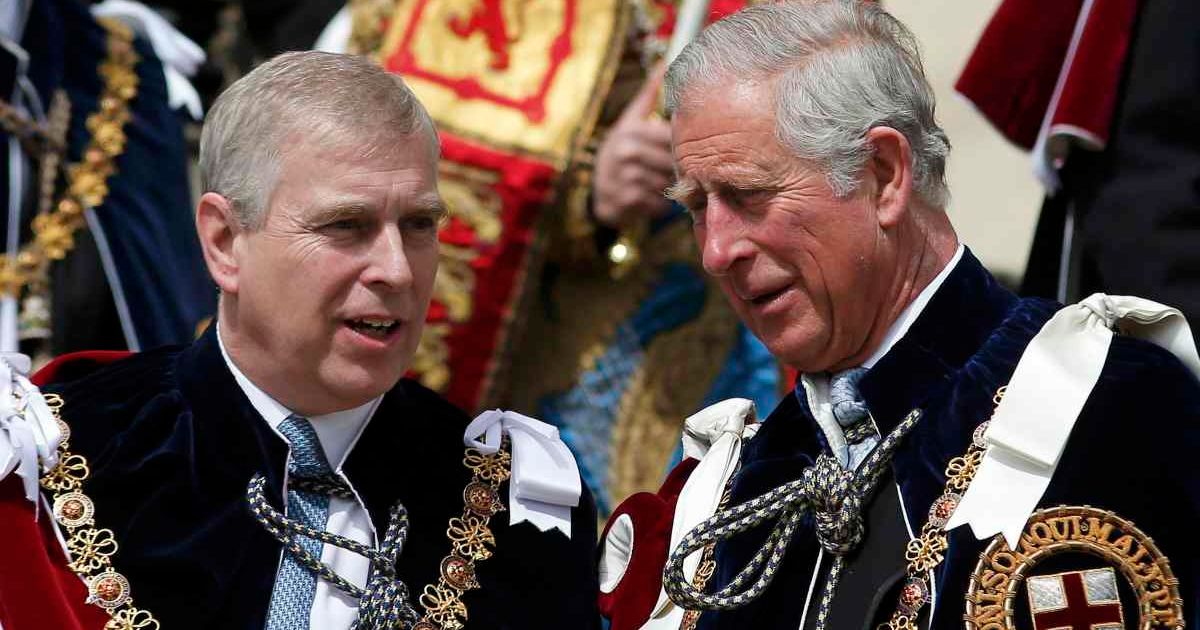


King Charles may not have erased Andrew Mountbatten-Windsor from the line of succession, but in every practical sense, the former Duke of York has been pushed to the margins of royal life, with no realistic path back. As Mountbatten-Windsor faces an end-of-month deadline to vacate Royal Lodge, critics are calling on the king to go further.
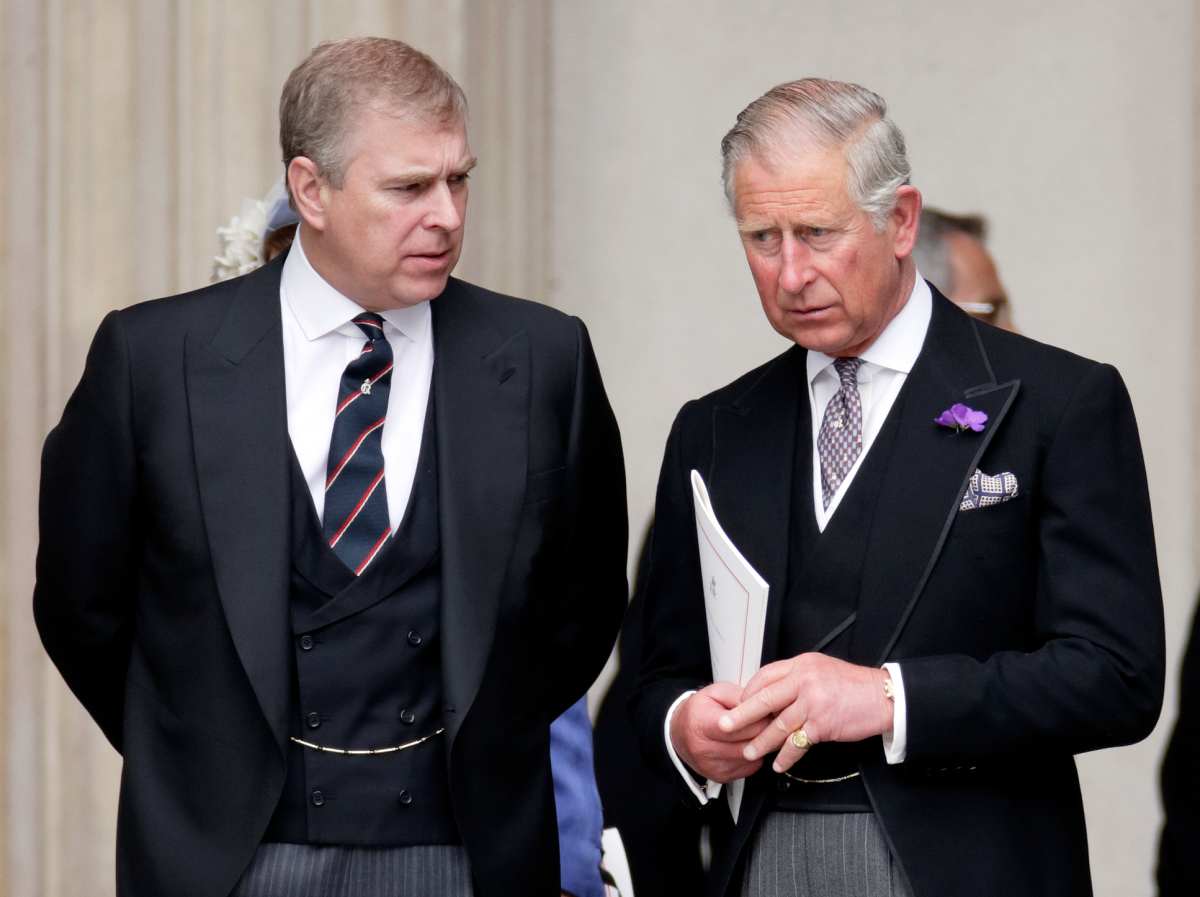
Mountbatten-Windsor has been stripped of his military titles, royal patronages, HRH status, and any public royal role following the fallout from his association with Jeffrey Epstein. He no longer represents the monarchy in any capacity. What remains, largely on paper, is his position as eighth in line to the throne, a fact that continues to provoke frustration among royal watchers. But removing him from the line of succession is not within the king’s personal authority, HELLO! reported, explains Robert Jobson.
Unlike titles and patronages, succession is governed by law, not royal discretion. Any attempt to remove Mountbatten-Windsor from the line would require an Act of Parliament, and not just in the UK. Under the Statute of Westminster 1931, all 15 Commonwealth realms where the British monarch is head of state would need to pass matching legislation. That means parliamentary approval in countries including Canada, Australia, New Zealand, and Jamaica, he said.
Such a move is possible but highly impractical. The last time succession laws were changed was through the 2011 Perth Agreement, which introduced gender equality in the line of succession. Even that widely supported reform took more than three years to be fully implemented across all realms. Targeting a single individual amid ongoing controversy would be far more complex—and politically risky. One dissenting parliament could derail the entire process, per Jobson.
There is also little appetite at Westminster to reopen succession law. Government sources have made clear that MPs have other priorities, and few are eager to invite months of constitutional debate, hostile amendments, and damaging headlines. There is no precedent for forcibly removing a royal from the succession. Edward VIII abdicated voluntarily in 1936. Even James II, who fled the country, was only deemed to have abdicated by Parliament and was not formally expelled.
The issue of Counsellors of State presents similar complications. Mountbatten-Windsor technically qualifies for the role due to his place in the succession, but recent changes have rendered that status meaningless. The Counsellors of State Act 2022 added Princess Anne and Prince Edward, ensuring that only working royals are called upon. With seven counsellors now available, Mountbatten-Windsor, like Prince Harry, will never be asked to serve.
Once Prince Louis reaches adulthood, Mountbatten-Windsor will lose even his theoretical eligibility as a Counsellor of State. In this sense, Charles appears to be letting the system quietly neutralize his brother, rather than provoke a constitutional fight. International examples support this approach. When Queen Margrethe II of Denmark removed royal titles from Prince Joachim’s children in 2022, she left their succession rights intact. Spain followed a similar pattern when King Juan Carlos abdicated amid scandal in 2014. His son, King Felipe VI, cut his allowance and renounced any inheritance, but Juan Carlos remained in the line of succession. Sweden’s King Carl XVI Gustaf also stripped several grandchildren of royal titles in 2019 while leaving the succession untouched.