Charles Won't Remove Andrew from the Line of Succession — and It Might Be Better for the Royals
While many praised King Charles for his swift action, critics argued that Andrew should also be removed from the line of succession.


Andrew Mountbatten-Windsor has left the royal family red-faced after his past misgivings resurfaced. This time, the backlash proved too strong to ignore, prompting King Charles to strip him of his royal titles and demand he vacate Royal Lodge. While many praised Charles for placing duty above family, critics argued that Mountbatten-Windsor should also be removed from the line of succession. However, royal expert Hilary Fordwich noted that such a move is far from simple, and the power to do so lies not with the King, but with Parliament. Additionally, she argued it might be better for the Crown if no such 'ad hoc removal' happens.
Speaking to Fox News Digital, Fordwich believed that given Mountbatten-Windsor's 'ghastly' behavior, his position in the line of succession was 'embarrassing at best.' At the same time, she noted, "But in reality, he's so far down the line — behind the Sussex children — there's little risk of him ever becoming king. Nevertheless, there is concern that any ad hoc removal of unpopular royals could make the institution look more like a political machine than a stable hereditary monarchy." She revealed that much to the chagrin of Prince William and other senior royals, Parliament has no plans to remove the former Prince from the succession. She explained, "It would also require negotiations with the Commonwealth realms."
In a similar vein, royal broadcaster Helena Chard argued that while Mountbatten-Windsor may appear untouchable, the public has no reason to fear his ascension to the throne. She stressed, "There would have to be something monumentally terrible to occur — a black swan event — for the Crown to pass to Andrew." However, she pointed out that while it is rare, incidents of royals losing their position in the line of succession have happened in the past. Case and point, Edward VIII, the late Queen Elizabeth's uncle, who lost his place when he abdicated in 1936. Similarly, Prince Michael of Kent also faced the same when he married a Catholic in 1978. He regained his place in 2013 after the Succession to the Crown Act removed the rule that disqualified anyone who married a Catholic.
As for the role the UK Parliament plays in this, Chard believes that if they were to remove Mountbatten-Windsor's position, it would send a message of accountability. However, it's not all that simple, as she alleged the system was rigged. "The existing legal framework of hereditary succession — as a blood descendant of Queen Elizabeth II — must be altered by Parliament and all Commonwealth realms. The system is designed so that a monarch can't simply erase on a whim any relatives from the line of succession for either personal or political reasons."
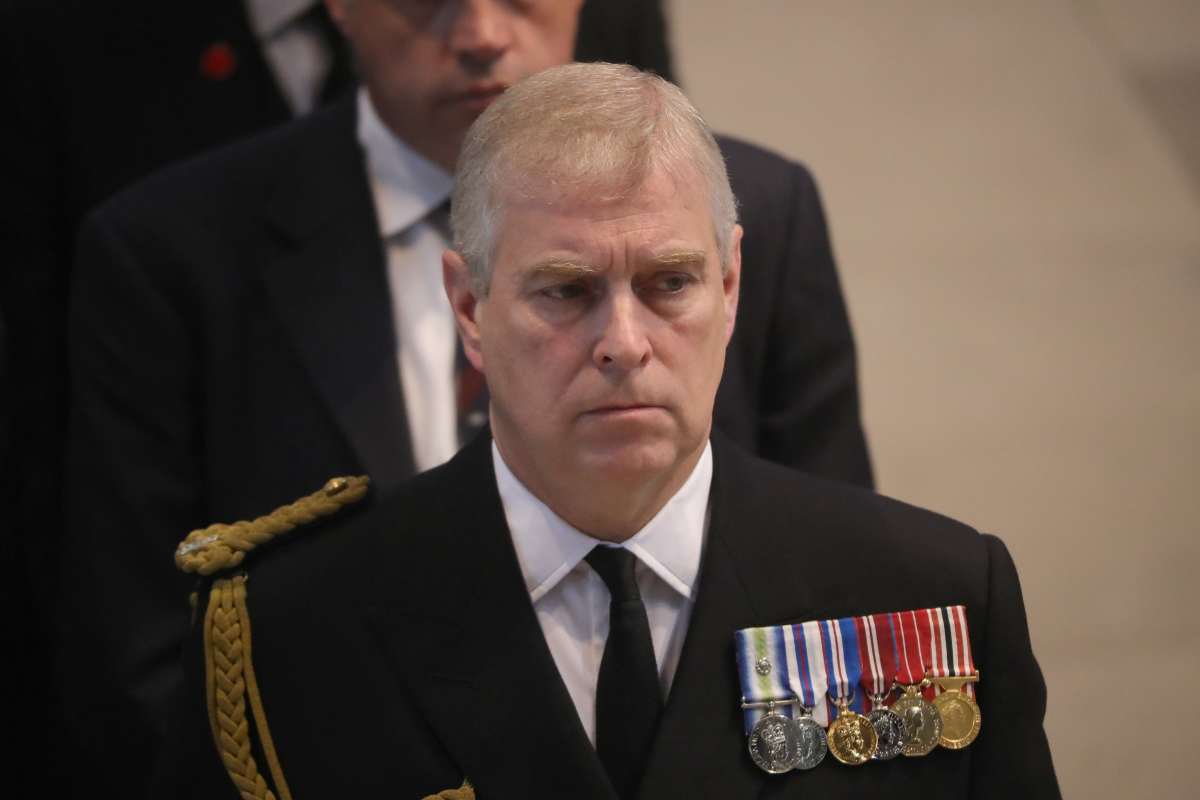
Mountbatten-Windsor is said to be in more trouble with the clock ticking on the release of potentially explosive Jeffrey Epstein-related documents, which will further damage his already shattered reputation. In an interview with USA Today, royal expert Andrew Lownie cautioned, "We don't know. I understand there is a lot of material on him…We've already seen quite a few revelations-particularly the length of his association with Epstein."