Downing Street Issues Statement After Andrew’s File Release — and It’s Bad News for the Royals
The UK government published files linked to Andrew's role as trade envoy, with serious lapses of judgment found in his appointment.
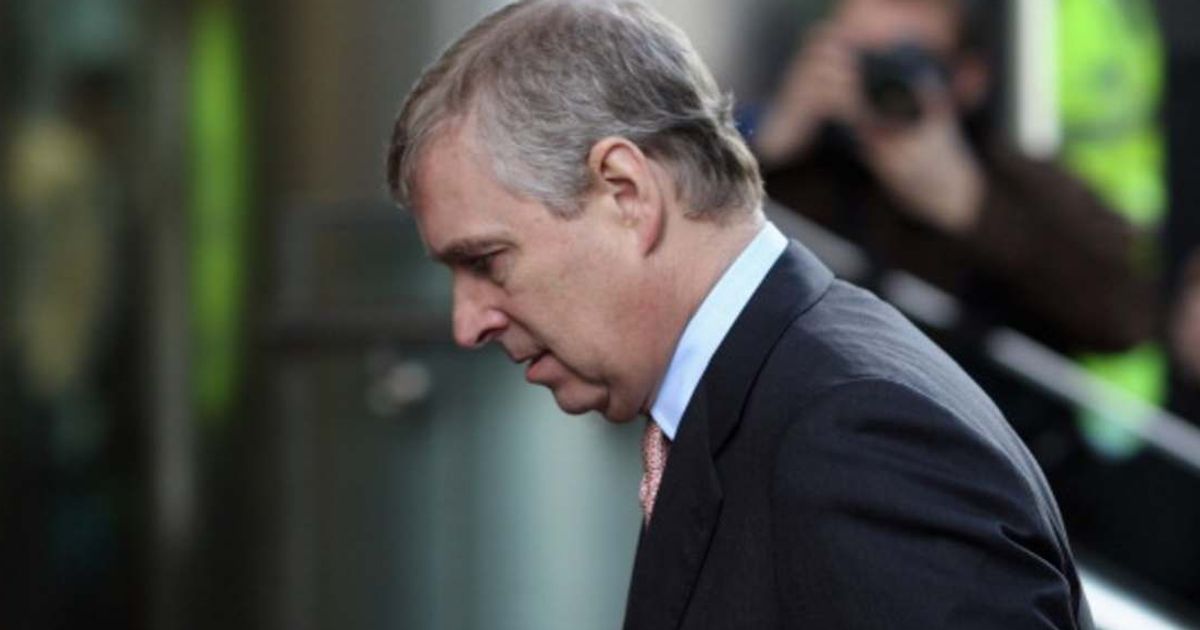


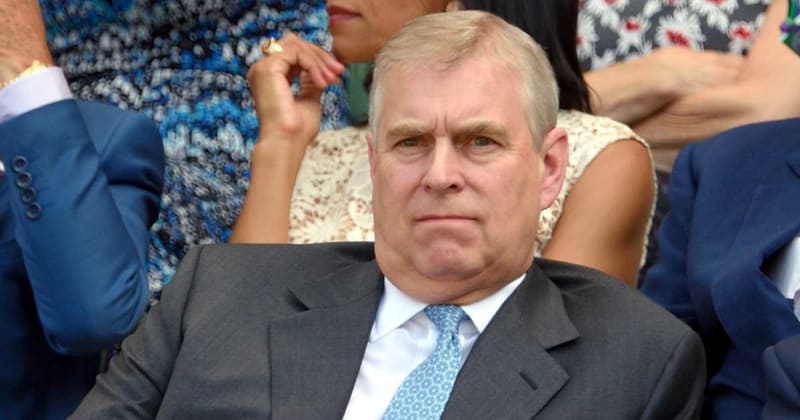
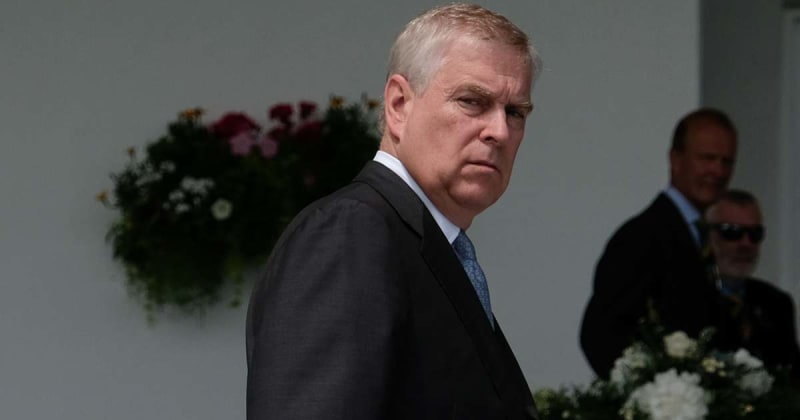
Andrew Mountbatten-Windsor is back in the spotlight, this time over newly released documents tied to his role as the UK's trade envoy. On May 21, the UK government published files linked to his 2001 appointment, revealing that the late Queen Elizabeth had formally requested the role for her son without any security vetting. Following the release, a Downing Street spokesperson confirmed that no formal checks were carried out, as the role was viewed as an extension of the royal family's trade duties.
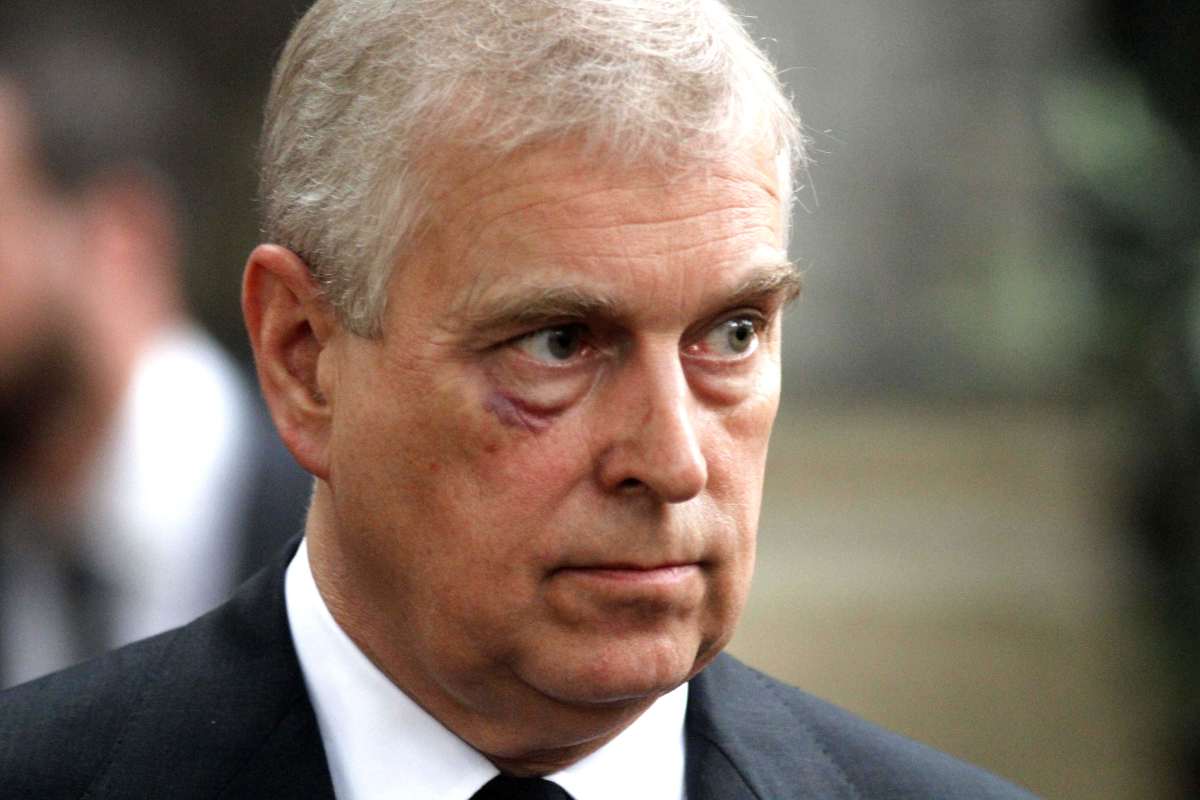
Speaking to GB News, a Downing Street spokeswoman confirmed that they were actively complying with the police investigations and publishing the rest of the tranche as early as possible. She said, "We'll provide the House with any other substantive documents we find in the course of that work." When questioned about the lack of background checks on Mountbatten-Windsor, she explained, "We have found no evidence that a formal due diligence or vetting process was undertaken, and there's no evidence that this was considered." A total of 11 files connected to the former Duke of York were made public, offering new insights into his trade dealings.
According to the spokesperson, no formal vetting was carried out because the role was seen as a continuation of the royal family's involvement in promoting British trade, particularly after the Duke of Kent stepped down from his position at British Trade International. It goes on to show the Firm's far-fetched influence in bending the rules and evading the law, escaping mandatory processes. Mountbatten-Windsor held the position for a decade, from 2001 to 2011, traveling across the globe to meet senior officials and business figures, reportedly at the cost of taxpayers.
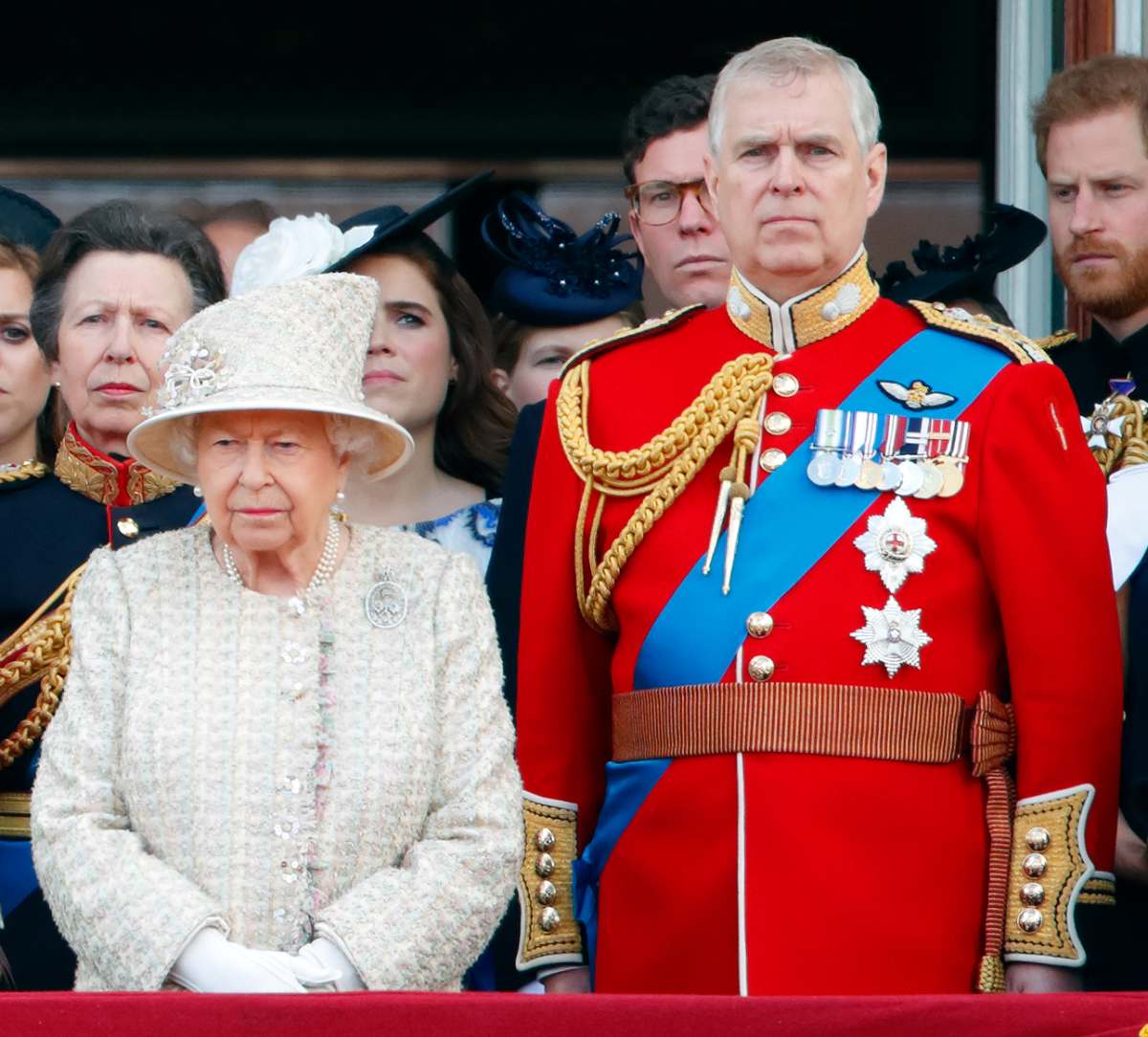
The newly released documents exposed the Queen's strong influence over her son's appointment as trade envoy. In a letter written by the chief executive of British Trade International (BTI), Sir David Wright, in 2000, he claimed his memo was penned after a "wide-ranging conversation with The Queen's Private Secretary on Wednesday 23 February." He wrote, "The Queen's wish is that the Duke of Kent should be succeeded in this role by the Duke of York. The Duke of Kent is to relinquish his responsibilities around April next year. That would fit well with the end of the Duke of York's active naval career."
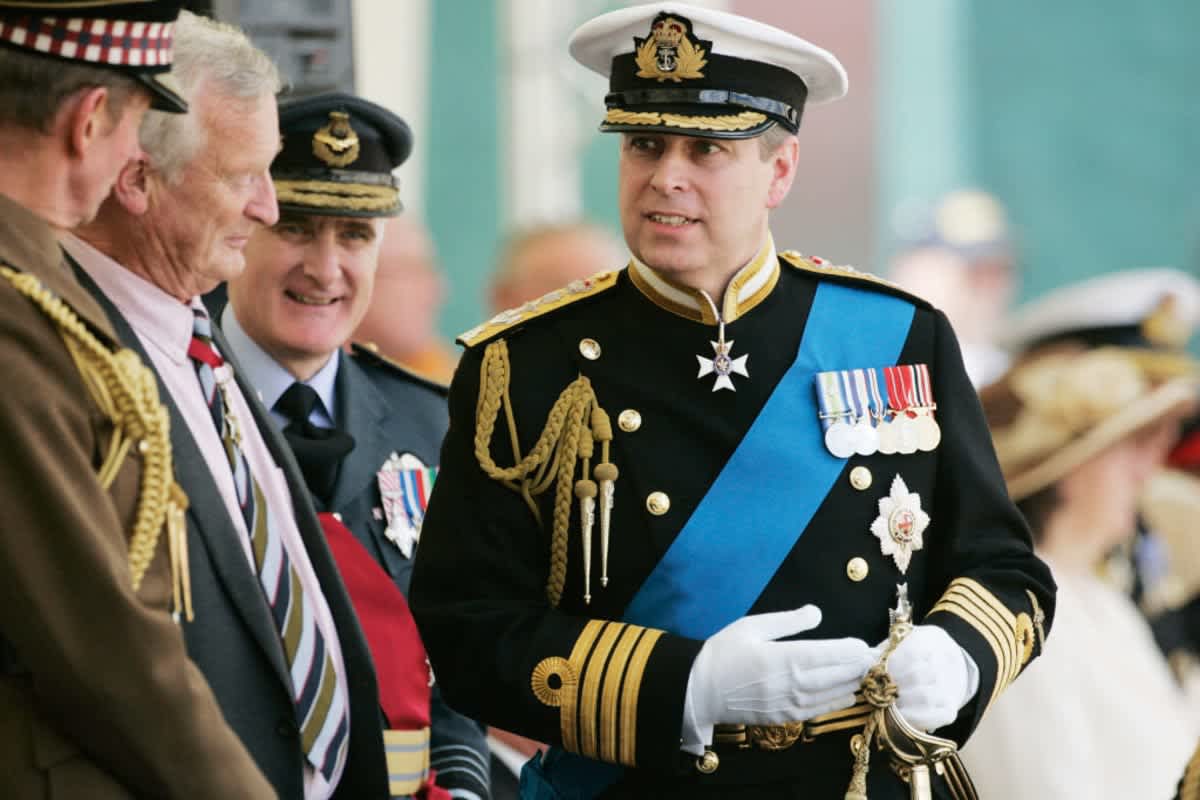
Weighing in on the revelations, NBC News reports that Trade Minister Chris Bryant also told lawmakers that his team was unable to find evidence that Mountbatten-Windsor had undergone a background review before accepting the role. Earlier this year, in February, Thames Valley Police arrested the former Prince on suspicion of misconduct in a government office after a complaint alleged that he shared confidential trade information with Jeffrey Epstein. He was released after 11 hours of questioning, with no formal charges brought against him.