Andrew Scandal Forces King Charles and Queen Camilla to Rewrite Royal Playbook on Ireland Trip
As the aftermath of Andrew’s scandals continues to loom large, King Charles and Queen Camilla seem to be increasingly projecting a softer, more approachable image.
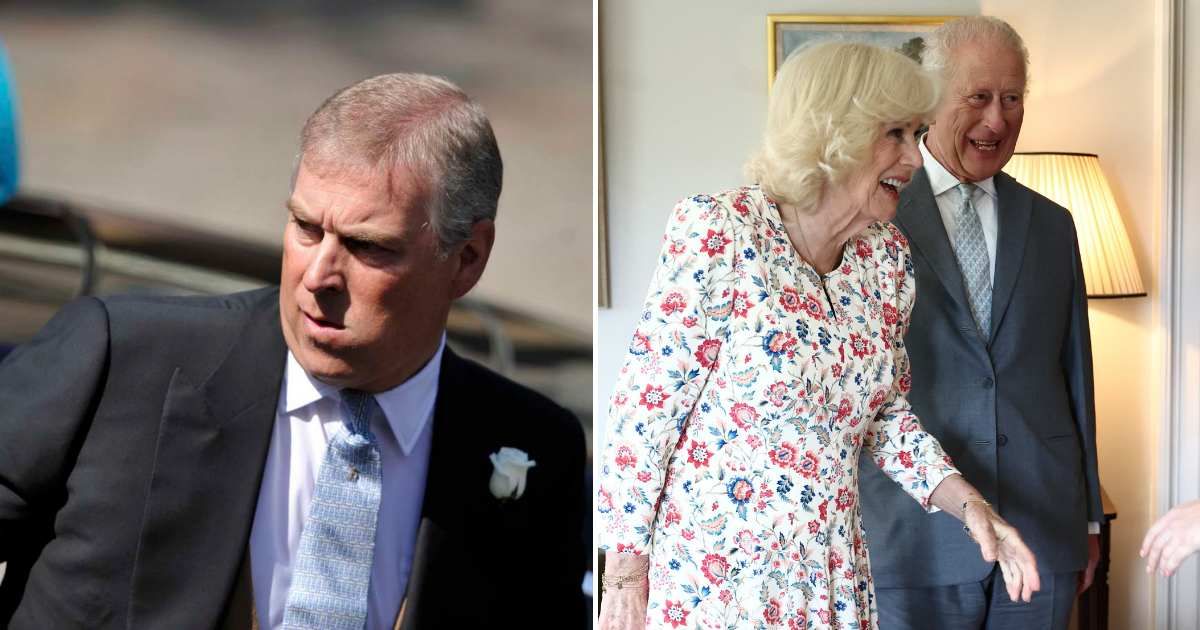


For years, the British monarchy dodged controversies by keeping a distance from the public in the face of wild headlines and constant buzz. However, recent royal outings reveal that this approach is no longer working for them. As the aftermath of Andrew Mountbatten-Windsor's scandals continues to loom large over the monarchy, King Charles and Queen Camilla seem to be increasingly projecting a softer, more approachable image. It was something that was extremely noticeable during their recent royal visit.
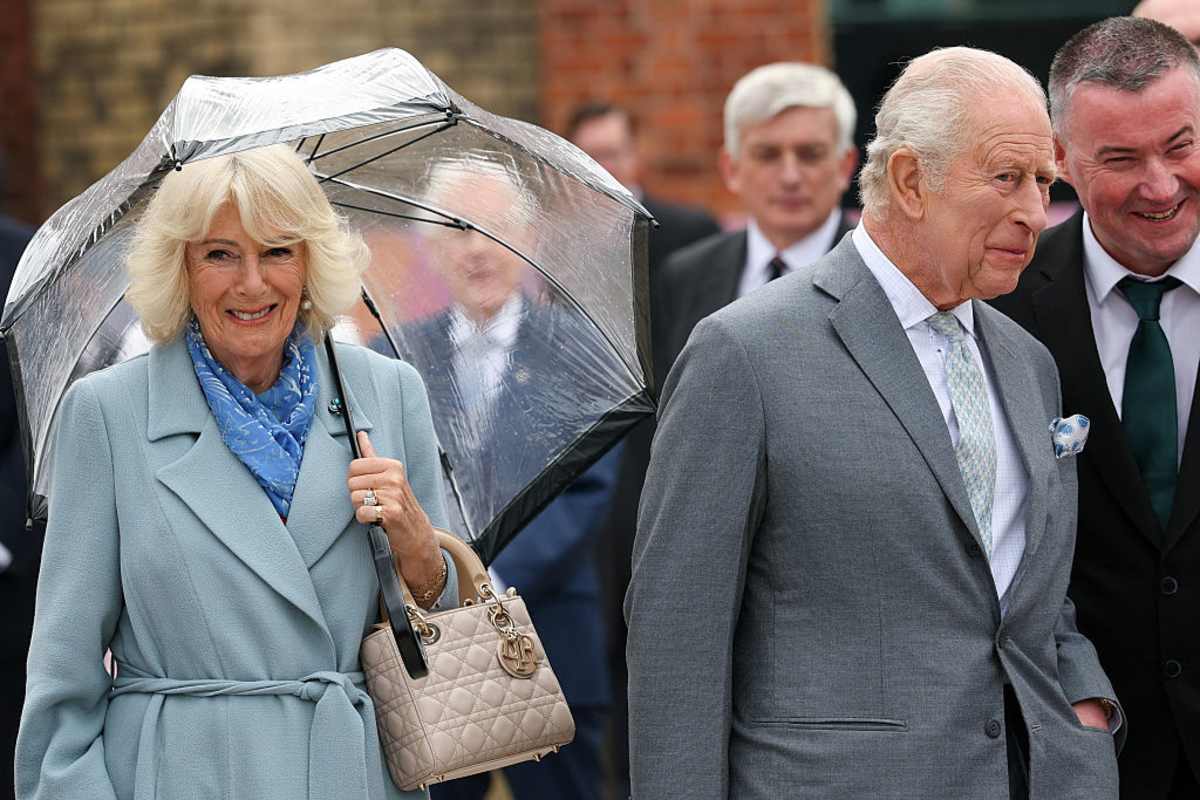
During the King and Queen’s three-day visit to Northern Ireland, the royal pair seemed eager to get into the spirit of the local atmosphere rather than simply observe from a distance formally. Charles and Camilla arrived in Belfast on May 19 and joined organizers and performers celebrating Fleadh Cheoil na hÉireann ahead of the festival’s arrival in the city this August. At the Titanic Quarter, the King watched traditional Irish dancers before joining in himself. He later played the bodhrán, a traditional Irish drum, alongside Camilla and other performers. The couple also toured distilleries, sampled Irish whiskey, and later visited local businesses. The queen herself was even seen pouring a pint of Guinness at a pub while Charles exchanged casual pleasantries with residents and students.
According to Cheatsheet, body language expert Darren Stanton feels the royal couple’s interactions were far more significant than simple public appearances. He explained: “What’s interesting is the body language from both the king and Camilla. The king is clearly making a genuine effort to engage. Dancing and being the center of attention have never looked especially natural to him, but that’s actually what makes it come across as authentic. You can see him trying to join in, moving with the group rather than standing apart from it.” The expert suggested that Charles’ visible awkwardness may actually help humanize him in the eyes of the public.
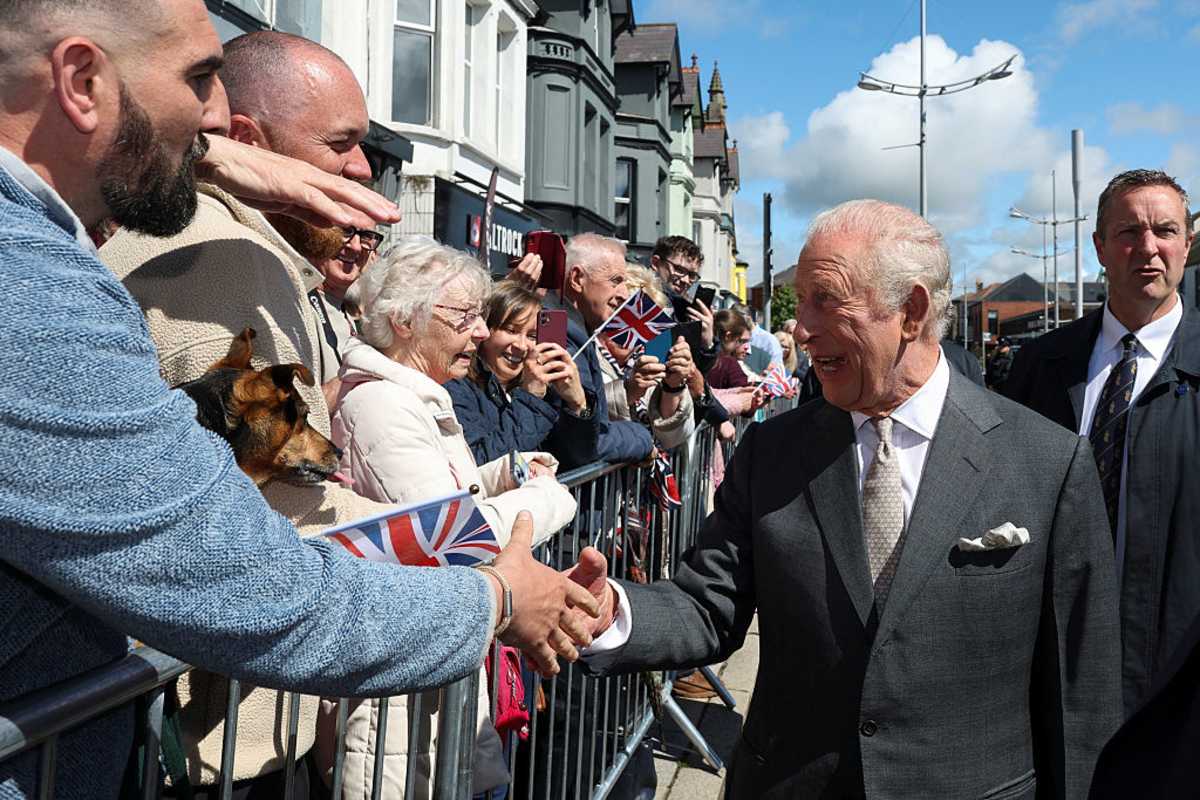
Stanton went on to analyze Charles’ physical behavior during the group dancing, noting how intentional his openness appeared. He elaborated, “His body language is very open throughout. He lowers his posture unconsciously, leans forward, and steps into the circle rather than hanging back. Psychologically, that’s important because it shows involvement rather than distance. There are no signs of what we call a ‘gestural retreat.’ He isn’t observing from the sidelines. He’s actively participating.” The expert continued, “His shoulders are relaxed, his smile is genuine, and the slight forward lean softens any sense of hierarchy. It gives the impression of someone approachable, amicable, and keen to connect. What’s also noticeable is that when he dances, he places a hand on the person beside him, which is a classic gesture of warmth, friendship, and social ease.”
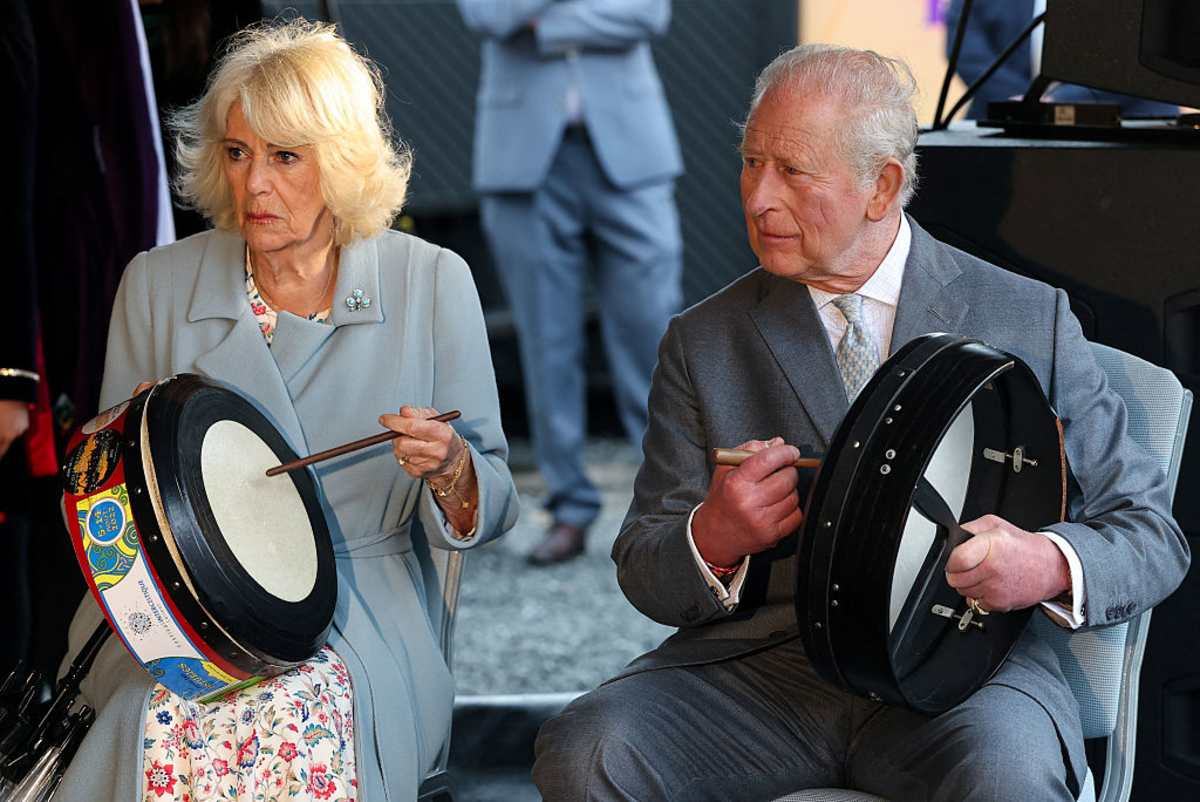
The expert noted that Queen Camilla’s approach was very different from the King’s but still quite positive. He revealed, “Camilla’s body language is slightly different, but still entirely positive. She’s clearly supportive, relaxed, and happy to be there, with a genuine smile throughout, but she’s a little more reserved physically.” Then, while addressing the wider royal strategy, Stanton opined, “Overall, I do think the monarchy has gone through a significant rebrand in recent years, particularly in terms of accessibility and relatability. The message increasingly seems to be: Yes, we may be royal, but we’re still people, and we’re willing to engage directly rather than remain distant figures.”