Andrew Had a Secret Plan to Steal King Charles' Spotlight — Then It All Went Wrong
Andrew had big ambitions, and plotted to take the thing King Charles had built over the years.
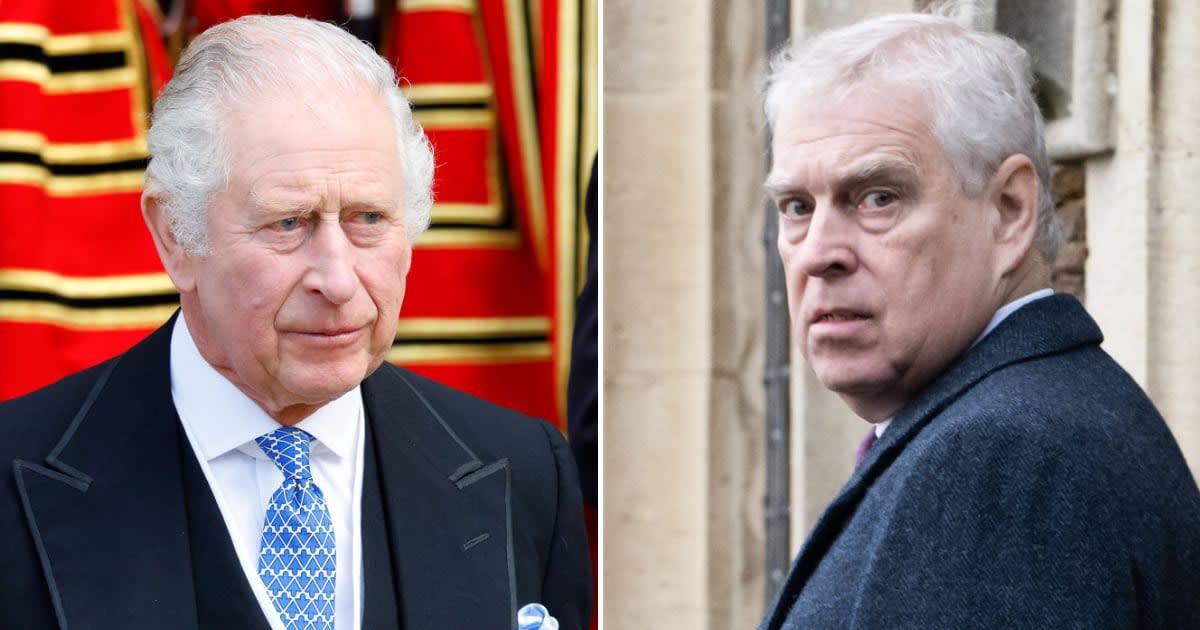


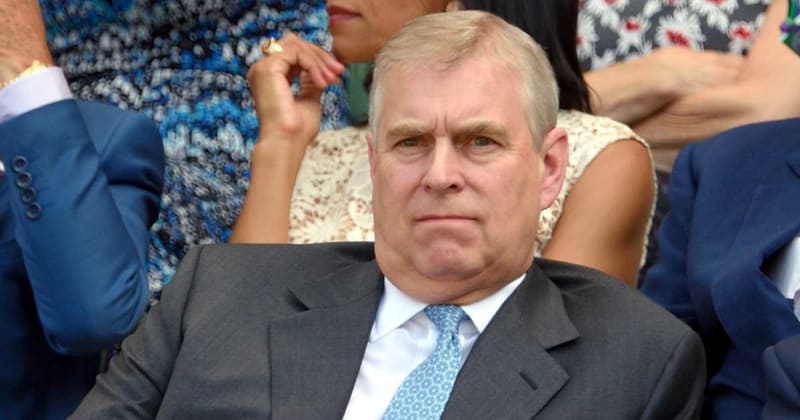
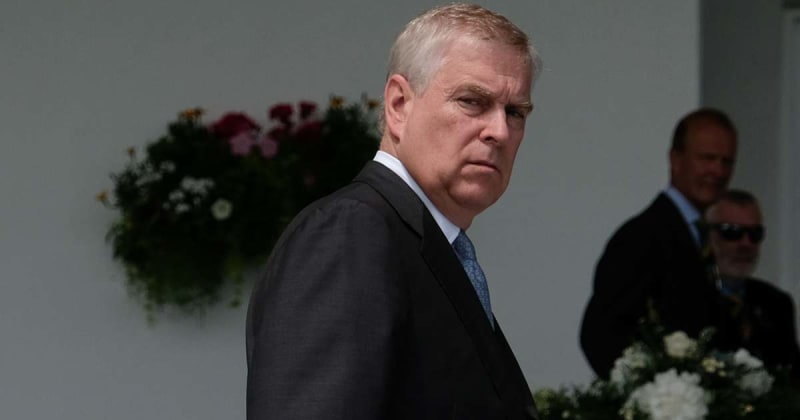
There was a time when Andrew Mountbatten-Windsor was somebody. A prince, a Duke, a working royal with a seat at the most exclusive table in Britain. He had the title, the access, and an appetite for ambition that went well beyond what his position strictly allowed. He had plans — big ones. The problem is that the universe, apparently, had not read them.
For years, the man who was once the Queen's favorite son harbored a belief that he would have made a better king than his more sensitive older brother. It was, to put it straight, an audacious ambition for a man who was never even first in line. But ambition, as Mountbatten-Windsor would learn the hard way, has a way of outrunning reality.
When it became clear the throne was never going to be his, he pivoted. If he could not be king, he would do the next best thing — he would become indispensable. And so, he hatched a plan to position himself as the royal family's leading voice on conservation, effectively stepping into the very lane his brother had spent five decades building, The Telegraph reported from documents it had accessed.
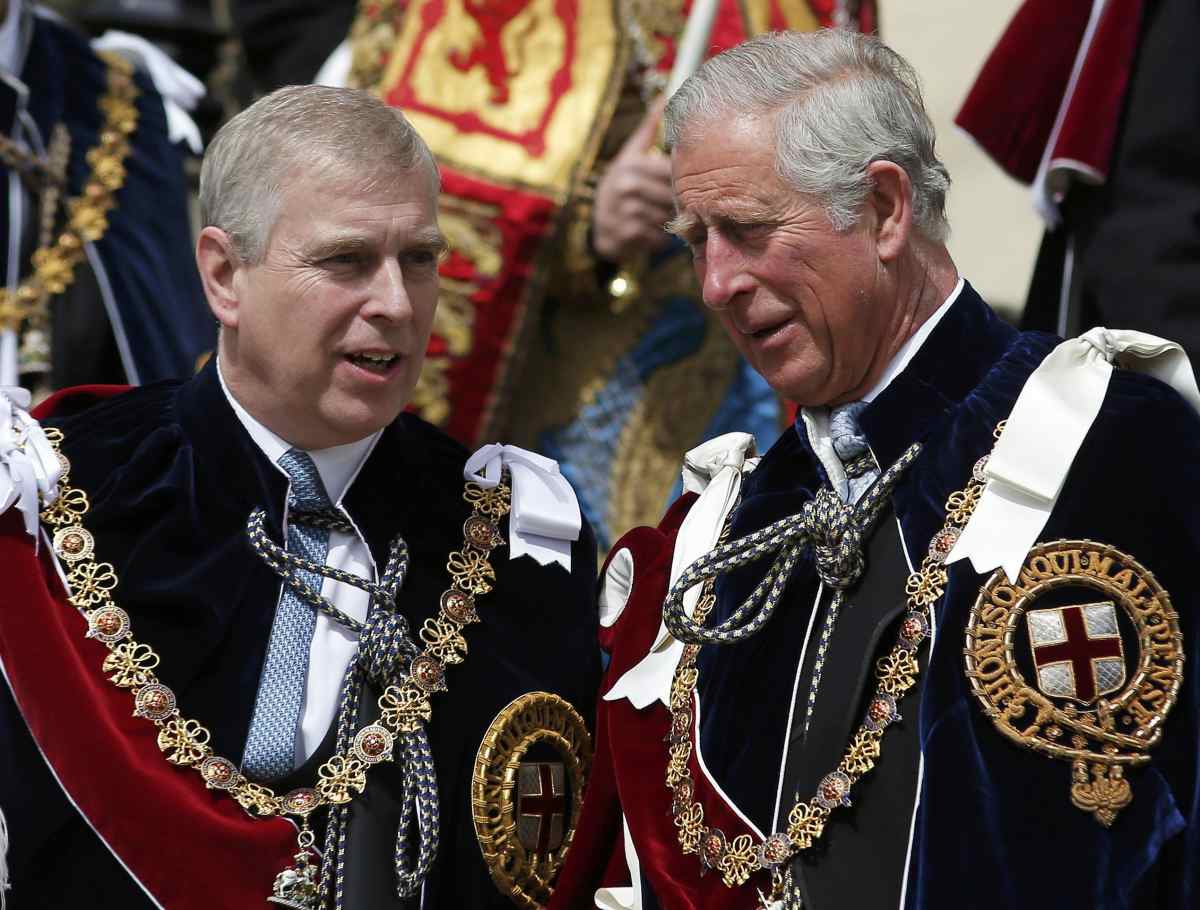
The vehicle for this ambition was to be a non-profit organization called The Royal Conservancy. Mountbatten-Windsor told his prospective supporters that he wanted ‘a legacy’ and intended to "take up the mantle of conservation" from his brother when Charles became King.
In practice, he was plotting to steal another brother's spotlight. The groundwork was laid in earnest. In early 2019, potential sponsors from Europe, the United States, and the Middle East gathered at Buckingham Palace to draw up a three-year business plan. A pan-European board of royal patrons was being considered. A German businessman was ready to host Mountbatten-Windsor at a dinner in Munich and open doors to industrial giants like Allianz, BMW, and Siemens.
A luxury watch brand and a car company were also in the mix as potential funders. Leaked emails showed Mountbatten-Windsor's aide, Libby Ferguson, writing to business figures involved in the project, noting that there was "very strong feedback from the large pension fund managers and land owners who attended the Palace meeting" and stressing that "time is really of the essence."
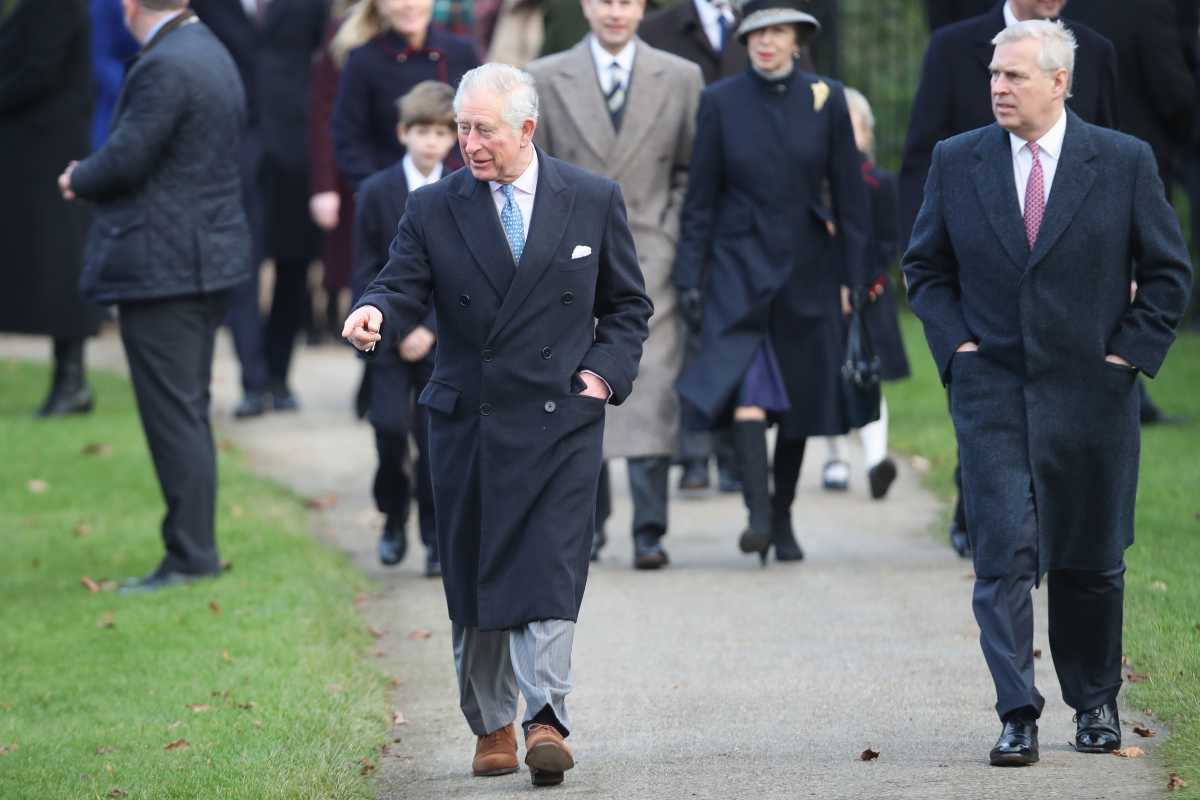
But the wheels came off almost as quickly as they had started turning. The project never took flight, killed by a lack of funding and a failure to secure official sign-off from the Cabinet Office on using the word ‘Royal.’
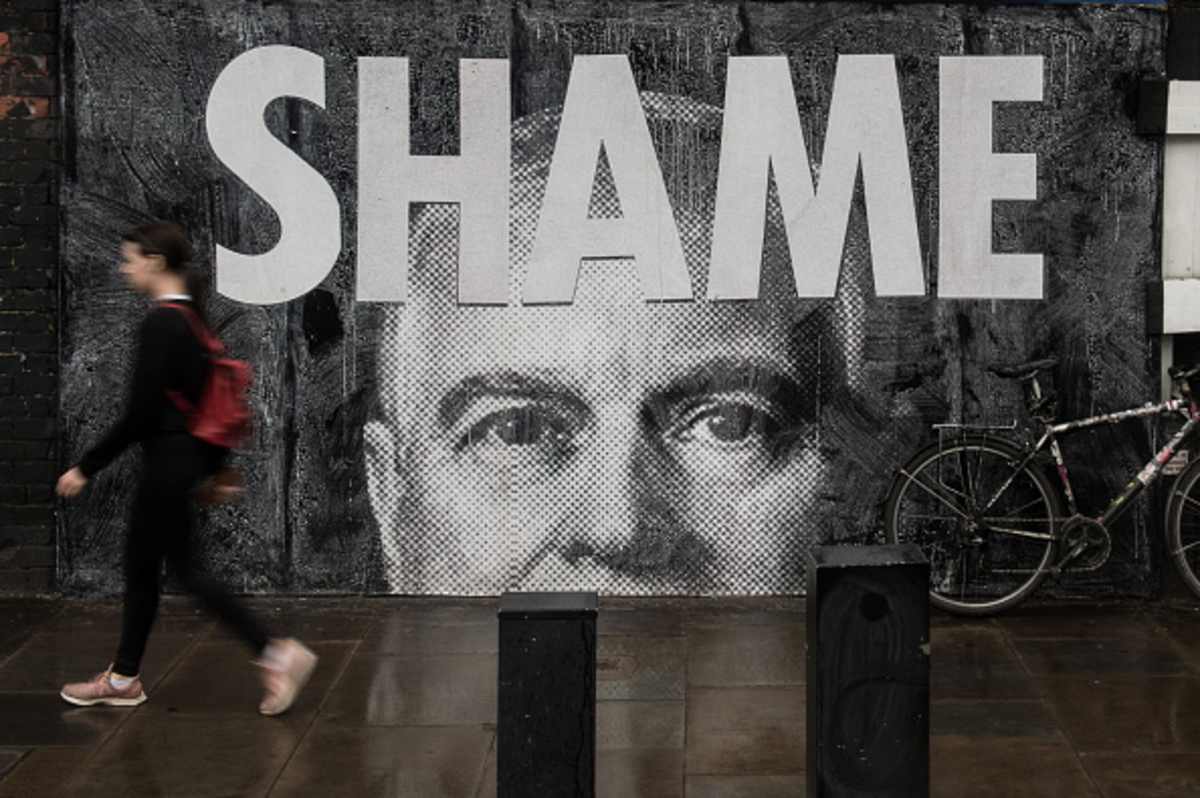
And then later the same year, everything else came crashing down, too. Mountbatten-Windsor sat down with Emily Maitlis for his now-infamous BBC Newsnight interview — a car crash of television in which he failed to show any meaningful acknowledgment of Jeffrey Epstein's victims. And that led to the free-fall of his royal role. The Epstein connection, which had already forced him to resign as trade envoy back in 2011, came swimming back to the surface. And as one thing led to another, it lingered in the background like a shadow that refused to shorten — and eventually, it swallowed the light entirely.