4 Royal Visits to the Caribbean That Triggered Backlash
A Difficult History
The monarchy's history with the Caribbean is a rather sensitive topic, and while the present generations have been trying their best to mend things, their efforts have on several occasions backfired. For many people across the region, the monarchy is connected to Britain's colonial past and the transatlantic slave trade. As countries push for greater independence, formal apologies and reparations, and royal visits have increasingly become an opportunity for campaigners to make their voices heard. From Prince William and Princess Kate's controversial photographs in Jamaica to protests during Prince Edward and Sophie's tour, here are four royal visits to the Caribbean that faced backlash.
Charles Faces Pressure
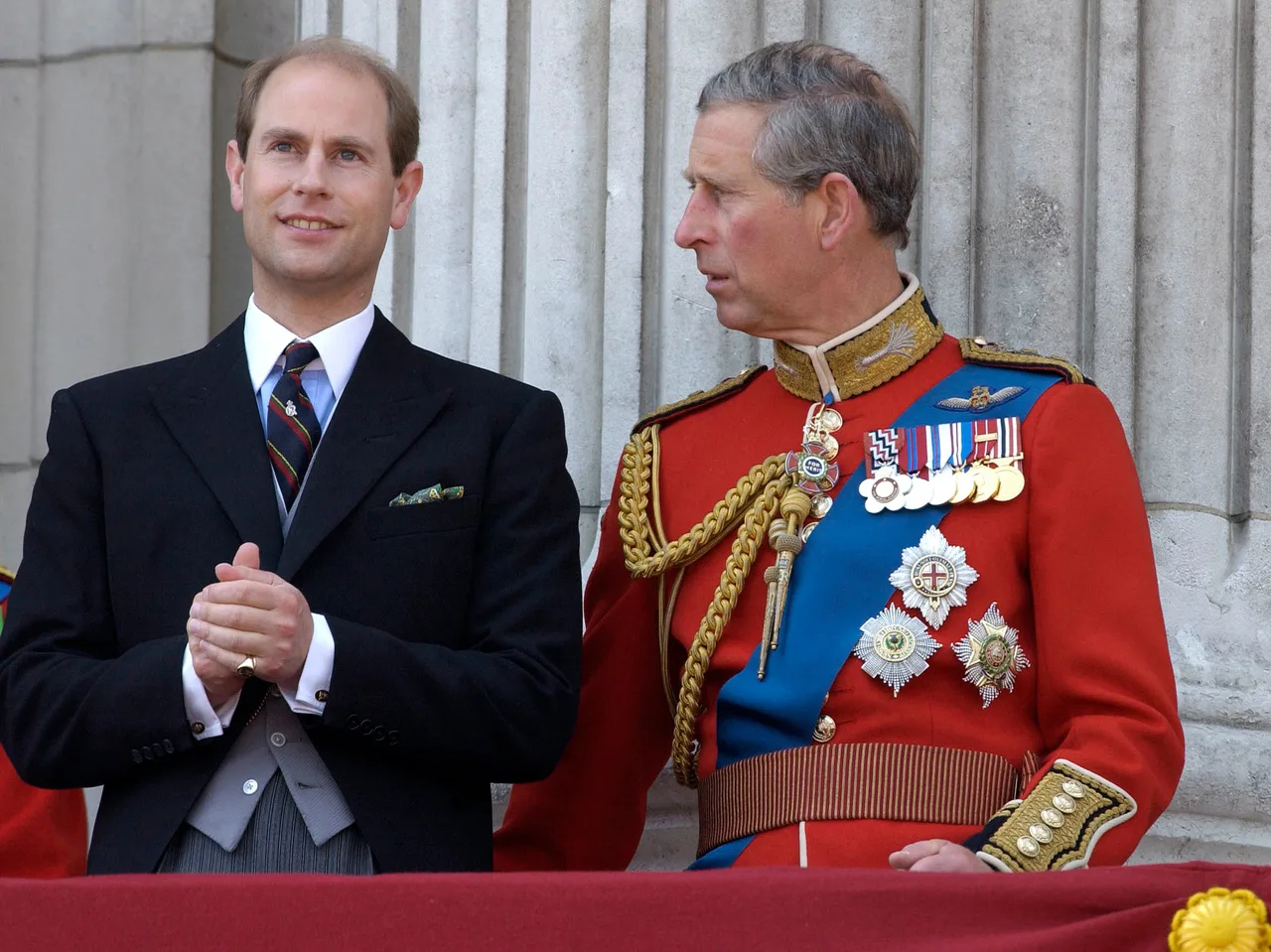
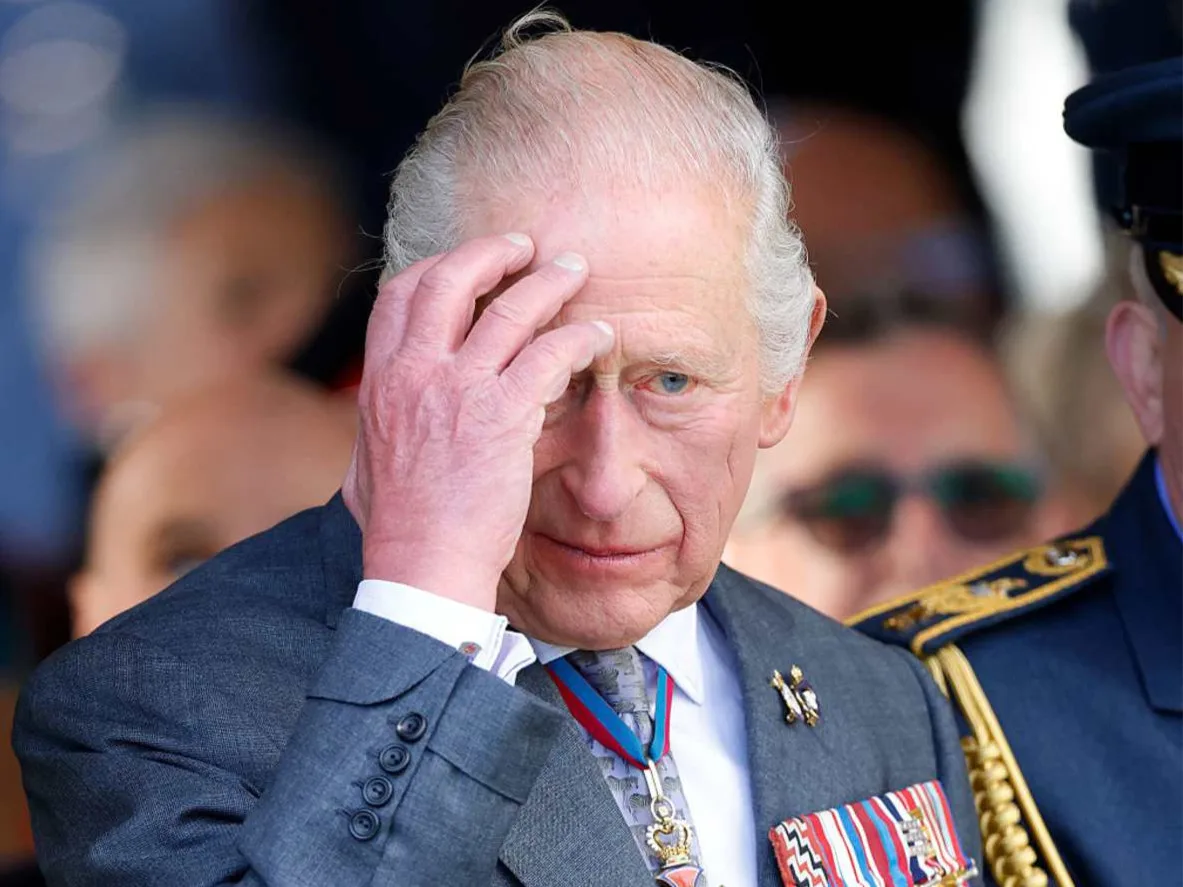
King Charles's Caribbean tour, beginning on October 27, 2026, has brought renewed attention to the monarchy's historic links to slavery. The King and Queen Camilla are visiting the Bahamas, Guyana, and Antigua and Barbuda, where Charles will also be attending the Commonwealth Heads of Government Meeting. The tour comes as campaigners and Caribbean leaders continue to call for a formal apology and reparations for Britain's role in the slave trade. Although Charles has previously expressed sorrow over slavery, critics argue that words alone are not enough. Previously, the King described slavery as an "appalling atrocity" that "forever stains our history". However, Buckingham Palace has made clear that he will not issue a formal apology during the current tour, with the British government maintaining that reparations will not be paid. Cultural historian Patrick Vernon, the representative of the Global Jamaica Diaspora Council in the UK, described the visit as a major turning point. Speaking to The Guardian, he said: "I think it's the biggest crossroads for the Commonwealth since its creation."
Edward Met With Protesters
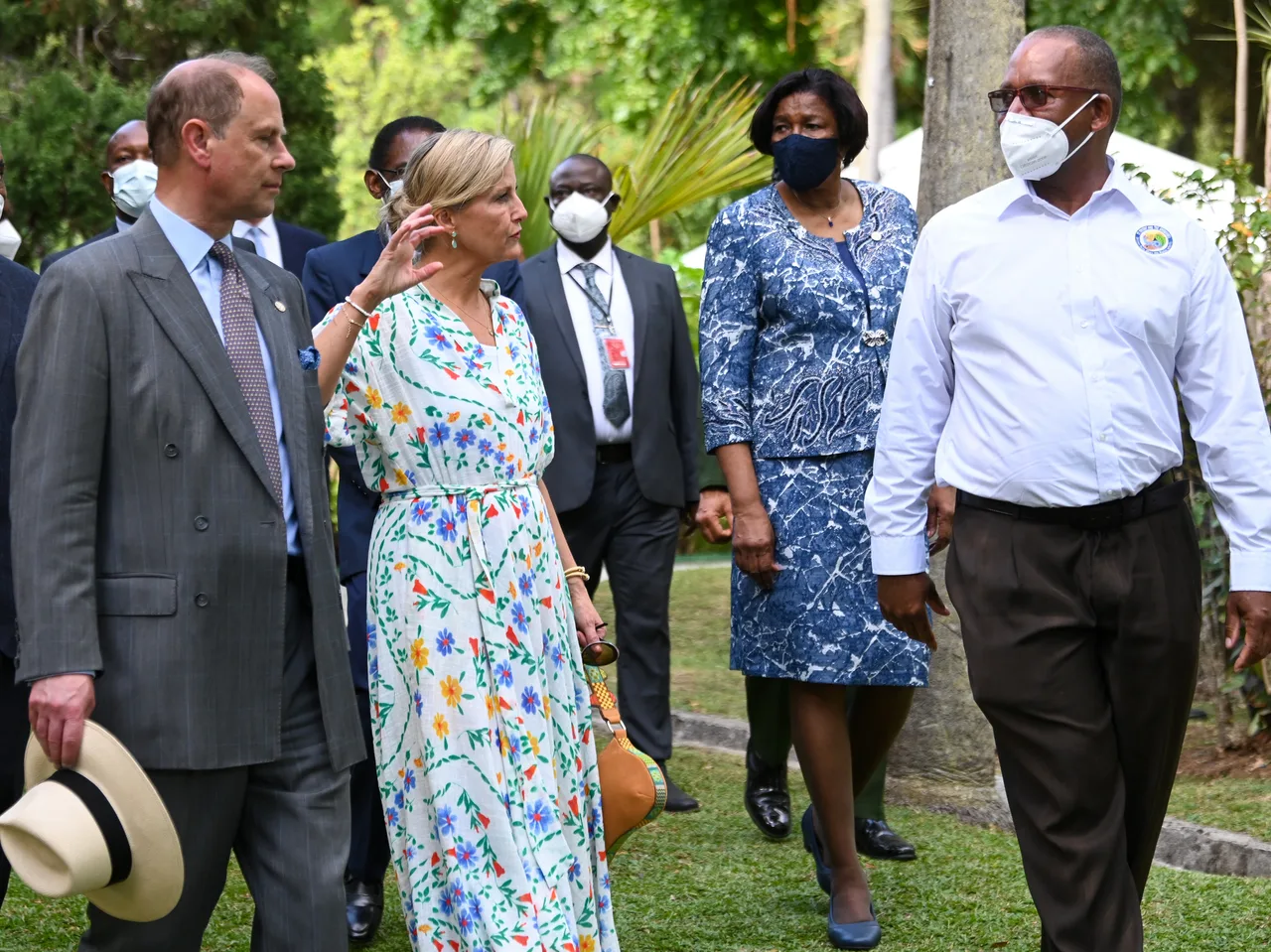
Charles is not the only royal who faced backlash on a trip to the Caribbean. Prince Edward and Sophie, then the Earl and Countess of Wessex, faced protests during their tour in April 2022. The tour was to mark Queen Elizabeth II's Platinum Jubilee, but campaigners on the occasion demanded accountability for Britain's colonial past. Before Edward and Sophie visited Antigua and Barbuda, the country's Reparations Support Commission also issued an open letter urging the royals not to rely on familiar expressions of regret. The letter said, "We hear the phony sanctimony of those who came before you that these crimes are a 'stain on your history'."
Poor Optics For Kate and William
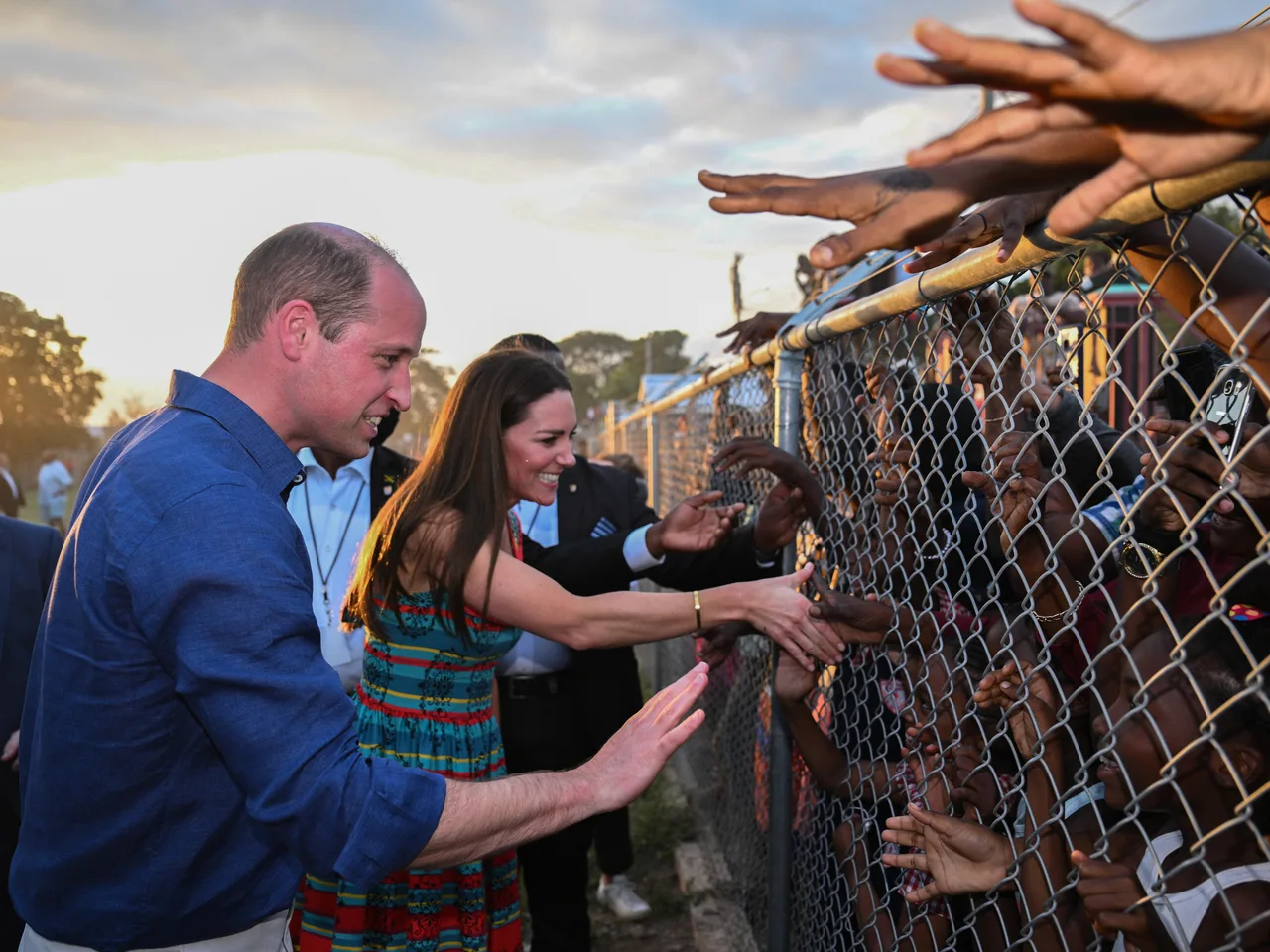
William and Kate's Caribbean tour in March 2022 was also meant to celebrate the Queen's Platinum Jubilee and strengthen relationships with Commonwealth countries. However, things did not go as planned. One of the most controversial moments came when William and Kate rode in an open-top Land Rover to inspect a military parade. The image of the couple riding in a colonial-era vehicle reminded critics of the monarchy's dark past. However, that was not all. Another photograph caused a separate storm. During a visit to Trench Town in Kingston, the couple greeted children through a wire fence. The image quickly attracted criticism online, with some questioning why the royals were separated from the children in that way. Velma McClymont, a Jamaican-born writer and former Caribbean studies academic, criticized the visit in The Guardian. She said the Land Rover and fence photographs had been viewed as reminders of the colonial past rather than images of a modern relationship. William later acknowledged the painful history behind Britain's involvement in slavery. In a speech in Jamaica, he said, "I want to express my profound sorrow. Slavery was abhorrent. And it should never have happened."
Queen Elizabeth Faced Activists
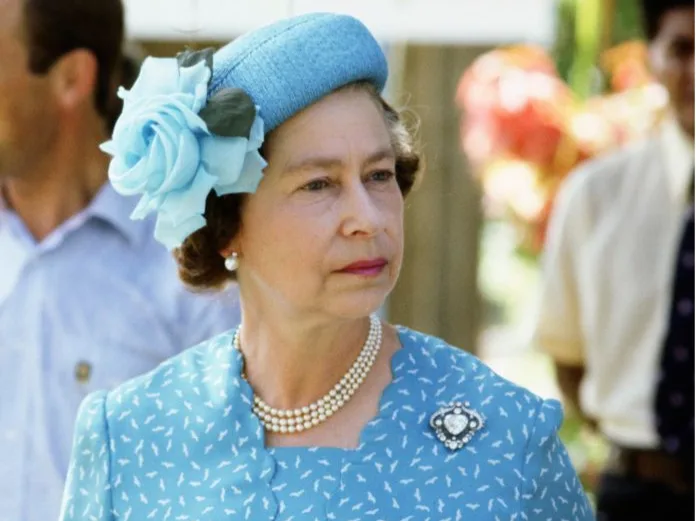
Queen Elizabeth II's Caribbean visits were not always free from criticism either. Although she received formal welcomes and large crowds during many of her tours, her position as monarch also attracted opposition from people who wanted to break away from Britain's influence. During her visit to Jamaica in February 2002, as part of her Golden Jubilee celebrations, Rastafarian activists called for repatriation to Africa. For many Rastafarians, Africa represented their ancestral homeland, and the movement's demands were closely connected to the history of slavery and the forced displacement of African people. Activists displayed messages calling for repatriation along the Queen's route.