Why Queen Elizabeth Would've 'Pulled the Plug' on King Charles' Historic US Visit
Despite an alleged assassination attempt on Trump and his officials on April 25, Charles's state visit will commence as scheduled.
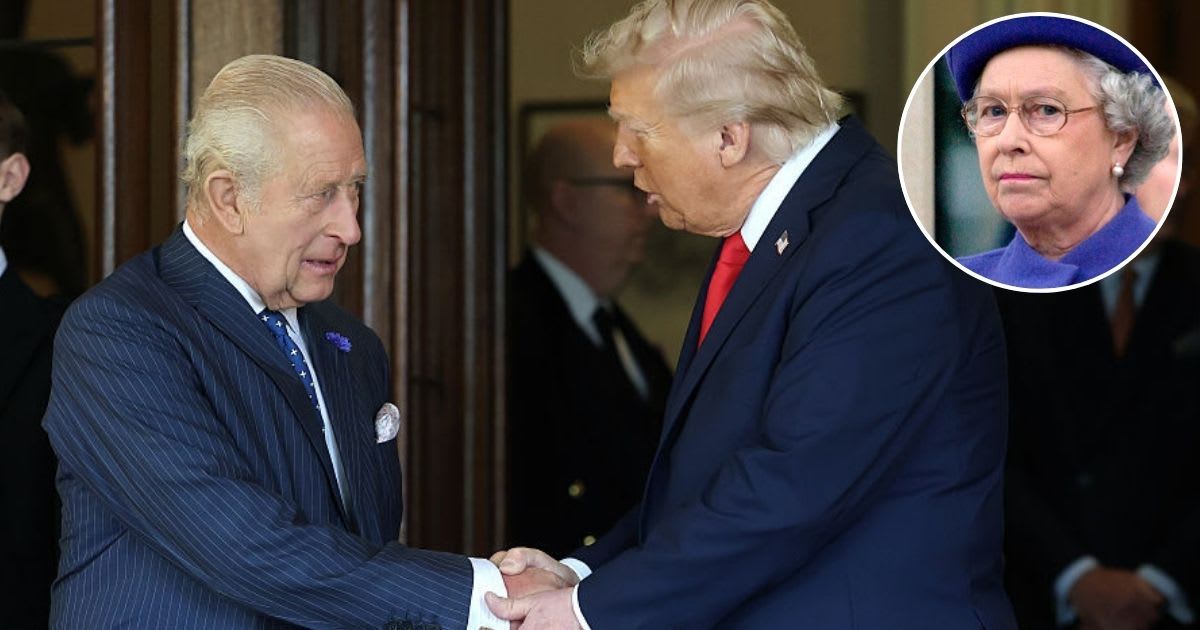


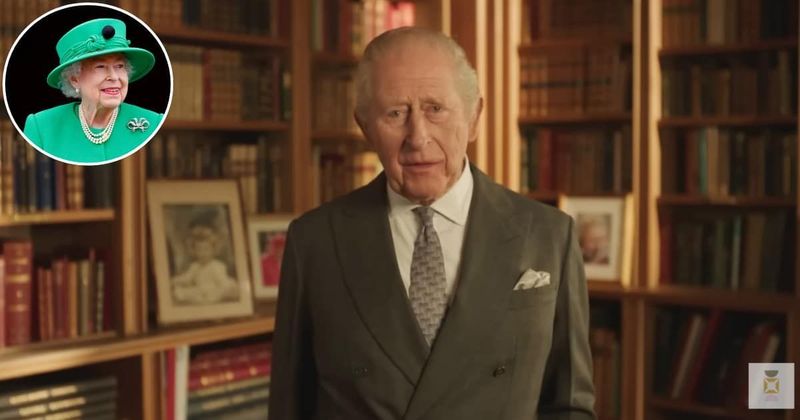
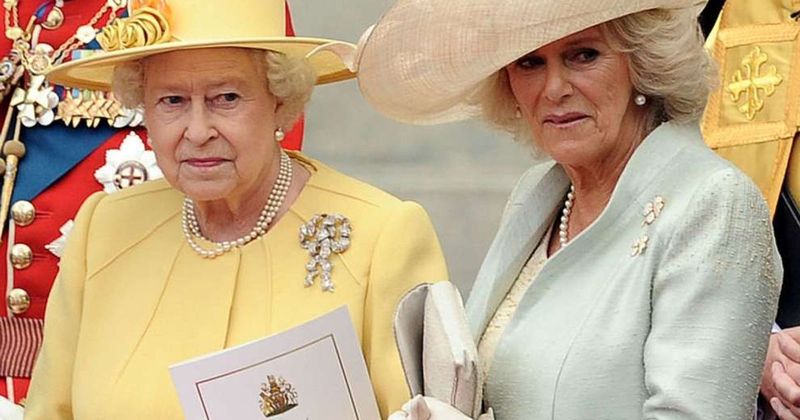
Queen Elizabeth long upheld duty above self, projecting stability and putting the institution first throughout her 70-year reign. This was closely tied to her strict political neutrality, preserving the firm as a nonpartisan entity. Against that backdrop, sources believe she would likely have opposed King Charles's US state visit, given the current diplomatic tensions between the two nations. Donald Trump's sharp attacks on the UK Prime Minister risk casting the trip into an undignified political light, a big no-no in the late monarch's rulebook.
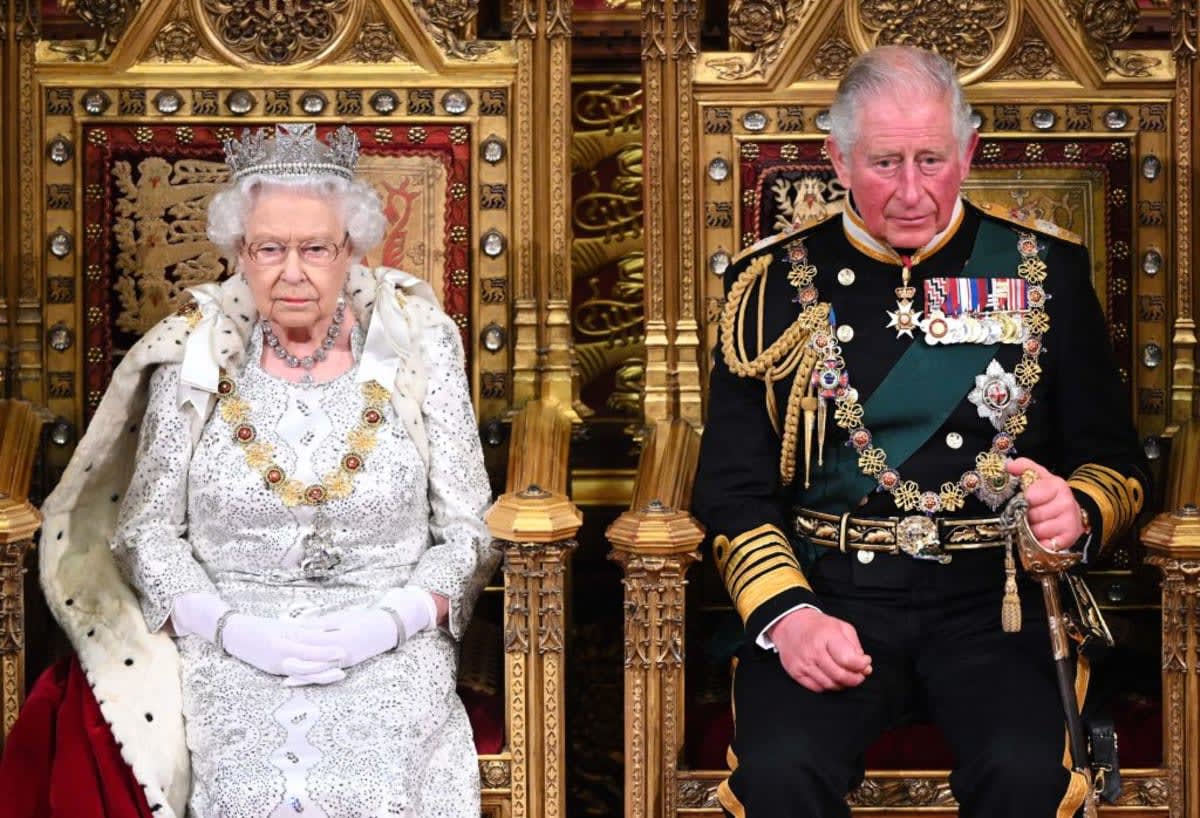
Despite an alleged assassination attempt on Trump and his officials on April 25, Charles's state visit will commence as scheduled. On his Substack, The Royalist, royal expert Tom Sykes revealed that palace insiders have dubbed the visit the "most fraught royal diplomatic mission in living memory." To which he opined, "The assassination attempt only adds more drama to the four-day state visit to a country whose president has spent months belittling Britain's military, threatening its sovereignty, and publicly savaging its prime minister." Arguing his point, he claimed that if the Queen were alive, she would have also thought that her son's decision was a bad idea.
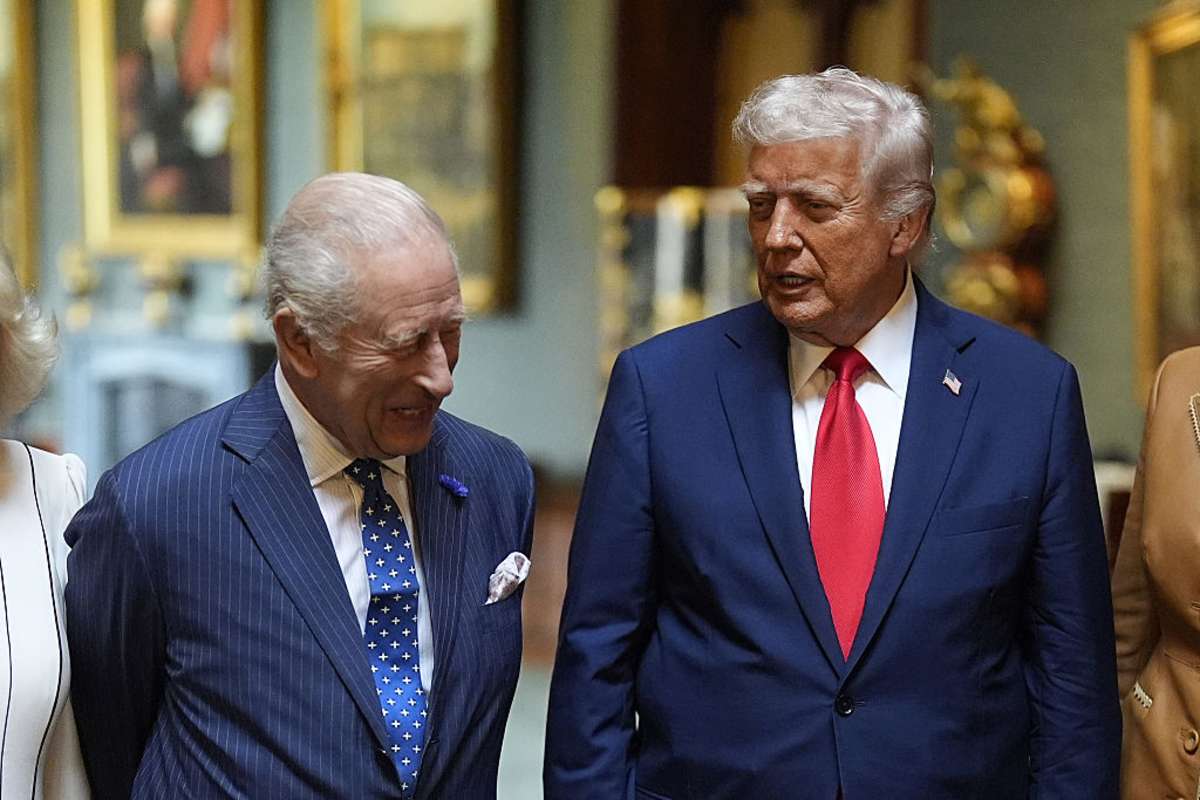
Moreover, he documented a former royal aide's account in The London Times, where they said, "I can't help but think QEII would have had the government pull the plug on this state visit ages ago." I'm sure the King wants to tick a historic US state visit off his bucket list. It just seems a shame it has to be under these conditions and timing." Indeed, the political landscape couldn't have been worse. As reported by Reuters, a leaked Pentagon email uncovered that the US is considering scaling back support for the UK's 'imperial possessions,' including the Falkland Islands. It is perceived to be in response to Keir Starmer's refusal to support the US-Israeli military campaign against Iran.
The result, as Sykes puts it, would be a risky visit that the Queen would've never given the green light. He stressed that her former senior staff recalled accompanying her on the last US state visit in 2007, hosted by President George W. Bush. The ex-staffer reportedly said, "It was nothing but pure joy. I suspect this week will be rather different." The US government, meanwhile, has urged to continue Charles's visit as planned, arguing that canceling it at the last minute would do more damage than good. A senior official echoed, "If the trip had been cancelled or postponed, it would have risked turning what is hopefully a temporary rupture into a permanent estrangement."
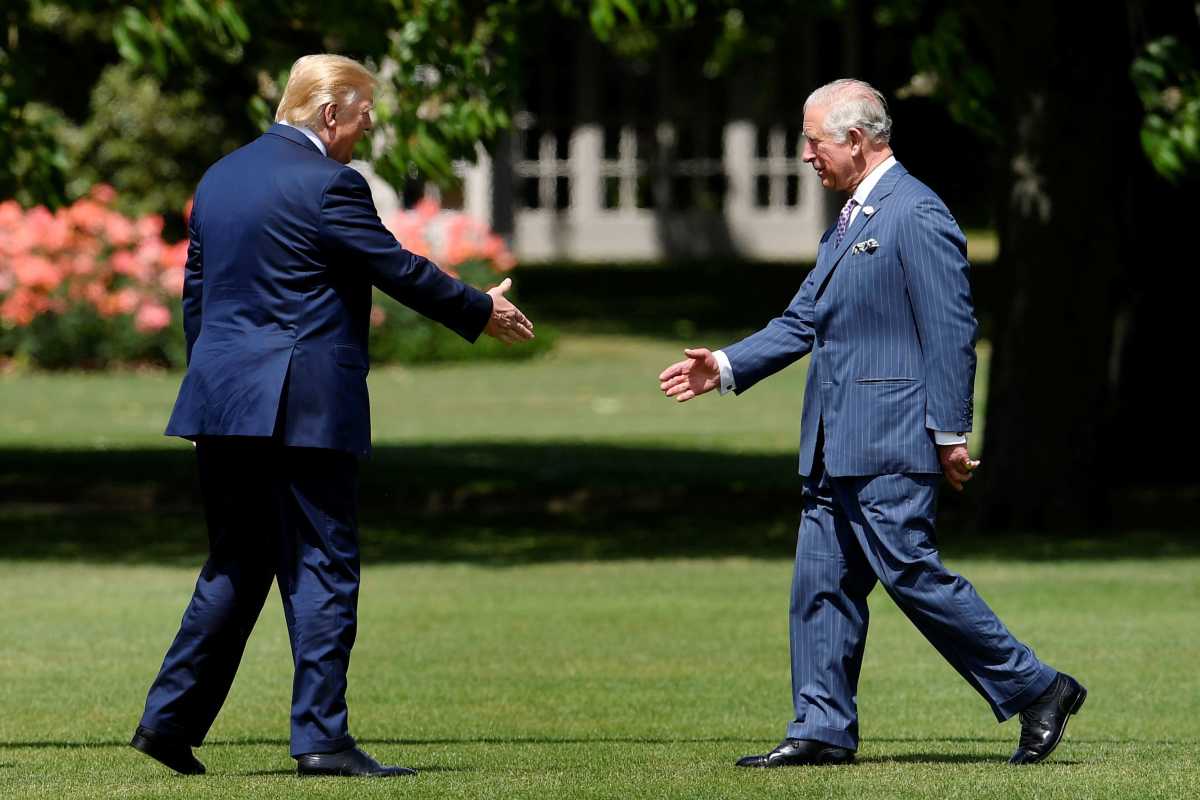
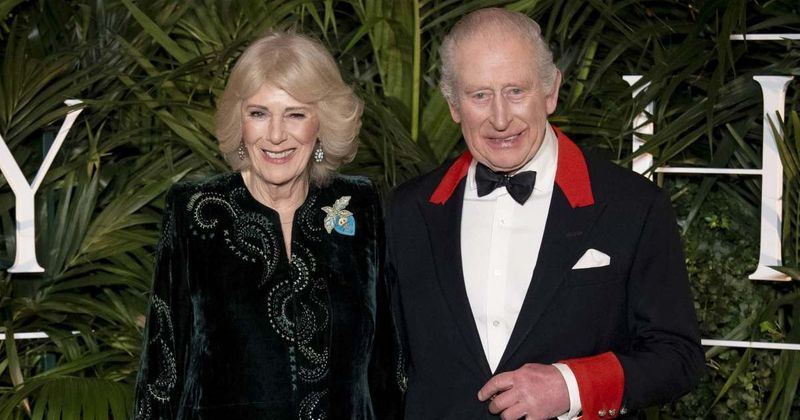
As for Charles's upcoming visit, officially framed as part of the 250th anniversary celebrations of American independence, it will begin on April 27 with a private tea at the White House, followed by a garden reception at the British ambassador's residence. Over the next four days, the schedule includes a state dinner, a military review, and an address to a joint session of Congress. Charles and Camilla will also be visiting New York and Virginia, after which the King will journey solo to Bermuda.