Expert Reveals What Queen Elizabeth Did To 'Shield' Andrew After The Epstein Scandal Broke
Biographer Andrew Lownie recounts the legal “shot across the bow” and surprise knighthood in 2011.


Long before the latest questions about Andrew Mountbatten-Windsor’s associations reached the King’s desk, the foundations of the scandal had already taken root. According to royal biographer Andrew Lownie, the warning signs had been visible years ago, and so, too, was the Palace’s determination to contain the damage, led by none other than the late Queen Elizabeth.
In a Substack post, Lownie wrote that when the first explosive allegations surfaced in 2011, the late Queen moved to protect her son. The crisis began in February 2011 when Sian James, assistant editor at the Mail on Sunday, contacted Andrew’s press secretary, Ed Perkins. The paper, she said, had obtained a photograph of the then duke with Virginia Roberts, now Virginia Giuffre, who alleged she had slept with him. Perkins convened senior Palace officials and lawyers, and the Queen summoned her second son for a private meeting.
What followed, Lownie writes, was a coordinated effort to push back. “The duke assured his mother that he had no sexual relationship with Virginia Roberts or any of Jeffrey Epstein’s girls,” a source said. “The duke talked to the lawyers on the phone and, with the approval of the duke and his office, the lawyers drew up a legal document that was meant as a shot across the bow of the press in Britain.”
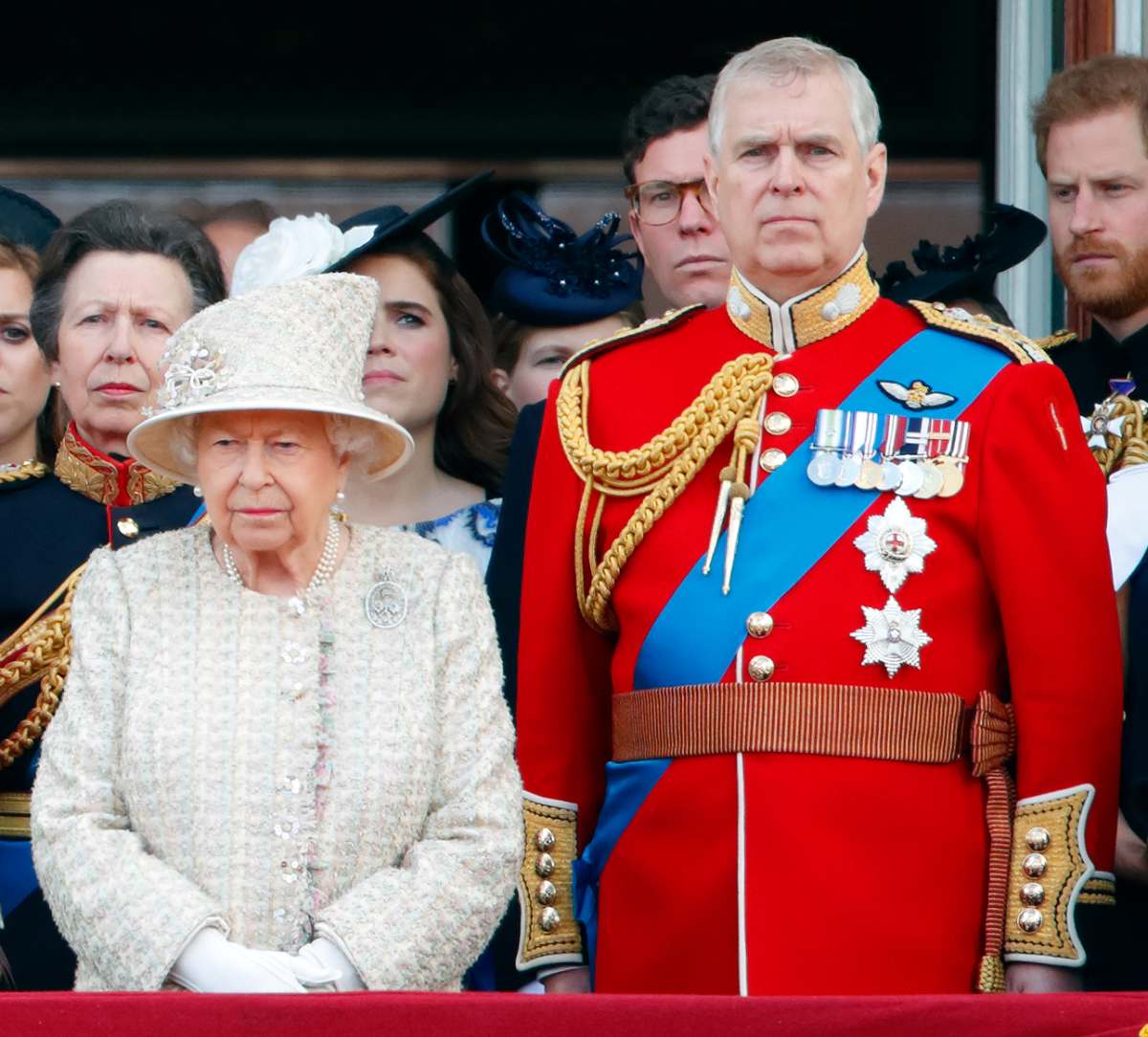
Following that, the Buckingham Palace lawyers issued a warning of defamation. Almost like telling any publication that would follow the course would face legal consequences. Lownie wrote, "Buckingham Palace also issued a defamation warning in an attempt to shield Andrew." On the eve of Mountbatten-Windsor’s fifty-first birthday—and just a day after the Epstein scandal broke publicly—the Queen appointed him Knight Grand Cross of the Order of St Michael and St George.
However, that could hardly contain the pandemic. On 28 February, MPs, including Chris Bryant, called for Mountbatten-Windsor to be removed from his role as the UK’s special representative for trade and investment, citing concerns over his alleged links to the Libyan regime. The pressure intensified when Stephen Day, a former British ambassador to Tunisia, wrote to then foreign secretary William Hague, urging his dismissal.
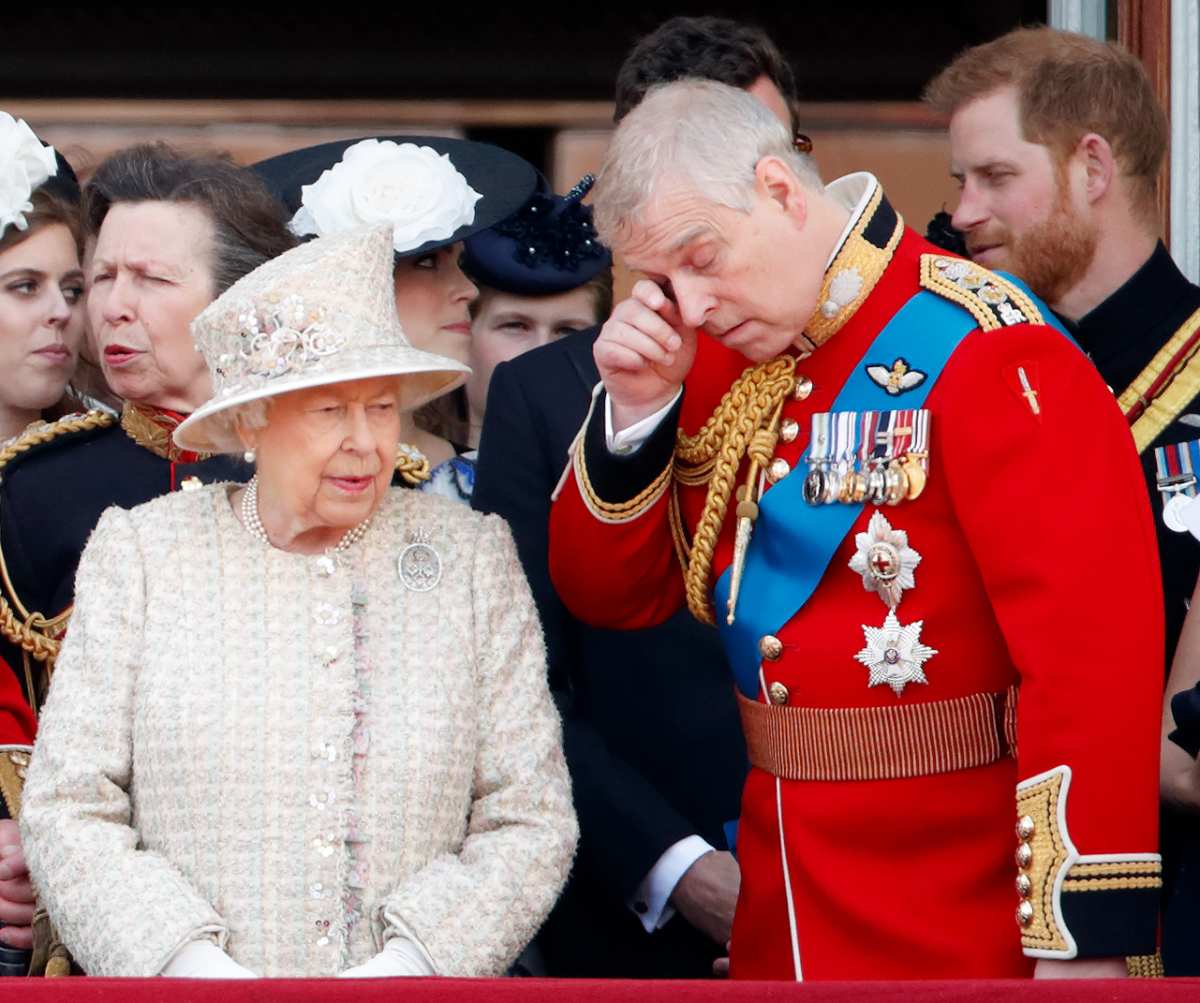
Day warned that the duke’s dealings with questionable figures were inflicting “serious damage to the royal family and to Britain’s political, diplomatic, and commercial interests”. His letter, later leaked, pointed to Andrew’s lunch at Buckingham Palace with Sakher El Materi—later convicted of corruption in absentia in Tunisia—as well as other private visits. He copied his concerns to three government departments, adding, “The message being spread around the world is that Britain is so desperate for business, so incapable of competing openly, that it needs a back-door approach and is content to work closely with dodgy fixers and politicians.”
The reputational damage, Lownie suggests, was already visible on the international circuit. The wife of a head of state confided that her husband feared being photographed alongside Mountbatten-Windsor. “No one wants that association now,” she said. “This is what everyone’s talking about.”
Further embarrassment followed revelations involving Libyan businessman Tarek Kaituni, a guest at Princess Beatrice’s twenty-first birthday party who reportedly gifted her a roughly $24,000 diamond necklace. Kaituni allegedly boasted that he could “influence” the prince in support of commercial ventures.