Why Do We Need to Know So Much About the Security of Prince Harry and Meghan’s Children?
EXCLUSIVE ANALYSIS: The latest chapter in Prince Harry and Meghan Markle’s long-running battle over security in Britain comes with an acronym that needs some explaining: RAVEC.
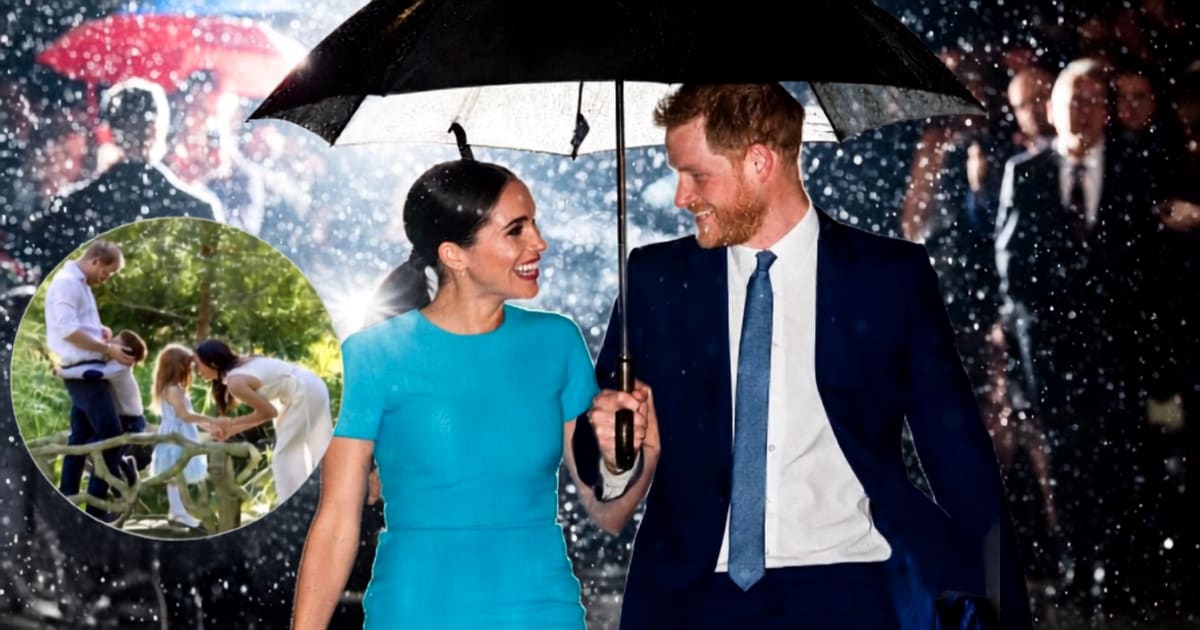


PRINCE Harry and Meghan Markle are facing fresh questions over security after concerns emerged about the practicalities of getting Prince Archie and Princess Lilibet safely to and from school.
According to last night's reports, Archie, seven, and Lilibet, five, were moved from their first British school just two days after term started. Sources stressed the problem was not the school itself, but the practicalities of the school run arrangements. The Duke and Duchess of Sussex's team reported that both traffic and the distance between their home and school placed pressure on their small private security team. It was even reported that, during one journey, vehicles involved in the security operation had difficulty remaining together. The family’s bodyguards had reportedly assessed the school during the summer, but the realities of the route could not be properly tested until term began and normal traffic returned.
Although perfectly reasonable explanations exist, there's one question I just cannot move past: Why do we need to know any of this?
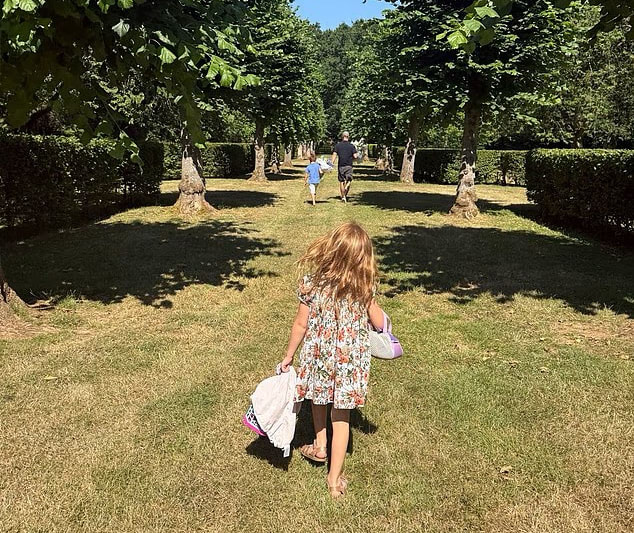
It's not the information that Archie and Lilibet have changed schools; it's the revelations surrounding the operational detail. Why does the wider public need to know that traffic caused difficulties for the Sussex security team? Why do we need to know that the distance from their home created a problem? Why do we need to know that security vehicles apparently struggled to remain together?
Security works, in part, because other people do not know exactly how it works, hence why arrangements surrounding other senior royals, politicians and celebrities are generally kept private. Indeed, when discussing royal protection, the Home Office has itself said that it has a longstanding policy of not providing detailed information about protective arrangements because doing so could compromise their integrity and affect an individual’s security.
That principle seems worth remembering here. If Prince Harry and Meghan Markle genuinely believe their family faces a significant security threat, why put details about a weakness encountered during their children's school run into the public domain? Those details belong with the people responsible for keeping the family safe.
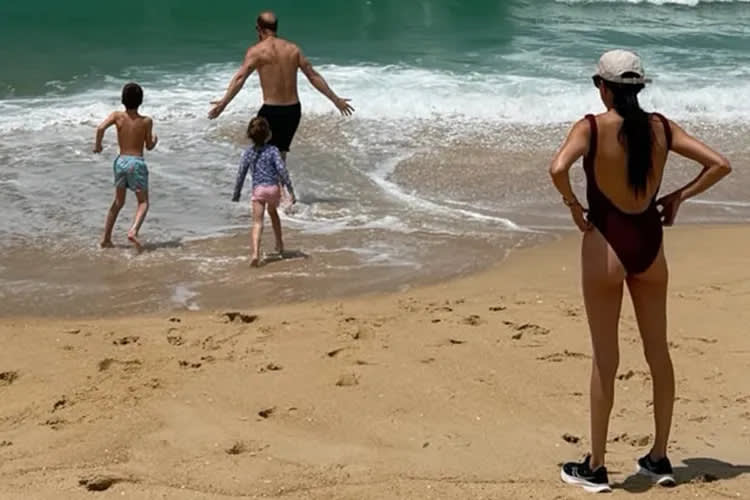
We do not need to know which school Archie and Lilibet attend, and we do not need to know the route they take. We do not need to know how their vehicles operate and we certainly do not need a running commentary on what parts of transporting two young children have proved difficult for their protection team.
There is another misconception worth addressing, particularly because social media has reduced an extraordinarily complicated security question to something resembling the point: 'Just give Harry and Meghan the protection they need'. It's just not that simple. RAVEC - the Executive Committee for the Protection of Royalty and Public Figures - sits at the heart of the system that determines protective security arrangements for members of the Royal Family and other public figures considered to be at particular risk.
Following Harry and Meghan’s return to Britain, RAVEC has begun looking again at their particular circumstances. ITV News reported that Harry is to receive a full security review following his return as a UK resident and the beginning of his children's schooling here. Meghan is also receiving her own assessment, the first one since she stepped back from the firm in 2020.
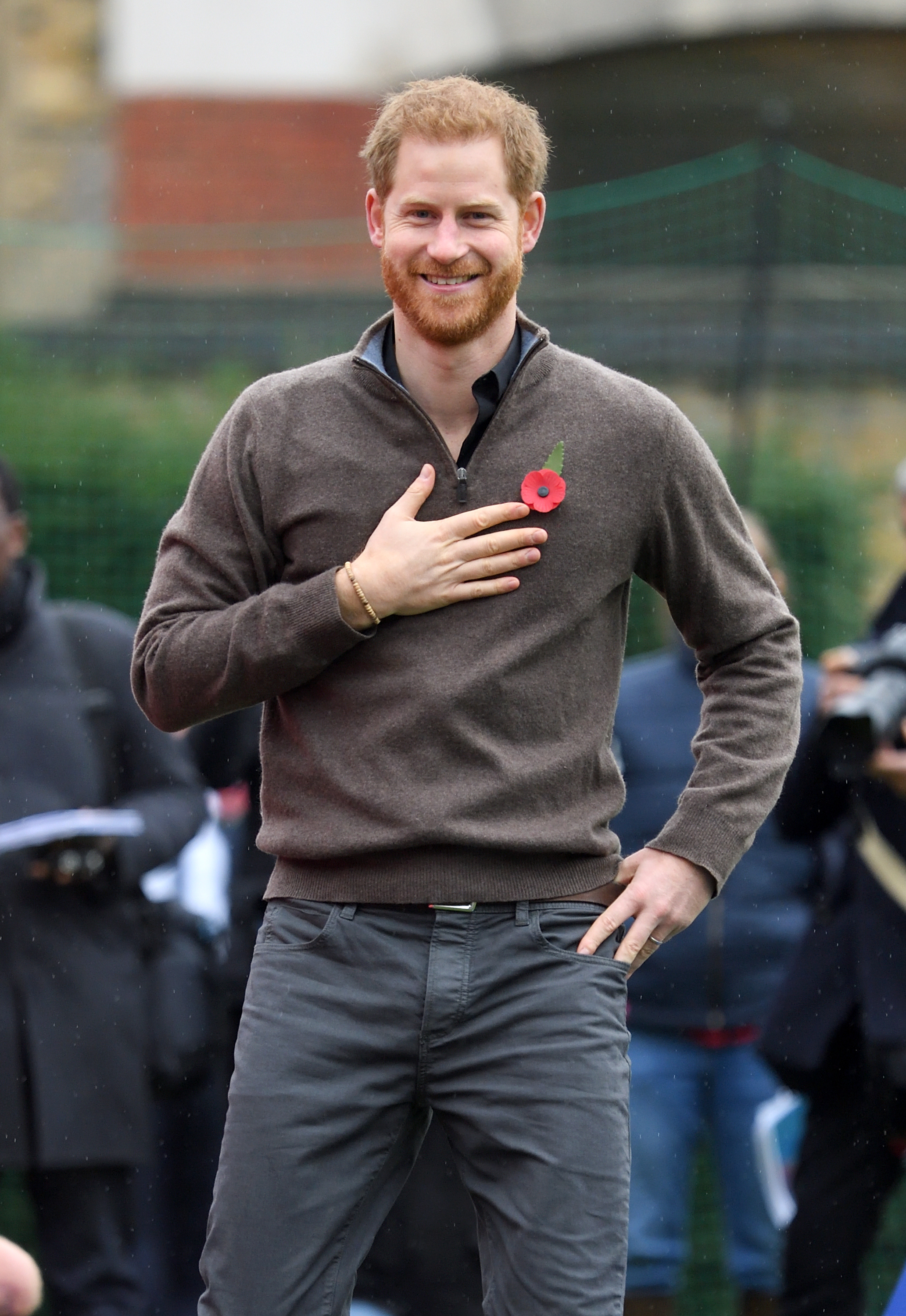
This is precisely why RAVEC may need information about the Sussexes’ daily lives that the rest of us absolutely do not. If officials are going to determine the level of risk faced by Harry, Meghan, Archie and Lilibet, they may need to understand their routines. They may need to understand the school run. They may need to know where the vulnerabilities are. They may need information about journeys, locations, timings and the practical limitations of private protection. The body may need those details, but the public does not, and there's a significant difference. Being royal does not automatically mean 24-hour taxpayer-funded protection.
Not every member of the Royal Family receives round-the-clock police protection funded by the taxpayer, another important point that's often lost in this debate. Princess Beatrice and Princess Eugenie are members of the Royal Family and granddaughters of Queen Elizabeth II. They ceased receiving taxpayer-funded security some years ago. Peter Phillips and Zara Tindall - the children of Princess Anne and grandchildren of the late Queen - are also members of the Royal Family but do not receive full-time publicly funded royal protection.
Current arrangements are considerably more nuanced than the idea that anyone sufficiently close to the monarch simply receives a permanent police detail. Only King Charles, Queen Camilla and the Prince and Princess of Wales - and their children - are understood to receive full-time publicly funded protection. Other working royals receive protection according to their specific duties and circumstances. Non-working royals generally do not receive the same automatic provision.
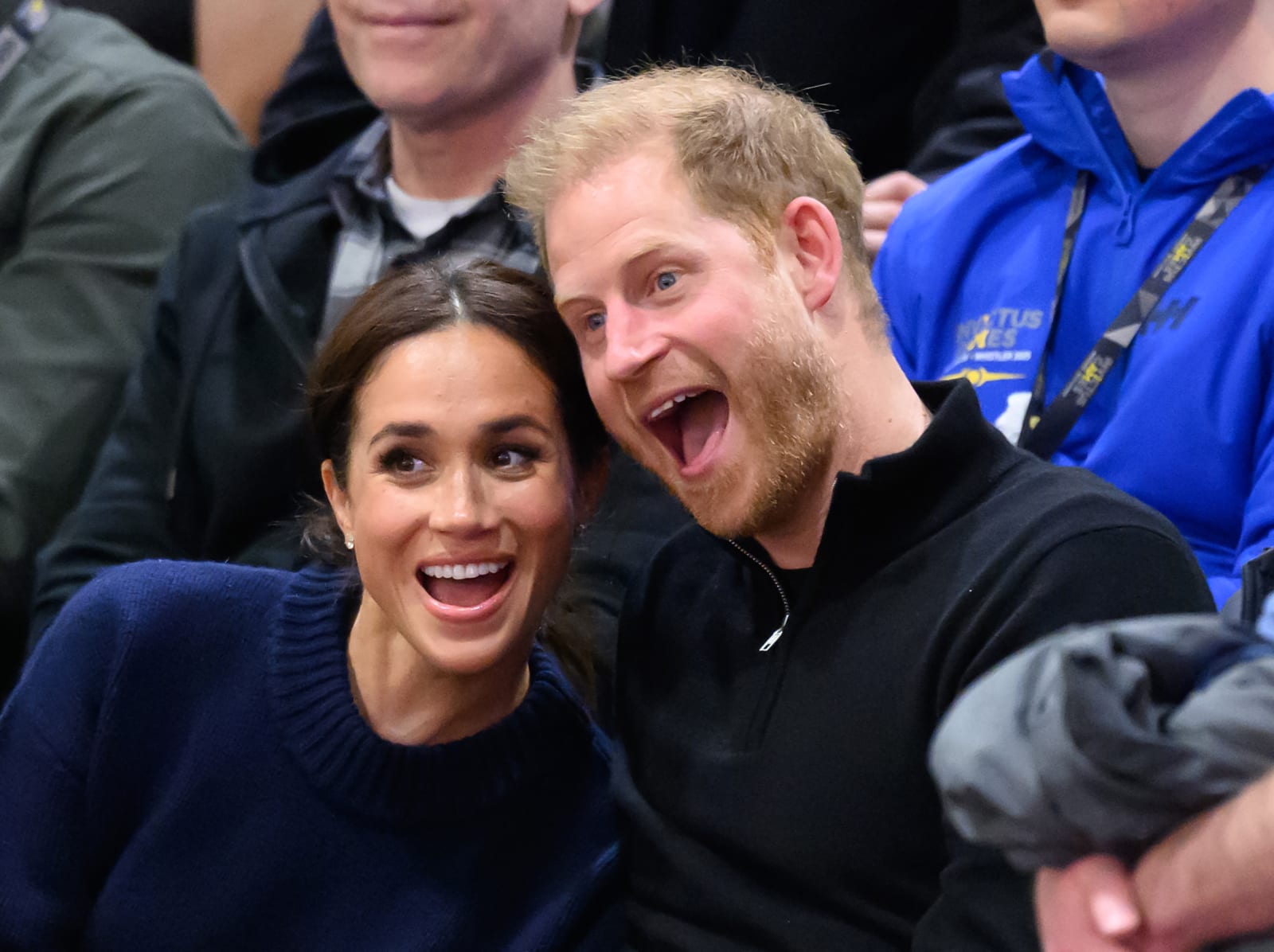
That context matters because Harry is simultaneously in an unusual position. He is no longer a working royal, but he is not an ordinary private citizen either. He's the King's younger son, one of the most recognisable people on the planet, and someone whose family circumstances have attracted intense international attention for years alongside his wife. Archie and Lilibet, through absolutely no choice of their own, are the grandchildren of the reigning King. And that's precisely why there's a professional process to assess the threats against them.
It is easy to ask why Harry and Meghan did not work all this out before Archie and Lilibet started. Apparently, their security team did conduct checks during the summer. But there is an obvious limitation to testing a school run when school is not actually running, as summer traffic is not necessarily the same as term-time. Parents are not arriving and leaving as they transport their children, school buses are not operating, and congestion on the roads may be significantly reduced.
So if their professional security advisers subsequently concluded that the arrangements were not workable, changing schools - however disruptive and unfortunate for two young children who had apparently already settled happily - may have been the responsible decision. But it still doesn't explain why it needs constant discussion, as the constant chatter itself could be dangerous for the children.
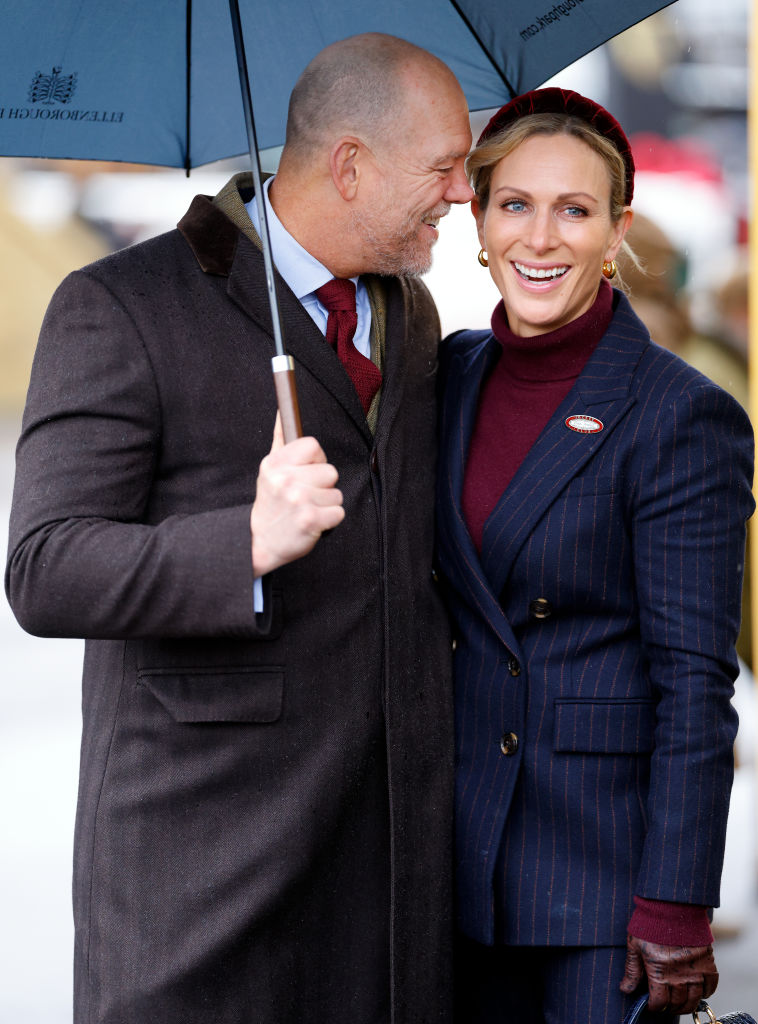
The Prince and Princess of Wales have managed to complete school runs with little fuss. Other members of the extended Royal Family have managed ordinary family routines while living with varying degrees of public attention. But every family's threat profile is different, and Harry and Meghan's situation should be assessed on its own evidence rather than on the basis that another royal can do something without difficulty. Where I struggle is not necessarily with the decision; it's with the briefing itself. There is something contradictory about arguing that the school run represents a particularly sensitive security problem while simultaneously allowing the mechanics of that problem to become international news.
Whatever anyone thinks of Harry and Meghan, Archie and Lilibet deserve to go to school without the details of their movements and security arrangements becoming public knowledge. We do not need to know the vulnerabilities, the logistics or what went wrong with the vehicles protecting them. Whether the Sussexes have a case for greater police protection is for RAVEC and security professionals to determine, based on the genuine threats they face - not public opinion or feelings about their parents. If their security concerns are as serious as they say, those responsible for protecting the family should know everything they need to know; the rest of us should know considerably less.