What Peter Phillips' 150-Guest Wedding Actually Reveals About the Future of the Royal Family
The guest list is even more surprising since it clearly draws a line between the working and non-working royals.
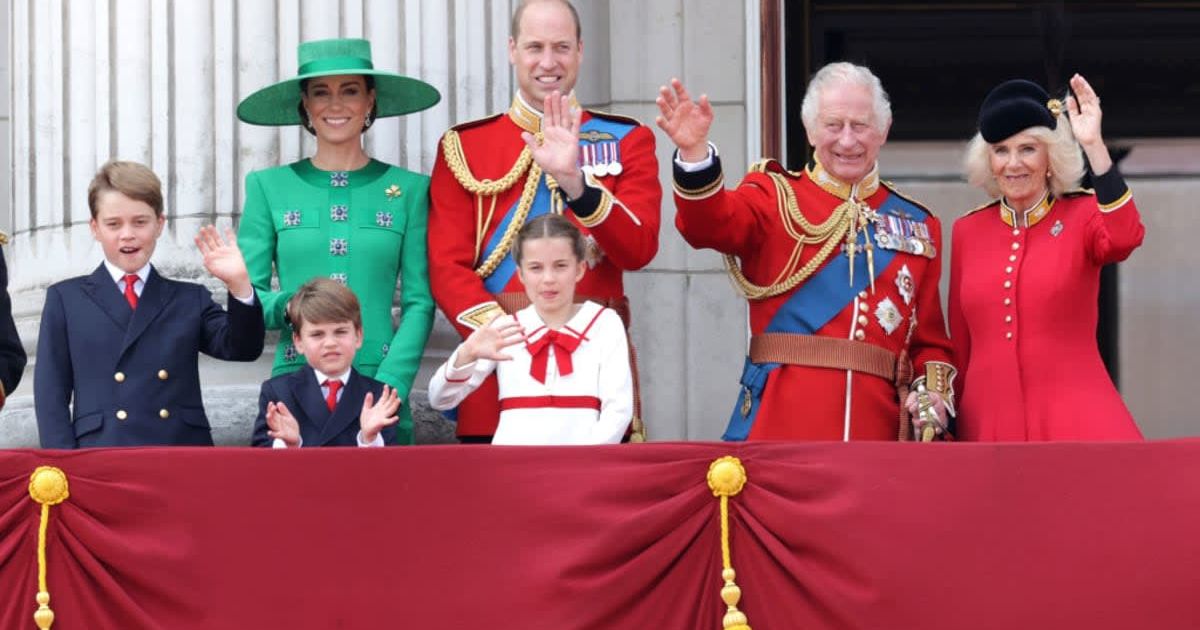


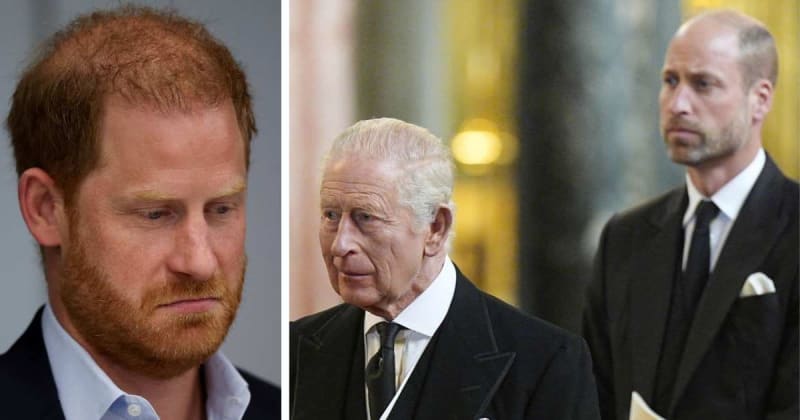
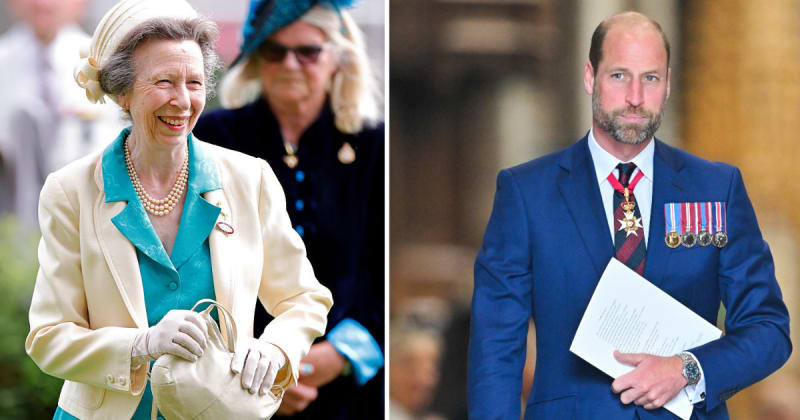
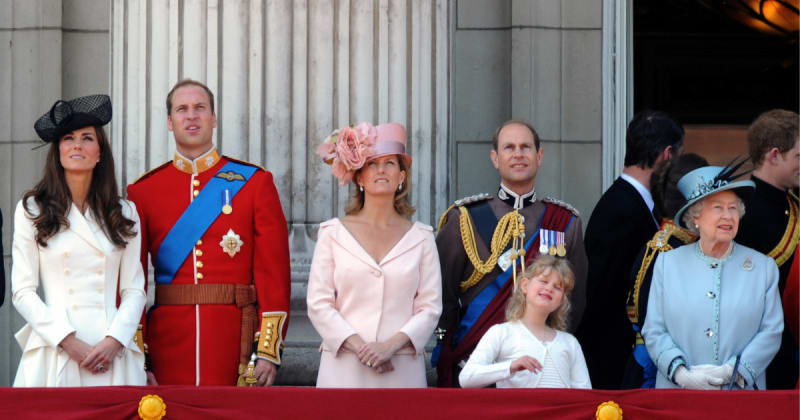
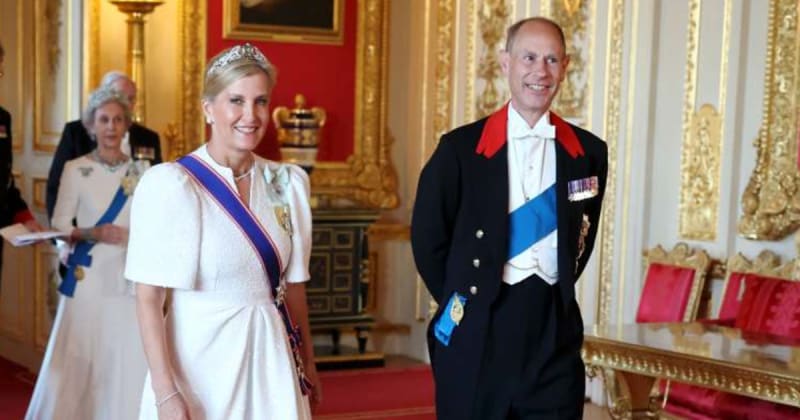
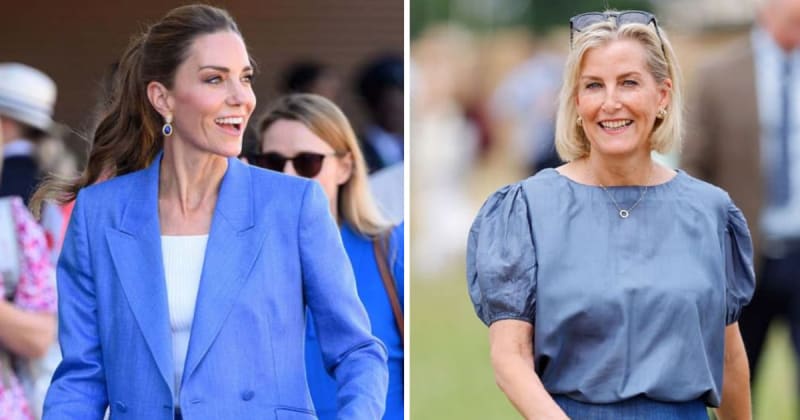
Peter Phillips and Harriet Sperling's wedding on June 6th signals a major shift from royal traditions. Instead of a massive, state-funded spectacle at Westminster Abbey or St. George's Chapel, the ceremony is a private affair at All Saints Church in Kemble. The guest list is even more surprising, as it clearly draws a line between working and non-working royals. King Charles, Queen Camilla, the Prince and Princess of Wales, his mother, Princess Anne, and his sister, Zara Tindall, with her husband, Mike, are all expected to attend. However, speculation has arisen about the attendance of Princess Beatrice and Princess Eugenie, though they have accepted the invitation. Additionally, four main figures will remain absent from the royal celebration: Andrew Mountbatten-Windsor, Sarah Ferguson, Prince Harry, and Meghan Markle.
With just 150 guests expected at All Saints Church in Kemble, Peter Phillips' wedding is a world away from the grand spectacle typically associated with royal celebrations. There will be no sea of crowds outside Westminster Abbey, no elaborate state procession, and no global television audience. And that, perhaps, is precisely the point. The intimate guest list is as telling as who made the cut, a deliberate reflection of where the royal inner circle now begins and ends, and who is no longer considered part of it.
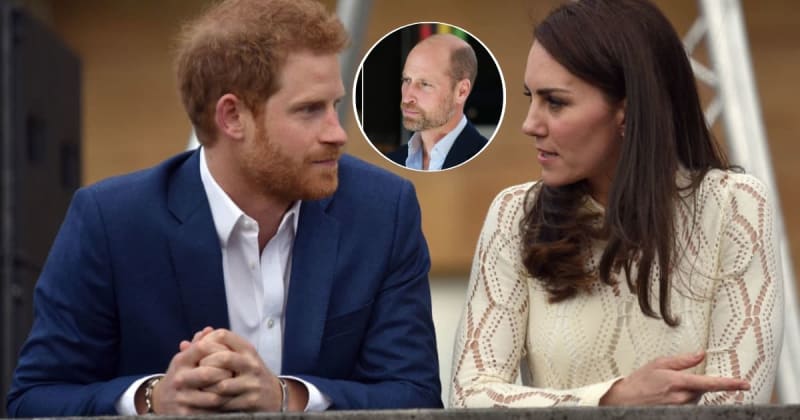
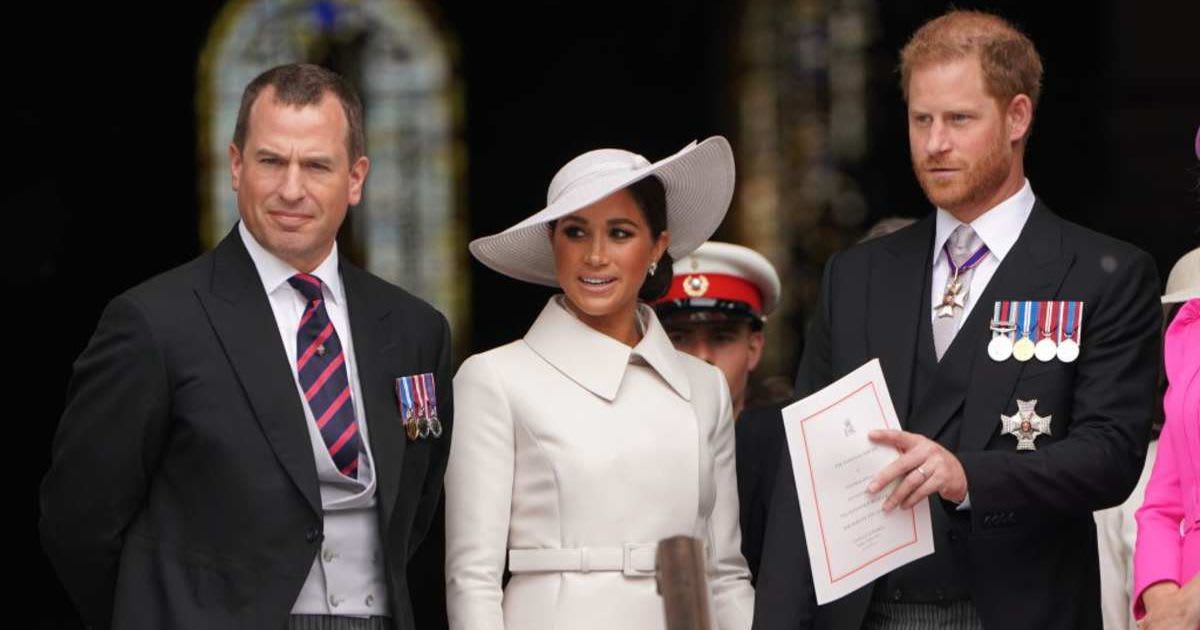
Harry was omitted from cousin Peter Phillips' wedding guest list to keep the focus on the couple. This choice was driven by concerns over Harry's alienation from his brother, Prince William, as well as anticipated media conjecture. In addition, Harry and Peter's lack of recent communication underlined the two cousins' current dynamic. Not to mention Peter's allegiance to William and King Charles during the growing royal conflicts, which made it easy for Harry to be excluded. Mountbatten-Windsor and Ferguson, too, became part of the royal rift after being mired in never-ending scandals.
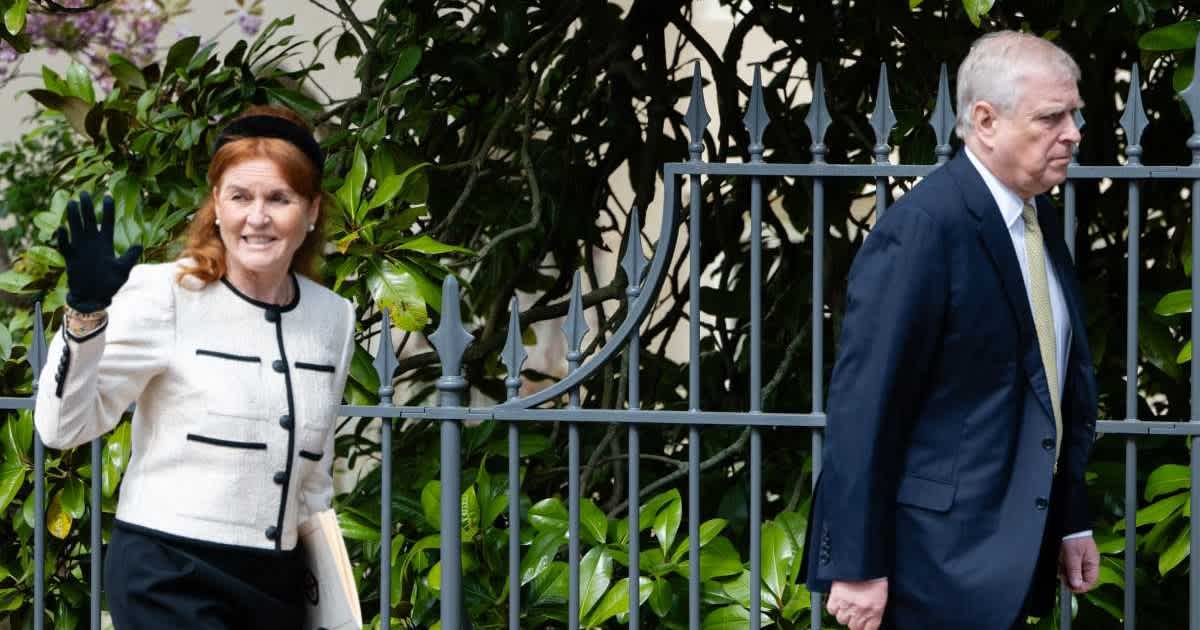
King Charles III aims for a streamlined monarchy, and his recent health issues have led to reliance on a smaller core group of working royals for official duties. The 'Firm' is actively limiting the activities of non-working royals to protect its reputation, control costs, and avoid commercial conflicts. Key factors include preventing the exploitation of royal titles for private gain, safeguarding taxpayer-funded Sovereign Grant expenses, reducing the visibility of non-working royals at public events, and maintaining institutional control. All this has led to the significant boycott of the Sussexes and the Yorks from several major events. And behind all this, there could be the hidden, influential voice of Prince William, who is secretly calling the 'shots', especially when it comes to distancing Andrew from the monarchy, InStyle reported.
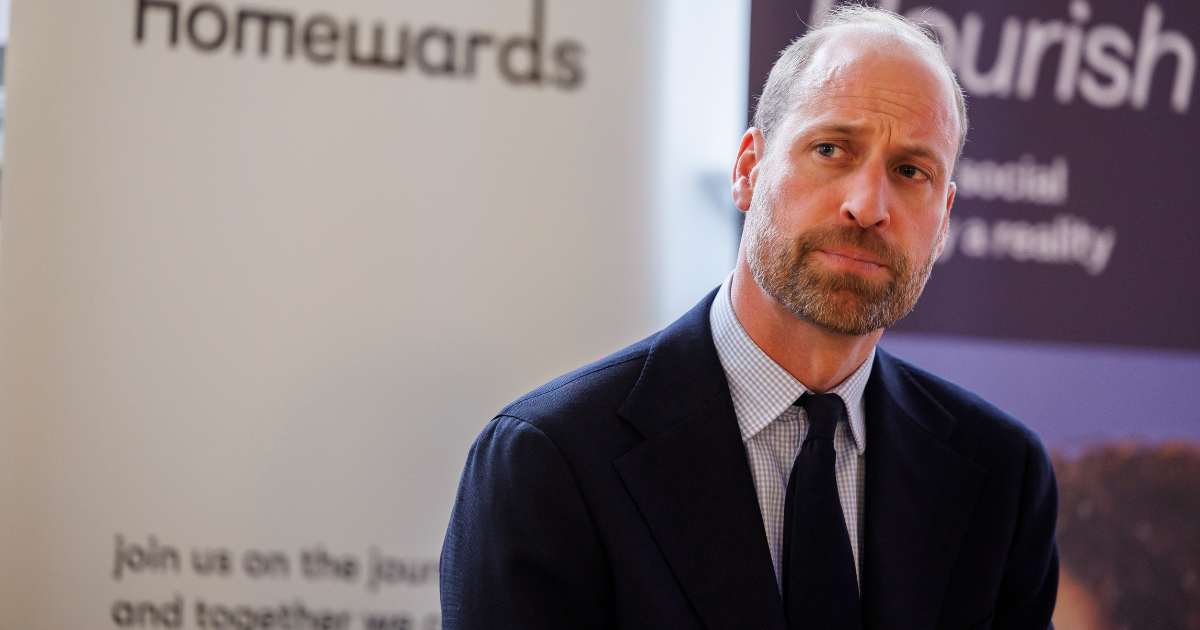
"Charles is sentimental, he’s very compassionate, he’s a bit of a ditherer," royal author Andrew Lownie noted. "William can’t speak out because he’s No. 2 and he won’t cross his father, but he’ll have had a big influence." As William prepares to take over, he is believed to be "annoyed and frustrated" by his father's reservations about Andrew.