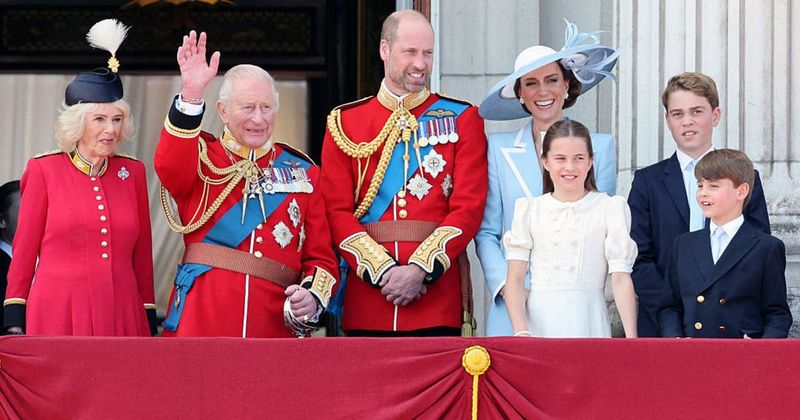
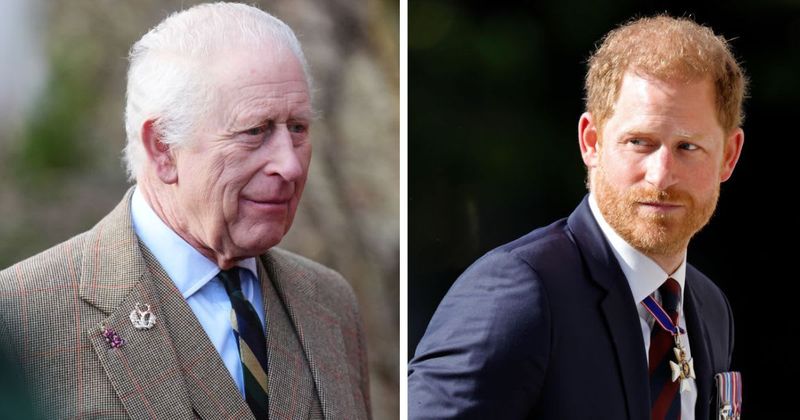
The BBC Just Gave Us the Biggest Clue Yet That the Royal Family Is Losing Its Grip
The unit that covered every coronation, jubilee and state funeral since 1953 is being reduced to one person.
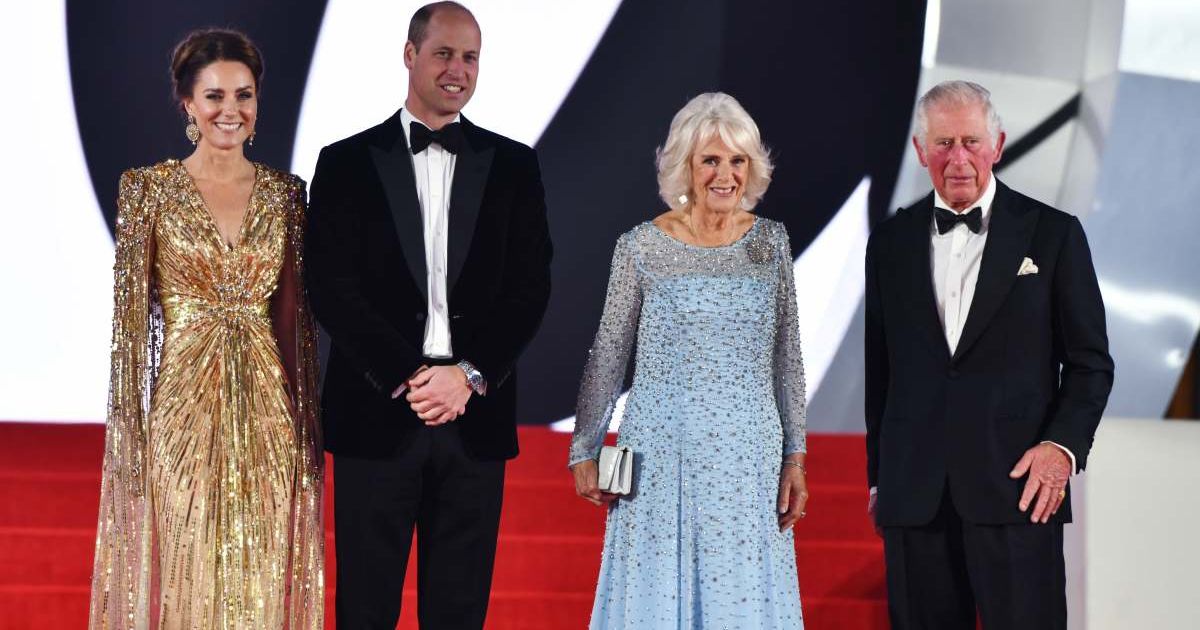


Earlier this month, the BBC dropped live coverage of the Commonwealth Day Service from BBC One without ceremony or apology. The Service is a formal state occasion attended by the King, and it carries diplomatic weight across fifty-six nations. The BBC cited funding challenges and moved on. But was it the beginning of something more consequential than a scheduling footnote? Most people didn't notice. That, in itself, is part of the story.
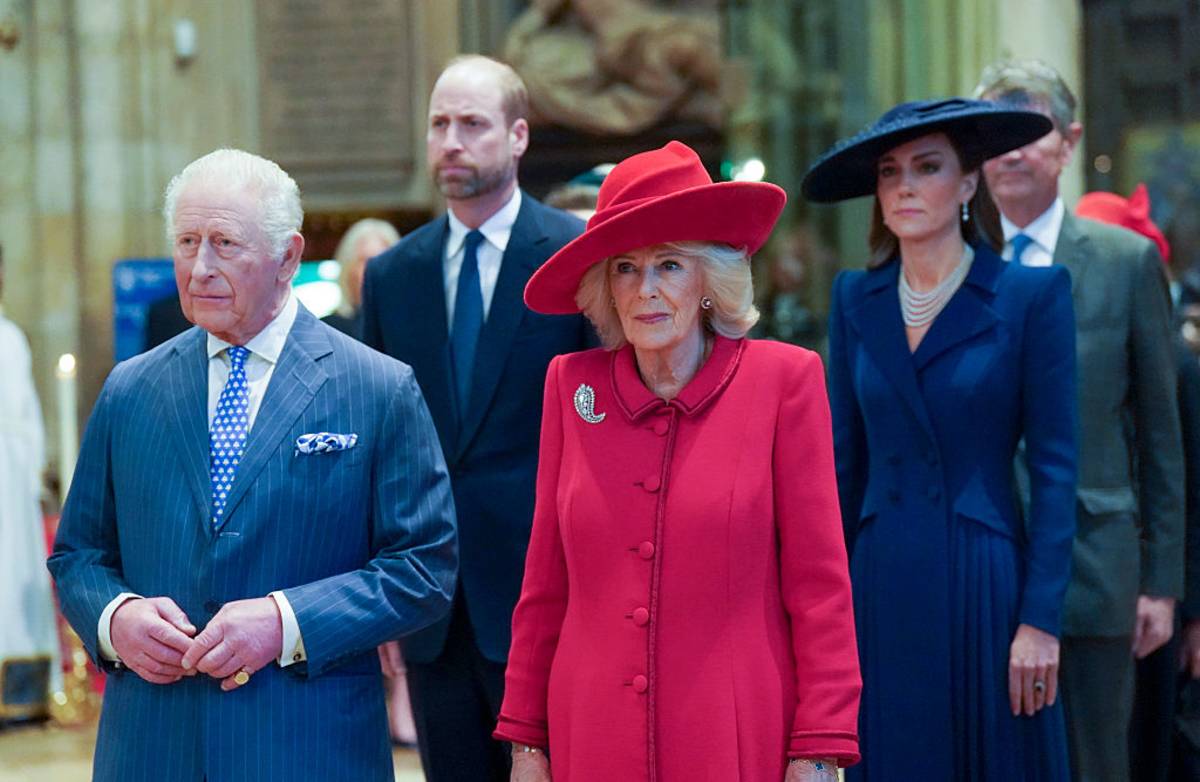
Days later, a second decision emerged. The BBC's six-person Studios Events team — the unit that has handled every major royal broadcast since Queen Elizabeth's coronation in 1953, which won two BAFTAs for the Queen's funeral, and which has covered every jubilee and state funeral in the television age — is being cut to a single employee. One person, and a pool of freelancers when needed.
Taken individually, each decision has a ready explanation. The BBC is cutting £500 million (around $665 million) from its annual budget. No department is sacred. Funding pressures are real. But taken together, these two decisions — made within weeks of each other — trace the outline of something larger. The BBC is beyond just trimming costs; it is systematically withdrawing from its role as the monarchy's broadcaster. And given what that role has meant for both institutions, that withdrawal deserves more attention than it is getting.
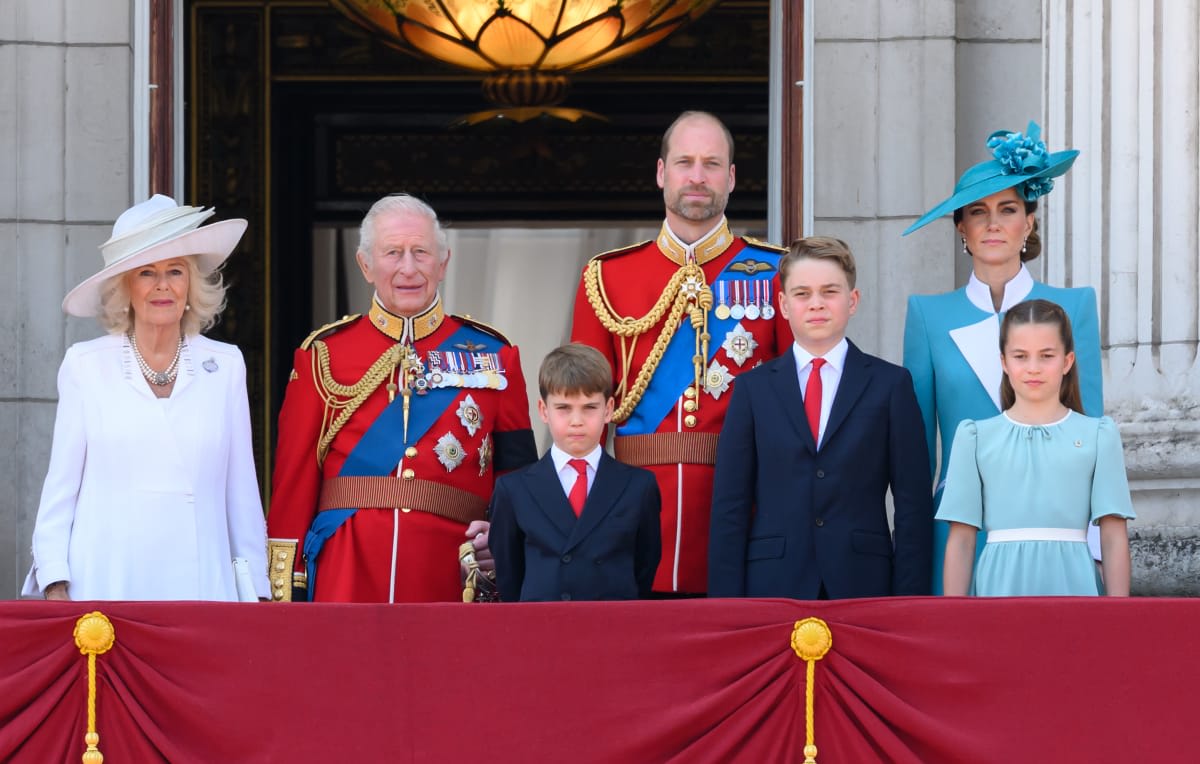
The BBC and the monarchy did not merely coexist. They built each other. On June 2, 1953, Queen Elizabeth's coronation was the first to be broadcast live into British homes. Twenty-seven million people watched, many on televisions bought or borrowed for the occasion. The BBC's director-general at the time credited the coronation as the event that catapulted television into British life.
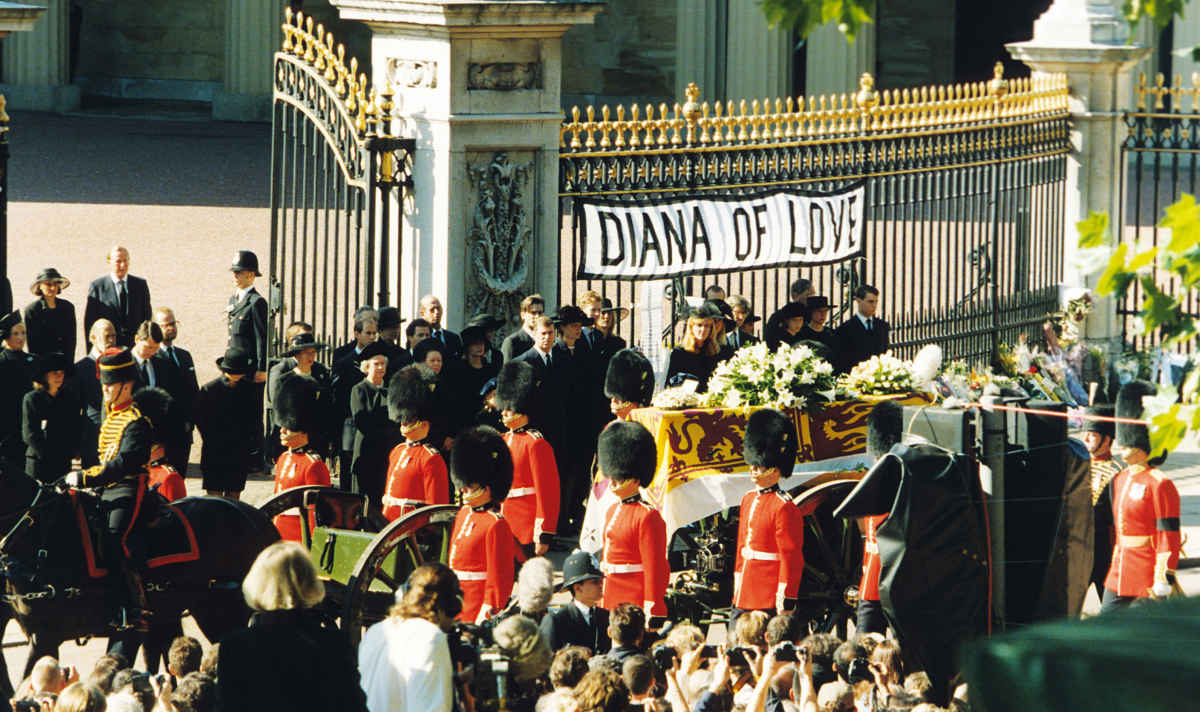
That mutual dependence shaped British broadcasting for seven decades. When satellite and commercial channels began eroding the BBC's authority in the 1990s and 2000s, the great royal moments reminded audiences why they still needed a public broadcaster. Princess Diana's funeral in September 1997 is the clearest example. An estimated 32.1 million people watched — the most-watched live television event since current records began. The pattern held in the years that followed. The Queen Mother's funeral, the Golden Jubilee, the wedding of Prince William and Kate Middleton — each time, audiences returned to the BBC as their default. They were the moments that justified the license fee, renewed the BBC's claim on public life, and reminded a fragmenting audience that some things still belonged to everyone. The monarchy gave the BBC its grandest stage. The BBC gave the monarchy its most powerful megaphone.
That arrangement is now, piece by piece, being unwound.
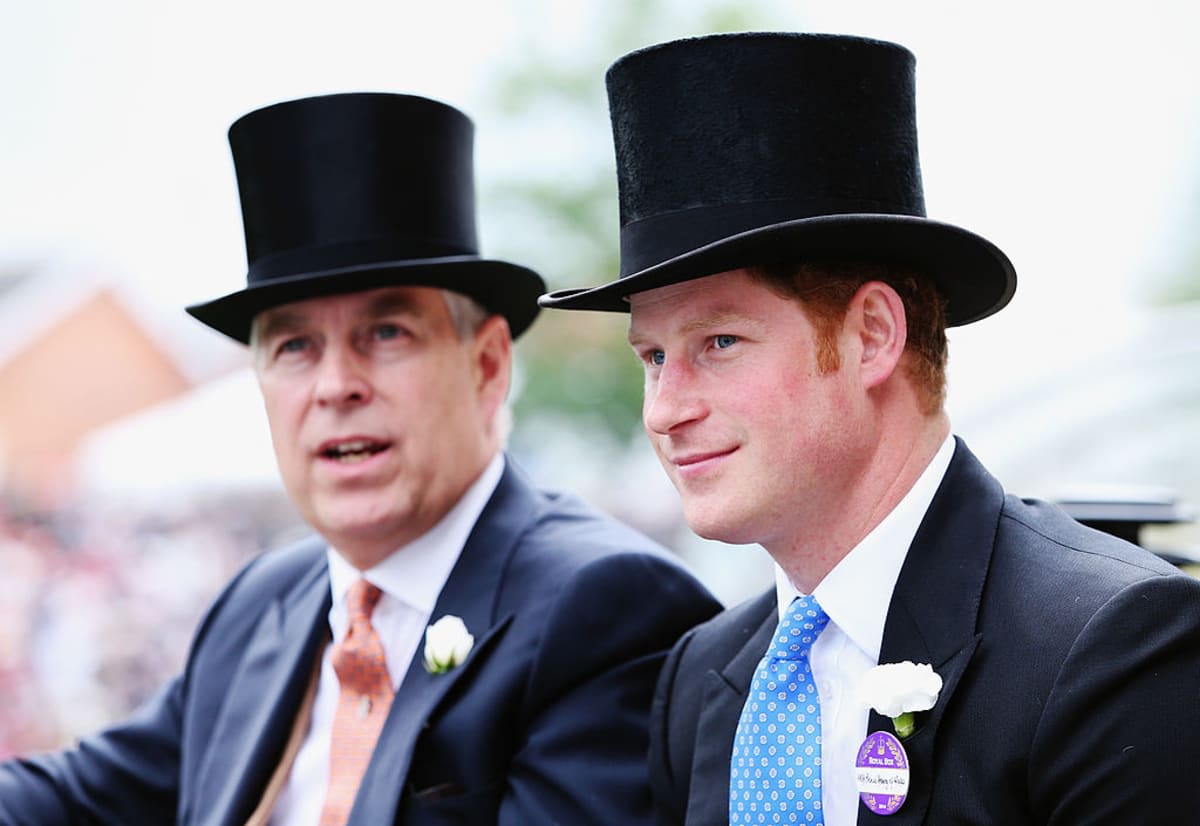
The unwinding didn't begin with a scheduling decision. It began with a shift in editorial tone. For most of its history, the BBC treated the monarchy as something above the normal machinery of journalism — covered with reverence, rarely subjected to the scrutiny applied to politicians or public institutions. That changed. Andrew Mountbatten-Windsor's associations with Jeffrey Epstein became impossible to contain. Prince Harry and Meghan Markle's departure reframed the institution in ways the Palace could not control. Scandal, once kept at arm's length from the ceremonial calendar, began bleeding through.
Then came a moment that would have been unthinkable a decade ago. David Dimbleby — who commented on Princess Diana's funeral and came out of retirement for Queen Elizabeth's — made a three-hour prime-time documentary questioning the entire purpose of the monarchy. Critics noted that it would never have been commissioned while the Queen was alive. The BBC, which once saw itself as the guardian of royal dignity, was now airing prime-time skepticism about whether the institution was worth having at all. That was the editorial shift. What we are watching now is the institutional one.
The BBC is not an organization that makes these moves carelessly. Every major scheduling decision is weighed against audience data, political risk, and public reaction. The choice not to broadcast the Commonwealth Day Service was not an oversight. The choice to hollow out the Events team was not an accident. These are deliberate recalibrations of where the BBC places the monarchy within its sense of its own purpose. This makes one number worth sitting with; the BBC sends approximately 550 staff to cover Glastonbury every year. That cut has not been made. The crown jewels of British broadcasting, it turns out, are not quite what they used to be.
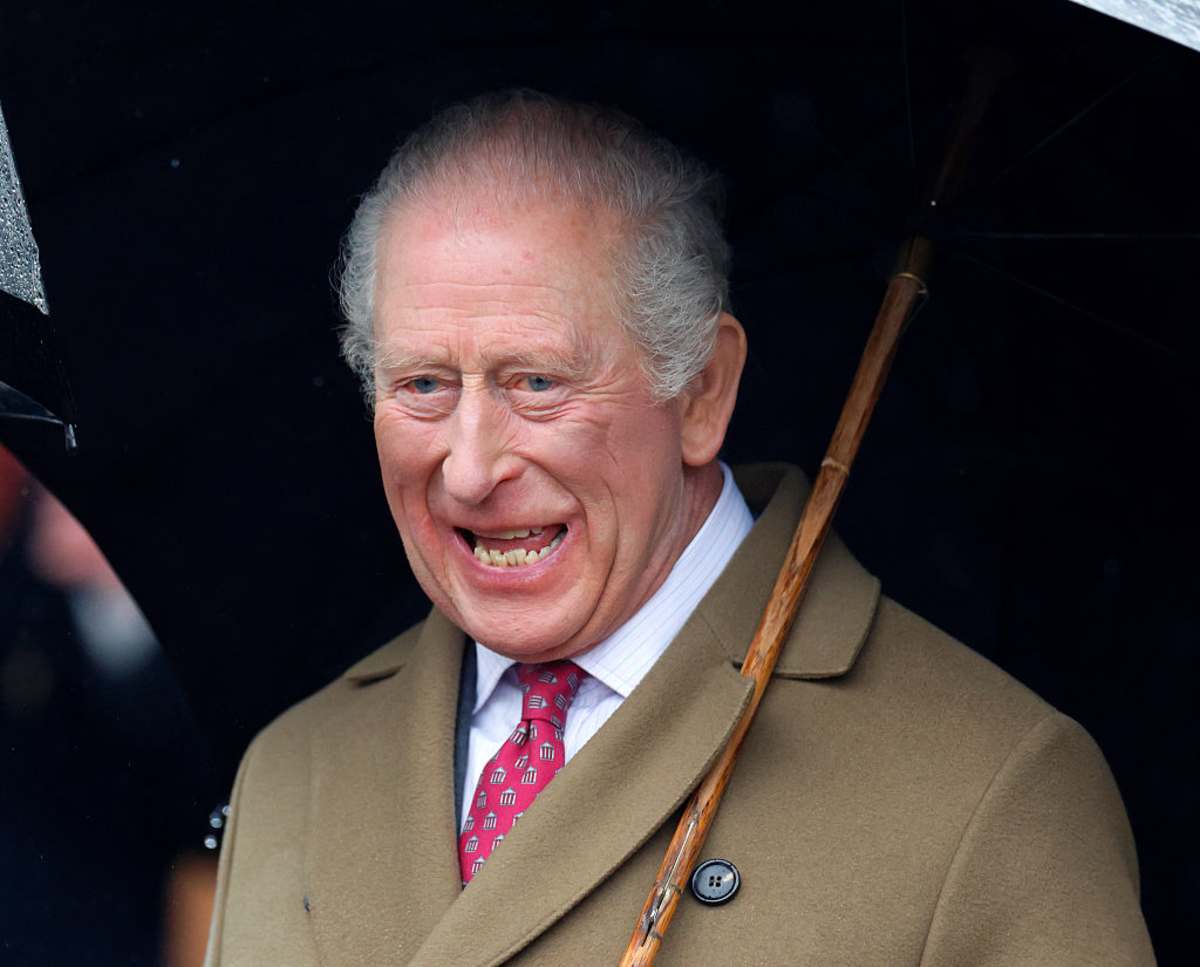
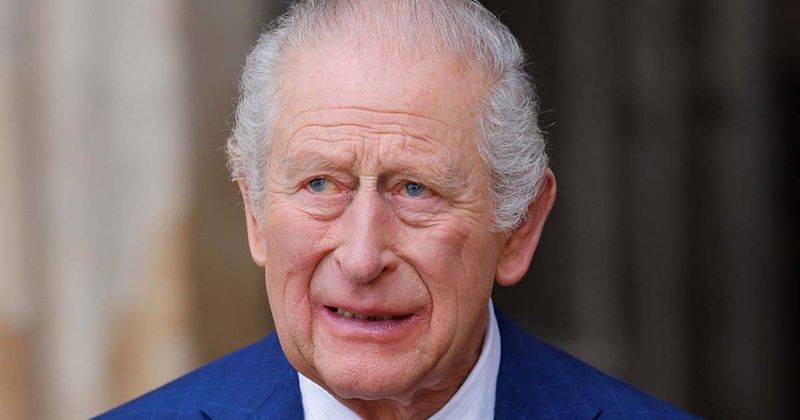
And that recalibration is happening at precisely the moment the monarchy can least afford it. The King is managing an illness. The Prince of Wales has yet to fully define himself publicly. The persistent shadow of Andrew and Epstein. No jubilee until 2047. No major royal wedding for at least a decade. The ceremonial calendar that once gave the BBC its most spectacular content, and the monarchy its most reliable good press, has thinned considerably.
Younger Britons are not opposed to the monarchy. They are largely indifferent to it. Jamaica, Belize, and the Bahamas have moved to remove the King as head of state. The global infrastructure of deference is eroding, and the BBC — which spent seventy years as its most powerful engine — is no longer filling the tank.
There will be another state funeral. When it comes, the BBC will cover it — with a skeleton crew, freelancers, and improvisation where institutional memory used to be. The camera will know roughly where to go. What it will lack is something viewers will feel without being able to name: the sense that the people behind it have been quietly preparing for this moment for years. The BBC constructed the monarchy's place in British broadcasting, occasion by occasion, since 1953. It is now, just as quietly, taking it apart. How much of the monarchy's grip on the national imagination was always, in the end, a production? We may be about to find out.
The opinions expressed in this article belong to the author alone and are not attributable to The Royal Observer or its editorial team.